


Strange cooking prohibitions: 8 foods you won't guess are banned



Snacks that we love in our country may be banned in only one country. Each country has its own rules and regulations on what can and cannot be allowed in its food, so, once you cross the border, you may find that your favorite food becomes illegal.
Show key points
- Different countries have unique food regulations, causing some popular snacks to be banned despite their global popularity.
- Fruit Loops are banned in several European countries due to the harmful effects of artificial coloring agents.
- Venice prohibits kebabs to preserve its cultural image and avoid the influence of low-quality fast food.
- ADVERTISEMENT
- Singapore enforces a strict law against chewing gum to maintain public cleanliness, with serious penalties for violations.
- Durian fruit is banned in public spaces in Singapore not for its taste, but because of its overpowering and unpleasant smell.
- In Somalia, samosas are banned for religious reasons, as their triangular shape is seen as resembling Christian symbolism.
- American pork containing the additive ractopamine is banned in many countries due to its potential harmful health effects on humans.
The reasons for the ban range from toxic ingredients to preservation, with everything else in between. Although many of these foods produce high global sales revenues, that hasn't stopped countries from putting the law in place. For example, global Fruit Loops sales are worth about $270 million, but they are still banned in many European countries. Read this list to see some of the most controversial banned foods.
1. Fruit Loops (a type of breakfast cereal)
Recommend
Banned in: Norway, France, Finland, Austria
Reason: Too many artificial colors
North American breakfast cereals have earned a reputation for containing large amounts of sugar and very few nutritional properties. Among these pills, one of the most popular is Fruit Loops. Despite its popularity, generations of children have grown up in Norway, France, Finland and Austria without this classic colorful breakfast.
That's right, there are a few countries in Europe that have already banned the sale of Fruit Loops. Scientific studies have linked the artificial colors that give Kellogg's Fruit Loops their appeal to complications in cell growth, leading to the grain ban.
2. Kebab
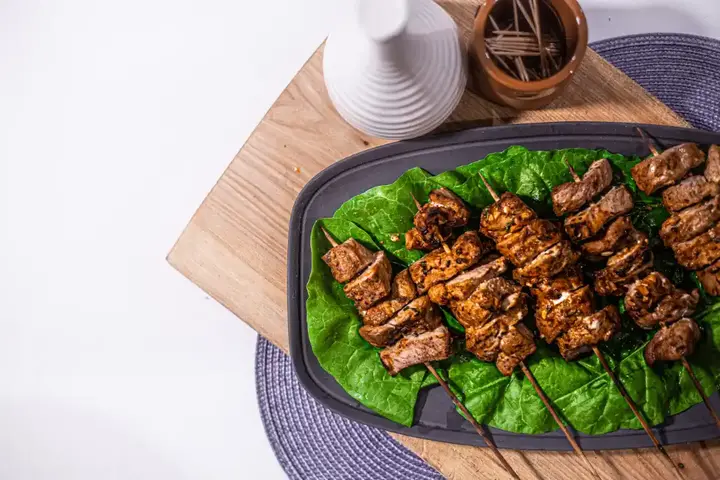
Banned in: Venice
Reason: Bad for cultural image
The availability of a wide range of foods from around the world has helped many cities establish themselves in the food world. One of the things that helps give the city its character, after all, is the food scene in it. In most European cities, kebabs are the favorite food of late-night snackers, but not in Venice.
Kebabs are cheap and easy to prepare, and frankly, if enough sauce is added, the taste of the meat doesn't really matter. In Venice, a food ban on kebabs was imposed for this very reason. It is believed that low-quality fast food harms the image of the city.
3. Chewing gum

Banned in: Singapore
Reason: Cleanliness
When preparing for an important meeting or date, many people resort to chewing gum to help improve the smell of their breath. There are certain places in the world, one in particular, where it is best for anyone looking to get rid of bad breath in the morning to resort to using mint or some mouthwash instead.
In 1992, in order to help clean the streets, chewing gum was banned in Singapore. There are exceptions for people who chew food in public, but proof of prescription must be shown. Without proper paperwork, be prepared for a sentence of up to two years in prison or a fine of up to $100,000.
4. Pasta and cheese
Banned in: Norway, Austria, EU
Cause: harmful coloring agents
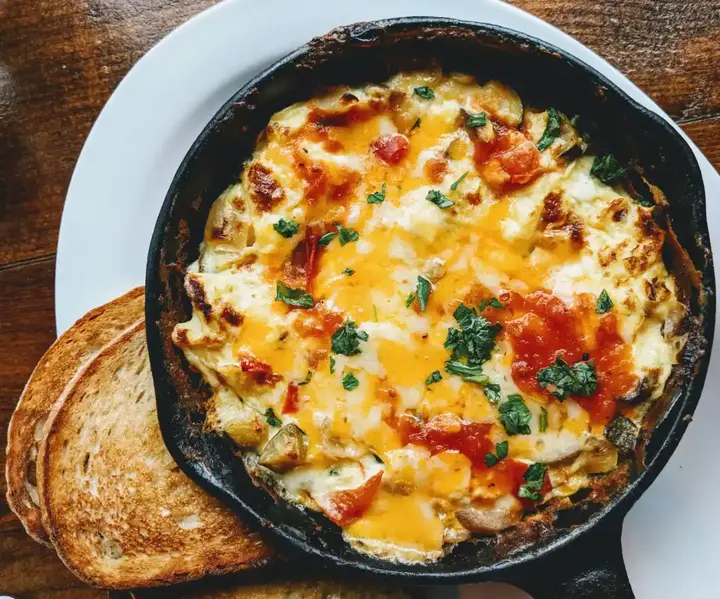
In North America, one of the most popular lunches for children is pasta and cheese. Not the homemade oven-baked type, but the packaged type that comes with a bag of cheese powder and instructions on the back on how to properly prepare the meal. It is an easy-to-make and low-ingredient dish that children (outside France) enjoy with ketchup.
Canned meals for pasta with cheese Boxed Mac and Cheese have been banned in the European Union, Austria and Norway because of the coloring agent with which they were made which proved harmful to children. Kraft Heinz recently removed Yellow 5 and Yellow 6 from European Mac & Cheese products in order to continue European sales.
5. Durian fruit
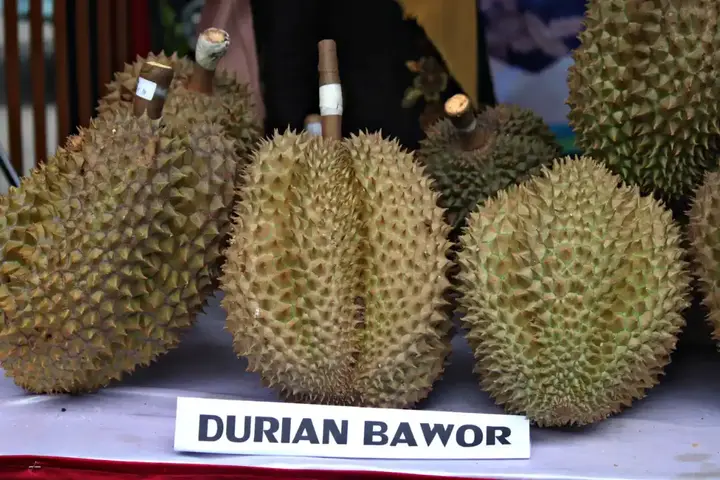
Banned in: Singapore
Reason: Smell
Durian fruit can be found on most islands of Southeast Asia. The fruit is said to have a creamy texture like cheesecake but sweet custard taste. Some durian fruit can be a bit bitter, but that's certainly not a reason to ban them in Singapore.
The taste of durian has nothing to do with its ban. But on the other hand, the smell is disgusting for most people. In order to solve the problem of eating smelly fruit in public, Singapore has chosen to ban fruit altogether.
6. Samosas
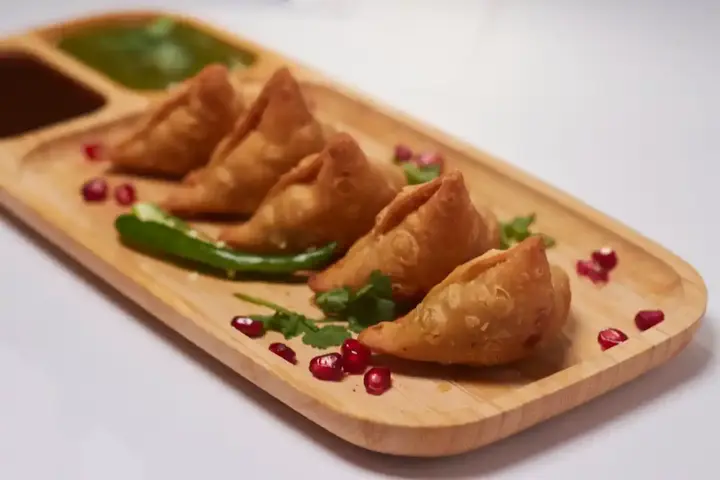
Banned in: Somalia
Reason: Religious beliefs
Samosas have been part of South Asian and Middle Eastern cuisine for centuries, but in recent years, an East African country has decided to take a stand against these small pastries. Interestingly, unlike many other foods on this list, the reason has nothing to do with any of the ingredients.
In the case of samosas, appearance seems to be everything. In 2011, religious leaders in Somalia banned triangular food from the country because, as followers of Islam, they felt as if the three corners of the fried snack were too similar to the symbol of the Holy Trinity in Christianity.
7. American ham
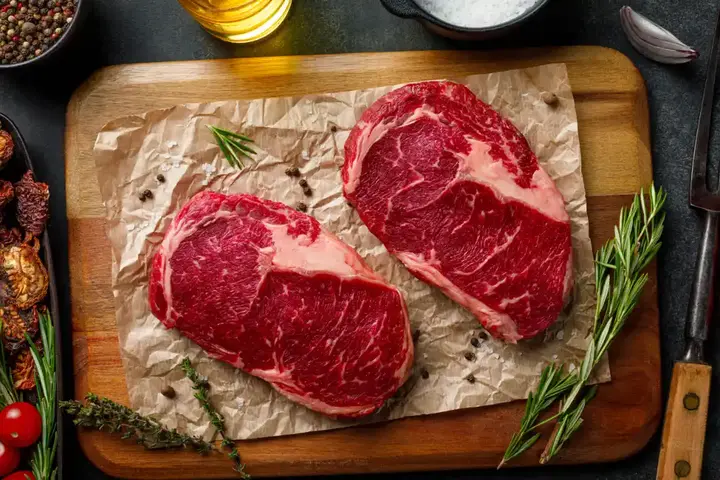
Banned in: Russia, China, EU, etc
Cause: Contains Raktopamine
Pigs in America tend to grow very quickly due to the combination of chemicals pumped with them. Because of these chemicals, or at least one of them, about 50 percent of pork from the United States is not allowed to be sold in more than 150 countries.
Raktopamine is used to promote meat tenderness in animals, but like any medicine intended for animals, there are bound to be side effects when taken by humans. Among the side effects associated with the ban on raktopamine in many countries are changes in one's behavior, hyperactivity, a higher than normal heart rate, and a variety of other cardiovascular problems.
8. Salt and pepper

Prohibited in: Space
Reason: Lack of gravity
Experiencing weightlessness in space is something many people dream of doing, but nothing can fully prepare a person for all the peculiarities of space travel. For example, most people didn't know that due to the lack of gravity, the granular nature of salt and pepper, spices were banned in space.
Yes, grains of salt and pepper can pose a risk to electronic equipment, but before anyone started thinking that astronauts were forced to live in space without the privilege of eating delicious food, in order to compensate for the ineffectiveness of grains of salt and pepper, they were given a liquid filled with salt and pepper instead.
