


Do you agree with this list?15 cities that define the Muslim world



Cities are vital for many reasons: they are centers of economic power, because they drive trade, industry, and finance; they are a melting pot of diverse traditions, arts, and histories; and cities host universities and institutions that spread knowledge. Cities are also important as they house government bodies and embassies, and are essential for decision-making and international diplomacy.
Show key points
- Cities have always held immense importance as economic, cultural, political, and intellectual hubs, shaping both historical and modern societies.
- Mecca in the seventh century gained prominence as the birthplace of Prophet Muhammad and the birthplace of Islam, central to Muslim pilgrimage rituals.
- Damascus in the same era served as the capital of the Umayyad Caliphate and a flourishing center of political power, art, and science.
- ADVERTISEMENT
- The ninth-century Baghdad rose as a beacon of intellectual achievement during the Islamic Golden Age, housing the renowned House of Wisdom.
- Cordoba in the tenth century became a model of multicultural coexistence and scholarly excellence, influencing both the Islamic world and Europe.
- In the twelfth century, Cairo and Aleppo developed as powerful centers of military strength, trade, and governance within the Islamic world.
- Later Islamic cities like Fez, Granada, and Samarkand thrived with unique contributions to education, science, and arts that still resonate globally.
Cities are important in modern times and historically. When considering the 15 cities that define the Islamic world, you can look at a range of aspects such as historical significance, architectural wonders, cultural influence, religious significance, and their importance in the modern era.
In addition, since each city has a unique period in history that determines its importance, this is especially true even if today some of these cities seem like ordinary places, they add another dimension to this list.
Recommend
1. Mecca in the seventh century:
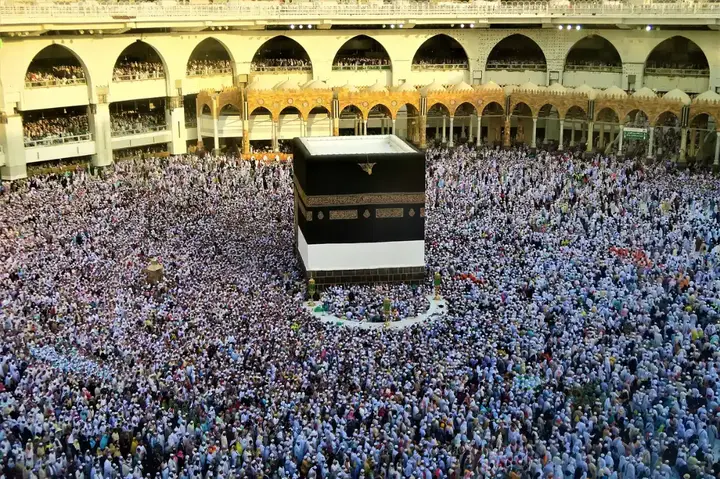
Seventh-century Mecca has great importance in the Islamic world as the birthplace of the Prophet Muhammad and the cradle of Islam. It was in that century that Islam was founded, where the Prophet Muhammad received the revelation that shaped the Qur'an.
The city's importance is enhanced by its centrality in Islamic pilgrimage rituals, an annual pilgrimage that every physically capable Muslim must perform at least once in his life.
2. Damascus in the seventh century:
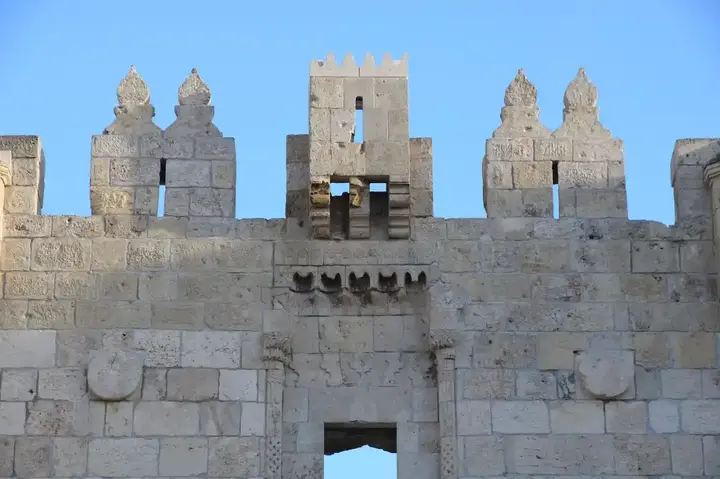
In the seventh century, Damascus occupied a central place in Islamic history. After the Islamic conquests, Damascus became the capital of the Umayyad Caliphate from 661 to 750 CE, the first major Islamic dynasty. This period witnessed the significant expansion and consolidation of the Islamic State.
Damascus was not only a political center, but also a cultural and economic center, playing a crucial role in the development and dissemination of Islamic culture, arts and sciences.
Seventh-century Damascus stands as a witness to the early Islamic world's achievements in governance, culture, and intellectual orientation, paving the way for the Islamic Golden Age that followed.
3. Baghdad in the ninth century:
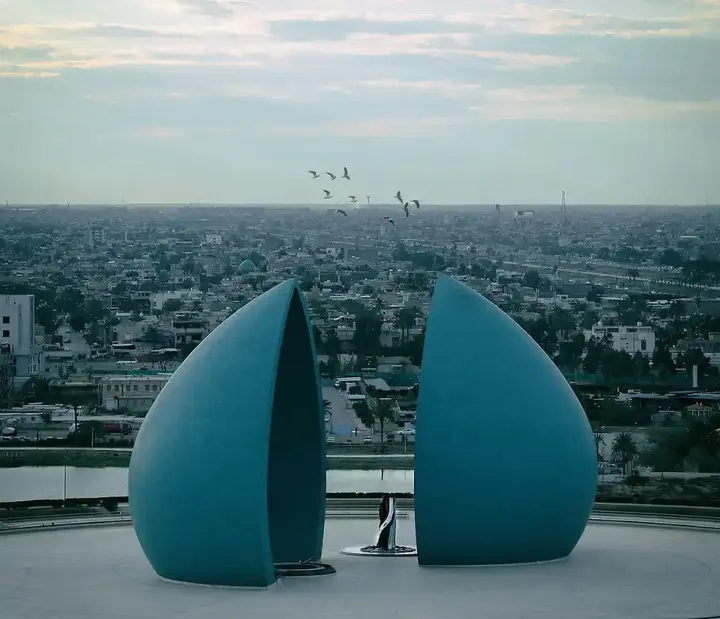
In the ninth century, Baghdad was at its peak, particularly as the capital of the Abbasid Caliphate. Founded in 762 CE by Caliph al-Mansur, Baghdad soon emerged as a leading center of learning, culture, and commerce.
The ninth century, often considered part of the Islamic Golden Age, saw Baghdad become the heart of the intellectual world. The city was home to the famous House of Wisdom, an unparalleled center for the study and translation of scientific, philosophical and literary works from different cultures.
Folktales such as "One Thousand and One Nights", "Aladdin's Wonderful Lamp" and "Ali Baba and the Forty Thieves" reflect the city's vibrant cultural life and the cosmopolitan atmosphere of Baghdad. These stories also depict a city teeming with merchants, scholars and artists, illustrating Baghdad's prosperity and cultural richness during this era.
4. Kairouan in the ninth century:
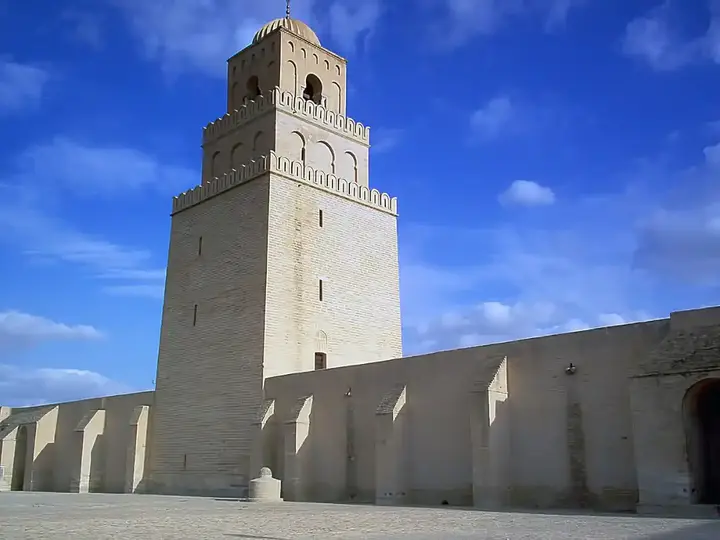
Kairouan is the oldest Muslim settlement in North Africa. By the ninth century, Kairouan had become a prominent center of religious, educational and political activities, and played a vital role in the spread of Islam throughout Africa.
The city was home to many prominent scholars, including Imam Sahnoun. Students and scholars from all over the Islamic world are said to have flocked to Kairouan, where they were attracted by its libraries and schools, as it became a beacon of Islamic learning and spirituality.
Aqaba Mosque. The mosque is one of the most important and influential buildings in architecture in both the Islamic world and North Africa. It served as a model for future mosques in the region.
5. Cordoba in the tenth century:
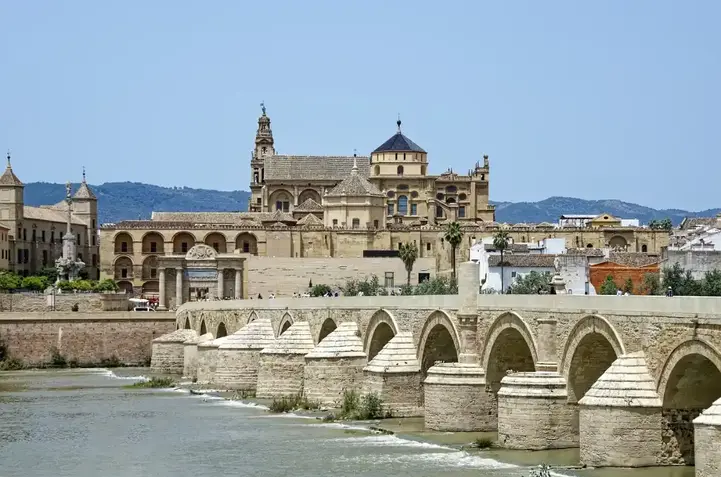
In the tenth century, Cordoba was one of the world's most culturally and intellectually advanced cities. At a time when other parts of Europe were divided and lived through the Dark Ages, Cordoba was a beacon of enlightenment. It was a melting pot of Islamic, Christian and Jewish cultures, leading to an unprecedented flourishing of the arts, sciences and philosophy.
The city was a center for researchers, poets, philosophers and scientists. One of the most famous scientists, Ibn Rushd was a philosopher and encyclopedic whose works had a profound impact on both the Islamic world and Europe.
The intellectual environment in Córdoba was characterized by religious and cultural tolerance, an aspect often highlighted in historical novels: "In Córdoba, books are more precious than a sword.
6. Cairo in the twelfth century:
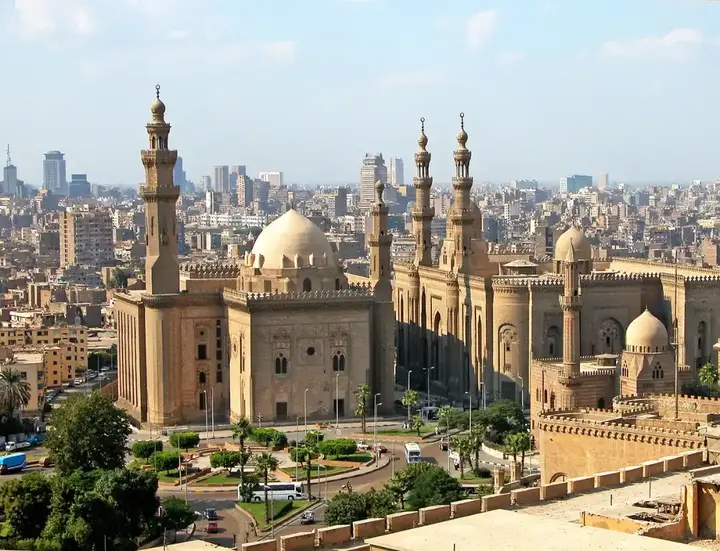
In the twelfth century, Cairo was the heart of the Fatimid Caliphate and later the Ayyubid dynasty. Cairo was not only a political capital, but also a thriving center of arts, education, and commerce.
Cairo's strategic location and political stability during the Ayyubid era helped it become one of the most important cities in the Islamic world, as well as a major player in the Mediterranean trade network.
One of the most prominent figures of this era is Salah al-Din al-Ayyubi, known in the West as Saladin. He built the Cairo Citadel, a citadel that symbolized the city's military and political power.
There are many accounts of Saladin's just and wise rule, including his efforts to strengthen Cairo's infrastructure and public services, as well as his noble conduct during the Crusades.
7. Aleppo in the twelfth century:
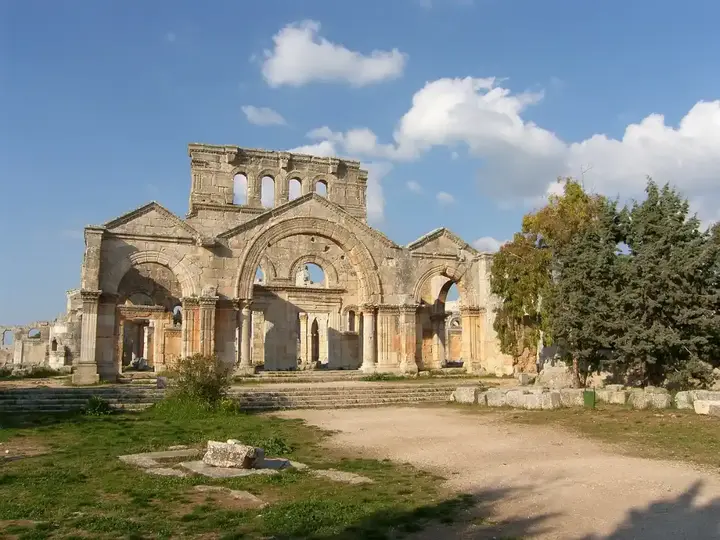
Aleppo was a leading trading center and strategic military location due to its location along the Silk Road and its proximity to the Crusader states.
In the twelfth century, the citadel of Aleppo was a major defensive structure against Crusader attacks. There are many stories and legends about the sieges it withstood and the different rulers who fortified and expanded it. The fortress of the citadel is often summed up in the old saying: "Whoever owns Aleppo, owns Syria.
8. Fez in the thirteenth century:
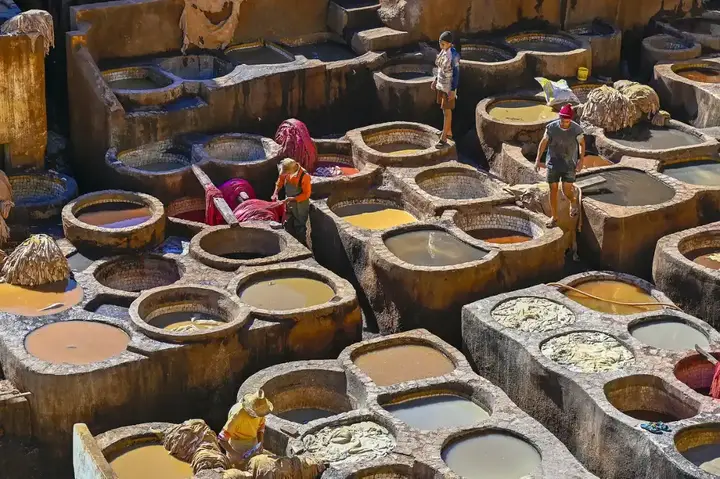
Fez reached its peak in the Marinid period (between the thirteenth and fifteenth centuries), and regained its status as a political capital. Many new schools and mosques have been built, and many of them still exist today. These buildings are characteristic of Maghreb and Moroccan architectural styles.
Founded in 859 AD and expanded in the twelfth and thirteenth centuries, the University of Al-Qarawiyin in Fez is one of the oldest continuing universities in the world. In the thirteenth century, Fez was a leading center of learning in the Islamic world, attracting scholars and students from all over the world. The influence of her university in the expansion of Islamic knowledge is often summed up in the saying "whoever drinks from the water of Fez reaches wisdom.
9.Granada in the thirteenth century:
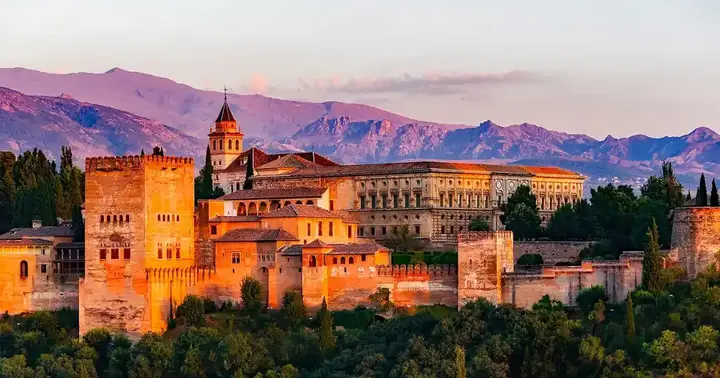
In the thirteenth century, Granada experienced a period of cultural and architectural renaissance, especially during the Nasrid dynasty, the last Muslim dynasty on the Iberian Peninsula.
Founded as the capital of the Principality of Granada in 1238, the city became a refuge for Muslims and Jews fleeing the Christian conquest of Spain.
Granada was known in the thirteenth century for an atmosphere of religious tolerance, where Muslims, Christians and Jews coexisted and contributed to the prosperity of intellectual and cultural life.
The city was a centre for scholars, poets and artists such as Ibn al-Khatib and Ibn Zamrak, whose poems adorned the walls of the Alhambra in celebration of the beauty and sophistication of Granada.
10. Samarkand in the fourteenth century:
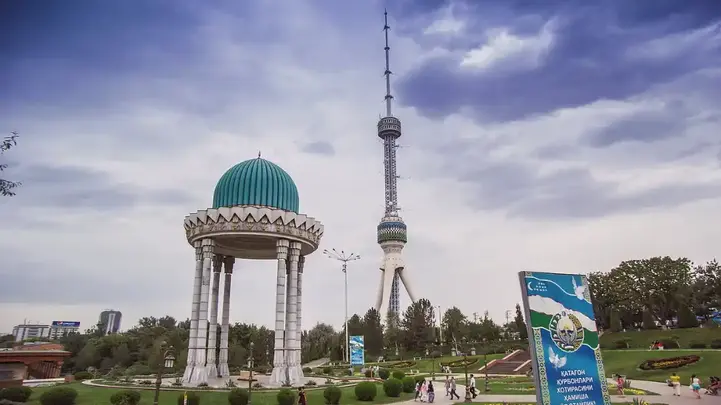
In the fourteenth century, Samarkand was one of the most important cities in Central Asia, especially under the rule of Timor (Tamerlane). Originally an important city on the Silk Road, Samarkand experienced a period of extraordinary growth and transformation under Timur.
Among its scientists was the famous astronomer and mathematician Ulugh Bey, grandson of Timur, who built an observatory in Samarkand and was among the most advanced observatories of his time. The Ulugh Beg Observatory, which compiled the catalogue of stars "Zij Soltani", gives an idea of the scientific atmosphere in Samarkand at its best.
11. Istanbul in the fifteenth century:
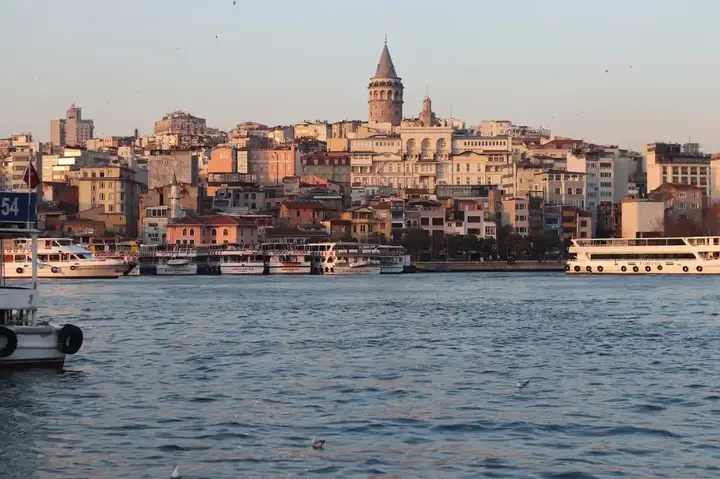
Istanbul, which was known as Constantinople until the mid-fifteenth century, experienced a transformative era under the Ottoman Empire.
The fall of Constantinople, at the hands of Ottoman Sultan Mehmed II in 1453, marked a pivotal moment in world history. This event symbolized not only the fall of the Byzantine Empire, but also the rise of the Ottoman Empire as a major power in both Europe and the Islamic world. Istanbul then became a cosmopolitan city that blended diverse cultural, architectural and religious influences.
12. Delhi in the sixteenth century:
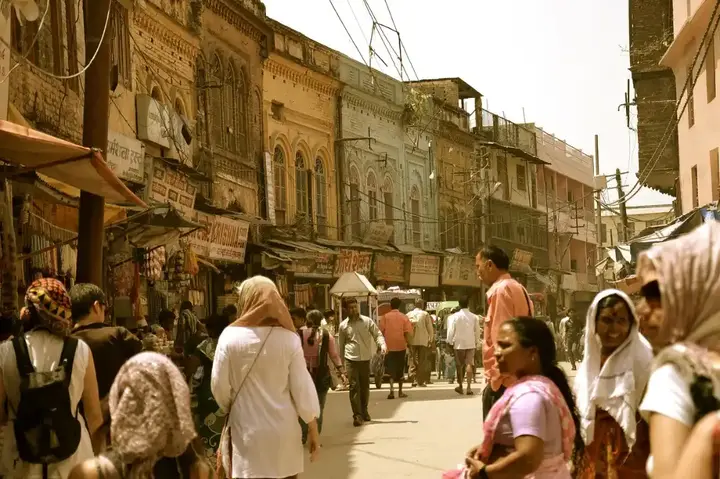
Delhi was in the sixteenth century in an important period marked by the rise of the Mughal Empire that brought profound changes to the political, cultural and architectural landscape of the region.
Beginning with Babur's victory in 1526, Mughal emperors succeeded in transforming Delhi into a magnificent capital reflecting the empire's wealth, power, and artistic sensitivities.
This era is known for its combination of Persian, Indian and Islamic influences, creating a unique and enduring cultural heritage.
13. Isfahan in the seventeenth century:

In the seventeenth century, Isfahan reached its peak during the Safavid dynasty, especially during the reign of Shah Abbas I.
The city was chosen as the new capital of the Safavid Empire in the late sixteenth century, and Shah Abbas I proceeded to turn Isfahan into one of the most beautiful and vibrant cities of his time.
During the seventeenth century, Isfahan symbolized the consolidation of Shi'i Islam as the state religion under the Safavid dynasty, and embodied the pinnacle of Persian culture and Safavid power.
14. Tehran in the twentieth century:
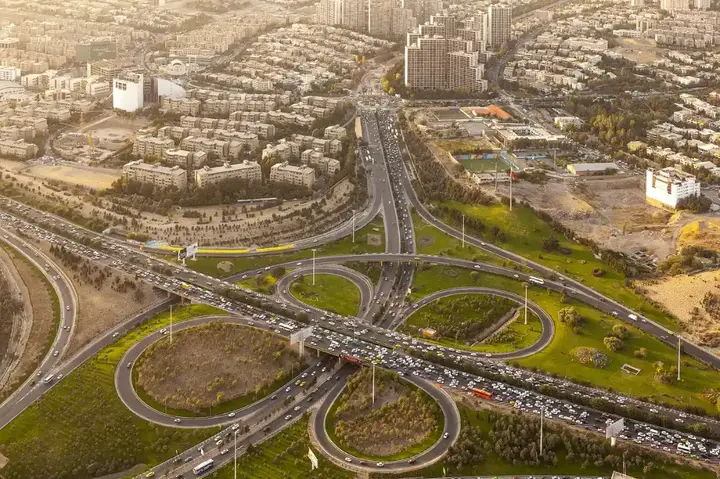
In the twentieth century, Tehran underwent radical transformations, reflecting the vast political, social, and cultural changes that took place in Iran.
Established as the capital of Iran in the late eighteenth century, Tehran's true emergence as a modern city began in the twentieth century, especially under the rule of Reza Shah Pahlavi and his son Mohammad Reza Shah Pahlavi.
The city has become the focal point of Iran's modernization efforts, rapid urbanization, and political turmoil, including the 1979 Iranian revolution that has shaped the region until now.
15.Dubai in the twenty-first century
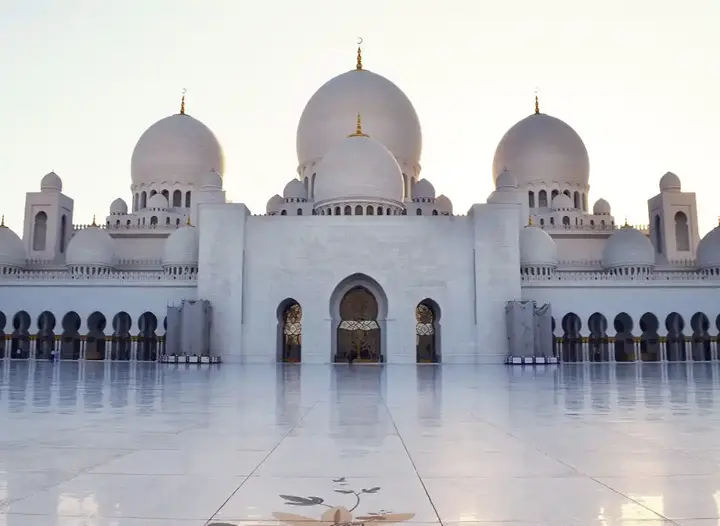
In the twenty-first century, Dubai is witnessing rapid urbanization, economic growth, and globalization.
From a small trading port in the twentieth century, Dubai has emerged as one of the world's most recognizable cities, known for skyscrapers, luxury and innovation.
This rapid growth and development was largely driven by its visionary leadership, strategic geographic location, and an open economy that embraced globalization.
Beyond relying on oil, the city has succeeded in diversifying its sectors to include sectors such as tourism, aviation, real estate and financial services.
The city has become a melting pot of nationalities and cultures, attracting expatriates and tourists from all over the world. Everything including the culinary scene, entertainment and arts makes Dubai truly one of the capitals of the global economy.
