


16 Basic Weight Loss Mistakes to Avoid: Proven Strategies for Success



Losing weight is a frequent goal for many people, so developing new habits and making substantial lifestyle adjustments according to your goal is a must. However, in the age of abundant online information, it is very common to encounter risks and misconceptions about weight loss that can hinder your journey towards your goals.
Show key points
- Impatience and the desire for quick results can derail your weight loss efforts by fostering frustration and discouragement.
- Setting unrealistic expectations and comparing your progress to others may lead to unhealthy behaviors and setbacks.
- Severe dieting and overly restrictive eating plans can harm your health and are generally unsustainable.
- ADVERTISEMENT
- Skipping breakfast slows metabolism and often leads to overeating later in the day.
- Neglecting strength training limits your ability to build muscle and boost metabolism, which are crucial for lasting weight loss.
- Ignoring hidden calories in liquids and condiments can sabotage your progress without you realizing it.
- A lack of proper sleep affects hunger hormones and motivation, making it harder to stick to your weight loss plans.
Here we explore some common weight loss mistakes you should avoid, backed by expert insights and trustworthy references. They are designed for anyone embarking on a weight loss journey or currently facing challenges.
First mistake: impatience

Impatience is the biggest enemy in your weight loss journey. When individuals expect quick results and don't see immediate changes, it can lead to frustration and discouragement. Effective and sustainable weight loss is usually a gradual process, requiring consistent effort over time.
Recommend
Patience is key, as it allows for the adoption of healthy habits and a more realistic understanding of how the body responds to dietary and lifestyle changes.
The second mistake: unrealistic expectations
Unrealistic expectations in weight loss often lead to a cycle of rapid weight loss followed by regaining weight, avoiding comparing your weight loss progress with others or seeking a certain body shape that may not be realistic for you. Each individual's journey is unique, influenced by their genes, lifestyle and personal circumstances.
Focus on being the healthy version of yourself.
Mistake 3: Dieting heavily

Many people try to lose weight by drastically reducing calorie intake, eliminating entire food groups, or following excessively restrictive eating patterns; this can lead to rapid weight loss. However, a heavy diet can be harmful to your health and counterproductive in the long run. Instead, focus on creating a balanced and sustainable meal plan that includes all the essential nutrients.
Fourth mistake: skipping breakfast
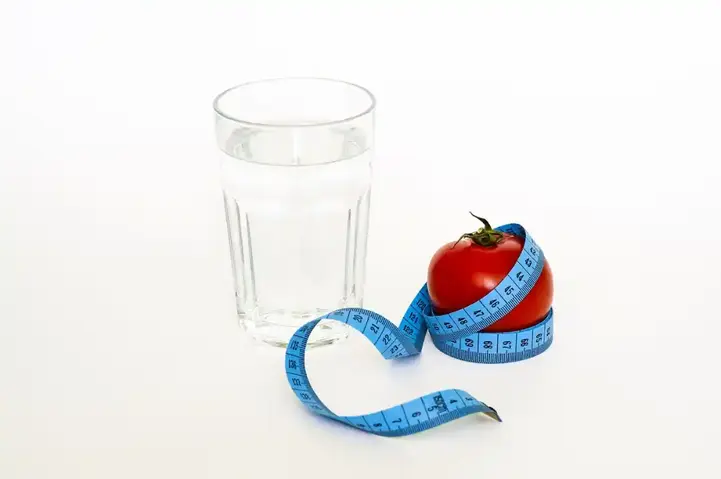
Breakfast kicks off your metabolism and provides energy for the day. Skipping it can lower energy levels, slow your metabolism, and lead to overeating later in the day.
A nutritious breakfast can help regulate your appetite and support your weight-loss goals by keeping you full and active throughout the day.
Fifth mistake: dependence on primitive diets
Diets such as the keto and atkins diet, some superfoods like acai berries, kale or quinoa, and even individual diets such as the grapefruit diet or the cabbage soup diet are always seen as a promising quick and easy way to lose weight. These diets are not sustainable and can lead to nutrient deficiencies.
Sixth mistake: ignoring serving sizes

Even healthy foods can hinder your weight loss progress if you consume them in excessive amounts. Pay attention to meal sizes and practice conscious eating to avoid overeating.
Seventh mistake: not getting enough sleep

Inadequate sleep can have a significant impact on weight loss efforts. It disrupts the balance of key hormones that regulate appetite, leading to increased hunger and cravings for high-calorie and unhealthy foods.
Furthermore, lack of sleep raises stress levels and thus affects your motivation and energy levels, making it difficult to stick to exercise and diet plans.
Mistake Eight: Not getting support from friends or family

Friends and family can offer encouragement and motivation, especially at times when your motivation may diminish. Their positive reinforcement can be a powerful tool to keep you on track.
Friends and family can provide practical support, such as babysitting while you go to the gym, or joining you in making healthy food choices.
Mistake Nine: Ignore strength training while cardio exercises are excellent for burning calories and improving health

Cardiovascular, strength training is just as important as burning muscle tissue more calories than adipose tissue. By increasing your muscle mass through strength training, you boost your metabolism, which can help you lose weight and keep you weight longer.
Tenth mistake: neglecting mindful eating

Mindful eating means being fully aware and present while eating, and without it, it's easy to eat past the full point, especially when you're distracted by TV, computers, or smartphones.
Eating inattention often results in less meal satisfaction, which can lead to snacking or eating more. This is also the reason for the low quality of food, leading to unhealthy food choices.
Eleventh mistake: ignoring liquid and hidden calories
Beverages such as soft drinks, fruit juices, specialty coffees, and alcoholic beverages can be deceptively high in calories. Unlike solid foods, these drinks don't provide a feeling of satiety, making it easy to consume a large number of calories without realizing it.
The calories found in spices such as mayonnaise, creamy sauces, salad dressings, and ketchup can add significant calories to meals.
Even drinks marketed as healthy, such as smoothies or sports drinks, can contain high levels of sugar and calories. Try to avoid these.
Mistake 12: Drink an insufficient amount of water

Water can help control appetite. Sometimes, feeling hungry is actually a sign of dehydration. By drinking water regularly, you can reduce unnecessary snacking or overeating.
Water is also essential for any metabolic processes, as research has found that drinking water can temporarily increase metabolic rate, helping to burn more calories.
Mistake 13: Overestimating the effect of weight training on weight gain

Pay attention when you feel frustrated, you do not see a decrease in balance numbers with weight training, you need to realize that gaining muscle can compensate for weight loss but is beneficial for body composition.
Error 14: Ignoring micronutrients

Focus only on macronutrients (proteins, carbohydrates and fats) and ignore micronutrients, as certain vitamins and minerals directly affect metabolic rates. For example, B vitamins are essential for the metabolism of carbohydrates, proteins and fats. Deficiency can affect the body's ability to convert nutrients into energy.
Minerals such as magnesium and potassium are important for muscle function and recovery, especially if you exercise regularly as part of a weight loss plan.
The fifteenth mistake: focus only on the gym to practice sports
Physical activity should not be limited to the gym. Neglecting daily opportunities for movement, such as walking or cycling, and outdoor games with friends or family, limits overall activity levels and reduces the sustainability of weight loss.
Sixteenth mistake: not modifying plans as needed
Losing weight is not a one-size-fits-all journey. With weight loss, your calorie needs decrease. Failing to adjust the amount of calories you eat while you're thinner may slow or stop progress.
Often, you may experience a period of fatigue caused by various reasons, listen to your body, if you feel excessively tired, it could be a sign of slowing down or making adjustments to your routine.
