


How to become an F1 driver



Formula 1 drivers are engaged in a highly competitive sport that requires a great deal of talent and commitment to have any hope of success. Although it may seem like a dream job, becoming a professional driver requires years of experience and a great deal of financial investment to rise to Formula 1. By knowing the steps required to become a Formula 1 racer, you can comprehensively assess the risks and rewards, to determine if the sport is right for you.
Show key points
- Becoming a Formula 1 driver demands years of experience, exceptional talent, and significant financial investment.
- Attending a racing school is an essential first step to learn the basics of racing and evaluate your interest in the sport.
- Gaining early exposure through kart racing helps young drivers develop competitive skills and build a racing career foundation.
- ADVERTISEMENT
- To progress, aspiring racers must obtain licenses, participate in amateur competitions, and consistently perform well to advance levels.
- Securing a Formula 1 license involves fulfilling specific requirements including age, racing experience, and accumulating race points.
- A successful racing career also depends on attracting team offers and sponsorships, which often involve promotional commitments beyond racing.
- In some cases, drivers finance their own participation in Formula 1 through personal wealth or sponsorship, especially early in their careers.
Step 1 - Learn to drive:

1.Learn at racing school. This is the fastest way to tell if Formula 1 is right for you. It is ideal for older racers who are new to the sport. You'll be able to get behind the wheel of a Formula 1 car and learn some of the basics of racing. During this study, you may have to pay a hefty fee for a few hours of racing knowledge, but it's the least expensive way to gain knowledge about Formula 1 racing before deciding to make a greater financial commitment.
Recommend
2. Registration in the SABAQ program. Such programs will include approximately one to two weeks of advanced classes to hone your racing skills. Since your goal is to race in Formula 1, you'll probably want to choose a school that is accredited by the licensing organization.
3. Get your racing license. Upon completion of the required courses, your school will send a letter of recommendation to one of the race organizers. This license will enable you to register and compete in one of the racing school races.
4. Participate in amateur school races. These beginner-level races are a great opportunity for amateur drivers to showcase their skills and attract the attention of potential sponsors. Some schools hold their own races and even provide you with a car to participate in. You can win scholarships and race points for the next level license.
Step 2 - Ascend the ranks:

1.Try kart racing. This method is the best way for young racers to participate in this sport. Most of the big Formula 1 drivers started kart racing. Buying a kart can be expensive, so for a start you may want to visit your local kart circuits and try them.
2. Obtaining a kart racing license. Some organizations give a license to any beginner who requests it, so that they can start beginner races to learn the sport. To enter more serious races, you will need to continue to apply for higher licenses. You may have to pass a test offered at an accredited school, or demonstrate your proficiency in racing at your current level, before you are allowed to rise to a higher level.
3.Buy your card. If you're going to race you need some wheels. There are different karts for different levels of racing, and you'll probably need to buy or rent several karts before you move to racing cars.
Take part in a race. Achieving good results in racing is a big part of how fast your racing career progresses. The better you perform, the faster you reach the next level. If you're planning to get into Formula 1, you'll need to race as much as you can, always looking forward to taking it to the next level.
Step 3 - Obtain your Formula 1 license:

1. Completed two years in junior single-seat car competitions. Formula 1 requires drivers to have a great deal of experience driving similar vehicles. While there are many potential racing leagues that could be your way to Formula 1, all racers must go through one or more junior levels to move to the top level.
2. Reaching 18 years of age. All F1 racers must reach the age of obtaining a licence. While some young racers are skilled enough to participate in F1, they won't be eligible until they're old. If you're still young, consider gaining more experience in any of the junior single-seat car racing leagues, to add to your race points.
3.Accumulate 40 race points. These points can be earned based on your performance and ranking in junior racing leagues. You must earn 40 points over a 3-year period to be eligible for your Formula 1 driver's license.
4. Driving 300 kilometers in a Formula 1 car. Drivers must complete 184 miles (300 kilometers) of racing in a modern Formula 1 car. You can complete these driving requirements during official pre-season, season, and post-season tests. But the entire part must be completed within 48 hours. In addition, you must complete this test within 180 days before applying for your license.
Step 4 - Racing in Formula 1:
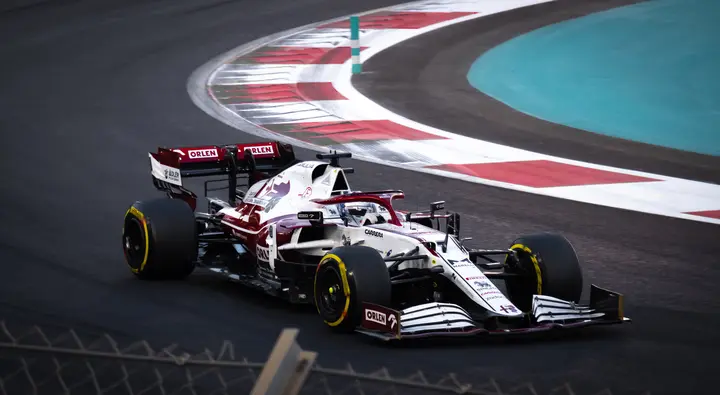
1.Accept a driving offer from the F1 team. If you are performing well as an amateur, an owner may ask you to drive for their team. These teams are often owned by car companies and have their own care to cover the costs. They usually sign contracts with their drivers on a seasonal basis.
2.Get care. Most F1 drivers have sponsors who ask them to do some extra work off the racetrack. To attract sponsors you have to succeed on the racetrack and have a positive public opinion. You may have to appear in the media or do photo shoots for your sponsor, in addition to your work in the ring. Racing is a very expensive sport, so drivers should look for extras to supplement their racing income whenever possible.
3.Pay for driving in Formula 1. Many are drivers who pay money at many levels of motorsport, including Formula 1; instead of being paid by the racing team, the driver uses the sponsorship money he earns, or his personal fortune, to finance racing operations. While this is not practical for most new Formula 1 racers, it is an option if you have the ability to pay for it.
