


From seed to table: tracing the journey of rice and its importance in cooking



Rice is one of the most important agricultural crops in the world, having been an essential part of humanity's food for centuries. Rice has a unique ability to adapt to different regions and climates of the world and is a staple food for millions of people around the world. Tracking the journey of rice from seed to table reflects the complexity of the food chain and the importance of rice in cooking and nutrition.
Show key points
- Rice has been a fundamental crop for human civilizations for thousands of years, with its origins tracing back to ancient Asia.
- The cultivation of rice has evolved significantly over time, incorporating traditional methods and modern technologies like irrigation systems, machines, and genetic treatments.
- From soil preparation to harvesting and drying, the rice cultivation process is a complex and detailed journey that requires significant effort and care from farmers.
- ADVERTISEMENT
- Rice is a versatile ingredient in global cuisines, valued for its ability to absorb flavors and its use in an array of dishes from savory meals to sweet desserts.
- Nutritionally, rice is rich in carbohydrates and essential nutrients like fiber, B vitamins, and iron, making it an important part of a balanced diet and overall health.
- Rice plays a key role in ensuring food security for millions of people, though challenges like climate change and resource scarcity threaten its production and distribution.
- Strengthening agricultural sustainability, improving crop yields, and fostering innovation are crucial steps toward using rice to combat global hunger effectively.
1. History of rice cultivation and its development throughout the ages
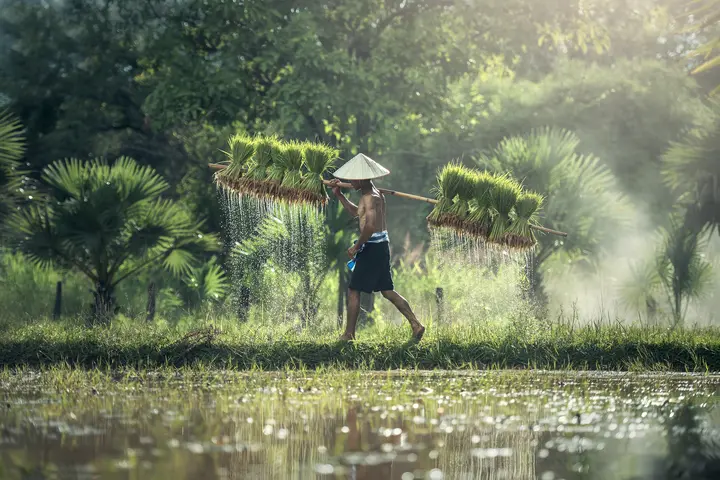
For thousands of years, rice cultivation has been a fundamental pillar of the world's civilizations. The history of rice cultivation dates back to ancient times in the regions of Asia, where it was first cultivated in about the seventh century BC. Since then, rice cultivation has spread throughout the world, and its cultivation techniques have evolved over the ages.
Recommend
Initially, rice cultivation was traditionally done, cultivating in water-immersed lands. With the passage of time and the development of agricultural techniques, various irrigation systems were invented and machines were used in the harvesting process. Plant breeds have also been improved to increase rice productivity and improve rice quality.
Many ancient civilizations played an important role in spreading rice cultivation, such as ancient China and ancient India. These civilizations introduced innovative agricultural techniques, such as the drought farming system in India and the hydroponics system in China.
Thanks to technological development in agriculture, rice productivity has been improved and its resistance to diseases and pests has increased. New varieties of rice have been developed, characterized by various qualities such as drought resistance and increased yields. Modern technologies such as hydroponics and genetic treatment have also been used to enhance rice productivity and improve its quality.
The history and evolution of rice cultivation throughout the ages is a vivid example of man's ability to adapt plants to their environment and improve them to meet their nutritional needs. Rice is not just food, it is a civilizational and cultural heritage that spans thousands of years. As rice cultivation technologies continue to evolve, we can expect further improvements in the quality and efficiency of production of this important crop.
2. The process of growing rice: from seed to harvest
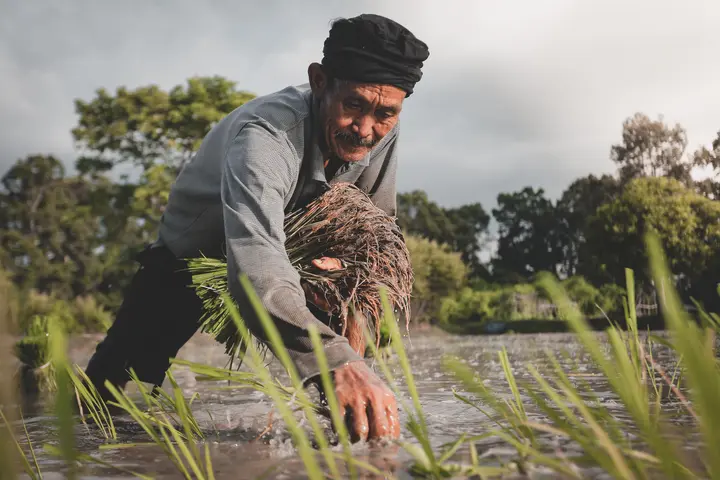
When we eat a meal of delicious and nutritious rice, we may never think about the tedious and complex process involved in growing rice from seed to harvest. It is a process that requires care, knowledge and effort by farmers, with the aim of achieving a rich and healthy harvest.
The process of growing rice begins with the preparation of the soil suitable for planting seeds. The soil requires proper moisture and good deliberation before planting seeds. The land is prepared by traditional methods or using modern technology such as mechanized farming equipment. Seeds are planted evenly and regularly in flat ground or in water fields flooded with mud, depending on the type of rice grown.
After planting the seeds, the rice growth phase begins. Rice needs a large amount of water and solar light to grow properly. Fields are watered regularly to maintain soil moisture and provide plants with the necessary water. Plants need constant care, such as weeding and controlling agricultural pests.
When the rice reaches full growth, it is collected in the harvesting process. Rice harvesting requires the use of special machines called automatic harvesters, which effectively cut and collect the ears. It is preferable to harvest rice on time, as the ears are golden in color and the grains are fully ripe.
After harvesting, the rice is carefully dried to remove excess moisture. The rice is unloaded into flat ground and left to be exposed to sunlight to ensure that it is properly dried. The rice is then cleaned and impurities removed before being stored and packaged for distribution.
From seed to harvest, rice cultivation requires enormous efforts from farmers and peasants. It is a delicate and important process to ensure the harvest of high-quality crops. Understanding this process increases our awareness of the importance of rice in our daily food and enhances our appreciation for farmers and those working in the rice industry.
3. The effects of rice in cooking and the variety of recipes based on it
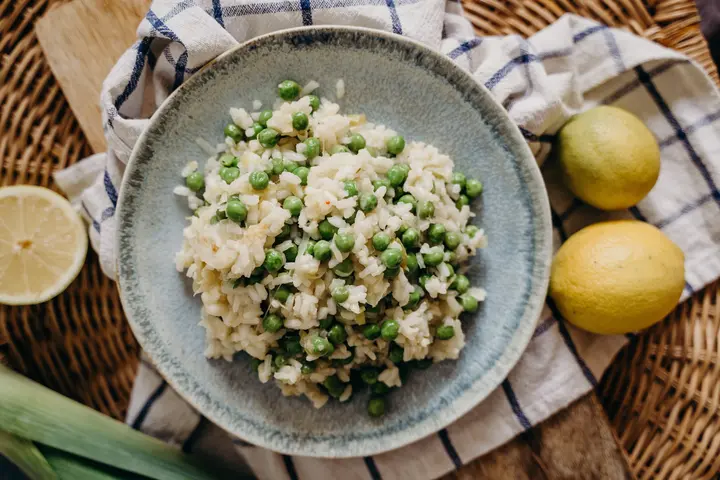
Rice is one of the main ingredients in many food cultures around the world, giving delicious meals a unique flavor and amazing texture. The rice cooking methods are varied and numerous, allowing chefs and home chefs to explore a wide range of flavors and diverse dishes based on these delicious ingredients.
Rice has the ability to absorb the flavors surrounding it, allowing it to be an ideal base for main dishes, sides and soups. In addition, rice can be used in dessert recipes, as it adds a unique texture and flavor to the recipe.
The variety of rice recipes is what attracts many to try them in the kitchens. From fried rice to evaporated rice, rice pudding and Indian rice, there is a wide variety of dishes that can be achieved using rice as the primary ingredient. The multiplicity of rice recipes allows chefs to innovate and experiment, creating unique and delicious culinary experiences.
In addition to the variety of rice-based recipes, this agricultural crop has the ability to integrate with a variety of other ingredients. Rice can be added to meat, vegetables, legumes and spices to create unique and nutritious recipes.
Rice combines cooking flexibility with the ability to absorb flavors, making it an indispensable ingredient in many delicacies around the world. Whether you prefer main courses, soups or desserts, you can enjoy the variety of rice and experience its diverse tastes that enhance your cooking experience and refresh the taste of your dishes.
4. Rice and nutrition: its nutritional value and role in health
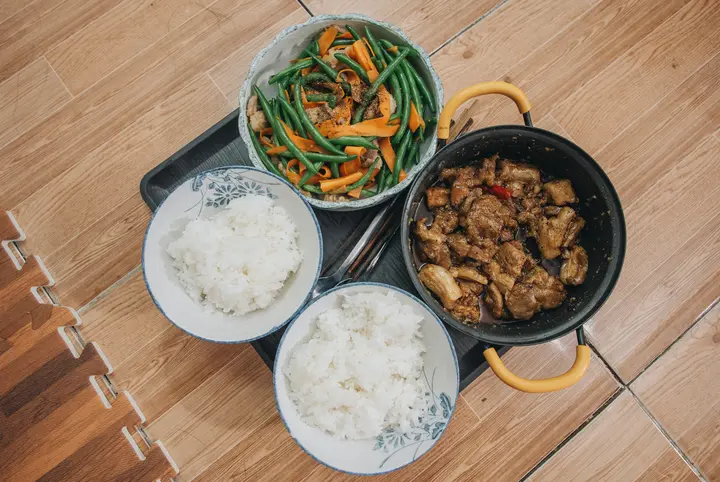
Rice is one of the most important food crops in the world, which provides energy and essential nutrients to humans. Rice has a rich nutritional composition and high nutritional value, and has an important role in maintaining human health and promoting a balanced diet.
First of all, rice is a major source of carbohydrates and is the main source of energy. It is known that the body needs carbohydrates to get enough daily energy to perform life activities and maintain healthy functions. Thanks to its carbohydrate-rich formula, rice is an ideal choice for meeting the body's energy needs.
But rice isn't just a source of carbohydrates, it also contains many other important nutrients. Rice is high in fiber, which plays a vital role in digestive health and the prevention of chronic diseases such as heart disease and diabetes. Rice also contains a variety of important vitamins and minerals such as B vitamins, iron and magnesium, which contribute to maintaining a healthy body.
Thanks to its nutritional value and the various nutrients it contains, rice plays a crucial role in overall health. Rice consumption promotes heart health, diabetes prevention, blood pressure control, satiety and weight management. In addition, rice is a suitable option for people with gluten sensitivity, as rice is completely gluten-free.
It is important to encourage eating rice as part of a healthy and balanced diet. Rice can be eaten in multiple ways and prepared in different recipes, giving the opportunity to enjoy its delicious taste and benefit from its nutritional benefits. Certainly, rice should be consumed in moderation and within the framework of healthy weight regulation and individual nutritional needs.
In the end, rice is an important and delicious addition to the diet, as it contains essential nutrients and contributes to human health. Enjoy eating rice in different forms and make sure it forms part of your healthy diet organization to make the most of its amazing benefits.
5. Rice and food security challenges: tackling global hunger

Rice is an important source of energy and food for much of the world's population, but despite this, millions of people still suffer from hunger.
Problems such as climate change, soil degradation and water pollution are causing the impact of rice production and distribution. We must recognize the magnitude of the challenges we face in ensuring adequate food for global populations, especially in undernourished developing countries.
Although rice is a crop adaptable to different regions and environments, it still requires tremendous efforts to effectively enhance its production and distribution to meet the needs of the population. Agricultural sustainability must be promoted and farmers in developing countries must be trained and supported to increase rice production and improve its quality.
Furthermore, we must develop policies and programs to enhance crop protection and stimulate innovation in agriculture. We must collaborate at the global level to address food security challenges and ensure that rice is available and healthy and accessible to all.
It is clear that rice plays a crucial role in tackling global hunger. Developing the rice sector and enhancing its productivity will contribute to food security and improve the lives of millions of people who depend on rice as their main source of food. We must all strengthen our efforts to achieve our common goal of ending hunger and providing a life of dignity for all.
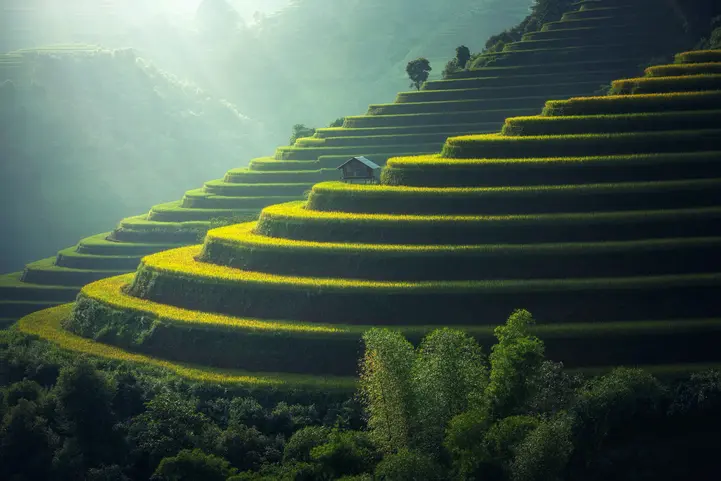
Ultimately, tracing the journey of rice from seed to table shows the importance of this agricultural crop in the world. It provides food to millions of people, promotes dietary diversity, and contributes to human health. Thanks to advanced farming technology and culinary innovations, we can enjoy rice and its many benefits in different forms and flavors.
