


Louvre: explore one of the world's largest art collections



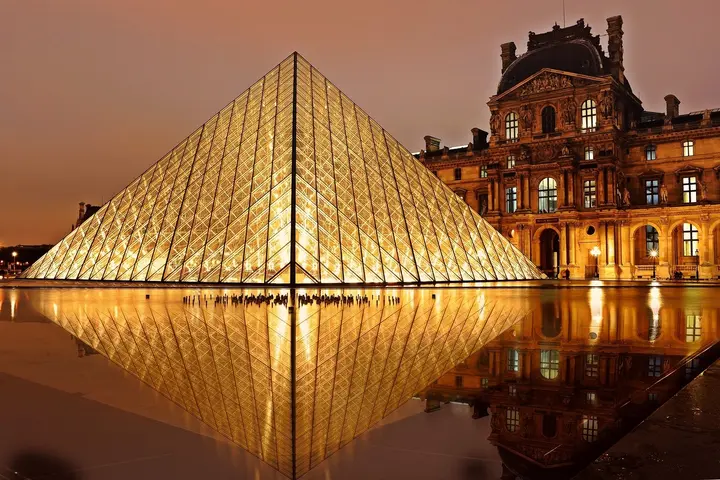
The Louvre Museum in Paris is one of the most prominent cultural landmarks in the world, as it hosts valuable and diverse masterpieces from different civilizations and eras. The Louvre is an ideal destination for art and culture lovers who flock from all over the world to explore this huge art collection. The history and heritage of the museum make it one of the most famous and attractive tourist destinations in Paris.
Show key points
- The Louvre Museum in Paris, once a royal palace, has evolved over centuries into one of the most iconic art institutions in the world.
- Its vast collection reflects the diversity of global civilizations, featuring treasures from ancient Egypt, Greece, Rome, and Islamic cultures.
- The museum not only showcases priceless artworks but also unravels the mysterious stories and hidden meanings behind masterpieces like the Mona Lisa.
- ADVERTISEMENT
- Planning ahead, choosing less crowded times, and exploring with guided tours can greatly enhance the visitor experience at the Louvre.
- Since its transformation into a public museum in 1793, the Louvre has played a crucial role in preserving and sharing world heritage.
- With millions of visitors annually, the museum significantly inspires contemporary artists and promotes intercultural dialogue worldwide.
- The Louvre also embraces digital platforms to make its art accessible globally, fostering cultural appreciation across borders.
1. History of the Louvre: From the Palace of the Kings to the Temple of Arts.

The Louvre Museum in Paris carries with it a long and interesting story spanning thousands of years. The history of this magnificent museum dates back to the Middle Ages, when it was used as a palace for kings. It now embodies a temple of arts that combines history and culture in one place.
Recommend
The Louvre was founded as a palace in the XII century under King Philip II. It was used as a dwelling place for French kings and was known by various names throughout the ages. In the Middle Ages, the palace turned into a defensive fortress before turning to the role of government and administration.
In the sixteenth century, King François I decided to turn the palace into a building used to display art and precious collectibles. Gradually, large art collections were added to the building, including Leonardo da Vinci's famous painting "Mona Lisa". The family of French kings continued to acquire more works of art and expand the building to accommodate them.
In 1793, after the French Revolution, the Louvre was declared a public museum open to the public. Since then, the museum has seen continuous expansion and countless improvements, with new sections and pavilions built to accommodate more magnificent works of art.
Today, the museum has a magnificent and amazing architectural design, reflecting its evolution from a palace of kings to an art temple that attracts millions of visitors annually. Its galleries are famous for hundreds of thousands of unique works of art and historical artifacts spanning through the ages. From ancient Egyptian art and Mediterranean history to Islamic art and precious jewellery, visitors find in the museum an incomparable cultural richness.
2. Distinctive Civilizations: Exploring the cultural diversity of the art collection.
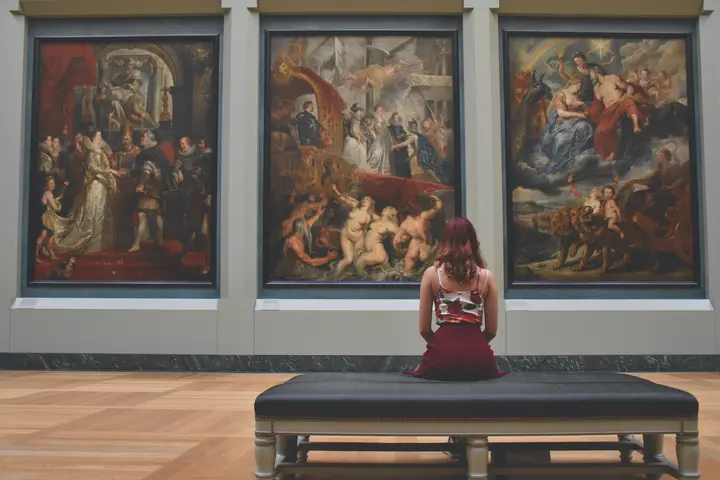
The Louvre's art collection is a reflection of the cultural diversity the world has experienced throughout the ages. From ancient Egypt to classical Greece, from the Roman Empire to Islamic civilization, paintings, sculptures and statues embody many distinctive civilizations that influenced the formation of the world as we know it today.
Entering the Louvre means preparing for an expedition of antiquity and forgotten cultures. You will be surprised by the sheer variety of artifacts on display and the ability of each piece to revive one of the greatest civilizations the world has ever known.
The museum stores millions of works of art that speak of the splendor and grandeur of ancient and modern civilizations. Wander through the halls of ancient Egypt and explore amazing archaeological monuments such as the famous statue of the pharaoh "Ramses II". In addition, you will discover the importance of art in classical Greek civilization through paintings representing Greek mythology and mythological heroes.
The enormous collection of Roman antiquities that prepare for you in the museum's pavilions cannot be ignored. You will find yourself learning about the importance of their temples, amusements and magnificent Roman mosaics that tell stories from ancient history. If you are looking for Islamic art, you will find magnificent masterpieces that reflect the beauty and artistic complexity of this ancient civilization.
3. Stories Behind the Paintings: Uncover Hidden Secrets and Masterpieces.
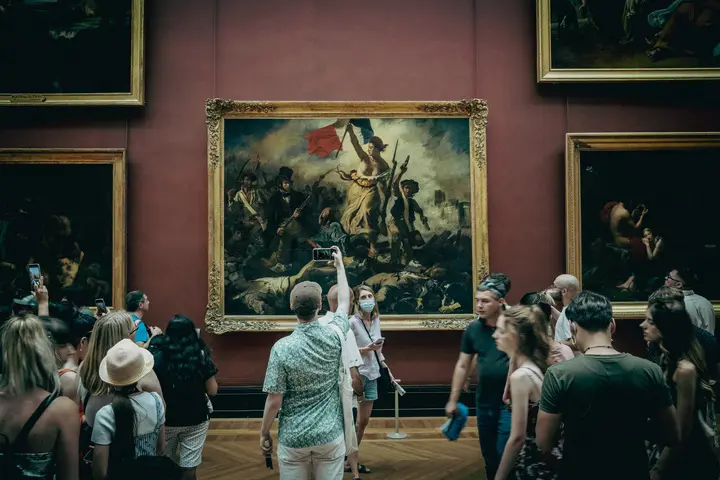
The paintings of the Louvre contain many mysterious stories and exciting secrets that arouse the curiosity of visitors. Not only does the museum display outstanding and stunning works of art, but it also involves the stories behind these paintings that take the visitor on a journey to explore the deepest secrets and hidden masterpieces.
Mona Lisa is a painting known for its symbolism and mystery, as it remains a true identity figure of the woman with a mysterious smile that remains uncertain. Although it was painted in the sixteenth century by the genius Leonardo da Vinci, it still raises questions about the identity of the woman embodied in this stunning painting.
Among other masterpieces exhibited at the Louvre, you find the painting "Golf": a painting depicting the beauty of nature and complete tranquility. Despite its simple appearance, the painting carries deep meanings of balance and inner peace. Interestingly, Goto was known for his unique technique of portraiture, and he applied it in this painting creatively.
After more than a century and a half of concealment, the painting "Kodishya" was discovered in 1999. This painting is one of the most important works of the Italian artist Leonardo da Vinci. It is thought to depict a young woman holding roses, but there is also an interesting story behind this painting that concerns the hidden and mystery.
Artwork at the Louvre may include stories that reflect different world cultures such as Chinese Zhaozhou and Egyptian pharaonic art. It enables the visitor to enjoy the precious collectibles and learn about the techniques used to make these amazing works.
Visitors to the Louvre can enjoy uncovering the secrets and masterpieces hidden behind these paintings, where they can explore deeply and discover the emotional, historical and cultural stories that bring together these magnificent works of art.
4. Experience Exploration: What you should know before visiting the museum.

If you are planning to visit this magnificent museum, it is essential to be prepared to enjoy maximum benefit and exploration. Here are some important information you should know before going:
1) Preparation and planning: It is advisable to plan the visit in advance and look at the museum's map to find out the locations of the main artworks and collections that interest you. Download the official Louvre app for detailed information on artworks and their locations.
2) The right time to visit: Try to avoid busy times, as the museum is quieter during weekdays and in early morning or late evening times. You will enjoy a more comfortable and focused experience on artwork.
3) Guided tours: The museum holds guided tours that you can join to take advantage of additional information and cultural details about the artworks. You may need to reserve seats in advance to ensure availability.
4) Knowledge of famous exhibits: The museum houses famous works of art such as Leonardo da Vinci's "Mona Lisa", "Assyrian Hamra Texts" and many other precious pieces. Make sure you know the famous exhibits you would like to see and plan your visit accordingly.
5) Communicate with staff: If you have any questions or concerns, feel free to ask the staff at the museum. They have knowledge and experience in the field of art and can help and guide you to a better experience.
A visit to the Louvre will undoubtedly be a magical and amazing experience that will transport you through time and art. Prepare well and enjoy the exceptional artifacts and immense cultural heritage that this magnificent museum has to offer.
5. Global influence: The Louvre and its role in enriching world art and culture.
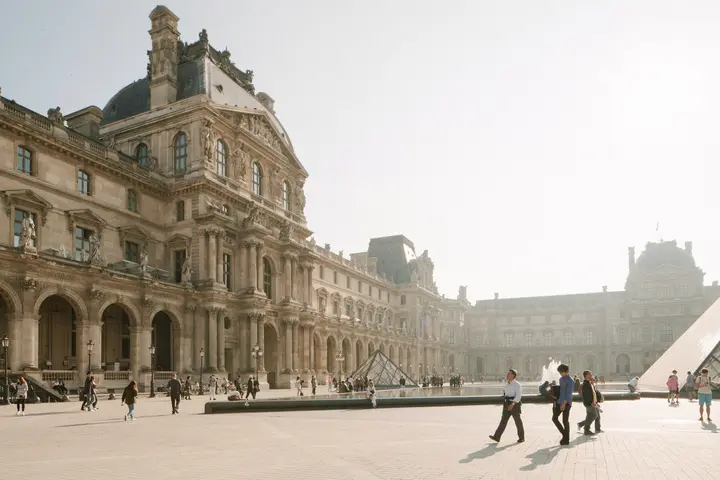
The Louvre's global influence began to be a record since it opened its doors in 1793, displaying monumental works of art from all civilizations and eras. The museum has an exceptional ability to attract and inspire artists, creating great creative effects. For example, Mona Lisa is one of the most famous works of art in the world and has inspired many artists throughout the ages to create their own paintings.
By reviewing the history of art at the Louvre, we can also witness its influence on world culture. Visitors to the museum are exposed to different civilizations, traditions and cultural aspects, and this deepens their understanding and appreciation of the ancient cultural diversity that the museum has to offer. For example, we can see the ancient artworks of ancient Egypt, ancient Greece, Roman, the Near East and many other civilizations, and this stimulates learning and critical thinking about the ancient and present world.
We must also not forget the vital role that the Louvre plays in bringing access to art and culture for audiences around the world. Through numerous educational and cultural initiatives, the museum enriches knowledge and promotes a global understanding of art and culture. Thanks to modern technology, the global audience can access and explore the museum's artworks online, promoting cultural exchange and openness to the world.
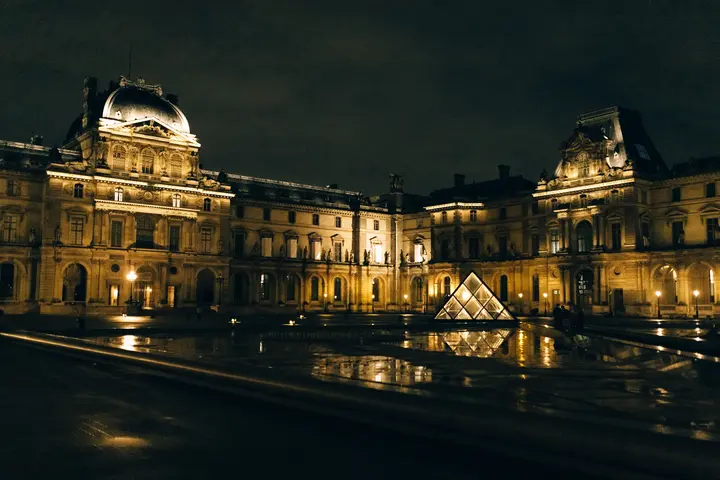
In the contemporary world, the Louvre stands as an important historical witness to the development of human art and culture. This huge museum opens its doors to the public in order to explore the world of art, history and civilization in a unique and enjoyable way. Visiting the Louvre is an unforgettable experience for all art and culture lovers, where they can admire outstanding works of art and learn about ancient and modern civilizations through a diverse and multicultural group.
