


Squirrel nut lair: hidden treasure or hoarding obsession?



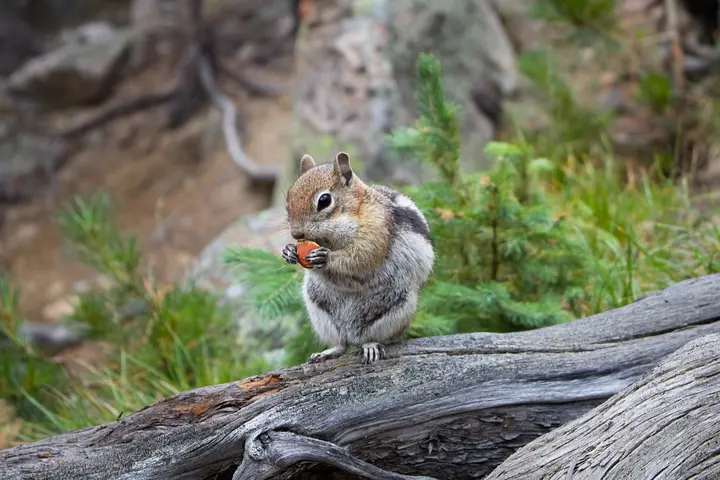
The nationality of the squirrel nut is one of the most discerning and savvy in the world of hideouts and stealth. They can hide their food in secret and complex underground bunkers or in places high in trees. As winter approaches, the behavior of the squirrel nut changes and begins to collect huge amounts of food and store it in its bunkers. While this is considered normal behavior for wild species, some individuals call this behavior "hoarding obsession." In this article, we'll explore whether this hoarding is really an obsession or a hidden treasure owned by a squirrel nut.
Show key points
- Squirrel nuts exhibit exceptional intelligence and cunning in creating well-camouflaged bunkers for storing food, utilizing their natural skills and environmental awareness.
- Their food caching behavior, often mistaken for hoarding obsession, is in fact a strategic and survival-driven instinct honed through evolution.
- By forgetting some stored seeds, squirrel nuts unintentionally aid in plant regeneration and biodiversity, playing a crucial role in ecosystem sustainability.
- ADVERTISEMENT
- Climate change, pollution, habitat destruction, and competition from predators and other species pose significant threats to the squirrel nut’s ability to store and protect its food.
- The body of the squirrel nut, including its seasonal fur color changes, contributes to its survival by enhancing its camouflage against natural predators.
- Scientific and medical research can benefit from studying the squirrel nut’s bunkers, which harbor unique microorganisms and nutritional samples.
- While environmental and human influences can alter squirrel nut behavior, their food storing remains a natural adaptation, not necessarily an abnormal obsession.
Squirrel nut: expert in the art of hiding and camouflage
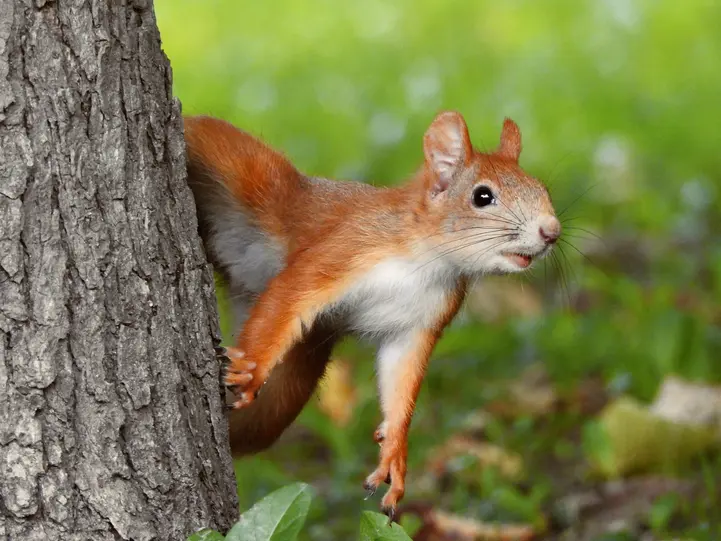
The squirrel nut, this small creature with thick hair and a brushtail, is a true expert in the art of hiding and camouflage. He has unique skills that help him stay undiscovered and protect his precious hideout. When the massive food gathering season comes, the squirrel nut begins to search for safe bunkers to store its food and begins the process of hiding and camouflaging that amazes the minds.
Recommend
This process begins with locating the future lair, where the squirrel nut chooses places that provide optimal protection and coverage. These bunkers can be under trees, in rocky heights or even in land pockets. The squirrel nut uses its sharp sensing skills to choose the perfect place where it can safely reach and keep its food.
But the real art of hiding a squirrel nut lies in the way the bunker itself is disguised. It covers the bunker opening with leaves, twigs or straw, making it blend perfectly with the surrounding environment. In addition, other materials such as dirt or moss may be used for further camouflage. Thanks to this delicate effort, it is difficult for the eyes of predators to detect the caches of the squirrel nut, and therefore its food is protected from theft or spoilage.
The art of hiding and camouflaging a squirrel nut is not limited to bunkers, but also extends to its body. The squirrel nut has a fur color that matches its environment and gives it extra camouflage. The color of the squirrel nut fur may change as the seasons change to match the surrounding colors. In summer, its fur is darker to match the colors of trees and dry soil, while in winter its color fades to match the snow-white.
In the end, the squirrel nut is truly an expert in the art of hiding and camouflage. He uses his innate skills and adaptation to the environment to keep his bunkers and food safe. The squirrel nut may not be just a small animal, but an artist who transforms us into a living painting that tells the story of intelligence and innovation in the wildlife world.
Does squirrel nut's obsession with hoarding reflect innate intelligence or is it just instinct?
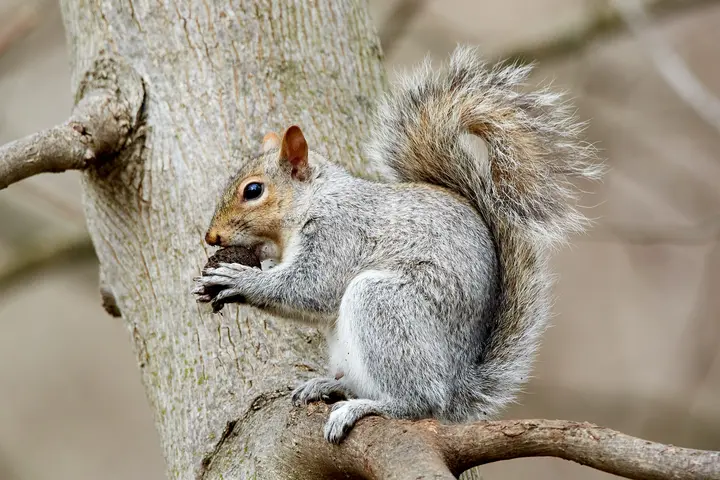
In the animal world, the squirrel nut is known for its ingenuity and cunning in hoarding food, which may be considered by some to be an obsession. But is this hoarding just a biological instinct to which the squirrel nut nationality responds, or does it reflect a high innate intelligence at the level of strategic instinct that makes it have the best ways to store food?
When a squirrel nut begins to collect food and store it in its stubborn bunkers, this behavior can be seen as the result of an instinct stemming from its wild nature. But when we observe the variety and mastery of the details of its caches and storage methods, it is difficult to ignore the genius of the squirrel nut in this work.
The ability of the squirrel nut to choose the right locations for its hideouts and the use of sophisticated sealing techniques shows how smart and strategic it is. It manipulates trees, branches and soil to create bunkers where food is safe from weather and potential enemies. Not only does a squirrel nut store large amounts of food, but it also manages to remember where each of the thousands hides, and big numbers make no sense to them.
It can be said that the hoarding of squirrel nuts for food is not just a fleeting or disturbed instinct. It already reflects a high innate intelligence that is the product of millions of years of evolution. His ability to choose perfect bunkers and store vast amounts of food reflects an elaborate use of skills and tactics to survive. We must respect and appreciate this infernal hoarding and encourage it in maintaining ecosystem balance and its clever approach to providing food for winter and beyond.
The versatility of storing food in squirrel nut bunkers and its impact on plants and the environment
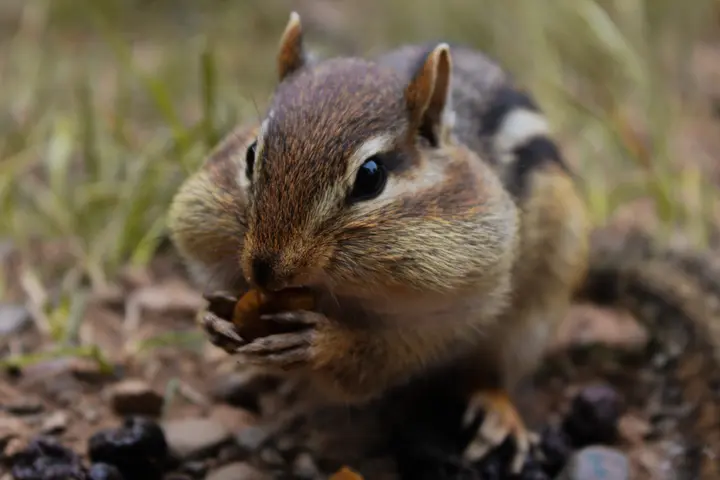
In a small world full of trees and colorful leaves, the squirrel nut lives an amazing life that defies imagination. But another striking aspect of these tiny creatures is their ingenuity in storing food in their secret bunkers. The squirrel nut meticulously chooses a safe place where to hide its food with unparalleled intelligence and cunning. But what is the real role of this behavior in the ecosystem and surrounding plants?
When a squirrel nut stores food in its hiding places, it leads to several positive effects on plants and the environment in general. When a squirrel nut forgets some grains underground or in high places, it turns into a golden opportunity for new plants to grow. The seeds that the squirrel nut keeps in their hiding places act as small grain reservoirs and have ideal conditions for germination and growth.
In addition, the squirrel nut collaborates in redistributing the seeds of various trees in the area where it lives. When a squirrel nut collects seeds and stores them in their hiding places, they may forget some or can't use them later. Thus, it leaves these seeds to grow and contributes to the expansion and diversity of forest area.
It is worth noting that the plant seeds that come out of the squirrel nut caches are rich in nutrients and nutrients, which increases their chances of thriving and growing healthily. This means that the squirrel nut not only stores food for itself but also contributes to the care and nutrition of surrounding plants.
So, through their prowess at storing food and redistributing seeds, squirrel nuts play a vital role in maintaining ecological balance. It is a food chain based on plant seeds and squirrel nuts and carries with it complex interactions that contribute to biodiversity conservation and ecosystem health.
Challenges faced by squirrel nuts in maintaining their caches and food
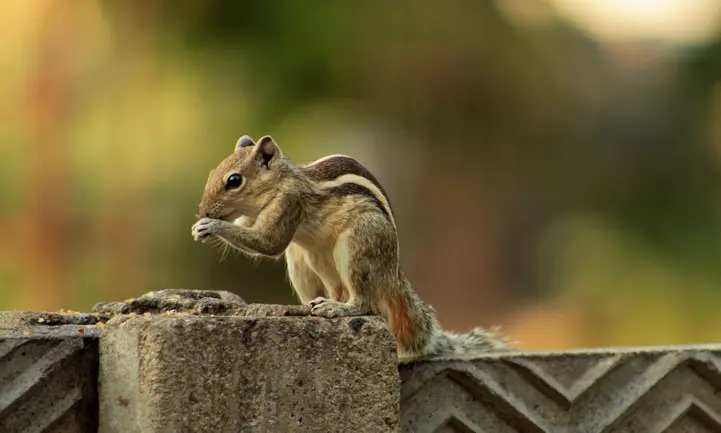
Challenges a squirrel nut faces in maintaining its bunkers and food: Life in the wild is full of challenges and obstacles that the squirrel nut must overcome to maintain its hideouts and food. The complex bunkers built by the squirrel nut face constant threats from external factors and harsh nature. Among the most prominent challenges that squirrel nuts may face in this regard:
1. Environmental poisoning: Pollution levels in the environment are increasing day by day, and this threatens the health of the squirrel nut, its quality of life and its ability to thrive. Harmful chemicals that circulate in nature can negatively affect the food stored in its hiding places and may cause spoilage or even death.
2. Climate changes: The planet is experiencing dramatic climate changes, affecting the moderation of seasons and the natural patterns of food plants on which the squirrel nut depends. Changes in temperature and rainfall may lead to changes in food availability and are an additional challenge to their nutritional needs.
3. Compete with other animals: In their common environment, all animals compete for limited natural resources. Squirrel nuts are forced to compete with many other animals, such as birds and rodents, for food, water and suitable spaces to establish their hideouts. This poses an additional challenge to keeping their hiding places and preserving their food.
4. Human destruction of natural habitats: The human destruction of forests and natural areas causes the space available for squirrel nuts to shrink to create their hideouts. In addition, the expansion of human infrastructure and the use of land for other purposes may disperse and disintegrate squirrel habitats and make it difficult to preserve their hiding places.
5. Extinction of plant species: The plants surrounding the squirrel nut are their source of food, but with the extinction of some plant species, the availability of food on which it depends declines. This forces the squirrel nut to seek alternative food sources, increasing its challenges in maintaining its food and bunkers.
6. Attacks from predators: Squirrel nuts are exposed to many predators such as snakes, other squirrels and birds of prey. Securing their hideouts and protecting their food from potential attacks is therefore an additional challenge.
Despite these great challenges, the squirrel nut remains creative in devising new ways to overcome them and preserve their hideouts and food. They represent a great example of perseverance and resilience in survival in environments that require constant adaptation and the search for new and innovative solutions.
The benefits of hoarding squirrel nuts and their impact on the ecological balance
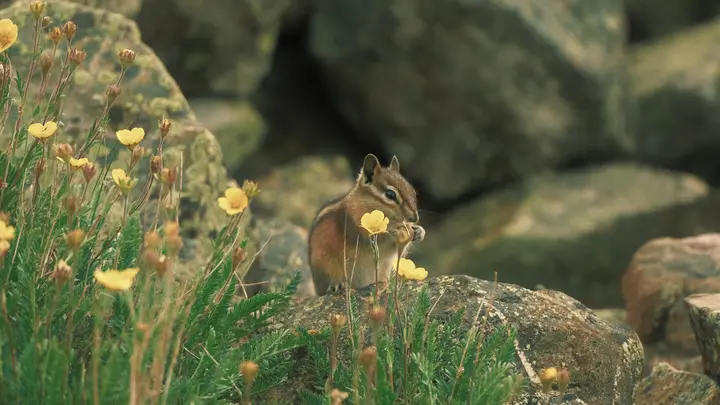
The squirrel nut, this intelligent and intelligent little animal, is not only a master of the art of hiding and camouflage, but also has secret hideouts containing priceless treasures. These complex bunkers contain wondrous structures and food stored in large quantities, and these caches may have a lot to offer for scientific and medical research. Here are interesting and little-known details about the use of squirrel nut hideouts in these diverse fields.
First, it turns out that squirrel nut caches can provide an ideal environment for microorganisms to live. These dark, protected bunkers provide an ideal environment for the formation of communities of bacteria, fungi and small insects. These microcommunities can be an important source of scientific research in the fields of biology, evolution and environmental dynamics.
Second, squirrel nut caches can be used to understand and analyze the nature of food. Squirrel nuts store different types of food, and one of them may have special properties that give it many health benefits. Studying the ingredients of foods stored in squirrel nut caches may offer a unique new insight into nutrition and medical treatments.
Third, squirrel nut caches can be used to study the impact of climate change on animals and plants. Thanks to the accuracy of the squirrel nut's sense of locating its bunkers and storing food, it can be used as a biomarker for estimating the impact of climate change on food distribution and normal life.
Fourth, squirrel nut caches can be a source for exploring natural remedies. Stored squirrel nut food may contain natural substances that have powerful healing properties, whether as anti-inflammatory, antioxidants, or even anti-cancer agents.
Finally, squirrel nut hideouts reveal precious secrets that can be exploited in scientific and medical research. If efforts and investment are directed at studying and making better use of these small bunkers, new discoveries and innovative medical treatments could result. Therefore, preserving the environment of the squirrel nut and protecting its hideouts can have a significant impact on the advancement of science and medicine.
Can squirrel nut obsession with hoarding turn into an abnormal phenomenon?
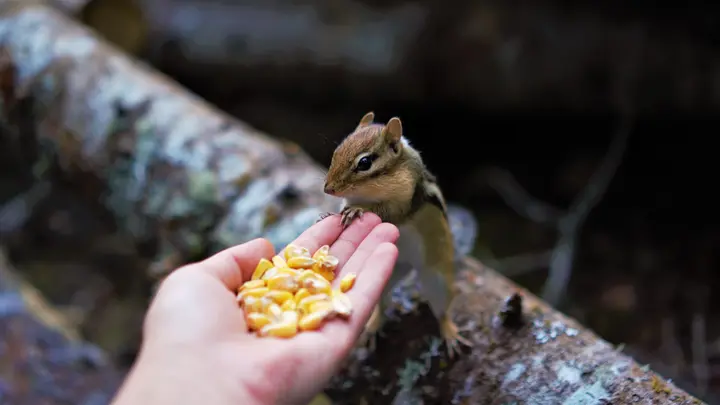
In the animal world, squirrel nuts are wonderful fungal creatures that are intelligent and savvy in storing their food for the winter. However, some may wonder if this unique behavior of a squirrel nut tends to turn into an obsession or an abnormal phenomenon.
The hoarding of a squirrel nut is not a strange act, but a natural consequence of its own instincts and its need to prepare for the long winter period. This species is a mammal that lives socially and collaborates in building its hideouts and sharing resources. However, external circumstances can affect this usual behavior and make it seem less normal.
In modern times, climate change and habitat destruction can have an impact on the behavior of squirrel nuts. They may find it difficult to find adequate food resources or to build strong, safe bunkers. This can lead to food stacking in inappropriate places or storing it in abnormal quantities. It is possible that this extraordinary behavior is the result of the stress that the squirrel nut is exposed to as a result of environmental changes.
Furthermore, humans can cause abnormal interference in the behavior of squirrel nuts. For example, some may feed them with huge amounts of food, increasing their dependence on humans rather than their wild nature. This may primarily lead to changes in their behavior and overdependence on humans.
Although these conditions can make squirrel nut behavior seem abnormal, it is essential to understand that they are natural consequences of environmental challenges and multiple human interventions. Therefore, it is important that we treat this nationality with caution and respect, and strive to preserve its independence and wild nature.
In the end, we must realize that the squirrel nut's obsession with hoarding is only a natural way to help them survive and thrive in the wild. However, we should also be wary of the influences of humans and the environmental changes that cause their behavior to change. Only by maintaining the balance of nature and protecting their natural resources can we ensure the continuity of the existence of a squirrel nut as an essential part of our ecological heritage.
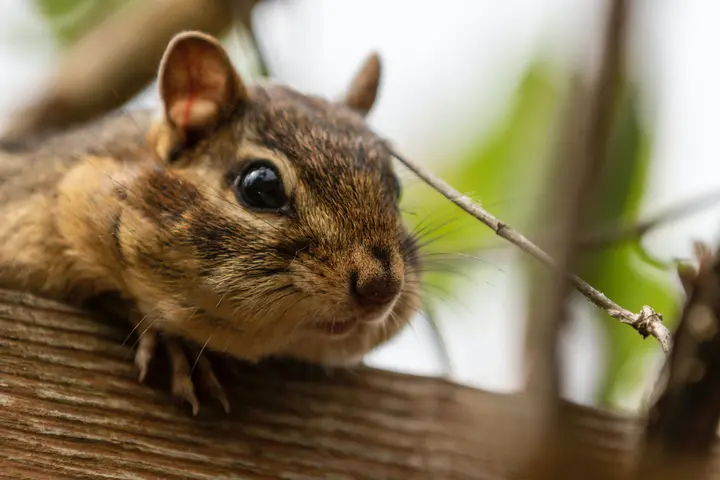
Given the ingenuity and intelligence of the squirrel nut in hiding and storing its food, it is clear that this behavior is not just an obsession, but a vital strategy that contributes to the survival of this nationality and maintains the balance of the ecosystem. However, squirrel nuts may face many challenges in maintaining their hideouts and food, especially in light of climate change and environmental destruction. Therefore, we must appreciate and protect this amazing nationality and her efforts in keeping her hidden treasure amidst the beautiful wilderness.
