


Porcelain Art: From Ancient Pottery to Contemporary Sculpture


Porcelain is an art that dates back to ancient centuries, when pottery was used to produce utensils and household items. Over time, this art has evolved into an art known for its intricate sculpture and decoration. Today, porcelain is an integral part of the heritage of many cultures around the world, and contemporary sculpture has made a major breakthrough in the art world. In this article, we will explore the evolution of ceramic art from ancient pottery to contemporary sculpture.
Show key points
- Ceramic art dates back thousands of years and originated in ancient civilizations such as those in China, India, and the Middle East.
- Over time, porcelain evolved from practical household pottery to intricately decorated and sculpted artistic expressions.
- Various production techniques like wrought dough, mold casting, hand-carving, and sintering have helped artists craft porcelain pieces with precision and creativity.
- ADVERTISEMENT
- Ancient ceramics featured detailed motifs inspired by nature, mythology, and culture, providing insight into the civilizations that created them.
- Contemporary ceramic sculpture embraces modern technologies like 3D printing and innovative materials to push the boundaries of artistic expression.
- Ceramic art plays a vital role in preserving cultural identity and fostering exchange between different global traditions.
- Today’s artists continue to honor the heritage of ceramics while using it as a dynamic medium for personal and cultural storytelling in modern art.
1. The origins and history of ceramic art
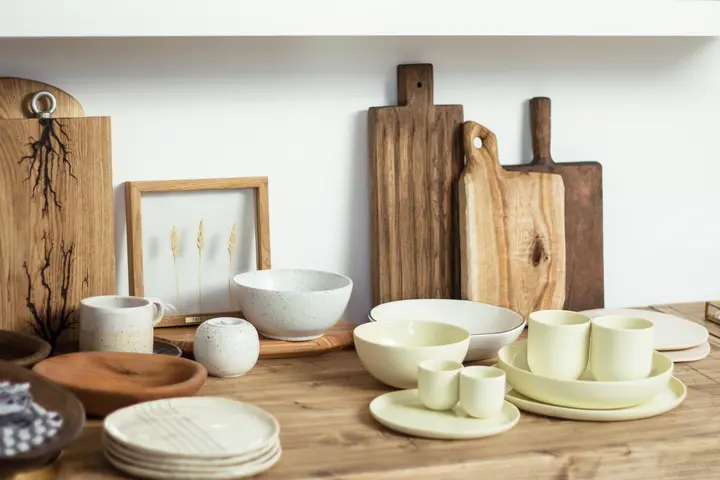
The art of ceramics has very ancient origins, as pottery has been used for thousands of years to produce utensils and everyday utensils. The history of this art dates back to ancient times, specifically in the Middle East, China and India. The art of ceramics has evolved through the ages, and its techniques and knowledge have been transmitted from one civilization to another. The civilizations of China and India are among the most prominent cultures that influenced the development of ceramic art.
Recommend
Porcelain in China is one of the oldest forms of art, dating back more than 10,000 years. Porcelain was initially used to make household utensils and utensils, and was distinguished by exquisite decoration techniques and bright colors. In the period from the Han dynasty to the Tang dynasty, porcelain art underwent a huge development, as new methods of painting and decoration were developed, and new colors and innovative techniques were used.
In India, ceramics flourished in prehistoric times, producing pottery in different shapes and sizes. The pottery of India was distinguished by its appreciation for the fine details and exquisite decorations. The art of ceramics has evolved in India over the ages, with techniques becoming more complex and drawings more unique.
In addition to China and India, ceramics flourished in many cultures around the world, such as Islamic, Greek, Japanese, and Korean. Thanks to trade and cultural exchange, ceramic techniques and styles spread to different regions, affecting the development and diversity of art.
In this way, ceramics is a symbol of cultural heritage, carrying with it a rich history of creativity and development. Today, this ancient art is valued and respected by many artists and communities around the world, who work hard to preserve its heritage and pass it on to future generations.
2. Production and forming techniques in ceramic art
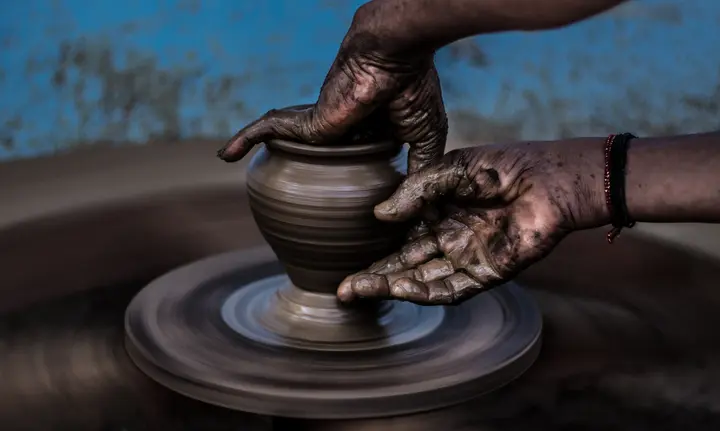
Production and shaping techniques are essential elements of ceramic art, playing a crucial role in creating exquisite art pieces. Artistic porcelain production requires a wide range of skills and techniques that artists learn over time.
One of the famous technologies in the production of porcelain is the method of wrought dough. This method is based on the formation of the piece using soft and soft dough. Pressing and manipulations with the paste are applied in different ways to create the desired shape. This method is suitable for the production of pieces of large and complex shapes.
On the other hand, the mold method is a common technique for the production of porcelain. This method involves making a mold out of the appropriate material, such as gypsum or silicone, and then pouring the liquid paste into the mold. The dough is left to dry and harden before removing the mold to reveal the finished piece. This method makes it possible to produce several pieces of the same shape and size.
In addition, the technique of masterpiece is also common in porcelain art. This method is based on forming the piece by hand using tools such as knives and other small tools. Artists resort to this method to add subtle details and engravings to the art pieces to enhance their beauty.
Finally, the sintering technique is also used in the production of porcelain. This method is based on stacking pieces made of porcelain and then fixing them using layers of various thin clay paste. This method gives porcelain additional strength and durability, as well as enabling artists to add three-dimensional details to the art pieces.
Using these diverse techniques, artists in our modern era can produce magnificent pieces of art that reflect the ancient heritage of ceramics and express their unique artistic vision. These techniques enhance the beauty and complexity of ceramics, enabling artists to create exceptional works of art that inspire people and evoke passion and admiration.
3. Decoration and details in ancient porcelain
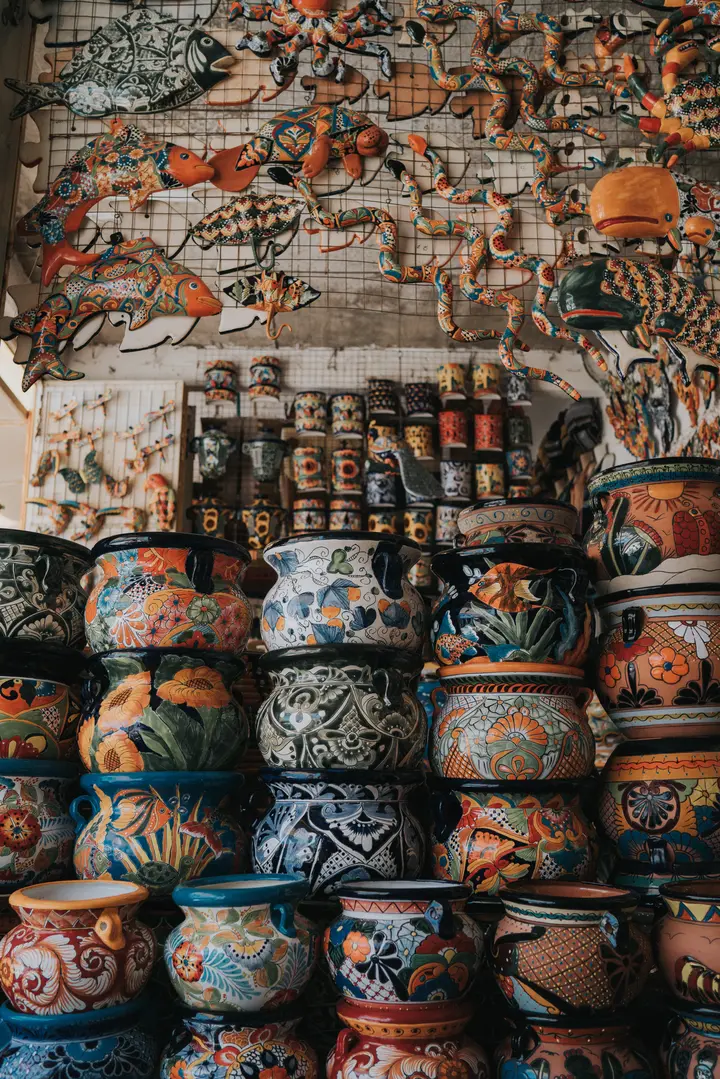
In the ancient world of ceramics, decoration and detail are an essential part of the design and production of pottery. Ancient porcelain is considered a miracle in terms of fine details and beautiful decorations that adorn the pieces. Motifs are used in ancient ceramics to enhance the beauty of the pieces and highlight the heritage and culture to which they belong.
The motifs used in ancient ceramics include a wide range of nature-inspired elements, such as plants, animals, and geometric shapes. Various techniques are used to create these motifs, such as engraving, engraving, and coloring in bright colors.
The motifs and details of ancient ceramics reflect artistic skill and creativity that transcends centuries. It forms the foundation of contemporary ceramic art and an inspiration to many artists and craftsmen around the world. These motifs enhance the beauty and artistic value of ceramic pieces and tell stories about ancient civilizations and the cultures that spawned them.
In addition, motifs and details in ancient ceramics are a source of inspiration for many contemporary artists. They draw inspiration from these motifs to bring beauty and complexity to their modern artwork. Artists try to preserve and honor this ancient tradition by adding their unique and modern touches to the decorations and details.
A famous example of decoration and detail in ancient porcelain is traditional Chinese porcelain. Chinese porcelain is distinguished by its unique designs and fine details that reflect Chinese civilization and heritage. Motifs and details were used to depict gods, dragons, roses and other animals in elaborate styles. This porcelain is considered one of the most famous ceramic arts that has influenced other cultures around the world.
4. The development of sculpture in contemporary ceramics
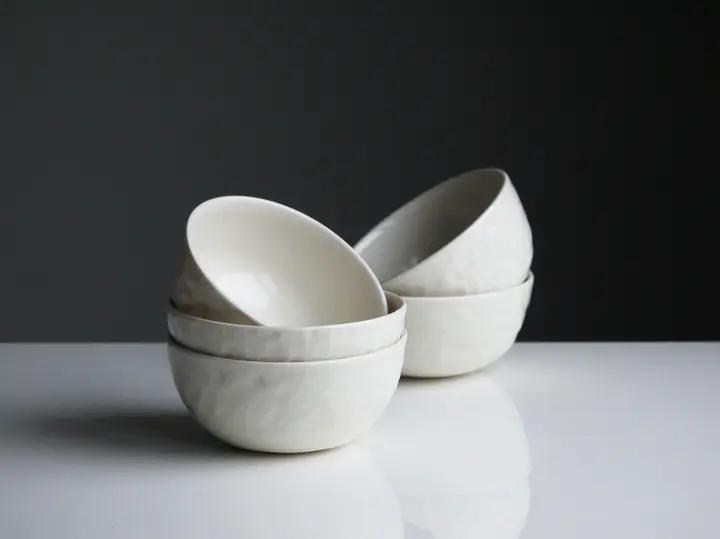
Contemporary arts are witnessing a constant development and renewal of ceramic sculpture techniques. Porcelain has been used as a medium of artistic expression since ancient times, but in modern times, ceramic carving techniques have seen significant improvements and an innovative use of materials and tools.
Sculpture in contemporary ceramics began with the application of new techniques of shaping and shaping, allowing artists to express their thoughts and feelings in an innovative and unique way. Some artists use sophisticated technological tools such as three-dimensional printers to create contemporary pieces of porcelain art. This innovative use of technology allows artists to achieve subtle details and complex shapes that cannot be achieved by traditional composition methods.
In addition to technology, artists have also used new and unconventional materials in contemporary ceramics. Artists experiment with material compositions and manipulate their properties to achieve unique artistic effects. Metals, glass, fibres and different colors were used to blend with traditional porcelain materials to create exquisite pieces of art that combine traditional porcelain and modern times.
Artistic styles in contemporary ceramics also developed in the field of decoration and detailing. Techniques such as engraving, engraving, printing and embroidery were used to give the pieces a unique artistic character. Artists are keen to show the fine details and add intricate dimensions and engravings to modern ceramics, making it live up to prestigious pieces of art.
The development of sculpture in contemporary ceramics reflects a radical shift in the styles and techniques used. Artists exploit technological techniques and new materials to create unique pieces of art and a modern reflection of traditional ceramic art. Through this development, ceramics continue to evoke creativity and renewal, contributing to the preservation of this ancient art and making it interact with the modern era in a wonderful and surprising way.
5. The influence of ceramic art on world culture
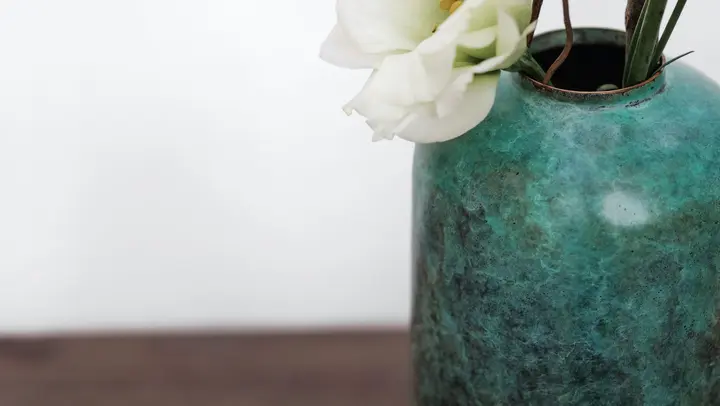
Ceramics are an integral part of the history of different cultures around the world and have significantly influenced world culture. The history of ceramics spans thousands of years and therefore represents a powerful cultural heritage that transcends time and space. Ancient ceramic pieces are a testament to past civilizations and give societies today a spirit of heritage and belonging.
Porcelain techniques and styles vary around the world, reflecting the heritage and culture of each region. From ancient Egyptian pottery to fine Chinese porcelain, each style has its own unique characteristics and techniques. The art of ceramics reflects the cultural traditions and values of peoples, and gives an opportunity for intercultural communication and exchange of experiences.
In addition, porcelain has the ability to transform and evolve with the ages. Contemporary ceramic art has evolved into a modern and innovative medium of expression, where modern artists use new techniques and unconventional materials. Contemporary ceramic art allows artists to express their artistic ideas and orientations, thus contributing to the development and diversification of the global art scene.
Thanks to this broad influence, ceramic art provides an opportunity to understand world culture and heritage. Inspired by traditional and contemporary ceramics, artists and designers can innovate and create unique pieces of art that embody their cultural heritage and personal artistic expression. The art of ceramics promotes cultural understanding and rediscovers the cultural identity of peoples, leading to the promotion of cultural unity and diversity at the global level.
So, it can be said with confidence that ceramic art has a significant impact on world culture. He carries with him the spirit of creativity, personal expression and cultural communication. Porcelain art is a symbol of world cultural heritage and a force that combines authenticity and modernity in inspiring and surprising pieces of art.
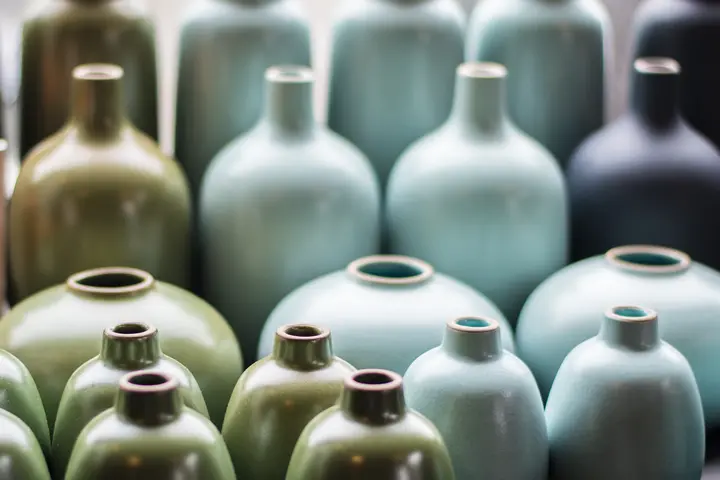
In conclusion, it can be said that the art of ceramics carries with it a long history of creativity and development. Since ancient times, pottery was an essential part of people's lives, and later turned into an art that reflected the heritage and culture of different peoples. Sculptural techniques and decorative methods have evolved to become more complex and unique in modern times, and artists today have used these techniques to express their thoughts and feelings in innovative and stunning ways. Thanks to these artists, this ancient art is preserved and promoted, transformed into a contemporary work of art that inspires everyone.
