


Gluten Free Foods: A Guide to Wheat-Free Baking



Gluten-free foods are an important healthy option for people with gluten sensitivity or related diseases such as gluten sensory nerve disease. Among these important foods, wheat-free bread comes first. Finding wheat-free bread can be a challenge for some people, as they want to enjoy the delicious bread experience without experiencing the negative symptoms caused by wheat. Therefore, our guide comes here to help you choose wheat-free bread in an easy and satisfying way.
Show key points
- Gluten is a protein found in wheat, barley, rye, and oats that can trigger severe digestive and health issues for people with gluten sensitivity or celiac disease.
- Avoiding gluten is crucial for individuals with gluten-related conditions to prevent symptoms like abdominal pain, nutrient deficiencies, and poor digestion.
- Eating gluten-free foods can lead to better digestive health, improved energy levels, and even enhance mental well-being in those who are sensitive to gluten.
- ADVERTISEMENT
- When shopping for wheat-free bread, it's essential to carefully read product labels, look for "gluten-free" or "wheat-free" certifications, and check for specific allergen indicators.
- There are various delicious wheat-free bread alternatives available in the market, like brown rice bread, cornbread, potato bread, and sorghum-based bread.
- Making wheat-free bread at home is a practical and healthy option that involves using alternative flours, egg substitutes, and gluten-free ingredients.
- With modern advancements and increased awareness, enjoying tasty and nutritious bread without gluten is easier than ever for people with dietary restrictions.
1. What is gluten and why should it be avoided?
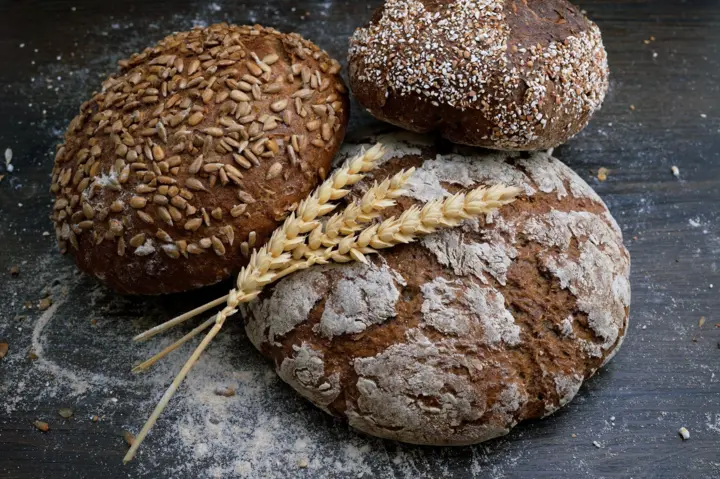
Gluten is a kind of powerful protein that is found in grains of wheat, barley, rye and oats. Gluten is an essential ingredient in making bread, as it gives the dough elasticity and firmness. However, some people are allergic to gluten, and this sensitivity is called gluten sensitivity or celiac disease. When eating gluten, sufferers experience gastrointestinal irritation and common symptoms such as abdominal pain, nausea and diarrhea. In addition, people with celiac disease experience poor nutrient absorption, leading to nutritional deficiencies and other health problems.
Recommend
Therefore, avoiding gluten is essential for people with gluten sensitivity or celiac disease. Avoiding gluten helps them avoid negative symptoms and maintain their overall health. Fortunately, today there are many gluten-free alternatives that allow people to enjoy their favorite foods without the harmful effect of gluten. Among these alternatives, wheat-free bread is a popular option available to everyone.
Don't hesitate to consult your doctors or nutritionists to learn more about gluten sensitivity and its impact on overall health, and their recommendations on gluten-free foods that suit your condition.
2. Benefits of eating gluten-free foods.
Nowadays, gluten-free foods are becoming increasingly popular. Not surprisingly, these foods provide many health benefits for people with gluten sensitivity or related diseases. Here are some of the key benefits of eating gluten-free foods:
1. Improve digestive health: People with gluten sensitivity or few may have the ability to digest gluten properly. Thus, eating gluten-free foods improves digestion and reduces associated symptoms such as bloating, gas and diarrhea.
2. Promote overall health: In addition to improving digestive health, eating gluten-free foods is believed to improve heart health and reduce the risk of cardiovascular disease. It can also help lower cholesterol and blood sugar levels and maintain a healthy weight.
3. Increase the rate of energy: Gluten is one of the ingredients that give bread and wheat products a distinctive taste and texture. However, some people feel tired or exhausted after eating gluten-containing foods, especially if they are allergic to it. Hence, eating gluten-free foods helps in increasing energy and feeling energetic throughout the day.
4. Improve mental health: There is an association between gluten sensitivity and certain mental disorders such as depression, anxiety, hyperactivity and stress. Therefore, some people may find improvement in their mental health after avoiding foods that contain gluten.
5. Diverse food choices: When you're on a gluten-free diet, you should be innovative in your food choices. This means you have to try new and varied foods and ingredients. You may discover that there are many delicious and nutritious dishes that you can eat without gluten.
In short, eating gluten-free foods may be a beneficial way to improve your health and boost your overall well-being. It may take some adjustments in your dietary lifestyle, but the benefits you'll get make it worth the effort.
3. How to read product labels and search for wheat-free bread.
When it comes to buying wheat-free bread, reading product labels becomes crucial to make sure it's really wheat-free. But what points should be considered? And what keywords to look for? This section will provide you with a journalistic guide to understand how to read product labels and search for wheat-free bread safely and conveniently.
First and foremost, product labels may contain different phrases to indicate that the product is wheat or gluten free. Among these common designations, you find "wheat-free", "gluten-free", "suitable for people who maintain a wheat-free diet", etc. These phrases should be clear and specific on the label.
In addition, product labels can contain symbols or logos indicating that the product is wheat-free. For example, you may find the wheat symbol clearly crossed out or the clearly crossed gluten symbol. These codes show that the product does not contain any ingredients that contain gluten.
In addition, product labels should contain the ingredient list clearly and in detail. These lists may contain wheat as the main ingredient, and can indicate the presence of gluten or the ingredients that contain it. You should look for any of these words in your ingredient list: wheat, barley, oats (if oat bread is not wheat-free), shami barley, red barley, and malt (derived from barley).
Finally, don't forget that going to the product manufacturer section on the label may provide important additional information. It may indicate that the product was produced in a wheat-free environment or that it was processed by wheat-free machinery.
When you use this press guide to read product labels and search for wheat-free bread, you'll be able to make a better and more informed decision about the products that match your health needs. Do not hesitate to consult the experts or your doctor if you are still not sure which option is right for you.
4. The best wheat-free bread available on the market.
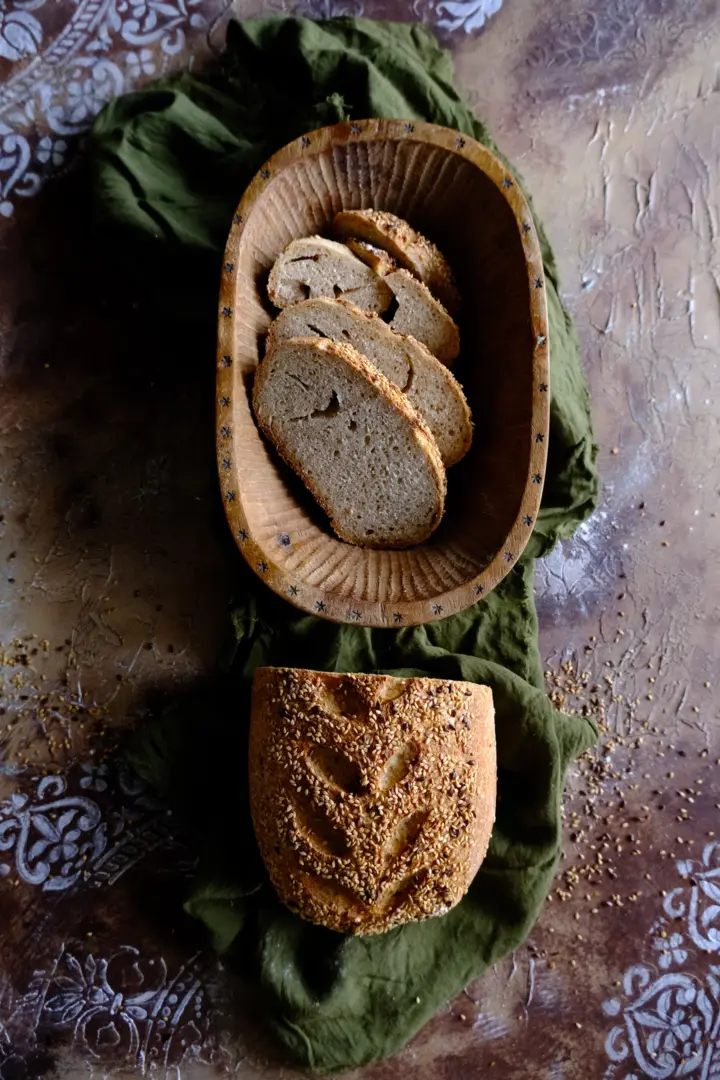
Finding the right wheat-free bread can be a challenge, especially since there are so many brands and types available on the market today. But with the increasing demand for gluten-free foods, you may find many excellent options to enjoy a delicious and healthy baking experience. In this section, we will show you the best types of wheat-free bread that are currently on the market.
1. Brown rice bread: Brown rice bread is an excellent choice for those looking for wheat-free bread. Made from natural brown rice flour, it has a good taste and texture.
2. Cornbread: Cornbread has a crispy texture and sweet taste, and is made with wheat-free cornmeal. This type of bread is a great option for eating sandwiches and healthy toast.
3. Potato bread: If you are looking for light and delicious bread, you can choose to bake potatoes. This type of bread is made from potato flour, which gives it a rich taste and crisp texture.
4. White rice bread and sorghum: White rice bread and sorghum are a suitable choice for people looking for wheat-free bread that has a neutral taste and a smooth texture.
5. Yellow cornbread: Yellow cornbread is a similar option to cornbread, but made from yellow cornmeal. It has a pleasant taste and crispy texture.
Before buying, you may want to read the ingredients and make sure they don't contain any wheat or gluten. You can also read user reviews and recommendations to find out which varieties are preferred and achieve the best results in terms of taste and quality.
Don't let the gluten delicacy stand in your way of enjoying the bread. Choose from these excellent types and enjoy delicious and healthy dining experiences without any worries.
5. Tips for making wheat-free bread at home yourself.
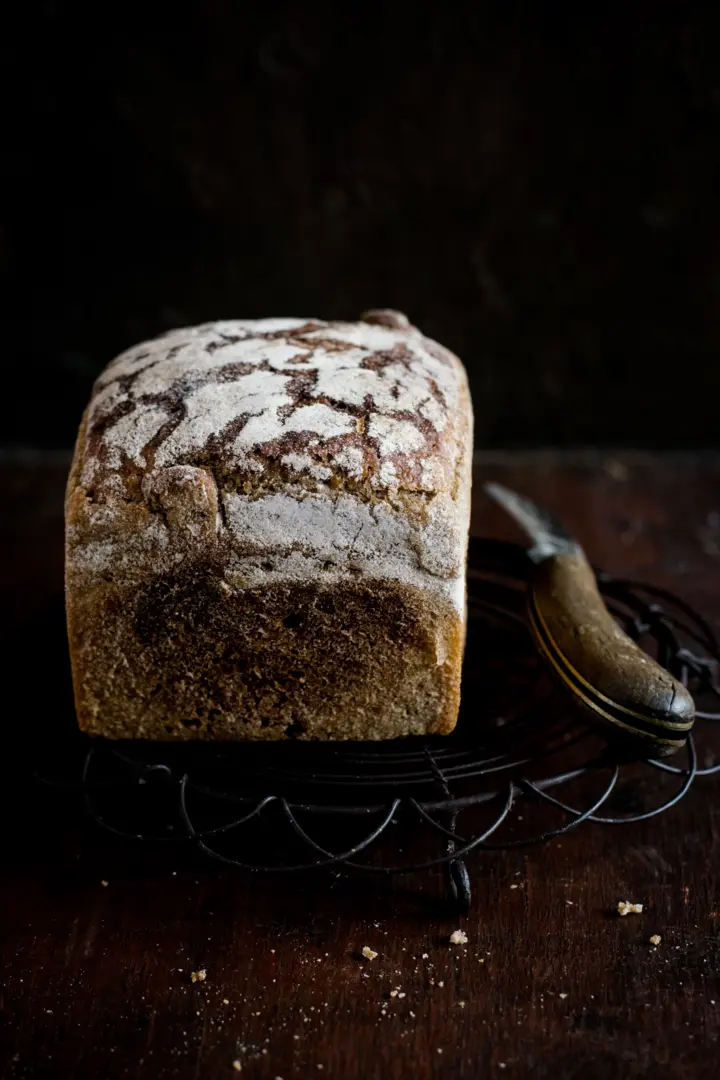
Making wheat-free bread at home is an excellent option for people who are sensitive to gluten or want to avoid eating wheat. There are many creative ways to prepare wheat-free bread at home, which can allow you to enjoy eating it healthy and delicious. Here are some important tips for making wheat-free bread at home yourself:
1. Use flour alternative:
Replace plain flour with gluten-free substitute flour such as rice flour, almond flour, avocado flour or quinoa flour. You can also use a combination of these types to get a perfect result. Be sure to carefully read the recipe instructions and use the appropriate proportions.
2. Use gluten-free baking products:
You can buy gluten-free baking products from the market, such as gluten-free baking powder or ready-to-bake flour mix. Be sure to choose certified products that have the "gluten free" label.
3. Use liquid variant:
You can use vegetable milk or coconut water instead of traditional milk in baking recipes. This will give a unique flavor and help to achieve the optimal result.
4. Use egg substitutes:
If you are sensitive to gluten, you may find it difficult to use eggs in baking recipes. You can use mashed bananas, flax eggs or ground flaxseed as a healthy and natural alternative to eggs in baking recipes.
5. Follow the recipe instructions strictly:
Professionalism in making wheat-free bread is important for a perfect result. Be sure to read the recipe instructions thoroughly and follow them step by step. Prepare the ingredients and measure them accurately for a successful result.
With these tips, you can make wheat-free bread at home with ease and creativity. Don't be afraid to experiment and enjoy delicious and healthy results in the comfort of your home.

In the end, we must emphasize that enjoying eating bread does not have to be difficult or unpleasant due to gluten sensitivity. Today's markets have a wide variety of wheat-free bread, and thanks to advances in technology, there are excellent ways to make wheat-free bread at home as well. Follow the tips and guidelines mentioned in this guide, and you will be able to enjoy a delicious and healthy baking experience without having to worry about gluten. So, feel free to try these options and enjoy delicious and nutritious wheat-free bread meals.
