Amazing facts about the sloth: unraveling the secrets of the world's slowest mammals

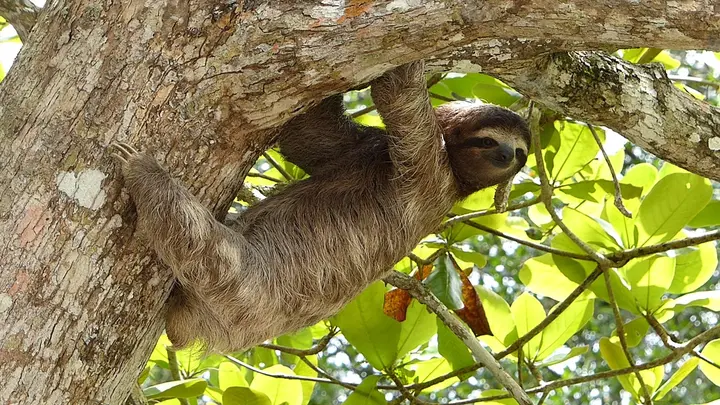
A sloth is a mammal, which is characterized by slow movement and accumulation of energy in its body. This mammal is among the slowest living creatures on Earth, but at the same time it holds amazing secrets. In this article, we will reveal surprising and strange facts related to the sloth, and we will also reveal its hidden secrets and the reasons why it stands out from other mammals.
Show key points
- Sloths are the slowest mammals on Earth, with a unique body structure that enables them to conserve energy and move at an unhurried pace.
- Despite their sluggish appearance, sloths possess surprising survival strategies, including the ability to quickly escape danger by climbing trees.
- They rely on energy-rich fat deposits and a low-energy lifestyle, allowing them to survive long periods without food.
- ADVERTISEMENT
- Sloths follow a nutrient-efficient, plant-based diet that supports their slow metabolism and reduces the need for frequent feeding.
- Their relaxed behavior and minimal movement help maintain a balanced energy reserve, adapting their activity levels based on environmental conditions.
- Sloths play a crucial ecological role by aiding plant propagation through seed dispersal and supporting insect biodiversity via their fur’s micro-ecosystem.
- Though traditionally seen as lazy, sloths exemplify efficient energy use and ecological value, offering insights into balance and adaptation in nature.
Sloth: the slowest mammal in the world
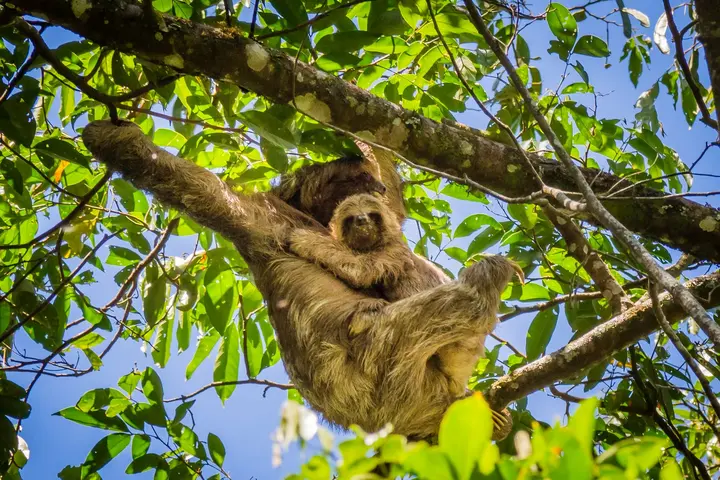
The sloth is surprisingly slow in movement, and is considered the slowest living creature on Earth, as it is characterized by its slow movement and accumulation of energy in its body. It takes a long time to perform any activity, and even seems to move at the slow speed of turtles. This slow wealth reflects a unique feature of the mammalian world, and makes sloths the focus of admiration for many researchers and scientists.
Recommend
This lazy mammal is characterized by its slow movement thanks to its unique body structure. It has strong legs that allow it to move on the ground, as well as long, sharp nails that help it climb and hold on to trees. Despite its slow movement, the sloth is still able to adapt to its surroundings, using surprising strategies that allow it to survive.
Surprisingly, the sloth's body possesses energy-rich fatty deposits. These deposits act as an energy store and provide sloths with food during long periods of laziness and rest. This means that sloths are able to survive for long periods without eating, making them perfectly adapt to environmental conditions and changes in food supply.
With its sluggish nature and lack of activity, sloths appear in the eyes of some as an unenergetic and unmotivated being, but this is not entirely true. Sloths have slow and precise reflexes that include deep and flexible muscle movements. When danger approaches, the sloth uses its slow movements to defend itself and escape, where it can quickly climb trees to get away from predators.
In addition, sloths are characterized by their ability to sleep for long and calculated periods. He spends most of his time sleeping and resting, which enables him to save energy and slow down his metabolism. Sloths are one of the few who can sleep for up to 20 hours a day, giving them a chance to regain energy and prepare for future activities.
Secrets of a sloth: how to live without overwork?
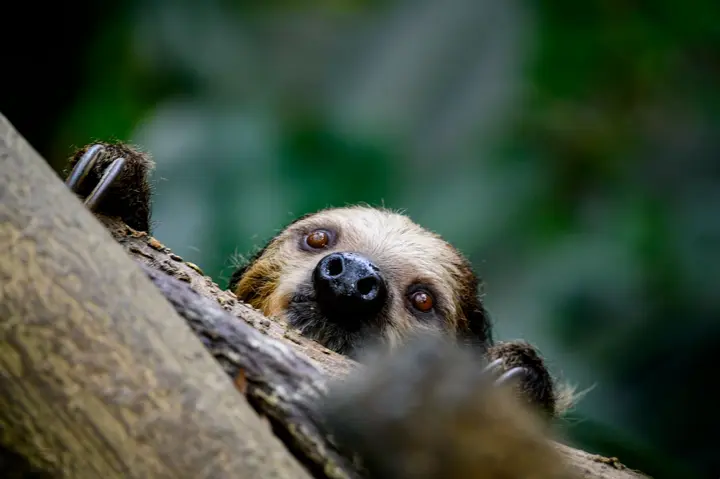
How does a sloth live without feeling overwhelmed? What secrets does he have that make him maintain his vitality without effort?
First, sloths rely on using energy effectively. This mammal is characterized by not wasting energy in unnecessary movements, but rather keeping it calm and performing only basic activities. It doesn't waste energy on excessive movement or random play, but saves it for use in the face of real challenges.
Secondly, the sloth is distinguished by its balanced diet. This mammal relies on a diet rich in nutrients necessary for its health and activity, and eats only the necessary amount of food. Thanks to this rational diet, sloths are able to meet their nutritional needs without fatigue and without wasting energy digesting large amounts of food.
Third, the sloth benefits from its unique ability to relax and retain a high level of energy. He spends most of his time in a quiet supine position, allowing his body to rest and regain energy. Instead of exhausting their energy in constant motion, the sloth retains its energy and uses it in moments that require rapid movement or when faced with potential danger.
Finally, this mammal can estimate the conditions of its environment and adjust its movement and activity accordingly. If the environment is calm and less active, the sloth is more active and energetic. Conversely, if the environment is turbulent and full of surprises, the sloth adapts by acclimatizing and reduces its mobility to save energy.
Adapting the sloth to the environment: how to exploit its vulnerability to survive?
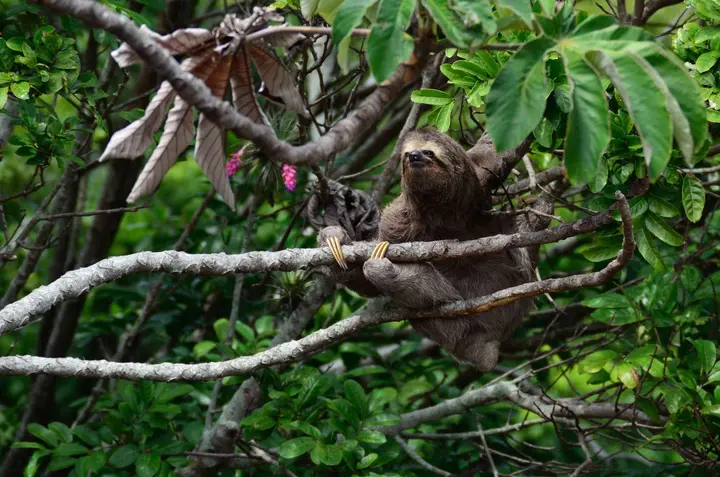
Despite its slow movement and low energy, sloths are able to survive and take advantage of their weakness in surprising ways.
One of the strategies of the sloth is to exploit the environment around him for food and protection. For example, sloths can live in places where food is readily available and accessible. In the absence of food, the sloth can adapt by reducing their motor activity and providing energy for long periods.
Some sloth diets rely on super-value, energy-rich food to compensate for lack of movement and energy consumption. In addition, sloths can take advantage of their slow nature by relying on strategic methods of hunting, such as waiting and watching, thus taking advantage of the opportunity to obtain food efficiently.
Adapting sloths is not only for foraging, but also has an adaptive ability to protect against enemies and threats. The body of a sloth is distinguished by its unique composition, which provides it with a natural shield that protects it from predators and gives it effective camouflage. Thanks to its thick physique and hard skin, a sloth is difficult to spot while relaxing in its environment. In addition, sloths can also take advantage of protected sites hidden in trees or among rocks as a means of disguise and protection.
Food for a sloth: what does this lazy creature eat?
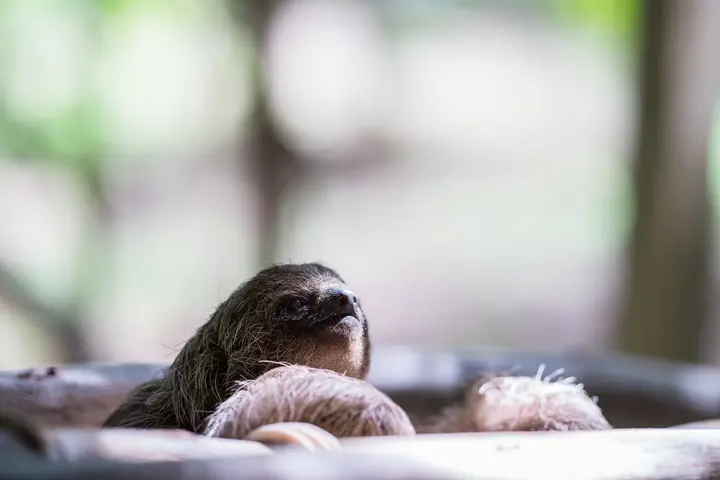
What do sloths eat? Despite its slow movement and famous laziness, sloths need energy to survive, meaning they need to eat. So what is the favorite food of this lazy creature?
The diet of a sloth is based on a specific dietary pattern that corresponds to its slow nature and weak energy needs. Sloths rely mainly on plants of deserts and dry meadows as their main source of food. It feeds mainly on herbs, leaves, roots and fruits available in its natural environment.
Thanks to their unique digestive system, sloths have the ability to utilize plant fiber and extract energy from it. The butterfly considers dry leaves and woody twigs among its favorite food. Sloths also eat various fruits such as berries, blueberries and figs.
Thanks to its reliance on a high-fiber plant-based diet, sloths can survive for a long time without eating enough. For this reason, sloths are one of the slowest mammals in their energy consumption and need for food.
The distinct role of sloths in the ecosystem: does laziness have biological value?
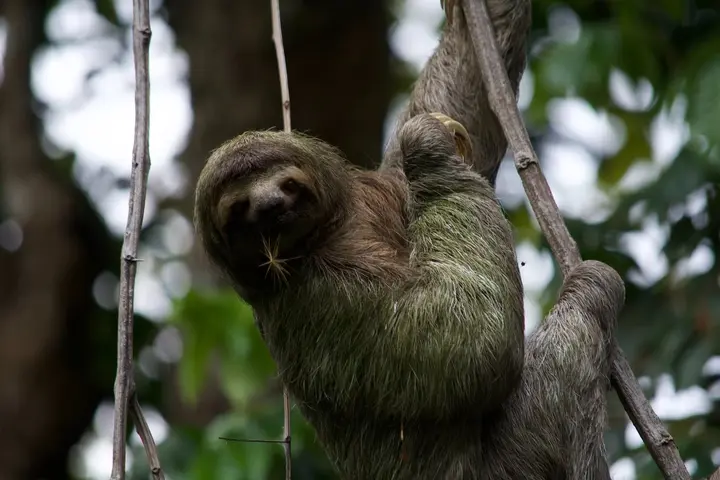
The sloth is one of the slow animals that live in the world, but nevertheless, it plays a distinct role in the ecosystem. It is surprising that laziness has biological value despite its lazy and slow traits. So what distinct role do sloths play in the ecosystem? And can laziness have real biological value?
First, sloths are part of the ecosystem's nutrition chain. It feeds on leaves and branches that contain huge amounts of plant fiber. Thanks to this ability to consume plant fiber, sloths contribute to the conversion of organic matter into energy that can be used by other organisms in the ecosystem.
Second, sloths play an important role in seed distribution. When sloths eat fruits and berries, they swallow the seeds and transport them through the digestive system. When a sloth urinates or defecates, it distributes these seeds in different places in the environment, helping to propagate plants and replenish biodiversity.
Third, sloths are an important source of food for insectivorous animals. Algae and fungi that form on the skin of a sloth are an important food source for small insects that live on its body. This means that the presence of sloths in the ecosystem contributes to the provision of food for other organisms.
Given these biological benefits, it can be argued that sloths have real biological value. Through their role in nutrition, seed distribution and food provision, sloths contribute to maintaining ecosystem balance and the natural life cycle. So, despite its laziness and slow mobility, sloths inherently carry a vital value that cannot be ignored.
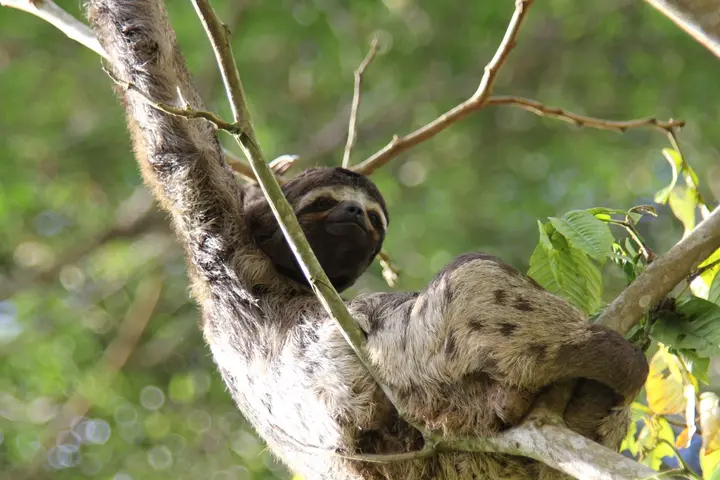
In summary, the sloth is a unique mammal, it carries in its body surprising secrets and facts. Although slow to move, it has a unique nature that allows it to survive and adapt to the environment. Although laziness is a negative trait in many cultures, it plays an important role in the ecosystem and maintains its balance. So, it can be helpful to learn lessons from the sloth on how to exploit low energy and better adjust our life balance.