


Anteater: a fascinating state of evolutionary adaptation



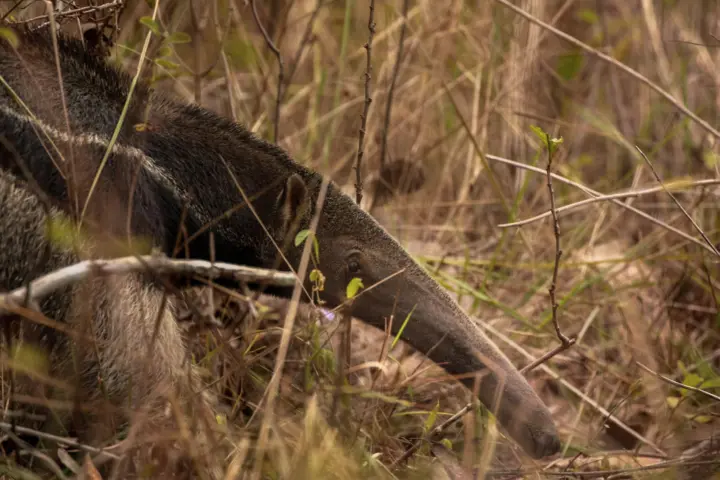
The anteater is one of the unique and wonderful creatures that has managed to evolve to survive in a harsh and complex environment. Their lifestyle, living with ants and their constant challenges have amazed scientists and influenced our understanding of bioadaptive mechanisms. In this article, we will explore that wonderful state and discover how these little creatures managed to balance and thrive in the presence of ants.
Show key points
- The anteater has evolved unique physical adaptations, including strong legs and specialized jaws, to efficiently hunt and consume ants in challenging environments.
- A remarkable aspect of anteater behavior is their ability to coexist with ant colonies, creating a dynamic of mutual benefit and survival.
- Anteaters exhibit an impressive tolerance to ant toxins, enabling them to survive and interact with harmful species through advanced biochemical adaptations.
- ADVERTISEMENT
- They play a critical ecological role by naturally regulating ant populations, thus contributing to a balanced and healthy ecosystem.
- These creatures utilize chemical communication, such as pheromones, to interact with ant colonies, sometimes even aiding in mutual defense against predators.
- Climate change poses a significant threat to anteater survival by disrupting food availability, altering habitats, and impacting their long-standing ecological relationships.
- Studying the anteater’s life strategies offers deep insights into evolutionary biology and underscores the urgency of conserving biodiversity amidst environmental challenges.
1. The unique physique and hunting tools of the anteater
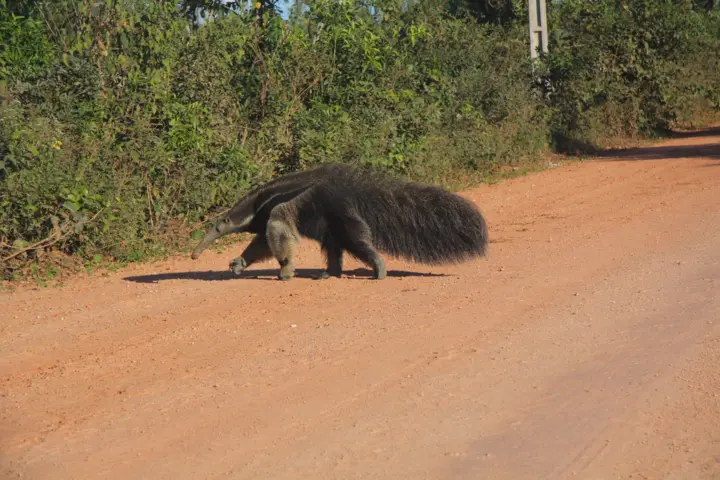
The anteater has been able to develop his body exceptionally to cope with his life and ant-hunting. Its physique has strong and durable legs that enable it to easily navigate rough terrain. It also has two strong jaws dedicated to hunting, one of which is characterized by breaking the hard shell of ants and the other by injecting a poison that immediately disrupts the movement of ants. Thanks to these unique tools, the anteater can achieve continued success in its ongoing task of catching ants.
Recommend
2. Anteater coexistence with ant clans and mutual benefit
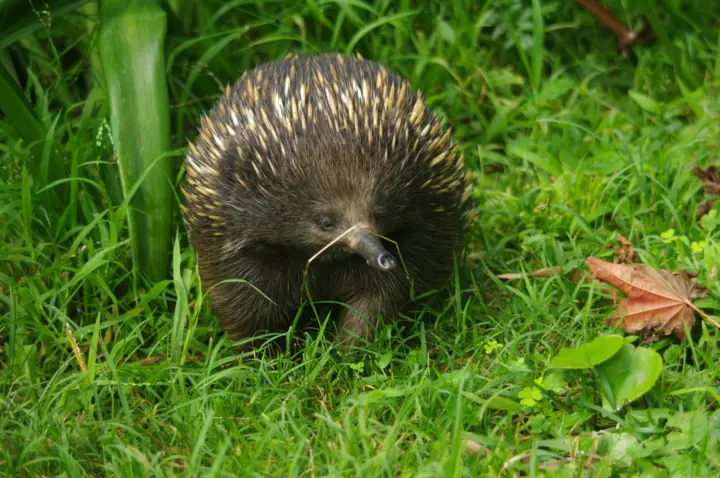
Wake up one day in the world of ants and find out that there is no place for people who live alone. This is the reality felt by the anteater, an intelligent being who lives in harmony with ant populations. The anteater relies on exploiting ants in every aspect of their lives, from food to their protection. So what benefits does an anteater get from such mutual cooperation? How does this sustainable coexistence benefit the environment of both anteaters and ant populations?
The coexistence of an anteater with ant populations is a fact that reflects unique cooperation systems in the insect world. The liquid ants that the anteater takes are a way to obtain food and provide protection. The anteater attacks ant populations, targeting their young, ensuring their survival and providing a valuable food source. The anteater, on the other hand, receives protection through this cooperation, as it has an ant shield that protects it from other enemies.
There are different types of cooperation between anteaters and ant populations, including passive cooperation where the anteater exploits ant clans without providing any tangible benefit to them. There are also instances of mutual cooperation, where the anteater provides some benefits to ant populations in exchange for food and protection.
For example, an anteater can sense and warn potential enemies thanks to the ant-perfume smell pattern that ants use to communicate. This warning protects the entire ant clan including the anteater himself, thanks to his cooperation with them and mutual benefit.
This sustained collaboration between anteaters and ant populations is a prime example of evolutionary adaptation. It allows the anteater to utilize and protect ant resources, while ants develop defense and protection strategies to deal with the anteater and other enemies.
In the end, we must recognize the importance of this mutual cooperation and its role in promoting ecological balance. The anteater faces increasing challenges due to climate change and environmental degradation. Therefore, we must work to protect their natural habitat and preserve the diversity of plant and animal life on which anteaters and ant populations depend for survival and prosperity.
3. Tox tolerance and barrier-facing mechanism
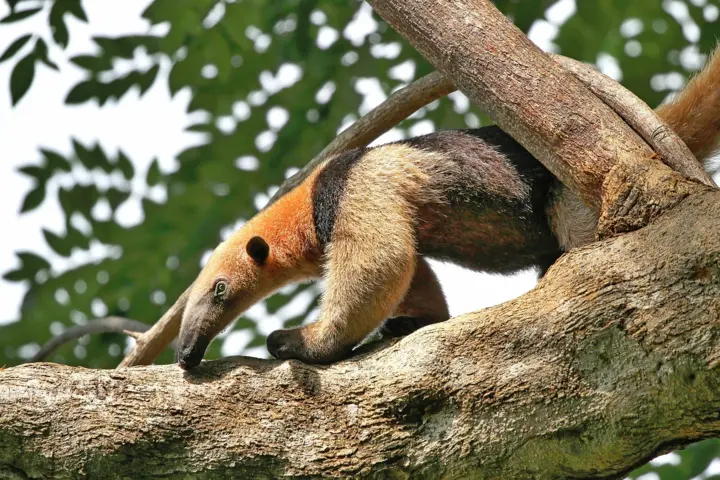
In a world of many hazards and obstacles, toxin tolerance and barrier management emerges as one of the most important anteater strategies for survival and prosperity. This mechanism is characterized by the ability of the anteater to deal with toxins produced by many species of predatory ants that live next to them.
The mechanism of tolerating and barrier-tolerant requires significant adaptation of those organisms. Thanks to the application of its effective device, the anteater can overcome any obstacle that succeeds it. When an anteater is confronted with predatory ants, chemical reactions occur within their body that allow them to easily tolerate toxins. This adaptation gives the anteater the strength and flexibility to coexist alongside predatory ants without being threatened.
Tox tolerance and blocking obstacles is one of the most impressive features of an anteater. When encountered in its way, the anteater exchanges chemical signals with other ants within the clan to cooperate against the enemy. This unity is formed and the strong cooperation between them enhances their chances of overcoming challenges and staying strong within their complex environment.
This mechanism is one of the secrets of the success of the anteater and enables it to survive in its intercepting environment. If anteaters are able to withstand extreme challenges and the potential for exposure to deadly toxins, they hold the key to survival and prosperity in the ant world.
Ultimately, explaining the toxin tolerance and barrier-coping mechanism makes the anteater a cornerstone of our understanding of evolutionary adaptation methods. Understanding this mechanism helps us protect these wonderful creatures and preserve the diversity and sustainability of natural life for future generations.
4. Control the number of ants and the balance of the environment
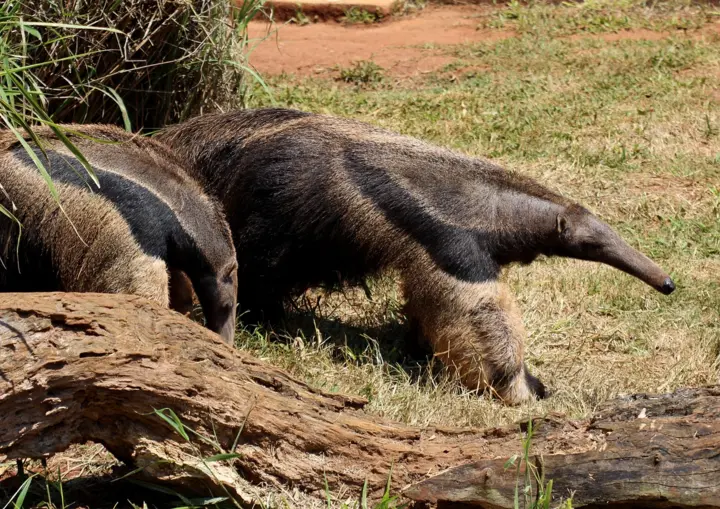
When we talk about anteaters, we cannot ignore the vital role these tiny creatures play in trying to maintain the balance of the environment and regulate the number of ants in living ant populations. The anteater is a natural control mechanism for the number of ants, and plays an important role in the balance of the environment around them.
Using special glands that secrete chemicals called pheromones, the anteater can communicate with ants in the population and inform them of the challenges they may face or the potential danger. This notification acts as a collective alarm system and helps to determine the appropriate response to the breeding and propagation process.
Through the rotation mechanism used by the anteater, he is able to control the number of ants in an effective way. When the number is excessive, the anteater causes changes in the growth and development of the ants abnormally, reducing the productivity of the clan and ensuring that it does not spread excessively.
It is noteworthy that this biological control of the number of ants contributes to the balance of the environment in general. When the number is regular and balanced, the impact of ants on the natural environment is reduced and the biodiversity of the area is preserved. This contributes to the food cycle and energy transition of the ecosystem in a healthy and sustainable manner.
Controlling the number of ants and the balance of the environment may not be an easy task, and often requires the intervention and coordination of many different factors. However, understanding the mechanisms of interaction between anteaters and ants can provide us with better visibility and more effective control strategies in this vital process.
In the end, we must recognize that the anteater is not only a small creature but also a figure in the balance of the ecosystem. By studying and understanding this remarkable state of evolutionary adaptation, we can respect the role it plays and contribute to its survival in our shared environment.
5. The potential impact of climate change on the life and future of an anteater
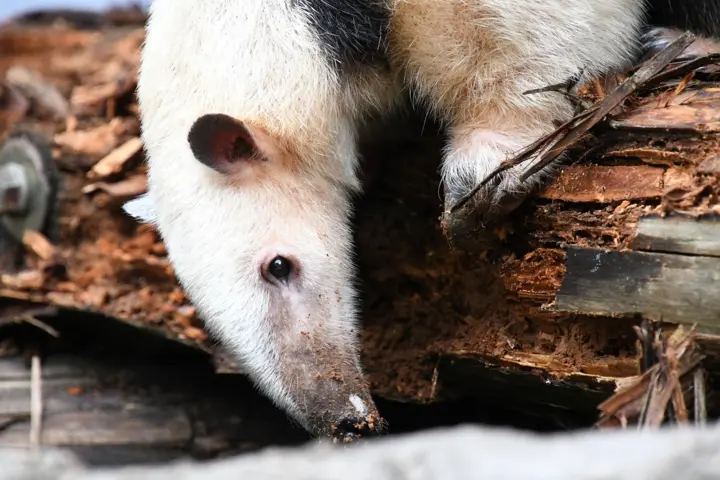
The anteater is one of the unique creatures that has an amazing ability to adapt and survive in its harsh environment. As climate change increases on our planet, the question arises: how will the life and future of an anteater be affected? Due to the importance of this small organism in the ecosystem, any impact can have a significant impact on the overall biological balance.
Climate change may have multiple impacts on the life and future of an anteater. Rising temperatures may lead to changes in the distribution of ants, affecting the availability of food and resources. The reproduction of some species of ants may increase abnormally, leading to further infestations or acquisitions of other ant areas by the anteater.
In addition, high levels of carbon dioxide in the atmosphere may alter the composition of plants and oceans on which the anteater lives. This may lead to a shortage of food resources and affect the balance of the ecosystem in general.
However, anteaters may have surprising strategies to adapt, change their behavior and growth to meet these potential climate challenges. Her foraging behaviors, movement pattern, and even body structure may be affected in an attempt to survive and thrive.
The potential impacts of climate change on the life and future of an anteater warrant further study and research. Understanding and responding to these mechanisms can help us develop protection strategies for this small organism and preserve the diversity of natural life in the future.
The future of the anteater is not just an issue related to the environment, but also to humans and their effects on nature's system. If we ignore these challenges and take decisive action to tackle climate change, we could lose this wonderful creature and an entire food chain could be significantly affected. Therefore, preserving the diversity of natural life must be one of our priorities to preserve the sustainability of this planet for future generations.
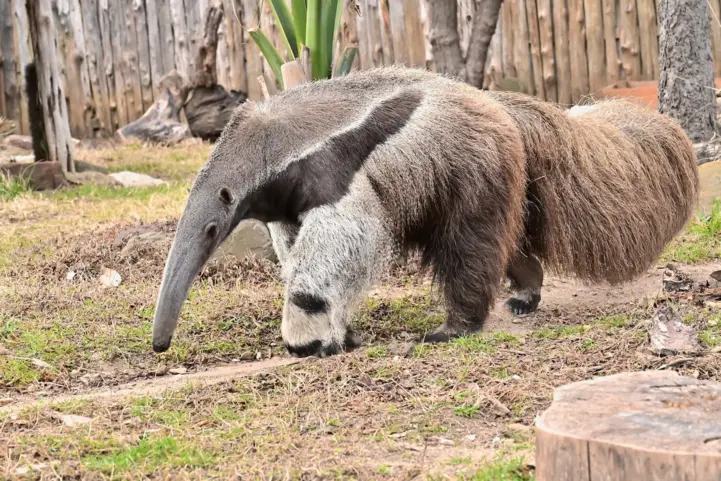
The anteater status remains a great case of evolutionary adaptation, as these tiny creatures have been able to develop strategies that maintain their survival and thrive in the presence of ants. Studying their interactions with ant populations, their hunting mechanisms, and their tolerance to toxins has enhanced our understanding of ecological adaptation that few organisms possess. With climate change and environmental degradation, the future of an anteater may be uncertain, so we must work to preserve their habitat and the diversity of natural life in which such wonderful creatures live.
