


The life of the underground pangolins: a closer look at the world's most smuggled mammals



The underground pangolin life of a visitor is considered one of the most exciting and exotic natural phenomena in the mammalian world. It is a unique adventure where these cute creatures create a huge network of underground tunnels and passages stretching for more than 100 meters. Historically, these creatures lived in African lands, but later moved to the Australian savannah and then to other parts of the world. Given the devastating consequences for the environment and threats of poaching, pangolins are now considered endangered mammals.
Show key points
- Underground pangolins build intricate tunnel systems over 100 meters long, using materials like clay and plant fibers to create strong, insulated, and moisture-resistant homes.
- Rather than fighting predators, pangolins rely on strategies like quick escape, hiding in tunnels, and camouflage for survival.
- Their diet mainly consists of insects such as ants, termites, larvae, and earthworms, which they locate using their keen senses and dig out using sharp claws.
- ADVERTISEMENT
- Pangolins inhabit a wide range of environments—from African savannahs to Australian rainforests—thanks to their adaptability to different soil types and climates.
- The species is endangered due to habitat destruction, illegal trade, and poaching for their meat and scales.
- Conservation efforts involve public education, habitat protection, legal enforcement, and rehabilitation programs to help preserve these unique mammals.
- Protecting underground pangolins is vital not just for their survival, but also for maintaining global biodiversity and ecological balance.
1. Structure of life underground pangolins: houses under water and dirt.
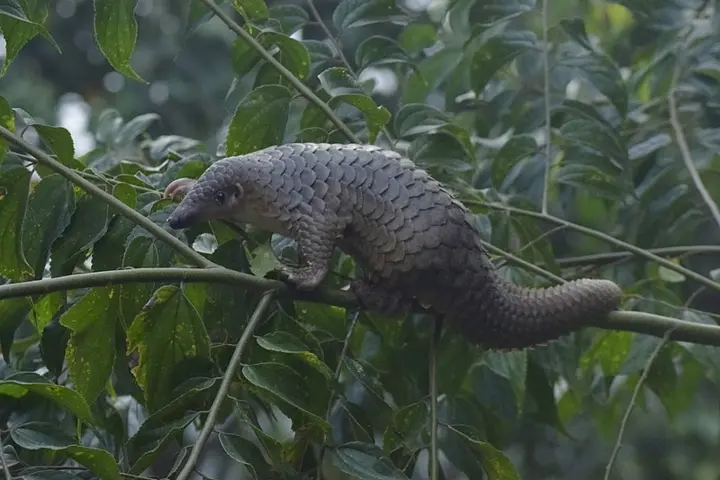
The structure of life of the underground pangolins is distinguished by its unique houses that provide it with protection and comfort at the same time. These houses form a huge network of underground tunnels and passages, stretching distances exceeding 100 meters. These homes depend on natural resources available in the surrounding environment, and the structure of homes varies according to the areas where the pangolin lives.
Recommend
Underground pangolin houses consist of multi-directional tunnels and narrow corridors. The top of the house is made of earth, clay and plant fibers, which gives it strong resistance to water and moisture. In addition, structural strength protects the pangolin from external enemies and threats. The bottom of the house is considered to be the space in which pangolin inhabit and sleep. This space is equipped with leaves and branches for comfort and thermal insulation.
Moreover, the structure of the underground houses includes different entrances and exits to ensure ventilation and quick mobility. There are small ventilation holes in the tunnels that allow fresh air to enter from the outside and ventilate the house. As for the entrances and exits, they are strategically distributed in the house to facilitate movement and avoid traps.
The structure of underground pangolins houses makes them an ideal place of protection and sustainability. These mysterious underground houses reflect the versatility of pangolins' design and adaptation to the surrounding conditions. Thanks to this amazing adaptation, pangolin are able to live safely and sustainably in an underground world, which is one of the most challenging environments in the animal kingdom.
2. Life tactics of underground pangolins: refrain from fighting and use escape as a means of defense.
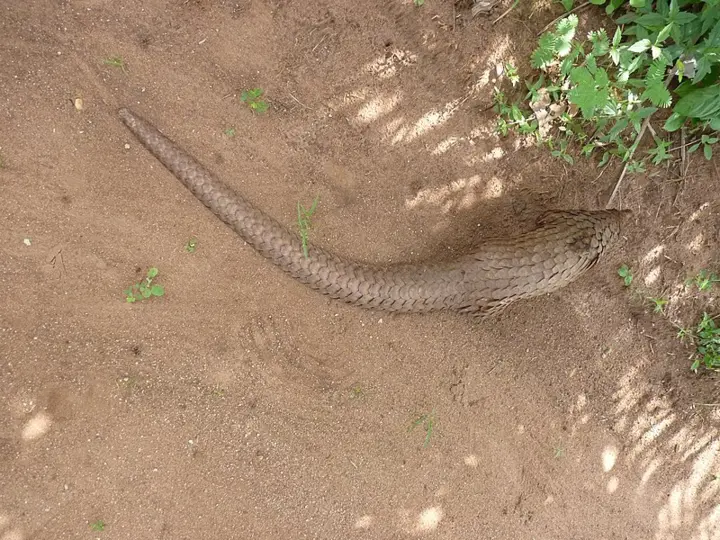
The life of the pangolins underground is characterized by the unique tactics that these charming mammals use to defend themselves and survive. Instead of direct combat, the pangolins rely on abstinence from fighting and using escape as their main means of defense.
When the pangolins are in danger, they follow a strategy of abstinence in a large way. They are negative mammals and do not attack or challenge predators. Instead, they hide in their tunnels or seek another safe haven.
When pangolins are unable to hide or escape, they use quick escape as an effective method of defense. Pangolins are fast-moving mammals despite their small size, with strong legs and sharp claws that enable them to climb and run at high speed. When pangolins feel threatened, they use their high motor skills to escape quickly and eliminate dangers.
In addition, pangolins are characterized by their ability to camouflage perfectly in the environment in which they live. They live in their tunnels and build them intricately and intertwinedly, helping to hide their presence from predators. They also exploit their ability to dig into the soil quickly and effectively to reach a safe haven.
Overall, the tactics of underground pangolin life reflect their exceptional ability to adapt and survive in a very difficult environment. Using abstinence from fighting and quick escape, pangolins succeed in defending themselves and staying safe underground.
3. Feeding habits of underground pangolins: their diet and food sources.
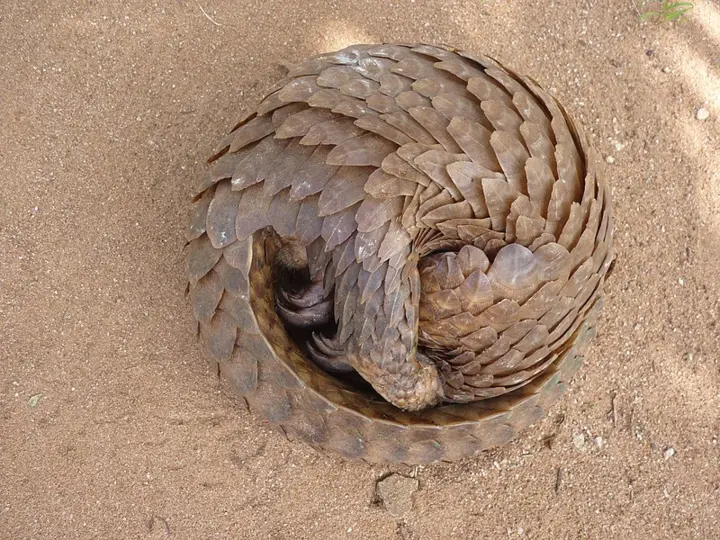
The underground pangolin has an amazing and unique diet that can surprise and impress. These small mammals feed on a variety of food sources centered around insects and earthworms. The diet of underground pangolins is very important for the continuation of their life and the promotion of their health.
The process of feeding pangolins underground depends on the food in the tunnels they dig. Pangolins begin to look for insects, worms and plant roots that reside in the soil. They use their sensitive noses to detect food underground and use their strong, downward-pointed fangs to dig and search for food.
Underground pangolins food sources include various insects such as ants, termites, larvae, and worms. These insects are highly relied upon in the diet of pangolin and are considered a rich source of proteins and other essential nutrients.
In addition to insects, underground pangolins also eat the roots and upper stems of plants. They dig into the ground and feed on roots and vegetables near them. This type of food is rich in fiber and helps promote pangolins health and meet their nutritional needs.
The underground pangolins find the food they need through their sophisticated sensory senses and ingenuity in digging and excavation. Their diet reflects their underground adaptation and ability to survive in environments lacking other food sources. Relying on underground food sources is a unique strategy for pangolins that helps them survive and thrive in this harsh environment.
Thus, the feeding system of underground pangolins reflects the uniqueness of these mammals and their adaptation to their harsh environment. By relying on insects, worms and roots, pangolins are able to obtain the nutrients needed for their survival and growth in a dark underground world.
4. The distribution of species and the reasons for the diversity of the environments in which they live.
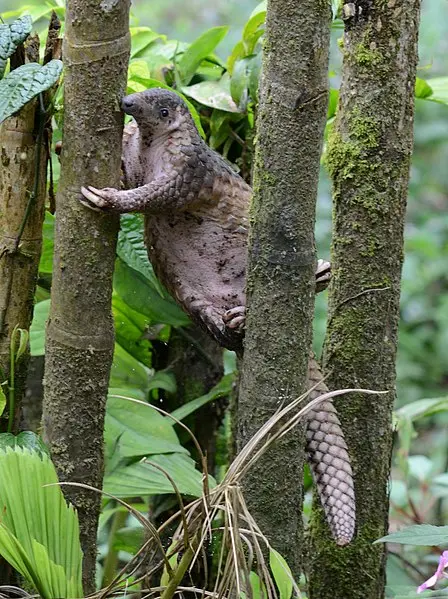
Underground pangolin life prides itself on being present in a variety of environments around the world. This amazing diversity in the places where they live is considered the result of their evolution through the ages to adapt to their environment and surrounding factors. Their habitats range from the arid regions of the African savannah to the rainforests of South America and Australia. There are several reasons that explain this diversity in the environments in which they live.
First, the distribution of pangolins was influenced by climatic and geographical factors. Pangolins live in areas characterized by sandy or clay soil suitable for creating tunnels that they use as dwellings and sleeping menus. Humidity level and atmospheric temperatures also play a role in determining suitable environments for pangolins. For example, the Mexican pangolin lives in areas with warm and dry weather, while the European pale pangolin lives in locations with cool, humid weather.
Second, plant presence plays an important role in the distribution of pangolin. The plant surrounding pangolin sites is a source of food and shelter, thus affecting their distribution and diversity. For example, colored pangolins prefer to live in desert areas where they can benefit from thorny plants that are drought-resistant. African pangolins, in contrast, live in grassy areas where they can use grass and tall grasses as a source of food and protection.
In addition, the distribution of pangolin is influenced by the presence of natural enemies and competitors. For example, you may find pangolin underground in areas that are considered the kingdom of predators such as hyenas and struggles, which helps protect them from attacks and assaults.
Given these factors, the distribution of pangolins in the world reflects their remarkable adaptation to their environment and the diversity of environments in which they can live. However, the continued destruction of the environment and the loss of natural habitats pose a serious threat to these unique organisms and increase the risk of their extinction. Therefore, it is essential to work to protect their environment and preserve its diversity to ensure the survival of underground pangolins in the world.
5. Facing Challenges: Underground pangolins in the age of extinction and campaigns to preserve them.
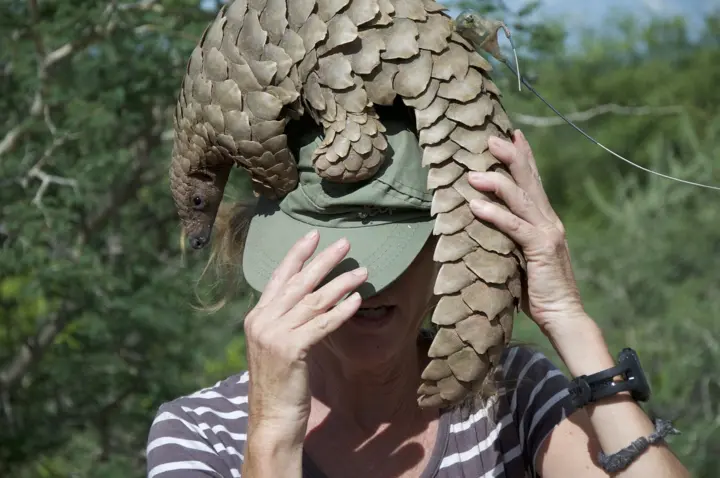
Underground pangolins face great challenges in the age of extinction, as they are threatened by human activities and environmental changes. Pangolins are illegally assembled for illegal trade purposes, as demand for their skins and meat on the black markets increases. In addition, the disappearance of forests and the degradation of natural habitats are destroying the vital habitats on which the pangolins live underground.
Conservation campaigns around the world are waging great efforts to protect the pangolins and ensure their survival in nature. These efforts include monitoring and monitoring species, promoting awareness and public education about the importance of pangolins in the environment, and rehabilitating infected or disturbed animals and releasing them into safe natural habitats. Some countries and organizations nature pangolins by applying strict laws to combat illegal fishing and illegal trade.
However, the challenges remain significant and require global cooperation to combat illicit trade and preserve the underground pangolin environment. Governments, NGOs and the general public should work together to promote environmental laws, promote awareness and education about wildlife protection, and support projects aimed at providing safe natural habitats for pangolins.
Ultimately, we must recognize the importance of keeping pangolins underground and striving to preserve wildlife diversity. They are not just cute mammals but an integral part of the planet's biological oceans, and protecting them means protecting everyone.
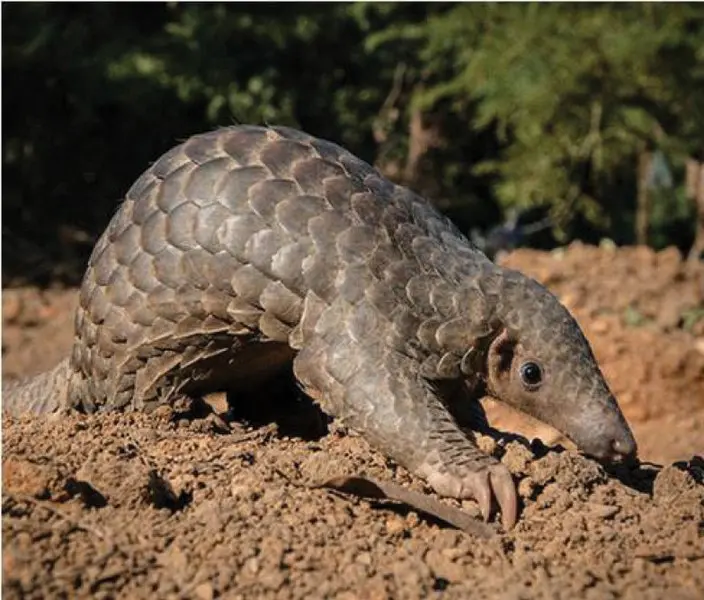
Despite the ongoing threats faced by the pangolins underground, the survival of these amazing creatures depends on efforts to protect them and preserve their natural habitat. By educating the public and implementing wildlife protection policies, we can ensure the survival of these unique mammals and give them the opportunity to thrive in the world. The underground pangolins of a visitor are a field of study and wonder, and we must work together to preserve this precious part of the diversity of natural life before it becomes part of the past.
