Tunisia: From the Desert of Tataouine to the Greenery of Ain Draham. Diversity Beyond Expectations
ADVERTISEMENT
When Tunisia is mentioned, many people picture the Mediterranean with its golden beaches and ancient markets. Few realize that this geographically small country contains a wide variety of terrains, climates, and contrasting landscapes. From the orange sand dunes of Tataouine to the rain-soaked forests of Ain Draham, Tunisia offers a
ADVERTISEMENT
full travel experience that cannot be captured in a quick visit.
Photo by Greg Keelen on Unsplash
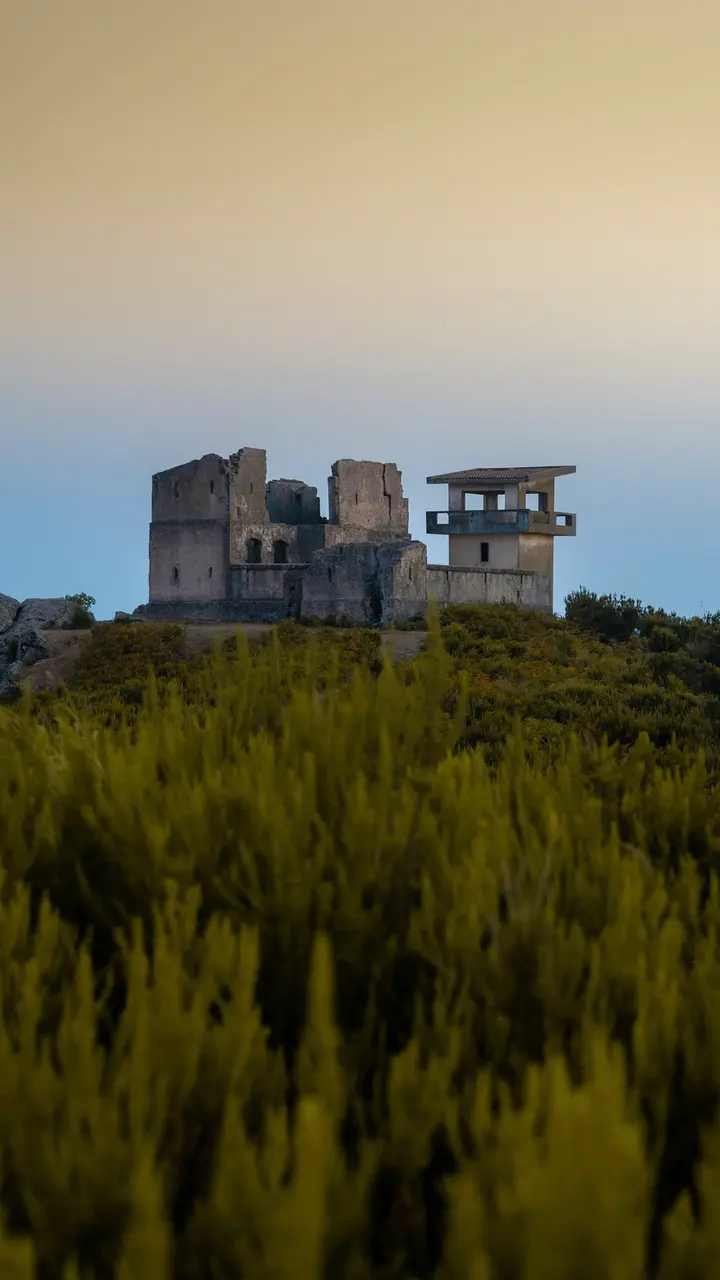
Tataouine: Desert of Legends and Sandstone Castles
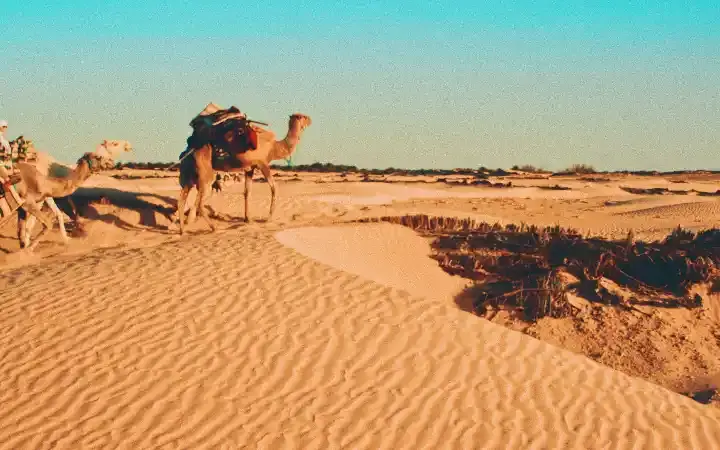
In the far southeast lies the governorate of Tataouine, where the desert reveals its grandeur and stillness. The sand dunes here are not merely scattered sand but natural artworks that change color with the shifting light from dawn to dusk. Visitors are drawn to the ancient Amazigh villages that endure despite the harsh climate, such as Chenini and Douiret. These villages are built from red sandstone as if carved from the mountains themselves, and they include communal granaries (ksour) used to store grain and protect tribes' food reserves.
ADVERTISEMENT
One highlight of the journey is Ksar Ouled Soltane, the oldest and largest of the communal granaries in the area, built in the 15th century. Walking through its corridors and vaults, travelers sense the historical atmosphere and the resilience of the people who once lived here. The Remada area serves as a gateway to the open desert, where camping under starlit skies and quad-biking or four-wheel driving across sand ridges begin.
Douz and Chott el Jerid: Gateway to Salt and Oases
Heading north, Douz is not to be missed. Considered the capital of the Tunisian desert, it hosts annual festivals that celebrate camels, folk poetry, and horsemanship. Here, visitors can ride camels and cross dense palm oases.
From Douz, the route leads to Chott el Jerid, Tunisia's largest salt lake. Its endless white surface looks like a celestial mirror that reflects the colors of sunrise and sunset, creating a surreal atmosphere. Chott el Jerid covers some 5,000 square kilometers and is especially striking in the dry season, when crystalline salt surfaces form stunning geometric patterns.
ADVERTISEMENT
Central Tunisia: Kairouan and the Olive Plains
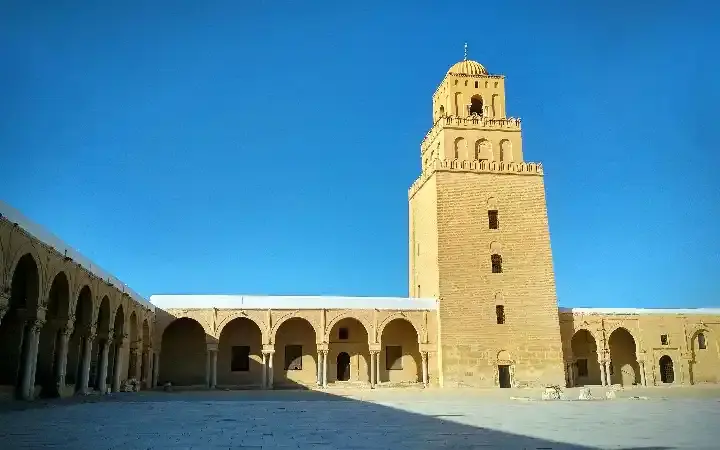
Moving north into the center, travelers reach the governorate of Kairouan, the first Islamic city in North Africa and an important spiritual and historical center. Kairouan is more than the Great Mosque of Uqba or its copper and carpet markets; it is also a gateway to the vast olive plains that stretch toward Sousse and Sfax. The route is dotted with wide wheat fields and green olive groves reaching to the horizon, reflecting the region's long agricultural tradition.
Photo by Malek Boukhris on Unsplash
Northwest: Kroumirie Mountains and the Greenery of Ain Draham
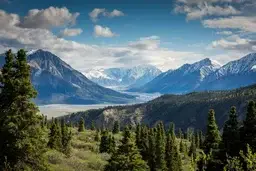
In the far northwest, the natural scenery changes abruptly. Dry plains give way to humid forests, high mountains, and flowing valleys. The Kroumirie range extends across the governorates of Jendouba, Beja, and Kef, and is among the greenest areas of Tunisia.
ADVERTISEMENT
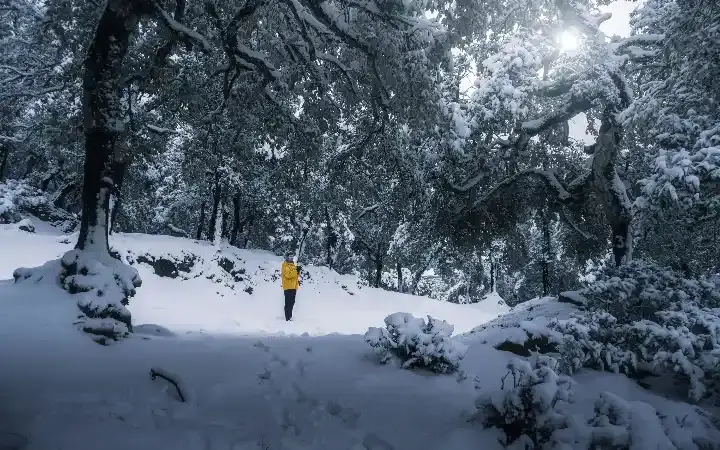
The best-known town in this region is Ain Draham, a mountain village that welcomes visitors with the scents of pine and oak and a pleasantly cool air. In winter the peaks are dusted with snow; in summer temperatures stay moderate, making it a popular escape for both Tunisians and tourists. Ain Draham is noted for red-tiled houses overlooking dense forests and winding roads — a paradise for cyclists and mountain adventurers.
Eco and Rural Tourism in the Northwest
This region is dotted with small rural guesthouses offering sustainable, eco-friendly accommodation and traditional Tunisian meals cooked over wood fires, such as vegetable couscous or slowly cooked lamb. Eco-tourism enthusiasts come for long hikes through thick forests and along small rivers, for birdwatching, and to spot wildlife like wild boar, hyenas, and red foxes.
ADVERTISEMENT
Other enchanting natural sites in the northwest include the Ain Es-Subh forest and the Beni M'Tir Dam, where dense woods are reflected on clear lake surfaces and there are facilities for safe camping and day trips.
Photo by Bilel ZAGHDOUDI on Unsplash
Diversity Beyond Expectations
Between the southern desert with its Amazigh and Bedouin flavor and the northern mountains with their Andalusian rural charm, Tunisia offers a complete tableau of ecosystems, making every trip a unique experience of nature, culture, and cuisine. A visitor can start the day with a safari among golden sands and finish it with a cup of mint tea in a mountain hut among pine trees — all within the borders of this remarkable country.
Sabela Moure
ADVERTISEMENT
Manga Arabia Launches Webtoons For Arab World Audiences
ADVERTISEMENT
In a pioneering move in regional pop culture and digital comics, Manga Arabia has launched officially licensed Korean webtoons in Arabic, bringing a new dimension to the Arab entertainment scene. The initiative not only allows a new generation of Arab readers to experience world-class digital comics, but also forges a
ADVERTISEMENT
fresh, dynamic connection between East Asian and Middle Eastern cultures and industries.
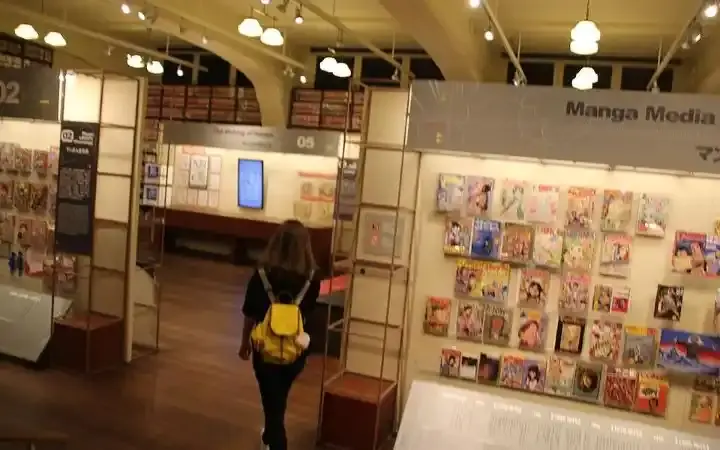
Photo by Arthurt Winner Mundaca Cobba on Wikimedia
As of April 2025, the Manga Arabia app for young audiences features a growing selection of popular Korean webtoons, including titles such as "Medical Return," "Plants Human," and "Ghost Synopsis." The project was developed in partnership with Korean companies Kidari Studio and V-Bros under full licensing agreements, marking the first time Korean webtoons have been officially published in Arabic.
ADVERTISEMENT
The Rise of Webtoons - A Global Format for a Digital Age:
Webtoons began in South Korea in the early 2000s and are vertically scrolling digital comics designed for smartphones. Unlike manga or traditional print comics, webtoons are created for seamless mobile reading, featuring full-color art and often interactive elements such as music or animation. Their storytelling combines cinematic visuals, emotional depth, and fast-moving plots, which makes them especially appealing to digital audiences. The webtoon industry in South Korea is now a multi-billion-dollar business, producing content read by hundreds of millions around the world, especially in East and Southeast Asia. Platforms such as Naver Webtoon and Kakao Webtoon dominate the Asian market and are finding growing audiences in Europe and North America.
ADVERTISEMENT
Photo by Ancala Nusantara on Vecteezy
Until now, the Arab world has largely been excluded from this cultural wave, at least officially. Although pirated and fan-translated versions of Korean webtoons have circulated online for years, the lack of licensed Arabic translations meant creators did not receive fair compensation and readers missed out on a high-quality, authentic experience. Manga Arabia’s entry changes that.
Manga Arabia - Bridging Cultures Through Comics:
Established as a subsidiary of the Saudi Research and Media Group, Manga Arabia has quickly grown into a leading platform for comics and cartoons in the Arab world. Since its launch, the platform has attracted over 12 million users in 195 countries and focuses on youth- and family-oriented content. It also distributes more than 250,000 print copies each month through over 200 outlets.
ADVERTISEMENT
Manga Arabia publishes in both Arabic and English, combining original in-house content with licensed works from Japanese and now Korean studios. Its two main apps—Manga Arabia and Manga Arabia Youth—are designed respectively for teens and older readers, and for younger readers.
The decision to include webtoons is part of a broader expansion strategy aimed at positioning Manga Arabia as a global player in cross-border storytelling.
Strategic Partnerships and Global Reach:
The company has not only partnered with Korean studios but also opened a subsidiary in Tokyo—Manga International—to strengthen ties with Japanese manga publishers. In early April 2025, Manga Arabia signed a strategic deal with Coamix, the renowned Japanese studio behind Fist of the North Star and other classic manga titles. This agreement grants Manga Arabia exclusive rights to publish those works in Arabic.
ADVERTISEMENT
Photo by Hyppolyte de Saint-Rambert on Wikimedia
These partnerships point to a rapidly expanding cultural axis between Saudi Arabia, Japan, and South Korea, built on a shared appreciation for storytelling, visual art, and youth engagement.
Why it matters – Cultural relevance and societal impact:
1. Local content for a global generation:
Today’s Arab youth are more globally connected than ever. Social media, streaming services, and gaming have created a shared digital culture, but until now access to high-quality Arabic cartoon content has been limited.
By offering translated, officially licensed, and culturally relevant stories, Manga Arabia ensures Arab readers can enjoy world-class narratives that resonate with their language and cultural values.
ADVERTISEMENT
2. Curb piracy and support creators:
Unofficial fan translations have long dominated the Arabic online comics scene, often with poor translations or misleading interpretations. Worse, they deprive original creators of income.
Manga Arabia provides a high-quality, legal alternative that financially supports creators and helps build a healthier digital ecosystem. This is a major step toward reducing digital piracy and promoting intellectual property rights in the region.
3. A catalyst for Arab creativity:
Introducing Arab creators to the technical and narrative strengths of Korean webtoons may inspire a new generation of local artists to explore the form. That could lead to original Arab stories in the near future—stories that reflect regional heritage, mythology, and contemporary life in a modern digital format.
ADVERTISEMENT
Looking Ahead: The Future of Arab-Korean Collaboration:
This initiative could serve as a model for future cultural-exchange projects. The Middle East and South Korea share affinities in storytelling: a love of drama, emotional depth, powerful imagery, and intergenerational themes.
By combining Korean creative forms with Arab cultural authenticity, Manga Arabia is building more than a platform; it is helping to create a cross-cultural narrative ecosystem that could reshape how stories are consumed, adapted, and created in the Arab world.
Conclusion:
Manga Arabia’s launch of Arabic webtoons is a landmark event for digital media in the Arab world. It represents more than a commercial opportunity; it signals a deeper cultural and generational shift—one that recognizes Arab youth’s appetite for global stories and meets it with integrity, creativity, and respect.
ADVERTISEMENT
As the platform continues to expand, it is likely to play a key role in shaping the future of entertainment, education, and the creative industries in the region.
In doing so, it sends a powerful message:
The Arab world is not just a consumer of global culture, but a co-creator.
Nathan Price
ADVERTISEMENT
The relationship between (bad) foods and the incidence of cancer
ADVERTISEMENT
There are growing health risks linked to the rising consumption of ultra-processed foods, particularly from restaurants and delivery services. For this reason, a plant-based diet should be encouraged to help lower cancer rates and improve overall health. Ultra-processed foods are those that have been heavily processed so
ADVERTISEMENT
they no longer resemble the raw ingredients they came from. Examples include soft drinks, chips, chocolate, candy, ice cream, sugary cereals, pies, processed meats, and fast food. These products often contain many additives, are made to be convenient and nonperishable, have strong flavors, are easy to eat in large amounts, and are usually inexpensive. Unfortunately, heavy processing reduces nutritional value and can raise the food’s energy density. In recent years, the variety and availability of ultra-processed foods have increased significantly.
ADVERTISEMENT
Photo via Unsplash
Unfortunately, these foods often appear cheaper than unprocessed or minimally processed foods such as vegetables, whole grains, legumes, fruits, lean meats, fish, dairy products, and their alternatives. Our growing dependence on restaurant meals and food delivery services is driving higher consumption of ultra-processed foods that are rich in salt, sugar, and fat. Given how busy we all are, it’s easy to see why people rely heavily on restaurant meals. According to a recent Gallup poll, Americans now eat 8.2 meals a week at home, a historically low number. It wouldn’t be so bad if we treated these meals as occasional treats. But, according to one prominent doctor, our habit of ordering restaurant food is literally killing us. Many people use food delivery apps constantly. If most people treated these meals as an occasional calorie splurge, obesity rates would not be what they are now. But obesity isn’t the only problem, a respected American doctor and chef says. The issue runs deeper.
ADVERTISEMENT
These foods kill you
Photo via Unsplash
I recently saw an interview with a doctor, nutritionist, and chef named Andre Joy. Andre Joy, a chief physician at Hackensack Meridian Health Foundation’s John Theurer Cancer Center in New Jersey and a part-time chef at his family’s restaurant, says that our “dependence on convenience” is actually behind high cancer rates in the United States. Here’s what he told Fox News recently: "The biggest problem with the American diet is relying on restaurants rather than home cooking." As a result, we eat a lot of processed foods.
Ultra-processed foods and cancer
Photo via Unsplash
Although the link between ultra-processed foods and cancer is not fully certain, frequent or large-scale consumption of these foods may contribute to a higher cancer risk.
ADVERTISEMENT
First, these foods are high in calories, saturated fat, added sugars, and sodium, and low in nutrients like vitamins and minerals. Eating too many ultra-processed foods can mean we don’t get enough of the foods known to help prevent cancer, such as whole grains, fruits, and vegetables.
Second, regular consumption of these foods can lead to weight gain. Being above a healthy weight increases the risk of 13 different types of cancer, including cancers of the bowel, kidney, pancreas, esophagus, endometrium, liver, and postmenopausal breast.
"Obesity and poor diet lead to microbial imbalance and a decrease in microbial diversity, which causes chronic inflammation and increased intestinal permeability, raising the risk of cancer.
ADVERTISEMENT
"Highly processed foods made with added sugar and white flour can harm the balance of gut bacteria, making us more susceptible to cancer." So, the culprit for cancer is highly processed food. These foods—full of salt, sugar, and fat and low in nutritional value—literally kill us. What makes matters worse is that some people add alcohol consumption to the mix and don’t get enough exercise. Dietary guidelines recommend eating discretionary foods such as ultra-processed products occasionally and in small portions.
How to eat ultra-processed foods less
Photo via Unsplash
1. Limit how often you eat these foods and choose smaller portions.
2. Cut back on cakes, biscuits, candy, other sweets, and processed meats. Try homemade oats with raisins and prunes for a sweet snack.
ADVERTISEMENT
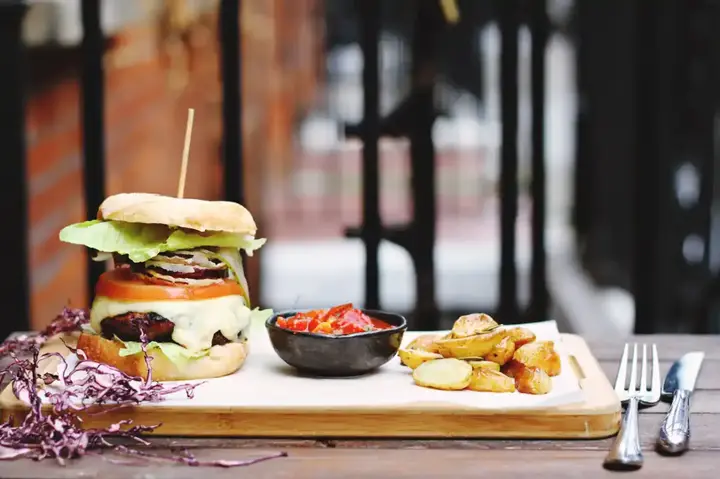
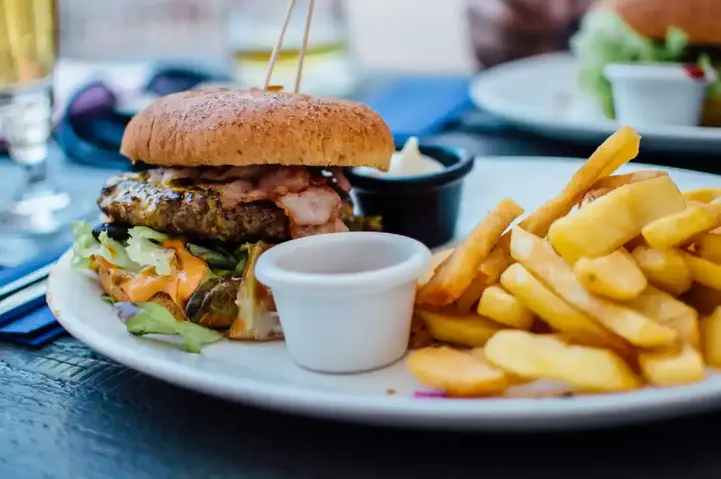
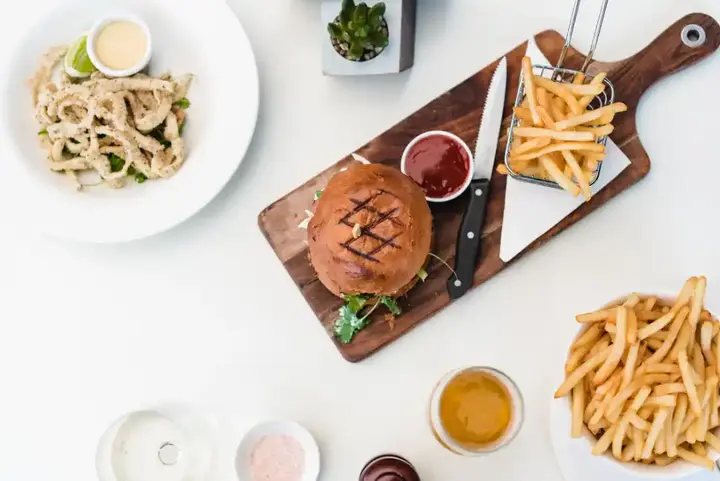
3. Reduce your intake of junk foods. Items such as pizza, burgers, and fries often provide few nutrients and can be high in calories, saturated fat, sodium, and sugars.
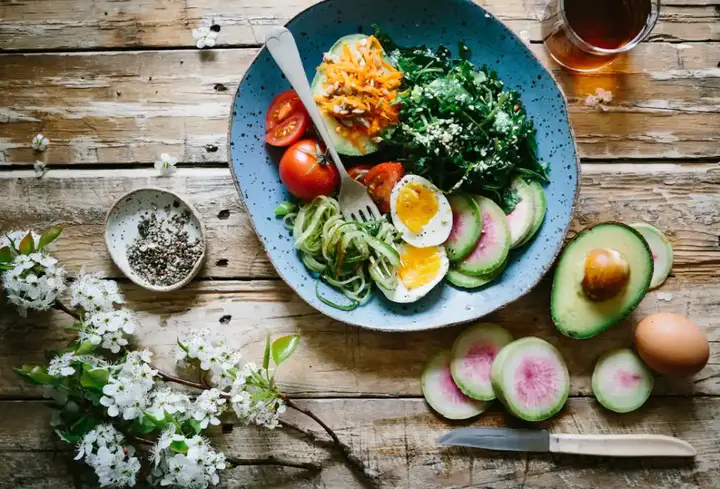
4. Enjoy home-cooked meals. Cook at home more often using fresh ingredients — you can make quick meals that are suitable for freezing. Home cooking can help you lose weight, lower cancer risk, and give you the satisfaction of preparing something tasty for yourself and your family.
Occasional overeating of junk food may be acceptable, but regular consumption is harmful to health. Readers are encouraged to discuss food delivery culture and share their experiences of trying to eat healthier.