Muscat: Tranquil luxury between the mountains and coasts of Oman
ADVERTISEMENT
Muscat, the capital of the Sultanate of Oman, is one of the Middle East's most beautiful travel destinations, combining ancient history with striking natural scenery. The city stretches between Oman's rocky mountains and the shores of the Arabian Sea, making it a unique place that attracts hikers and travelers looking
ADVERTISEMENT
for a peaceful blend of nature, luxury and rich heritage. Muscat offers visitors an unmatched sense of luxury, framed by stunning natural sites and remarkable cultural attractions.
Nature: Oman Mountains and Muscat Coasts
Photo from Wikimedia
Muscat is distinguished by varied topography that makes it a singular destination for nature lovers. Towering mountains with rocky peaks rise along the city, seeming to watch over it from above. These mountains are more than just a scenic backdrop; they are a playground for mountain trekking and climbing enthusiasts.
ADVERTISEMENT
One of the most famous ranges near Muscat is the Al Hajar Mountains, part of Oman’s largest mountain system. These mountains offer spectacular views and attractions such as Jebel Akhdar (the Green Mountain), one of Oman’s leading ecotourism destinations. Jebel Akhdar enchants visitors with its varied landscapes, especially in spring when flowers bloom and the slopes turn bright green.
Alongside the mountains, Muscat has picturesque coastlines on the Arabian Sea. The beaches are not only places to relax; they host many water activities including diving, swimming and surfing. Qurum Beach is among the city’s most popular shores, where visitors can enjoy enchanting sunsets or a delicious seafood meal at nearby restaurants.
ADVERTISEMENT
Tranquil luxury: luxury resorts and a unique recreation experience
Beyond its scenic nature, Muscat offers luxury travelers a range of resorts that provide comfortable stays and peaceful leisure experiences. The city is home to internationally renowned properties, such as the Shangri-La Resort and Al Bustan Palace, two of the region’s most luxurious hotels. These resorts give guests a complete experience: relaxing accommodation with mesmerizing mountain or sea views, along with lavish services like hammams, spas and massages—making them ideal places to rest and unwind.
Many of these resorts sit on private beaches, offering guests a secluded and upscale experience away from the city's bustle. If you want an escape from everyday life and a chance to enjoy tranquility, Muscat provides a perfect sanctuary that blends nature with luxury.
ADVERTISEMENT
Culture and History: Exploring Old Muscat
Photo from Wikimedia
In addition to its natural beauty and luxury, Muscat is rich in culture and history. The city’s long past is reflected in its traditional Omani character and landmarks. Historic forts, such as Al Jalali and Al Mirani, are among the city’s most important sites, telling stories of the past and showcasing the splendor of Omani defensive architecture.
Al Alam Palace is another example of Muscat’s architectural beauty and serves as the official ceremonial residence of the Sultan of Oman. The palace is noted for its distinctive design and colors that blend traditional and modern architectural tastes. It is one of the most prominent places for visitors to learn about Omani culture and history.
ADVERTISEMENT
Traditional souks are also an essential part of any visit to Muscat. The famous Mutrah Souq is a must for shoppers and anyone interested in traditional Omani handicrafts. The market is an ideal place to buy frankincense, silverware, textiles and souvenirs, and to savor the aromas of local spices and herbs that fill the air.
Omani cuisine: an unforgettable dining experience
No visit to Muscat is complete without sampling rich Omani cuisine, which reflects the country’s culture and history. Omani food blends flavors and influences from the Arabian Peninsula, India and East Africa. Makbous and Shuwa are traditional dishes visitors should try; they combine seasoned rice with slow-cooked grilled meats for deep, satisfying flavors.
ADVERTISEMENT
Visitors can also enjoy fresh fish and seafood at restaurants along the beaches. The Cave is one well-known restaurant that offers an exceptional dining experience in a romantic setting overlooking the sea. In addition to traditional fare, Muscat has many restaurants serving international cuisine to suit a range of tastes.
If you enjoy activities and adventure, Muscat offers many ways to explore the city and its surroundings. You can take cruises to nearby islands to admire dolphins and sea turtles, or dive to discover marine life among coral reefs and colorful fish.
Visitors can also join desert safaris from Muscat to explore vast sand dunes. These outings are a great chance to experience traditional Bedouin life, ride camels and enjoy the desert’s unforgettable sunsets.
ADVERTISEMENT
Muscat: a harmonious blend of heritage and modernity
One of Muscat’s strengths is its ability to blend heritage and modernity smoothly. While the city remains true to its long traditions and rich heritage, it also keeps pace with the times by offering modern infrastructure and luxury hotels and resorts that meet the expectations of contemporary visitors. This balance makes Muscat an ideal destination for those seeking comfort alongside discovery.
Muscat is also one of the safest cities in the world, making it a comfortable destination for families and travelers who want to enjoy their holiday without worry. Modern infrastructure and high-quality tourism services further enhance the luxurious experience.
ADVERTISEMENT
Muscat Travel Tips
Photo from Wikimedia
The best time to visit Muscat is between October and April, when temperatures are mild and ideal for exploring the city and enjoying outdoor activities.
It is advisable to book luxury hotels and resorts in advance, especially during peak tourist seasons, to ensure your preferred accommodation is available.
Learning a few basic Arabic phrases is helpful and shows respect for the local culture, even though many residents speak English fluently.
Muscat is the perfect destination for travelers seeking a blend of luxury, nature and culture. Whether you want to relax on its charming beaches, explore its majestic mountains, or immerse yourself in its rich history, Muscat promises an unforgettable experience filled with tranquility and natural beauty. In every corner you will find something new that impresses you and invites you to return.
Yasser Sayeh
ADVERTISEMENT
What the Egg Debate Reveals About Our Bodies' Approach to Dietary Cholesterol
ADVERTISEMENT
In 1913, Anitschkow, an experimental pathologist, carried out an unusual experiment: he fed rabbits pure cholesterol every day and monitored their arteries. Within four to eight weeks he observed lesions similar to those seen in humans with atherosclerosis, a condition in which arteries become clogged
ADVERTISEMENT
and that is linked to heart attacks and strokes.
The cholesterol in egg yolks — the same pure cholesterol used in his experiment — was identified as the harmful factor. This idea took hold because many studies have shown that high cholesterol levels are a risk factor for cardiovascular disease. By 1968, the American Heart Association recommended limiting dietary cholesterol to less than 300 mg per day and advised consuming no more than two to three whole eggs weekly. That guidance sparked a lasting fear of eggs. Even after the American Heart Association later relaxed its guidance to allow more eggs, the damage to public perception had already been done.
ADVERTISEMENT
The Egg Dilemma
Photo via stevepb on pixabay
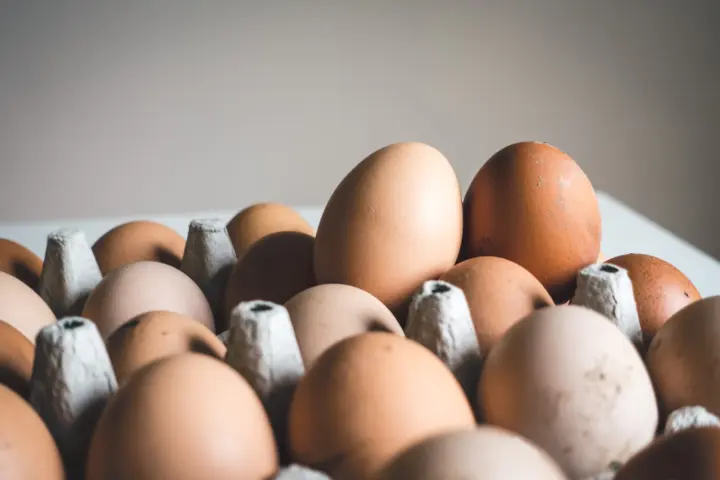
Egg yolks are high in cholesterol — a large egg (50 grams) contains about 186 mg. On paper, that is more than half the recommended daily limit of 300 mg from a single egg. Yet real-world examples tell a different story. Consider the "Egg Man," an 88-year-old who ate 25 eggs a day for more than 15 years. Surprisingly, his arteries were not clogged. He had normal cholesterol levels and showed no signs of atherosclerosis or heart disease. That example, however, does not prove that eggs are harmless. Many studies have produced mixed results. Patel, a cardiology consultant at University College London, summed this up: "Despite many years of research, the question about eggs and health remains unanswered, as various observational studies over past decades have shown conflicting results - some suggest moderate egg consumption is fine, while others indicate it might be harmful." As more research appears, one fact has become clear: not all cholesterol from food ends up in the bloodstream.
ADVERTISEMENT
1: Not All Dietary Cholesterol Reaches the Blood
Photo via Jakub Kapusnak on unsplash
Bad cholesterol is known to contribute to heart disease and is typically returned to the liver for disposal. Research has shown that not all dietary cholesterol is absorbed by the body. For example, the Egg Man absorbed only 18% of the cholesterol he ate. In the wider population, absorption rates vary widely, from about 29% to 80%. What drives that variation? Factors such as race and genetic disorders can push absorption higher or lower. How we eat eggs also affects how much cholesterol is absorbed.
One study placed 20 men (ages 21 to 33) on diets that differed in fat content: one diet was high in unsaturated fats and low in saturated fats, the other was high in saturated fats and low in unsaturated fats. Each diet already contained 300 mg of cholesterol. The men then ate either 750 mg (three eggs) or 1,500 mg (six eggs) of additional cholesterol. When 750 mg of cholesterol was added to the saturated-fat–rich diet, LDL rose by 115%; increasing the added cholesterol to 1,500 mg raised LDL by 125%.
ADVERTISEMENT
2: It May Not Be Cholesterol Causing Cardiovascular Problems, But Another Component in Egg Yolks
Photo via DagnyWalter on pixabay
Spence and others have argued that the potential danger from eggs may not come from cholesterol itself but from the high levels of phosphatidylcholine in yolks. This effect, noticeable hours after eating, appears to involve interactions with gut bacteria. Phosphatidylcholine contains choline, an essential nutrient important for brain functions such as mood, memory, and muscle control, and for forming cell membranes.
The proposed mechanism is that gut bacteria convert choline from food into trimethylamine (TMA). The TMA is then absorbed and oxidized in the liver into trimethylamine N-oxide (TMAO), which may be problematic. An observational study that followed 4,007 people for three years after a heart exam found that those who later had heart attacks, strokes, or died had significantly higher blood levels of TMAO. Still, this theory needs more research before drawing firm conclusions about choline's effects.
ADVERTISEMENT
3: Eggs May Not Be Well-Tolerated by Type 2 Diabetics
Photo via JillWellington on pixabay
A study of 1,013 people with diabetes in Greece found that eating 40 grams of eggs per day was associated with more than a fivefold increase in the risk of cardiovascular disease. Notably, the participants had no other major illnesses such as cancer and generally followed a relatively healthy diet. Caution is warranted because 72% to 85% of people with type 2 diabetes have impaired lipid metabolism. They process fats (including cholesterol) differently from people without diabetes, which may make them more susceptible to cardiovascular disease and related deaths.
Lucía Ferrer
ADVERTISEMENT
Li-Fi Technology: Internet at the Speed of Light
ADVERTISEMENT
The widely recognized Wi-Fi technology now seems outdated compared with Li-Fi, which emerged in 2011. Invented by scientist and professor Harald Haas at the University of Edinburgh, where he served as an assistant professor in the wireless communication department, the technology has been under continuous development. Today it ranks among
ADVERTISEMENT
the most important communication technologies worldwide. Li-Fi is known for its speed, accuracy, and security, making it well suited to sensitive fields such as medicine and industry.
What is Li-Fi Technology?
Photo from Unsplash
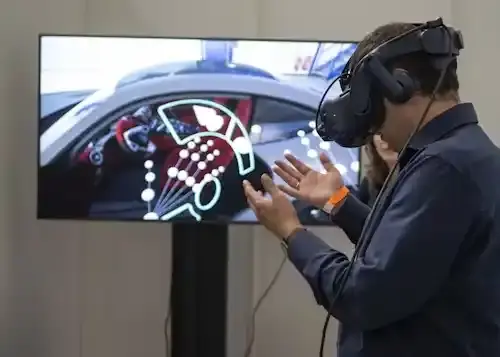
To define Li-Fi technology, it is a wireless communication method that uses visible light particles to transfer data, developed and discovered in Scotland in 2011. Li-Fi operates similarly to Wi-Fi by wirelessly connecting two devices, but while Wi-Fi relies on radio signals for connection, Li-Fi uses light particles. These particles do not necessarily come from sunlight; they can also come from ordinary lamps, such as LED lights or any standard spotlight. Thus, Li-Fi represents a new generation of wireless communication technology, currently under development and not yet widely used because several challenges hinder its spread. Scientists are working daily to develop it for global application.
ADVERTISEMENT
Key Differences Between Wi-Fi and Li-Fi Technologies
Photo from Unsplash
As previously mentioned, each technology uses a different basis for transmission and reception. Wi-Fi relies on radio waves, whereas Li-Fi depends on light particles. But this is not the only difference between the two technologies. Here are some important distinctions:
Data Transfer Speed
Wi-Fi's data transfer speed has improved year after year. However, despite these advances, Wi-Fi has not reached absolute speed; it transfers data at several megabits per second, a modest or average rate. Li-Fi's data transfer speed is its most significant advantage, reaching several gigabits per second. This provides an unmatched wireless connection speed that Wi-Fi cannot achieve.
ADVERTISEMENT
Security Level in Connection
Regarding security levels, Li-Fi is the clear winner. Wi-Fi connections rely on radio frequencies, ranging from 2.4 MHz to 5 MHz. With modern technologies and devices, these frequencies can be easily hacked or disrupted.
Meanwhile, Li-Fi uses light particles, which are much more difficult to penetrate directly, making Li-Fi connections more secure and better at protecting data.
Application Fields for Each
Li-Fi, due to its high-speed connection rate and strong security, is suitable for areas demanding high-speed connectivity, such as companies, medical centers, and laboratories. It is also ideal for places requiring high data security, like banks and government offices. Wi-Fi, meanwhile, is very well suited for home use because of its ubiquity and practicality.
ADVERTISEMENT
Major Challenges Facing the Spread of Li-Fi Technology
Photo from Unsplash
Some people believe that Li-Fi technology has not been launched yet, but this is not entirely accurate. Li-Fi is already deployed in many projects worldwide. However, the main challenges hindering its global commercial spread similar to Wi-Fi's are as follows:
Environmental Impact:
One of the main hurdles Li-Fi faces is the necessity for a constant light source, which is not always feasible, especially in open spaces. While lighting can be controlled indoors in institutions and buildings, it is complex to manage on streets. At night, it becomes challenging for this technology to transmit signals effectively outdoors. Therefore, it is more suitable for indoor locations where light can be continuously controlled; however, this may increase electricity bills and energy consumption.
ADVERTISEMENT
Infrastructure Costs:
Li-Fi technology also requires special updates to the lighting infrastructure of the site using it, which can be very expensive. Whether it's providing continuous lighting or installing solar cells, these costs can be manageable for small areas but very costly for larger spaces.
Light Interference:
Another challenge Li-Fi faces is interference from diverse light sources, such as colored spotlights or lamps producing varied lighting. This interference can cause communication disruptions between devices.
Photo from Unsplash
Li-Fi is a novel technology still under development. It boasts remarkable advantages like extremely high data transfer speeds using very fast light particles, resulting in faster data transmission than radio-frequency-based Wi-Fi with its specific range and frequency. However, it also has drawbacks such as high costs and environmental sensitivity, but scientists are working on overcoming these drawbacks to implement it commercially worldwide.