Lebanese cuisine is popular not only across the Arab world but globally; it competes strongly with French and Italian cuisines. It’s rare to find a country without Lebanese restaurants because the cuisine appeals to many tastes. Its popularity stems not only from delicious flavors but also from the fact that
ADVERTISEMENT
most Lebanese dishes offer healthy, nutritious, and tasty meals at the same time.
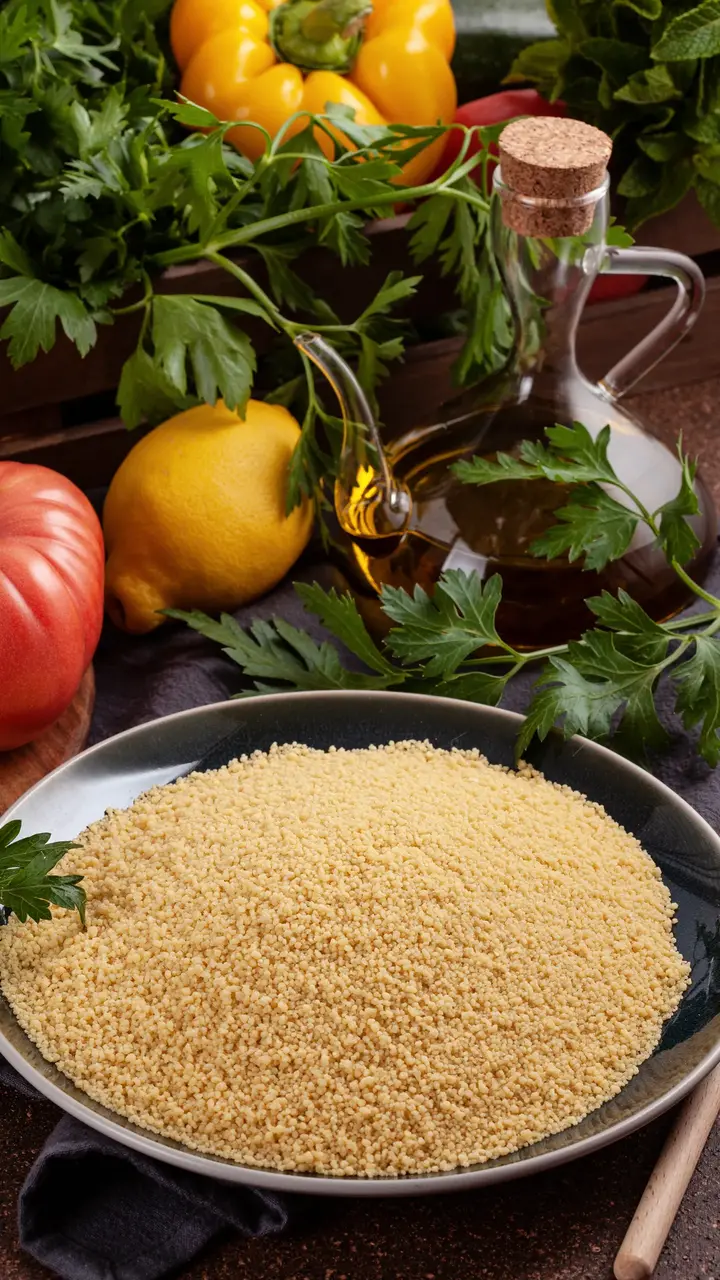
Lebanese cuisine makes abundant use of vegetables, meat, grains, olive oil, garlic, and lemon, along with distinctive ingredients such as pomegranate molasses and seasonings like thyme. Sauces such as tahini, the garlic sauce, and coriander mixtures add a unique touch to many dishes. Lebanese cooking relies mainly on fresh produce, and preserves or processed foods are seldom used. A Lebanese restaurant draws you in gradually: you begin with appetizers or mezze—cold and hot—move on to salads, enjoy healthy grilled meats, and finish with delicious desserts and traditional and international drinks.
ADVERTISEMENT
Syrian cuisine shares some dishes with Lebanese cuisine, though it has not gained the same international fame. If you enjoy history, you will notice that Lebanese cooking is influenced by Arab, Ottoman, Middle Eastern, and Mediterranean traditions. You cannot separate Lebanese cuisine from the culture and identity of the Lebanese people; it is a gateway to understanding a people who love life, socializing, and the pleasures of food. In Lebanon, eating is a daily celebration, pleasing to the eye with its varied colors and distinctive flavors.
Cold and hot mezze in Lebanese cuisine
Photo from Unsplash
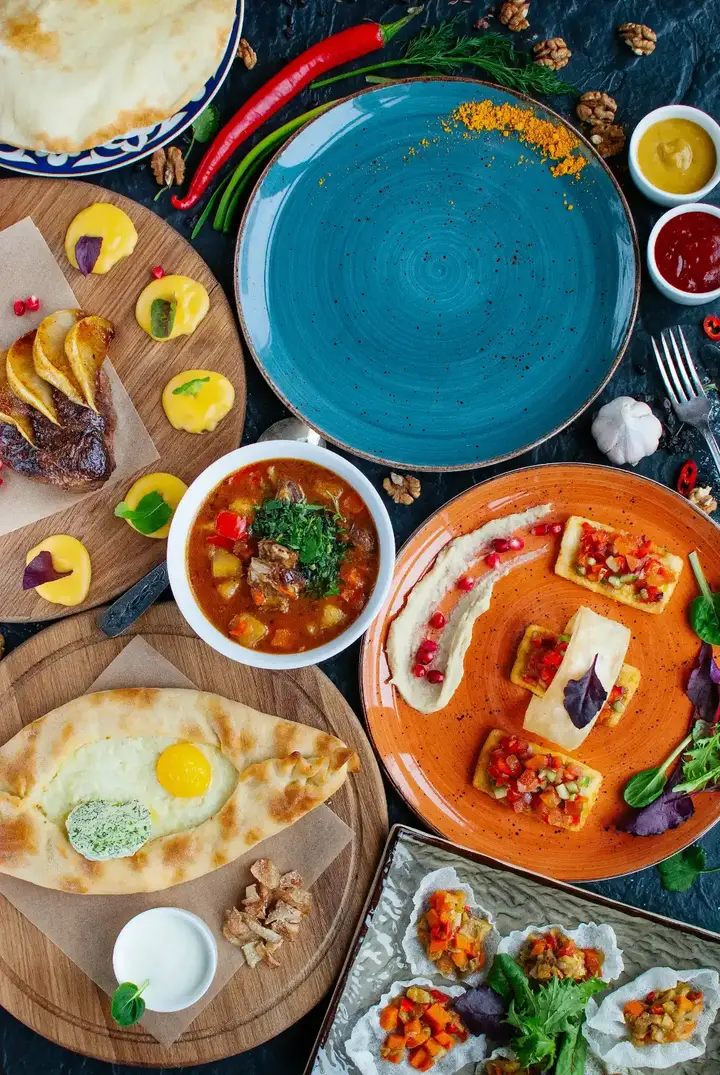
Appetizers take center stage for many people—some even prefer them to the main course. Lebanese mezze are ideal for starting a healthy, abundant, and satisfying meal, and they also work well as snacks or for gatherings with friends. Cold mezze include salads such as tabbouleh—made with fresh parsley, tomatoes, bulgur, lemon, and thyme—and fattoush, which features tomatoes, cucumbers, radishes, and mint with fried or toasted bread. Other starters include hummus with tahini, eggplant mutabbal, cowpeas, okra in oil, and stuffed vine leaves dressed with olive oil.
ADVERTISEMENT
Hot mezze include chicken liver with pomegranate molasses, fried grilled cheese bites, spinach and meat pies, sambousek, and fried kibbeh made from bulgur. Don’t be surprised if a Lebanese person tells you there are about 70 kinds of kibbeh, including vegetarian versions made with chickpeas or lentils, and varieties stuffed with meat, pine nuts, and onions. There are also sausages glazed with pomegranate molasses and other delicacies that come before the main course and are beloved by Lebanese food enthusiasts.
Lebanese cuisine spices & sauces
Photo from Unsplash
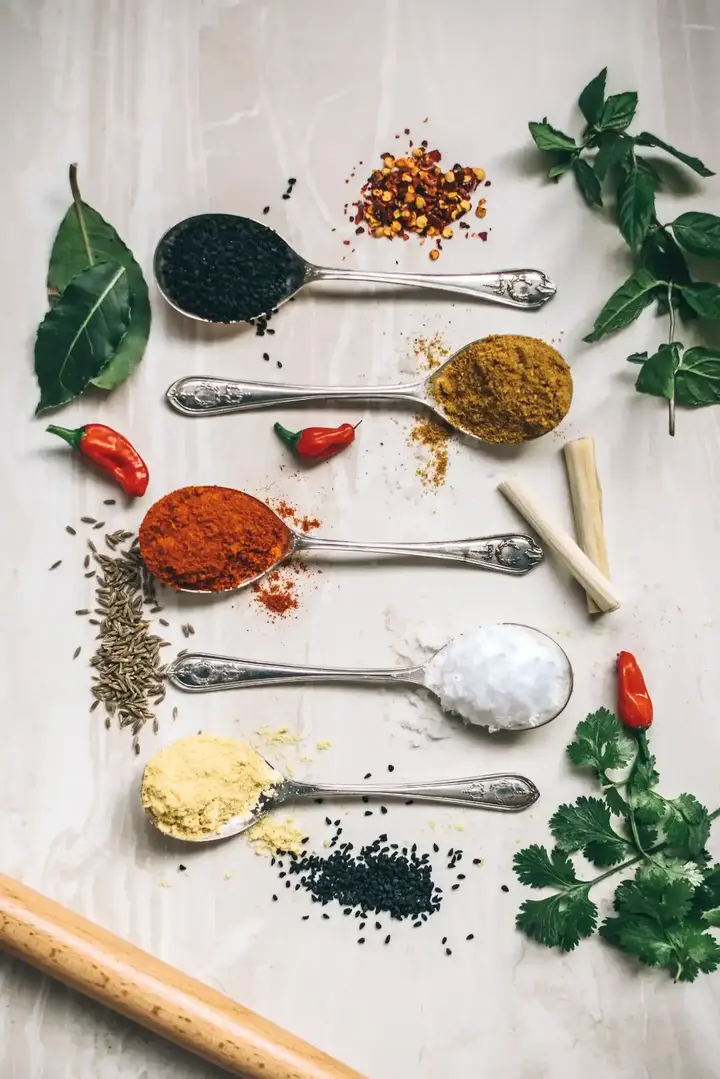
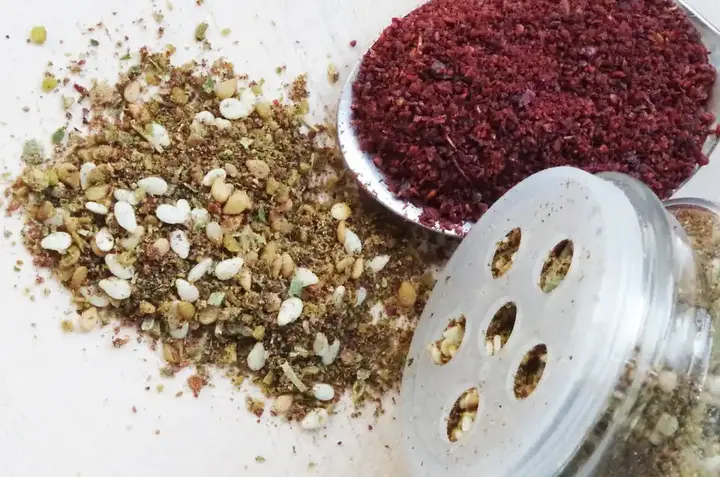
Lebanese cooking uses mostly mild spices such as white and black pepper, sumac, thyme, anise, cloves, cumin, nutmeg, ginger, and cardamom. Garlic features in many dishes for its flavor and health benefits. You have likely heard of the "seven spices" blend often used in soups, salads, rice, and kibbeh. The Lebanese seven-spice mix typically contains black pepper, cinnamon, cloves, coriander, cumin, nutmeg, and paprika; some families add fenugreek, cardamom, or ginger.
ADVERTISEMENT
Lebanese cuisine is also known for its sauces, some inspired by other culinary traditions and served alongside grilled meats and other dishes. Common sauces include tahini, pomegranate molasses, garlic sauce, and coriander and tomato sauce, and occasionally a hot sauce served with items like sausages, although spicy sauces are not widespread in Lebanese cooking.
Lebanese kitchen pastries
Photo from Pixabay
Lebanese pastries are commonly eaten for breakfast, and some people enjoy them with lunch. Among the most famous are labneh pies with mint and sumac and manakish—thin flatbreads brushed with oil and topped with cheese or a cheese-and-thyme mixture. They are perfect as a snack or a breakfast item and a common choice on picnic menus.
ADVERTISEMENT
Thyme is a hallmark of manakish: it acts as an antioxidant, supports respiratory health, and soothes cough symptoms. You will find thyme in many Lebanese dishes. Another popular pastry is meat-filled flatbread: a thin dough covered with spiced minced meat, tomatoes, onions, pomegranate molasses, and seasonings.
Main courses in Lebanese cuisine
Photo from Unsplash
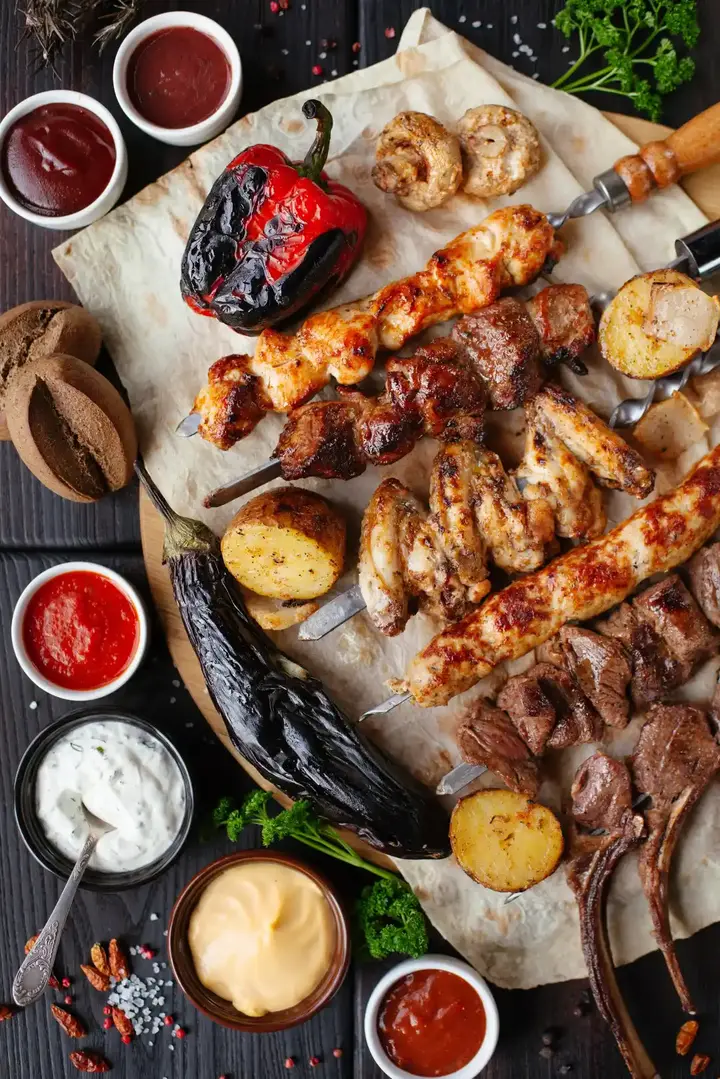
Lebanon is famous for its grilled dishes, which feature meats and poultry cooked over a grill. Grilling produces flavorful yet healthy meals; kebabs and grilled chicken shish tawook served with tomatoes, onions, peppers, and eggplant are among the most popular. Grills also lend themselves well to family meals and picnics with friends.
Other staple dishes include chicken kabsa, chickpea fatteh, and mujaddara—a nutritious combination of rice, lentils, and fried onions used as a garnish. In some regions, mujaddara is made with bulgur and lentils and served with assorted pickles. You will also find stews with rice, meat and chicken dishes, spicy fish, and Lebanese molokhia. Musakhan rolls—Lebanese bread filled with boiled chicken, sumac-marinated onions, cumin, salt, and olive oil, shaped like spring rolls and fried—are another popular item.
ADVERTISEMENT
Don’t forget lentil soup, meat and vegetable fatteh with eggplant and chickpeas, and lamb tongue fatteh made with yogurt. Manti—small dough parcels filled with lamb, onions, and spices and served with a yogurt sauce—are eaten in Lebanon and also in Turkey. Lebanese shawarma, similar to Syrian shawarma but with different spices, is common on Lebanon’s streets, though Syrian shawarma is often considered superior in taste and popularity.
Lebanese cuisine dessert
Photo from Unsplash and Photo from Pixabay
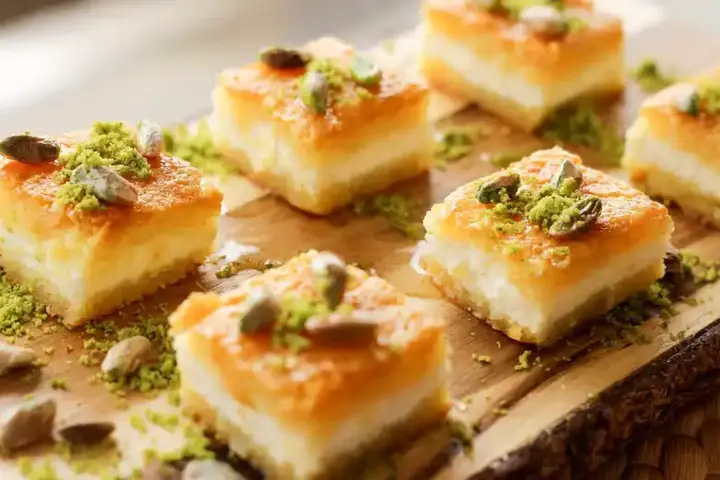
Lebanese desserts vary widely from city to city. Common ingredients include semolina, rice, nuts such as walnuts and pistachios, cheese, cream, and orange blossom water. One of the best-known desserts is Layali Lebanon, a popular evening treat for family and friends; it consists of semolina, cream, custard or cream filling, and is garnished with pistachios. Another favorite is "bread saraya," made from toasted bread topped with cream, milk, and starch flavored with orange blossom water and nuts.
ADVERTISEMENT
Other sweets include Tripoli cheese dessert, which is often eaten during holidays, almond-stuffed pastries, cream-filled madlouqa, namoura, rice-based desserts, turkish delight-like rows, ice cream and traditional Lebanese ice cream. There are also Siniora biscuits, almond treats, and white cotton candy. The milk buoy is made from sheep’s milk, flour, sugar, and bitter orange.
Drinks and beverages in Lebanon
Photo from Pixabay
You might be surprised to learn that "white Lebanese coffee" is actually caffeine-free: it is made from water, sugar, orange blossom water or a drop of orange blossom essence, served in teacups, and is prized for its calming effect. Jellab with pine nuts is a concentrated date-based drink—made from dates, water, and orange blossom water—garnished with raw and roasted pine nuts; it is a traditional beverage found especially in rural areas. Ayran, a mix of yogurt, water, and salt, and syrup made from orange blossom or ripe fruit are also popular.
ADVERTISEMENT
Lebanon also shares many drinks with other Arab countries, such as tamarind, carob, qamar al-din, licorice, and various fruit drinks and cocktails. Lebanon is famous for its alcoholic anise-based spirit, arak, which is distilled from grapes and anise.
Lebanese cuisine and gastronomic tourism
Photo from Pixabay
Just as there is medical tourism and beach tourism, there is also food tourism. Hundreds of tourists flock to Lebanon each year to enjoy Lebanese food, which is one of the country’s main tourist attractions. Lebanese restaurants are major destinations for visitors from around the world, and food plays a key role in promoting cultural exchange.
Annual cooking competitions and events aim to boost the economy and tourism, preserve Lebanon’s culinary heritage, and develop cooking methods. Food tours are organized to explore local cuisine and street food. The Food Market Festival, whose slogan is "Our summit brings us together," is a traveling market for food and music that tours Lebanon throughout the year, offering Lebanese and international cuisine at reasonable prices. The festival is a mobile cultural platform.
ADVERTISEMENT
Among the food markets, the best-known is Souk El Tayeb, which aims to support small farmers in Lebanon by giving them a place to sell juices, jams, dairy products, and organic goods. The market is held weekly on Saturdays in the Saifi neighborhood.
Noha Mousa
ADVERTISEMENT
Ways to Tell if Someone is Wealthy Without Them Ever Saying a Word
ADVERTISEMENT
Wealth doesn’t always announce itself with luxury cars or prominent designer logos. Many genuinely wealthy people prefer to stay out of the spotlight, letting their appearance convey quiet elegance and calm. One clear sign of wealth is how a person presents themselves—their clothing, grooming, and overall bearing.
1. Custom-tailored clothing:
ADVERTISEMENT
Wealthy people often wear clothes that fit perfectly—not because they follow trends, but because they are tailored. Tailoring gives a level of luxury: garments fall and move smoothly, flattering the wearer. Even when the brand is unknown, the fit and fabric usually stand out.
2. Understated luxury: Rather than loud logos, they often choose simple, chic pieces from discreet high-end brands such as Loro Piana, Brunello Cucinelli, and The Row—names familiar to insiders but invisible to the casual observer.
ADVERTISEMENT
1. Skincare: Their skin appears healthy and well cared for, thanks to access to high-end skincare, dermatologists, and wellness programs. Haircuts are fresh, nails neat, and fragrance is subtle and refined—often from niche perfume houses.
2. Accessories with quiet power: A plain leather bag, a classic watch, or handcrafted shoes can signal wealth without saying a word. These items are chosen for craftsmanship and durability rather than ostentation.
Photo by Stephan Louis on Unsplash
Lifestyle Choices that Reveal Financial Freedom
Another way to spot hidden wealth is to watch someone’s lifestyle—not just where they live, but how they spend their time, energy, and attention. Wealthy people often have more control over their schedules, which lets them prioritize experiences, health, and personal growth.
ADVERTISEMENT
1. Time autonomy: They are often not tied to a fixed 9-to-5. They may run their own businesses, work remotely, or live off investments. That freedom lets them travel, pursue hobbies, or simply enjoy unhurried leisure.
2. Travel habits: Frequent trips to uncommon or remote destinations—often during off-peak times—can be a sign. They may casually mention a yoga retreat in Bali, a wine tour in Tuscany, or a spontaneous weekend in Iceland.
3. Health and wellness investments: They often invest heavily in their health—personal trainers, organic diets, specialized fitness classes, and mental-wellness practices like therapy, meditation, or biohacking.
4. Time-and-money-intensive hobbies: Activities such as sailing, horseback riding, art collecting, or attending exclusive cultural events typically require both money and time.
ADVERTISEMENT
These lifestyle indicators reflect a deeper reality: wealth buys freedom. If someone appears to live on their own terms, with access to rich experiences and the time to enjoy them, they may be quietly wealthy.
Photo by RDNE Stock project on Pexels
Financial Culture and Conversational Clues
You can often tell someone is wealthy by how they approach money—or by their reluctance to discuss it. Wealthy people tend to have broad financial knowledge, and their conversations reflect an understanding of economics, investing, and long-term planning.
1. Investment fluency: They may casually mention asset classes—real estate, stocks, private equity, venture capital—and talk about returns, diversification, and risk management rather than just income or expenses.
ADVERTISEMENT
2. Avoidance of price talk: Wealthy people rarely tout prices or brag about purchases. They're more likely to discuss value, quality, or experience. They don't need to boast about cost.
3. Long-term thinking: Their decisions reflect planning for the future—trusts, estate planning, philanthropy, and generational wealth. They think in decades, not days, and often talk about legacy rather than lifestyle.
4. Quiet confidence: They speak with quiet assurance rather than arrogance. Their tone is informed, calm, and often humble. They don't feel the need to prove their intelligence or status; their knowledge and presence speak for them.
These conversational clues reveal a mindset shaped by financial stability. If someone appears unusually calm about money, avoids rash decisions, and speaks with strategic insight, they might be wealthy—even if they never say so outright.
ADVERTISEMENT
Photo by Max Harlynking on Unsplash
Social Circles and Subtle Influence
Wealth often shows in the company one keeps and the influence one wields. The wealthy tend to move in circles that mirror their standing—through work, shared interests, or social engagement. Their networks are often filled with other high-achieving, well-connected people.
1. High-quality networks: They associate with influential people—CEOs, investors, creatives, and thought leaders. Their circle includes individuals who shape industries rather than merely take part in them. They may casually mention founders, artists, or executives as friends.
2. Hidden power: They may serve on boards, fund startups, or advise organizations behind the scenes. Their influence is often quiet but far-reaching; they do not need the limelight to make an impact.
ADVERTISEMENT
3. Philanthropy and giving: Wealthy people often give through foundations, scholarships, or community projects. They may support specific causes with time, money, or expertise, and their giving tends to be strategic and values-driven.
4. Exclusive access: They receive invitations to private dinners, retreats, or summits not open to the public. Deals get made and ideas are exchanged at these gatherings, away from public view.
These social indicators reveal the extent of reach and influence. If someone seems to move seamlessly among high-level circles, contributes meaningfully to specific causes, and holds influence in professional or cultural fields, they likely possess significant wealth—even if they never mention it.
Lennart Vogel
ADVERTISEMENT
Friendships: enrich your life and improve your health
ADVERTISEMENT
Explore the link between health and friendship, and how to foster and maintain healthy relationships.
Friendships can significantly affect your well-being, but developing and keeping them isn’t always easy. Understanding the role social connections play in your life—and what you can do to build and nurture lasting friendships—matters.
What Are
ADVERTISEMENT
the Benefits of Friendships?
Photo from Unsplash
Good friends are good for your health. They celebrate with you during happy times and support you during hard ones. Friends help prevent isolation and loneliness and offer companionship. Friends can also:
1. Boost your sense of belonging and purpose
2. Enhance your happiness and reduce stress
3. Improve your self-confidence and self-worth
ADVERTISEMENT
4. Help you cope with traumas like divorce, serious illness, job loss, or the death of a loved one
5. Encourage you to change or avoid unhealthy habits, such as excessive drinking or lack of exercise
Friends also play a role in overall health: adults with strong social connections have a lower risk of major health problems, including depression, high blood pressure, and unhealthy body mass index (BMI). Studies show older adults with meaningful relationships and social support tend to live longer than peers with fewer connections.
Why is Making or Maintaining Friendships Sometimes Difficult?
Photo from Unsplash
Many adults find it hard to make new friends or keep existing ones. Other priorities—work, caring for children or elderly parents—can take precedence. You and your friends may drift apart because of life changes or different interests. Or you may have moved to a new community and not yet found ways to meet people. Building and maintaining good friendships takes effort, but the joy and comfort they bring make it worthwhile.
ADVERTISEMENT
How Many Friends is Healthy?
Photo from Unsplash
Quality matters more than quantity. While a diverse network of acquaintances can be useful, close, meaningful relationships are more likely to give you the sense of belonging and support you need through ups and downs.
What are Some Ways to Meet New Friends?
Photo from Unsplash
Consider forming friendships with people already in your social orbit. Think of people you’ve met—even briefly—who left a positive impression.
You can make new friends and strengthen existing relationships by:
1. Staying in touch with people you’ve worked with or taken classes with
2. Reconnecting with old friends
3. Talking more with people you enjoyed chatting with at social gatherings
ADVERTISEMENT
4. Introducing yourself to neighbors
5. Making time to connect with family members
If someone stands out in your memory as someone you’d like to know better, reach out to them.
Ask friends or mutual acquaintances for the person’s contact information, or better yet, have them reintroduce you by text, email, or in person.
Extend an invitation for coffee or lunch.
To meet new people who might become friends, go to places where others gather. Don’t rely on a single strategy—try multiple approaches. The more you reach out, the more likely you are to connect with people.
Persistence matters. Take the initiative instead of waiting for invitations, and keep trying. You may need to suggest plans several times before you learn whether a new friendship is mutual.
ADVERTISEMENT
Try these ideas:
1. Attend community events. Look for groups or clubs centered on shared interests or hobbies. You can find these groups online, in newspapers, or on community bulletin boards. Many websites also help you connect with new friends in your town—try a web search for "[your city] + social networking" or "[your area] + meetups."
2. Volunteer. Offer your time or talents at a hospital, place of worship, museum, community center, charity, or other organization. You can build strong connections when you work with people who share your interests.
3. Extend and accept invitations. Invite a friend to join you for coffee or lunch. Say yes when you’re invited to a social event. Follow up with someone who recently invited you to an activity.
ADVERTISEMENT
4. Take up a new interest. Enroll in a college or community education course to meet people with similar interests. Join a class at your local gym, senior center, or community fitness facility.
To meet new people who might become friends, go to places where others gather. Don’t rely on a single strategy—try several. The more you reach out, the more likely you are to meet people.
Persistence also matters. Take the initiative instead of waiting for invitations, and keep trying. You may need to suggest plans several times before you find out if your interest in a new friend is mutual.
Try these ideas:
1. Attend community events. Look for groups or clubs centered on shared interests or hobbies. You can find these groups online, in newspapers, or on community bulletin boards. Many websites also help you connect with new friends in your town—try a web search for "[your city] + social networking" or "[your area] + meetups."
ADVERTISEMENT
2. Volunteer. Offer your time or talents at a hospital, place of worship, museum, community center, charity, or other organization. You can build strong connections when you work with people who share your interests.
3. Extend and accept invitations. Invite a friend to join you for coffee or lunch. Say yes when you’re invited to a social event. Follow up with someone who recently invited you to an activity.
4. Take up a new interest. Enroll in a college or community education course to meet people with similar interests. Join a class at your local gym, senior center, or community fitness facility.
How Does Social Media Affect Friendships?
Photo from Unsplash
Joining a chat group or an online community can help you form or maintain connections and ease feelings of loneliness. However, research shows that using social networking sites doesn’t necessarily lead to a larger offline network or closer offline relationships with those contacts. Be cautious about sharing personal information or arranging meetings with someone you’ve only met online.
ADVERTISEMENT
How Can I Nurture My Friendships?
Photo from Unsplash
Healthy friendships involve give and take. Sometimes you provide support; at other times, you receive it. Letting friends know you care and appreciate them strengthens your bond. Being a good friend matters as much as having good friends. To nurture your friendships:
1. Be kind. Kindness is the foundation of strong relationships. Think of friendship as an emotional bank account—acts of kindness and gratitude deposit into it, while criticism and negativity withdraw from it.
2. Be a good listener. Ask about what’s going on in your friends’ lives. Show you’re paying attention with eye contact, body language, and brief responses like "That sounds fun." When friends share difficult experiences, be empathetic and avoid offering advice unless they ask for it.
ADVERTISEMENT
3. Build intimacy by opening up. Sharing personal experiences and interests shows a friend they hold a special place in your life and can deepen your connection.
4. Show you can be trusted. Dependability and reliability are key. Keep your commitments, arrive on time, and follow through on promises. When friends confide in you, keep their confidence.
5. Make yourself available. Close friendships take time. Make an effort to see new friends regularly and stay in touch between meetups. You may feel awkward at first, but that usually fades as you grow more comfortable.
6. Manage social nerves with mindfulness. You might imagine the worst in social situations or feel tempted to stay home. Use mindfulness exercises to change your thinking. Notice how rarely the embarrassing scenarios you fear actually occur. When awkward moments happen, remind yourself the feelings will pass and you can cope. Practices like yoga and other mind-body relaxation techniques can reduce anxiety and help you face tense situations.
ADVERTISEMENT
7. Remember, it’s never too late to form new friendships or reconnect with old ones. Investing time in making and strengthening friendships can pay off with better health and a brighter outlook for years to come.