The 8 strangest random historical facts you won't believe
ADVERTISEMENT
From ancient cultures to current wars, history is an endless source of fascinating knowledge. But some facts are difficult to accept.
These strange and random historical facts will make you want to travel through time! Check out these fascinating facts about the strangest parts of history!
1.
ADVERTISEMENT
The Middle Ages did not smell bad!
الصورة عبر beano
When we think of the medieval period, what comes to mind? People in stock? Knights? Smelly peasants covered in dung? Well, contrary to popular fantasy, medieval people weren't smelly at all! In fact, medieval Europeans took bathing seriously. They had full bathrooms specially designed for washing. Cleanliness was not always easy to maintain in the Middle Ages, but they considered cleanliness to be of great importance! However, later people, such as Georgians and Altiodor, may not have been so clean!
ADVERTISEMENT
2. People used to lock on tea
الصورة عبر beano
You might think people love tea today, but how far they've come in Stewart and Georgian Britain has been a bit crazy! At that time, tea was imported from China, so it was expensive, and only the rich could afford it. It was so expensive, in fact, that special tea boxes with locks were made on them, so no one could steal your tea! It has always been kept in a place where the lady of the house can see, which is why making tea is such an occasion! You will not trust your servants to make you a cup! Will Yorkshire Gold tea bags close today?
3. Napoleon was not so short
الصورة عبر beano
If you know one thing about Napoleon, you'll know that he was short in stature. But it wasn't. His height was actually 5'6, which was the average height of men at the time! Perhaps his enemies mocked him in propaganda pictures as "small", to sound less powerful, but Napoleon himself was not shorter than most men! He also liked to surround himself with tall soldiers, which made him look smaller too.
ADVERTISEMENT
4. Britain once banned Christmas
الصورة عبر beano
Can you think of something worse than that? But that's true, between 1644 and 1660, Lord Protector Oliver Cromwell (a kind of unelected prime minister) banned the celebration of Christmas! Cromwell was Puritania, a type of very strict Christian who believed that fun things like dancing, music, and even makeup were sin and disturbed God. Unsurprisingly, this was not so popular, and there were even riots because of it! The English may not have liked it, but the Scots were not bothered - in Scotland there was no Christmas celebration from 1640 until... 1958! Well, it wasn't a public holiday anyway. This means that your great-grandfather probably had to go to work at Christmas!
ADVERTISEMENT
5. More than one English king died in the toilet
الصورة عبر beano
Can you think of a more embarrassing way? We hate when someone accidentally enters us, let alone found dead in the bathroom! The first English king to die in the bath was King Edmund in 1016, who was stabbed to death while doing his work. In 1216, exactly 200 years later, King John died in or near his toilet of dysentery. Then, in 1760, King George II also went to his maker sitting on the porcesellini throne. King Henry I died in 1135 after devouring lambray (a species of river eel), meaning he may have had toilet disorders. If you want to know more about historical deaths from toilet use, Wikipedia already has a page about it!
6. The Pope once declared war on cats
ADVERTISEMENT
الصورة عبر beano
You may not be a fan of cats, but you certainly can't hate them as much as Pope Gregory IX. Between 1233 and 1234, Gregory, who wielded much power as leader of the Catholic Church, decreed that cats were agents of Satan and must be eradicated.... Maybe he once scratched his couch really badly? This led to the mass killing of poor cats, which in turn may have led to an outbreak of plague, as there are now not many cats to kill rats. Nice work, Gregory! Isn't it!
7. A Roman emperor once declared war on the sea!
الصورة عبر beano
Must be something Italian... According to the stories, Emperor Caligula, who was known to be a bit nervous, was returning home from a failed invasion of Britain, and was desperate to go to war with something - it would be embarrassing to return home empty-handed, wouldn't it? Well, Caligula decided to declare war on the closest thing he could find - Neptune, the god of the sea! He ordered his men to strike the waves and collect shells as a sign of victory. Historians aren't 100% sure of the veracity of this story, but the fact that people believe in it shows how weird Caligula is!
ADVERTISEMENT
8. The Vikings did not have helmets with horns
الصورة عبر beano
If we ask you to imagine the Vikings, you're probably imagining a hairy old man wearing a helmet with horns. But in reality, Viking helmets did not have centuries! Horns may be impractical in battle, although there is evidence of horned helmets in other civilizations! Horned helmets became associated with Vikings only during the nineteenth century, when many series were written about them.
Tasnim Alia
ADVERTISEMENT
Summer Nutrition: Tips and Recipes for Light and Healthy Dishes to Beat the Heat
ADVERTISEMENT
In the hot summer season, the desire for light and refreshing meals becomes essential for maintaining health and fitness. Healthy nutrition during the summer is key to feeling refreshed and active, making the choice of healthy foods and appropriate meals a significant contributor to overall wellness.
If you're looking for
ADVERTISEMENT
ways to enjoy a balanced and healthy diet during the summer, this article offers a collection of valuable tips and delicious recipes to help you enjoy light and healthy dishes suitable for high temperatures. Let's explore together how to follow a balanced and healthy diet during hot days to fully enjoy the summer in all its glory.
Health Benefits of Summer Foods
Image from Unsplash
ADVERTISEMENT
1. Benefits of Eating Fresh Vegetables and Fruits: In summer, fresh vegetables and fruits are full of water and essential nutrients like vitamins and fibers. Enjoying refreshing salads with a variety of vegetables and fruits significantly contributes to body hydration and overall health support.
2. Importance of Drinking Water and Natural Juices: Consuming natural liquids such as water and fresh fruit juices is vital during summer. These help keep the body hydrated, prevent dehydration, improve digestion, and enhance skin and hair appearance.
3. Healthy Main Meal Options for Summer:
Consume light proteins like grilled chicken or grilled fish.
Choose healthy carbohydrates like brown rice or whole-grain bread.
ADVERTISEMENT
Use healthy fats like olives and natural oils in meals.
Tips for Enjoying Light and Nutritious Summer Meals
Image from Unsplash
1. Snack Between Main Meals: Divide your food into small and light meals throughout the day, providing the body with continuous energy and helping prevent sudden hunger pangs. Enjoy fruits, natural juices, or light foods like yogurt and nuts as snacks.
2. Serve Cold and Refreshing Dishes: On hot summer days, there's an appetite for cold and refreshing foods. Seek colorful and diverse salad recipes, or prepare cold meals like cold soup or cold pasta with simple sauce.
3. Maintain Nutritional Balance: It is crucial to ensure that your light meals include balanced nutritional components. Make sure your meals contain appropriate amounts of proteins, carbohydrates, and healthy fats to ensure your body gets all the necessary nutrients.
ADVERTISEMENT
Healthy and Delicious Summer Recipes
Image from Unsplash
1. Various Salads with Light Dressings: Prepare colorful and nutrient-rich salads like tropical fruit salad or mixed vegetable salad. You can make light and refreshing dressings such as lemon and olive oil dressing, or yogurt and garlic dressing to add a delicious and healthy taste.
2. Ideas for Healthy Grilled Dishes: Enjoy preparing healthy grilled dishes like chicken skewers with vegetables or grilled fish with lemon and olives. Swap fatty meats for lighter options like chicken breasts or fish fillets to enjoy a healthy and delicious barbecue meal.
3. Iced and Refreshing Drinks: Indulge in cold and refreshing drinks during summer days like natural juices, iced green tea, and natural sodas with no added sugar. You can also make fruit drinks like watermelon mint juice for a refreshing and delightful flavor.
ADVERTISEMENT
Strategies to Enjoy Summer Meals Outdoors
Image from Unsplash
1. Healthy Choices at Restaurants and Cafes: When dining out during the summer, try to follow healthy eating rules such as choosing grilled or baked foods instead of fried, and request sauces and dressings on the side to avoid extra calories. Swap soft drinks for natural water or juices.
2. Maintaining Diet While Traveling: When traveling in the summer, prepare light and healthy snacks like pre-made salads, fruit slices, and nuts to avoid resorting to fast foods rich in fats and sugars. It's also preferable to carry drinks like water to stay comfortable and hydrated during trips.
3. Explore Local and Seasonal Foods: Seize the summertime opportunity to try local and seasonal foods that are abundantly available at this time. Visit local markets and farms to get fresh fruits and vegetables, and discover traditional and local dishes that reflect the culture of the area you're visiting.
ADVERTISEMENT
Image from Unsplash
These strategies help you maintain a healthy and balanced diet during summer, whether dining out at restaurants or while traveling. They also allow you to experience new and healthy tastes during this sunny season.
At the end of this article, we recognize the importance of consuming healthy and balanced meals during the hot summer months. Healthy nutrition plays a vital role in supporting general health and physical fitness. By following the tips and trying the healthy and delicious recipes presented in this article, you can enjoy light and nutritious dishes suitable for high temperatures that give you the energy needed to enjoy summer with full activity and vitality.
So, let's commit to adopting healthy eating habits this season, and enjoy refreshing and beneficial food experiences. Always remember the importance of eating vegetables and fruits, drinking liquids, and choosing balanced meals outside the home to maintain your health and energy.
Emre Kaya
ADVERTISEMENT
Mastering the Wilderness: The Lifelong Journey of a Tiger
ADVERTISEMENT
A tiger’s mastery is built less on constant violence than on patience, stealth, and learned restraint. That does not make it gentle; it makes it efficient. When a tiger moves through its forest, it is often not charging or roaring at all, but placing each foot with such control that
ADVERTISEMENT
even its presence feels measured.
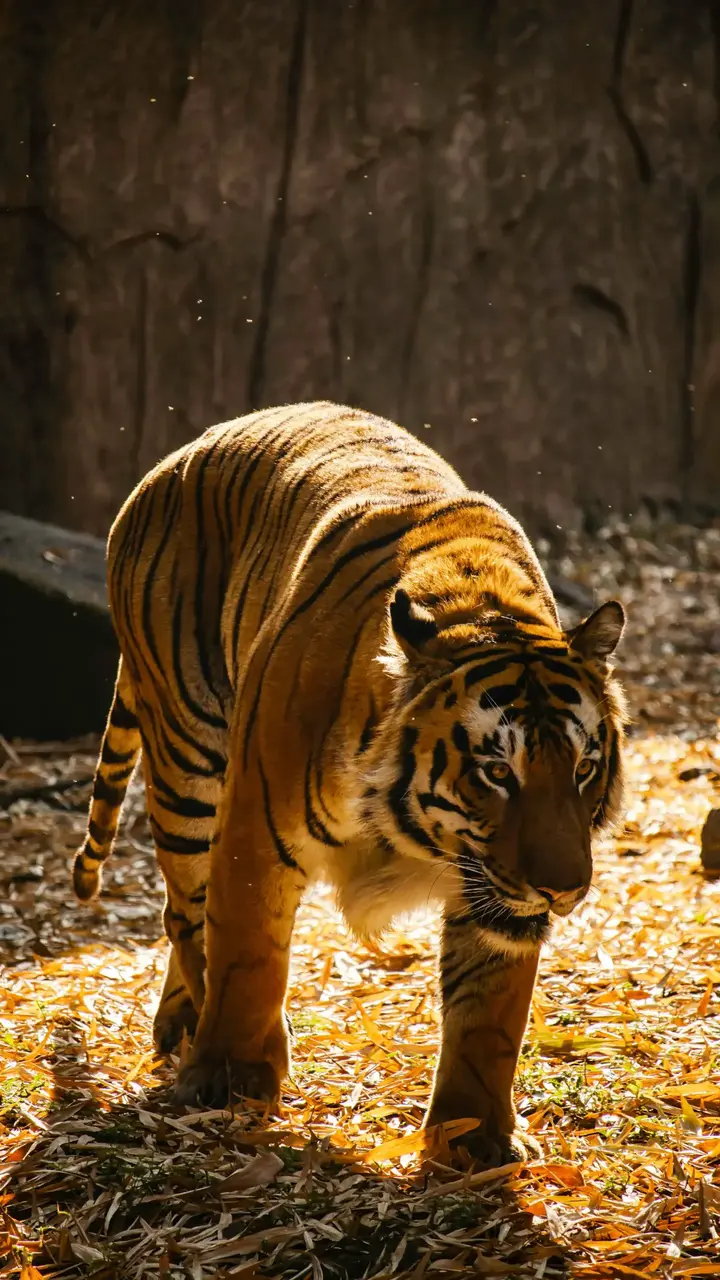
Listen closely and the old picture of the animal begins to change. There is the dry, papery crackle of sal leaves under a padded step that somehow still sounds deliberate, not careless. Even when you hear a tiger, what you are often hearing is not haste but selection: where to place weight, when to pause, when not to spend force.
Photo by Waldemar Brandt on Unsplash
Why the most feared hunter spends so much time not fighting
ADVERTISEMENT
People tend to imagine a tiger as pure ferocity, all muscle and impact. Field biologists have been saying for years that this misses the center of the animal. A tiger survives by saving energy, avoiding injury, reading cover, and acting only when the odds turn in its favor.
In Nagarahole, in southern India, Ullas Karanth and James Nichols reported in 2002, after years of camera-trap work and population study, that tiger numbers were tied closely to prey density and secure habitat, not to some endless cycle of combat. In plain language, a tiger does well where it can hunt efficiently and move with confidence. A wounded tiger, even a strong one, pays dearly for wasted effort.
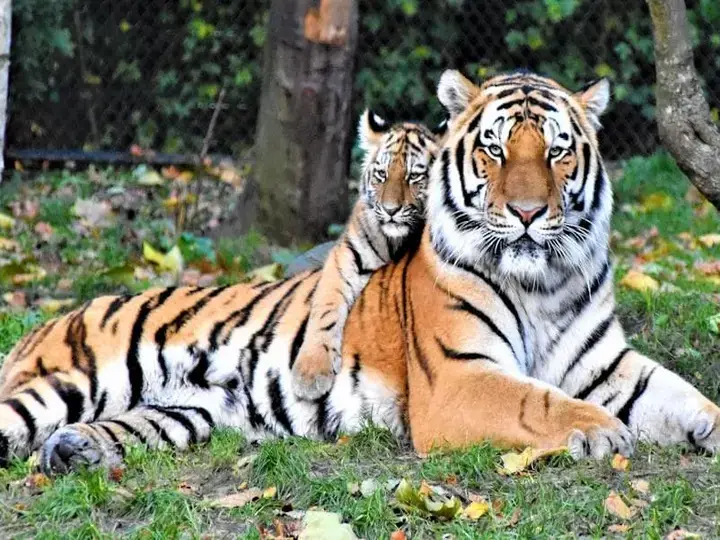
That truth begins early. A cub is not born formidable in the way people mean it. It is born dependent, learning from the tigress where cover lies, how long stillness can last, and what sounds in the forest matter.
ADVERTISEMENT
A young cub watches before it dares. It learns the shape of caution first. Even play has a purpose: stalking littermates, freezing at motion, pouncing from short cover. The body is growing, yes, but just as important is the mind learning not to rush.
Researchers who followed wild tigers in Chitwan and the Russian Far East have long noted the same broad pattern: cub survival depends heavily on the mother’s range, prey access, and freedom from disturbance. That means a tiger’s first lessons in power are really lessons in place. Safety is not abstract to a cub; it is a route through grass, a den site chosen well, a mother who does not expose herself needlessly.
What the leaves tell you before the tiger ever attacks
ADVERTISEMENT
Now picture that tiger crossing dry sal leaves again. The sound is there, but muted by pads built to spread weight, and by an animal that does not fling itself forward unless it must. One shoulder rolls, then stillness. The head stays low enough to keep the line of the body hidden by scrub.
This is where the popular image starts to fail. Tigers are ambush hunters. A review by John Seidensticker in 1976, drawing together field observations from Asia, described the tiger’s hunting method as close approach from cover followed by a short rush. Everyday translation: the tiger’s gift is not distance running or constant attack. It is getting close without paying the cost too soon.
Subadults learn that the hard way. When they leave or drift beyond their mother’s range, they are large enough to look impressive and still inexperienced enough to make poor choices. They have to learn distance, which is to say how far they can travel, how close they can approach prey, and how near they can come to another tiger before trouble starts.
ADVERTISEMENT
Cub learns cover.
Subadult learns distance.
Adult learns timing.
A mature territorial tiger learns restraint.
That last step matters most. By adulthood, success is not about proving violence again and again. It is about knowing when not to spend it.
The real secret of dominance is almost boring until you see its cost
Here is the turn people often miss: a tiger’s success depends less on repeated fighting than on avoiding costly conflict. Scent marking, scraping, spraying, vocal signals, patrol routes, and sheer familiarity with the ground do much of the work that myth assigns to open battle. The animal is fearsome partly because it does not squander itself.
Mel Sunquist’s 1981 study of tigers in Nepal’s Chitwan National Park, based on radio-tracked animals, showed that adults used overlapping signals of space and movement in ways that reduced needless encounters. In ordinary terms, the tiger keeps announcing itself so that other tigers can read the message and decide whether pressing the matter is worth blood. Territory is not just defended with claws. Often it is maintained by information.
ADVERTISEMENT
When a mature tiger moves through its own range, there is an ease to it that is hard to mistake. It is not wandering. It knows where prey tends to cross, where shade holds scent longer, where a stream muffles sound, where another tiger last passed. Its step has that calm certainty that only comes from repetition.
What would belonging to a place feel like if you moved through it with that level of calm certainty?
For a tiger, that belonging is not ownership in any human sense. It is learned intimacy: thousands of crossings, remembered risks, tested routes, failed hunts, successful stalks, and a body that has matched itself to the ground year after year. The confidence you see is really memory made physical.
ADVERTISEMENT
Not every tiger behaves the same way, and it is worth saying so plainly. Age, sex, prey availability, habitat pressure, injury, and human disturbance all shift behavior. A young dispersing male under pressure may take risks an established female with cubs avoids; a tiger in prey-poor habitat may travel farther and behave more boldly than one living where deer and wild pigs are abundant.
Yes, tigers are violent—but that is exactly why they cannot waste it
Of course tigers do kill. They bring down large prey, they may fight rivals, and they can be brutal in territorial clashes or in defense of cubs. None of this should be softened into something quaint.
But violence is expensive. A broken tooth, a torn paw, a damaged shoulder, even a deep cut can mean failed hunts and a fast slide toward weakness. That is why selective force is not a contradiction in a tiger; it is one of the things that makes the animal formidable in the first place.
ADVERTISEMENT
You can see it in hunting maturity. Adult tigers do not simply chase whatever moves. They choose moments. Karanth and Sunquist’s 1995 work in Nagarahole, based on prey remains and field study, found that tigers took prey in patterns shaped by prey size, availability, and hunting conditions. Put simply, a tiger is not trying to prove courage. It is trying to make the attempt count.
That is a colder, truer kind of power. Not noise. Not fury for its own sake. Judgment.
What a lifetime teaches the animal we keep getting wrong
By the time a tiger is fully mature, the forest has taught it a long discipline. Cubhood teaches dependence and concealment. Dispersal teaches caution in uncertainty. Early adulthood teaches which hunts to abandon and which to finish. Territorial life teaches that the best fight is often the one settled before bodies collide.
ADVERTISEMENT
That is why the animal feels so commanding when it appears. You are not looking at nonstop aggression. You are looking at years of refined choice, packed into muscle and silence.
So when the leaves give that dry little crackle under a padded step, it helps to hear it properly. Not as a warning that rage is coming, but as a sign of an animal that has learned exactly how and when to use itself. Strength, here, looks like patience before it looks like force.
And once you understand that, the tiger becomes no less fearsome, only more worthy of quiet respect.