Panic Attacks: Symptoms and How to Manage Them

What are Panic Attacks?
Show key points
- Panic attacks are a psychological condition characterized by sudden bouts of intense fear, affecting the body with physical symptoms like rapid heartbeat and difficulty breathing.
- For some individuals, panic attacks occur chronically, leading to a diagnosis of panic disorder, which causes changes in their lifestyle to avoid attacks.
- Symptoms of a panic attack include dizziness, shaking, numbness, feelings of unreality, and chest pain, usually lasting for minutes but significantly impacting the sufferer's life quality.
-
- Although no specific cause is confirmed, doctors believe that genetics, changes in brain chemistry, mental disorders, and exposure to psychological stress play a significant role.
- Diagnosing panic disorder requires ruling out physical causes through detailed medical tests like ECGs and observing patient behavior towards fear episodes.
- Treatment for panic attacks can combine medication, such as antidepressants, with therapy like cognitive-behavioral therapy to understand and alter thought and behavior patterns.
- Family support, exercise, avoiding stimulants, and practicing relaxation techniques play a vital role in preventing recurring panic attacks and improving the patient's life.
The fact is, panic attacks are not what some might think — they are not primarily related to the heart.
Panic attacks are episodes of intense fear that cause physical disruptions such as a rapid heartbeat or difficulty breathing, to the point where a person feels like they are dying. Often, those around them may see no clear reason for the fear or any real danger. These episodes typically last for several minutes.
What increases the fear for people experiencing panic attacks is the feeling of complete loss of control. It feels like falling into an abyss while reaching out for help with no rescuer, even as their screams are stifled in their throat.

Recommend
Do Panic Attacks Recur?
Some people experience a panic attack only once or twice, but others have repeated attacks and are diagnosed with panic disorder. Panic disorder involves a constant fear of having panic attacks, which leads people to change their behavior to avoid episodes. Each year, between 2% and 3% of the population are affected, and women are more likely to experience panic attacks than men. The onset can begin in adolescence and continue into adulthood.
What are the Symptoms of Panic Attacks?
Symptoms of panic attacks may include some of the following:
1. Dizziness and balance disturbances.
2. Chest pain or severe discomfort.
3. Shortness of breath and a choking sensation.
4. Fear of losing control and fear of dying.
5. Excessive sweating and chills.
6. Trembling.
7. Detachment from the surroundings — feeling disconnected from the environment.
8. Tingling and numbness in the body and extremities.
9. Feelings of unreality.
10. Rapid heartbeat.
11. Nausea and diarrhea.
A person typically experiences four or more of these symptoms during an episode. Those affected often live in constant fear and anxiety about their recurrence. Although not life-threatening, these episodes significantly affect quality of life, causing people to live in fear and to isolate themselves. Panic disorder can also occur alongside other conditions such as anxiety disorders and depression.
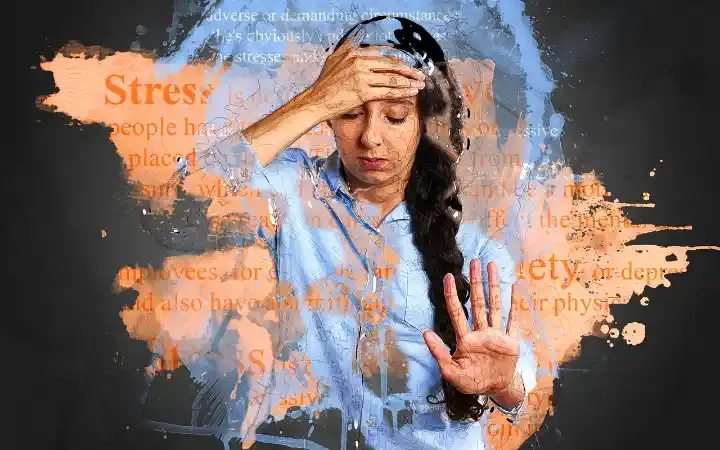
What Causes Panic Attacks?
Doctors have not yet identified the exact causes of panic attacks, but they suspect several contributing factors, although none are confirmed definitively:
1. Changes in brain chemistry: Certain drugs or hormonal activity can affect brain chemistry and sometimes lead to panic episodes.
2. Genetic factors: People with a family history of anxiety disorders or panic disorder are believed to be at higher risk.
3. Anxiety disorders: Those with PTSD, social anxiety disorder, or generalized anxiety are more susceptible to panic attacks.
4. Drugs and narcotics: Some medications and narcotics have side effects that may trigger panic attacks — a healthcare provider should be consulted immediately if a panic attack occurs after taking prescribed medication.
5. Nighttime panic attacks: If attacks occur during sleep, they are likely related to anxiety, lack of sleep, or other sleep disorders.
6. Symptom of other medical conditions: Some physical health problems, such as heart disease, thyroid disorders, and sleep disturbances, can occasionally trigger panic attacks.
7. Psychological stress: Psychological stress is a significant factor and may be a primary cause of panic attacks. Exposure to bullying, work pressure, or complex family problems can lead to episodes. Stress from traumas such as losing a loved one, a serious accident, or assault can also trigger panic attacks.
How is Panic Disorder Diagnosed?
Because panic disorder produces physical symptoms, it is important to rule out other medical conditions. Medical examinations, including ECGs, are used to exclude heart-related issues and other health problems. Clinicians observe the patient’s experience of panic episodes, especially if the attacks are frequent, sudden, and unexplained. They also assess behavior — for example, whether the person constantly fears episodes, avoids people or situations they see as triggers, isolates themselves, or has difficulty participating in normal activities.

Can Panic Attacks be Treated?
Yes. Panic attacks can be treated using a combination of medication and therapy. A doctor can often help reduce the frequency and severity of attacks or eliminate them altogether, and provide strategies to manage emotions and prevent episodes. Through cognitive-behavioral therapy, specialists help patients understand their episodes and change the thoughts and behaviors that lead to attacks. Therapy helps patients recognize their emotions and how these develop into episodes.
Medication may include antidepressants and anxiolytics. Specialists also recommend exercise, avoiding caffeine, getting adequate sleep, and practicing relaxation techniques to reduce stress. Support from family and friends is also important.