The Eruption and Rebirth of Mount St. Helens

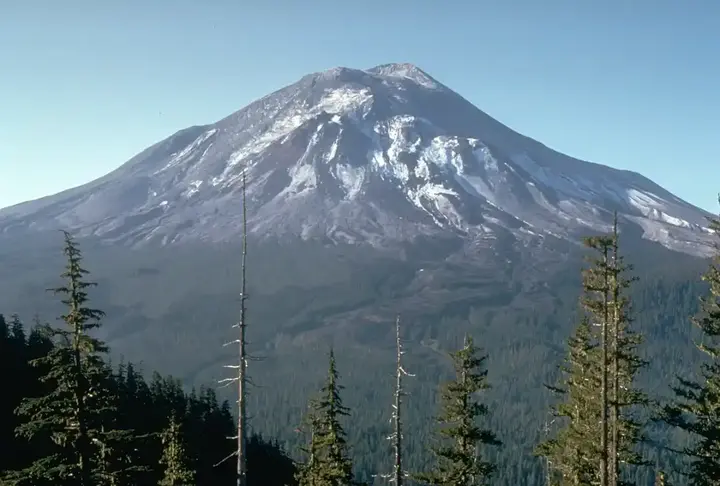
Mount St. Helens is one of the most famous volcanoes in the United States, known for its devastating eruption on May 18, 1980. This eruption caused widespread destruction in the area surrounding the mountain, as the immense forces of nature drastically altered the landscape. Nevertheless, despite the vast destruction, the region has shown a remarkable natural ability to recover and rebuild. In this article, we will explore the details of Mount St. Helens' devastating eruption, its aftermath, and how nature managed to experience a rebirth following this disaster.
عرض النقاط الرئيسية
- Mount St. Helens erupted on May 18, 1980, and was one of the most powerful volcanic eruptions in modern history, causing extensive destruction and significant human and material losses.
- The landslide accompanying the eruption released immense pressure, resulting in a massive cloud of ash and hot gases sweeping across the surrounding area.
- The disaster caused widespread environmental degradation, destroying forests, polluting rivers, and severely harming wildlife with volcanic ash.
-
- Despite the magnitude of destruction, plants began to grow again, demonstrating nature's inherent ability to recover and rebuild the ecosystem.
- Wildlife gradually regained balance as animals returned to the area and new habitats emerged thanks to pioneering plants.
- Mount St. Helens has become a tourist and educational site that attracts visitors and researchers studying volcanic eruptions and environmental recovery.
- Today, the mountain symbolizes natural resilience, illustrating how the earth can rebuild itself and continue to thrive despite disasters.
The Eruption: Nature's Furious Power
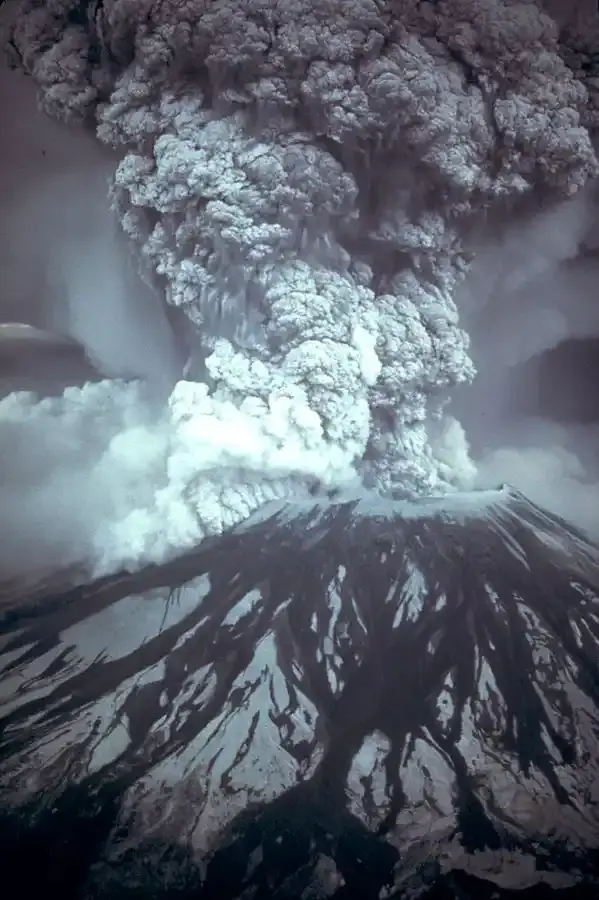
On the morning of May 18, 1980, Mount St. Helens witnessed one of the most destructive volcanic eruptions in modern history. The events began with a series of earthquakes and tremors beneath the mountain, leading to the sudden collapse of a significant portion of the mountain. This collapse released massive pressure, resulting in a colossal explosion that unleashed a huge cloud of ash and hot gases rapidly across the surrounding area. The eruption obliterated everything in its path, from dense forests to rivers and homes. It also claimed the lives of 57 people and injured hundreds, in addition to causing enormous material losses. The eruption served as a stark reminder of nature's immense power and rage, illustrating how beautiful areas can transform into scenes of destruction in mere moments.
قراءة مقترحة
The Disaster's Aftermath: Environmental and Wildlife Impact
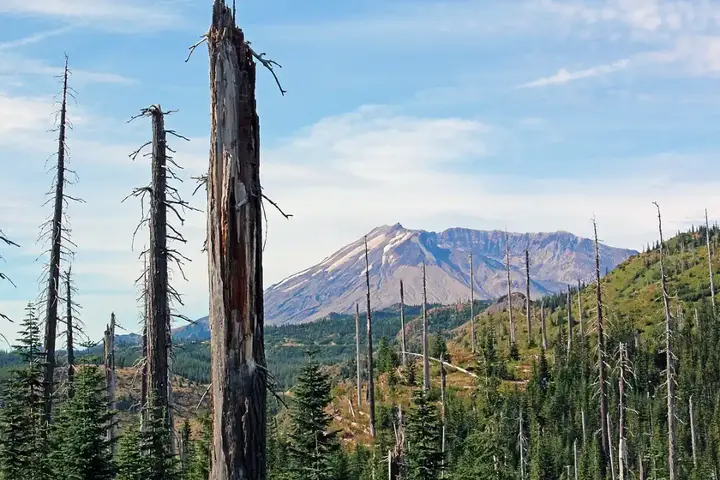
The volcanic eruption of Mount St. Helens not only caused immediate destruction but also had long-term impacts on the environment and wildlife in the region. The devastation extended over a large area, with forests completely obliterated and fertile lands turning into barren, ash-covered scenes. Watercourses were affected as rivers filled with ash and volcanic debris, affecting water quality and leading to the death of many aquatic creatures. The wildlife in the area suffered a massive blow, with many animals losing their natural habitats and facing the risk of extinction. However, despite all this destruction, there were early signs of nature's ability to recover. The first plants began to grow shortly after the eruption, indicating that the land still held the seeds of life and that the natural cycle would continue despite everything.
Rebirth: The Natural Recovery of Mount St. Helens

Despite the massive destruction caused by the eruption, the area surrounding Mount St. Helens has shown an incredible capacity to recover and return to life. Over the subsequent years, nature began a slow but steady process of rebuilding. Plants re-emerged in the scorched lands, with pioneering plant species playing a crucial role in stabilizing the soil and re-establishing the ecosystem. Animals gradually returned to the area, with birds, insects, and small animals rebuilding their habitats in the new forests. This natural recovery couldn't have happened without the vital role of natural processes in restoring ecological balance. Today, the area around Mount St. Helens stands as an exceptional example of nature's strength in recovering from major disasters, offering a valuable lesson about the importance of patience and belief in the earth's healing power.
Tourism and Education: Mount St. Helens as an Educational and Tourist Destination
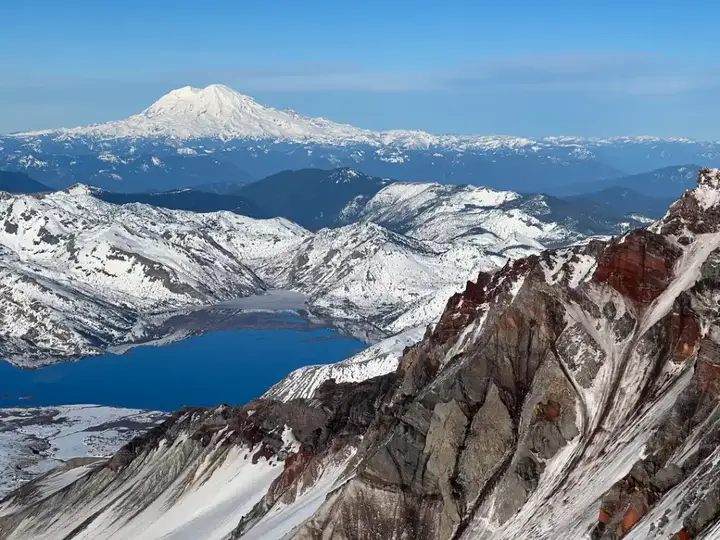
Following its eruption, Mount St. Helens has emerged as a significant tourist and educational destination. The mountain attracts thousands of visitors and scientists annually, who come to explore the area and learn from the lessons nature has provided. A visitor center has been established in the area to offer comprehensive information about the eruption and its impacts, along with documentary screenings and interactive exhibits explaining the volcanic process. Visitors can hike along nature trails that take them through the areas impacted by the eruption, where they can observe the natural recovery process firsthand. This unique site offers not only the opportunity to enjoy the area's natural beauty but also a chance to learn about nature's power and the importance of environmental preservation. By visiting Mount St. Helens, people can gain a deeper understanding of how the earth functions and how disasters can be part of the planet's life cycle.
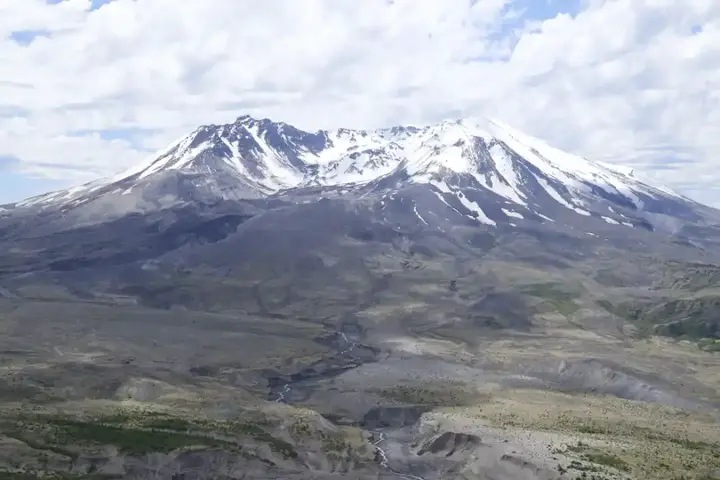
Mount St. Helens serves as a living testament to nature's ability to recover and return to life following major disasters. Despite the destructive eruption that obliterated everything in its path, the land demonstrated an astounding capacity for recovery and rebuilding. Today, Mount St. Helens is not just a symbol of destruction but also of the ability to rise from the ashes and return to life with greater strength. The mountain offers a lesson in resilience and continuity, reminding us that life on this planet always finds a way to return, no matter how great the challenges. If you are looking for a place that combines natural beauty with deep geological history, visiting Mount St. Helens will be an unforgettable experience that enriches your knowledge and provokes contemplation about the enduring power of nature and its endless cycles.