The Longest-Living Animals on Earth

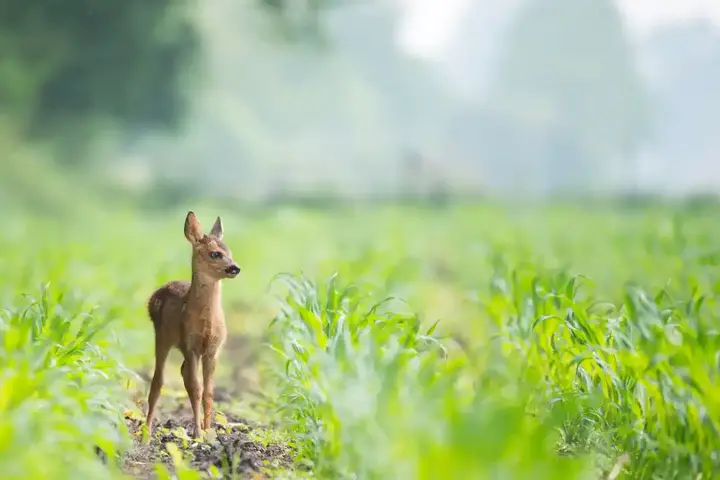
Life on Earth is incredibly diverse, with over 8.7 million known species. Among them are some beings with lifespans that defy our human understanding of aging. Let's explore these remarkable creatures.
عرض النقاط الرئيسية
- The ocean quahog can surpass 500 years in age, thanks to its slow growth rate and harsh environment.
- The glass sponge is among the world's longest-living organisms, with some individuals estimated to exceed 15,000 years.
- Bowhead whales inhabit the Arctic and can live over 200 years due to their slow metabolism and lack of natural predators.
-
- The Greenland shark is the longest-living vertebrate, possibly reaching 392 years, growing extremely slowly in cold depths.
- Giant Aldabra tortoises like "Jonathan" can live beyond 180 years, thriving peacefully in the Seychelles.
- The red sea urchin has the capability to regenerate its organs and doesn't show signs of aging, living up to 200 years.
- Despite their primitive appearance, tuataras live over 100 years and are among the few reptiles surviving from the dinosaur era.
Ocean Quahog
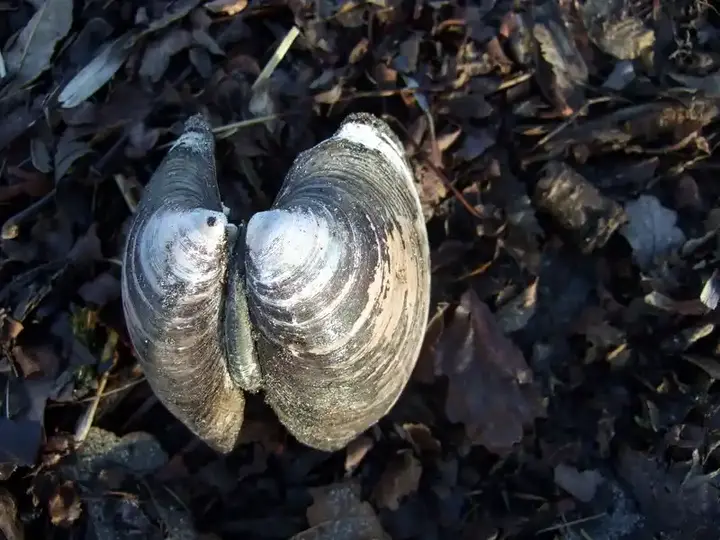
The ocean quahog is a type of clam found in the cold, deep waters of the North Atlantic. This species boasts an extraordinary lifespan, with the oldest known individual, dubbed Ming, reaching 507 years. This makes the ocean quahog one of the oldest known living animals on Earth. Its longevity is believed to be due to its slow growth rate and the harsh conditions of its habitat, including cold temperatures and low nutrient levels. The ocean quahog shell consistently grows new layers throughout its life, allowing scientists to determine its age by counting these growth rings, much like counting tree rings.
قراءة مقترحة
Glass Sponge
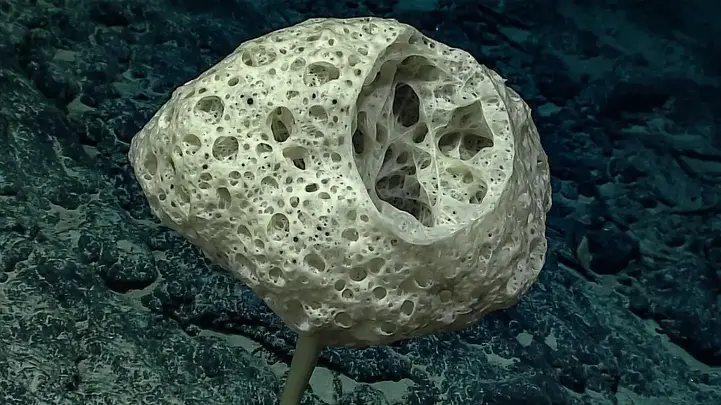
The glass sponge is one of the longest-living creatures on Earth. Despite its delicate appearance, it is estimated to live up to 15,000 years. Though relatively rare, they are found in every ocean, typically at depths below 450 meters.
What sets them apart is their unique ability to generate electrical impulses throughout their bodies. Their flagella (tiny hairs that trap bacteria in the water) will cease beating if they sense danger. Unlike other sea sponges, the glass sponge does not contract or change shape when stimulated.
Bowhead Whales
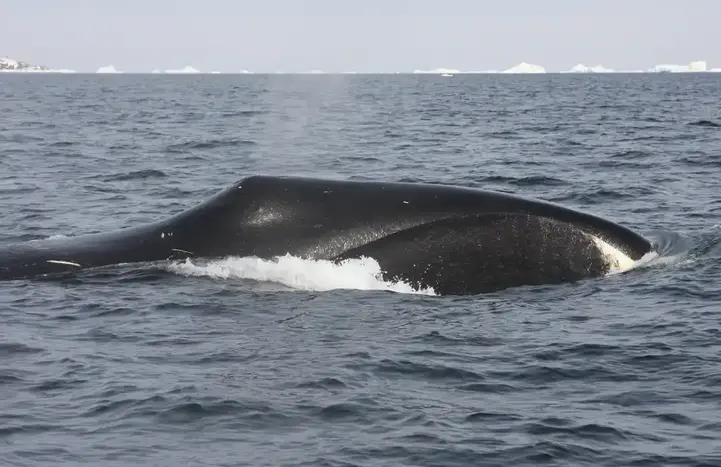
Bowhead whales are giants of the Arctic. They can reach lengths of 20 meters and weigh up to 100 tons. Despite their massive size, they are known for their longevity, with the oldest recorded individual living up to 211 years. Bowhead whales have a slow metabolic rate, which is believed to contribute to their long life. They also have a thick layer of blubber that protects them from the frigid Arctic temperatures. They are filter feeders, consuming large amounts of tiny plankton. The lack of natural predators, apart from humans, also adds to their long lifespan.
Greenland Shark
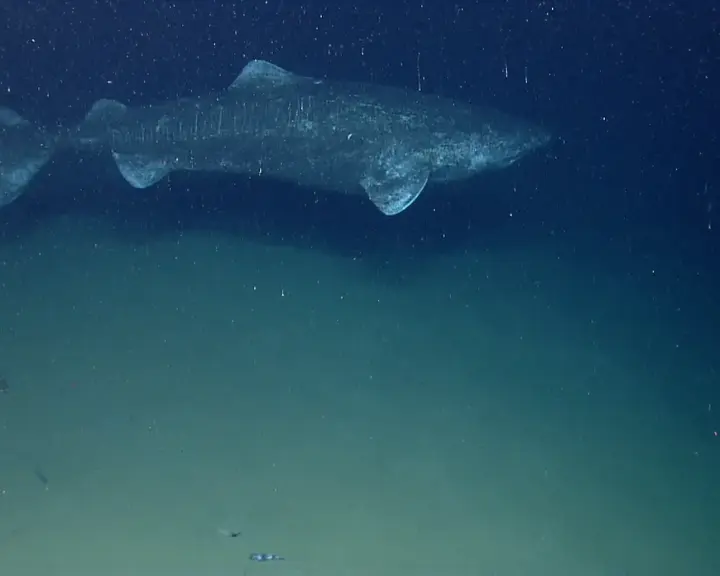
The Greenland shark is known for its incredibly long lifespan. The oldest known individual is estimated to be around 392 years old, making it the longest-living vertebrate known to science. Greenland sharks inhabit the cold, deep waters of the North Atlantic and Arctic Oceans. They grow extremely slowly, at less than 1 cm per year, reaching maturity at around 150 years. Their diet mainly consists of fish, but they have been known to eat seals and even reindeer.
Giant Aldabra Tortoise
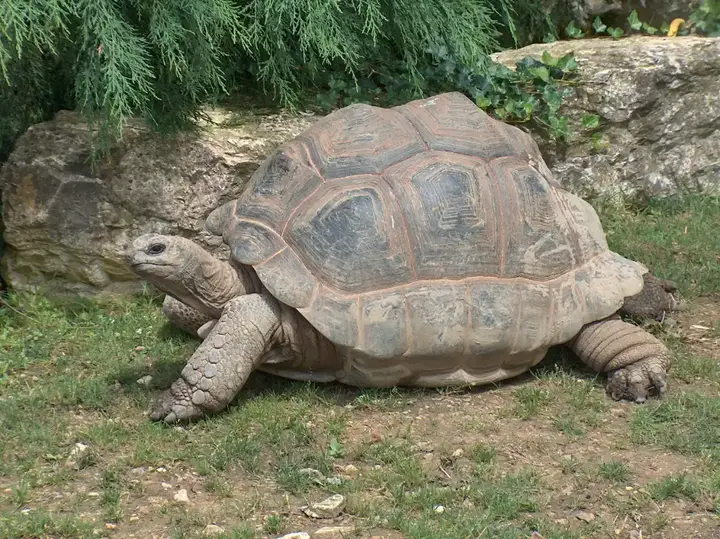
The giant Aldabra tortoise is one of the largest tortoises in the world. They are native to Aldabra Atoll in the Seychelles, a group of islands in the Indian Ocean. Giant Aldabra tortoises can live for more than 180 years, with the oldest known individual, Jonathan, currently over 188 years old. These tortoises are herbivores, feeding on grasses, leaves, and fruits. They spend most of their day basking in the sun to regulate their body temperature.
Red Sea Urchin
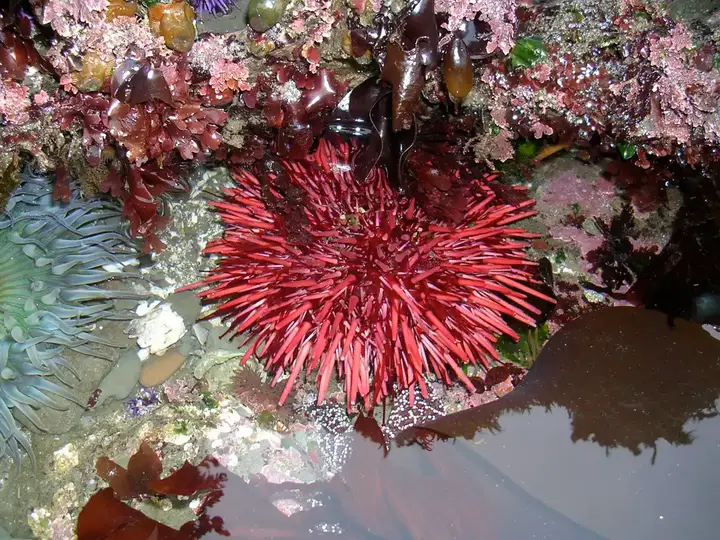
The red sea urchin is a species found in the Pacific Ocean, known for its long lifespan, reaching up to 200 years. Unlike many animals, the red sea urchin does not appear to age. Their ability to regenerate their entire body, including their nervous system, contributes to their extended life. Red sea urchins feed on algae and kelp, using their sharp teeth to scrape food from rocks.
Tuatara
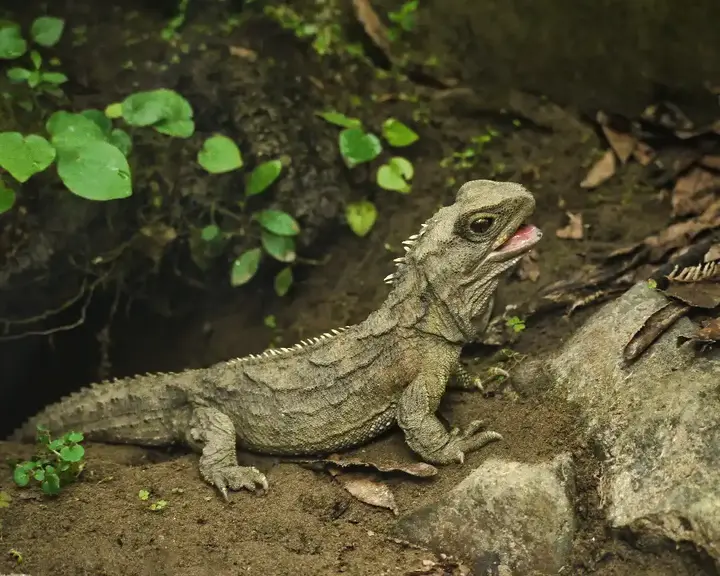
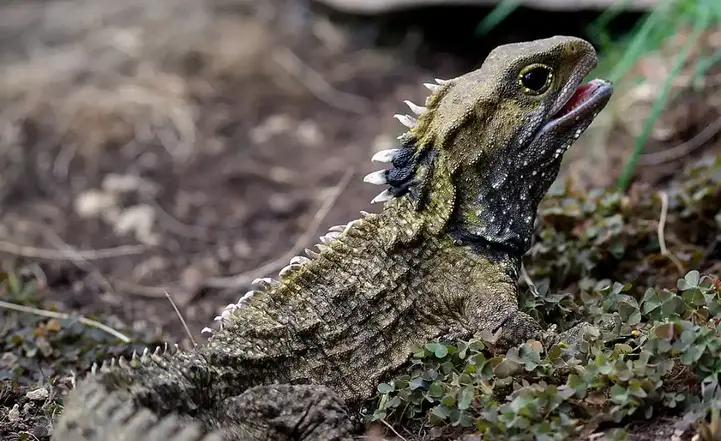
The tuatara is a unique reptile native to New Zealand. Known to live over 100 years, they are among the longest-living reptiles on Earth. Tuataras are not lizards but rather belong to a distinct lineage of reptiles dating back to the time of the dinosaurs. They have a third eye on the top of their heads, visible upon hatching but covered with scales and pigment in adults. This "eye" is thought to help regulate their body temperature and hormone production. Tuataras are nocturnal and feed on insects, spiders, and small vertebrates.
Galapagos Tortoise
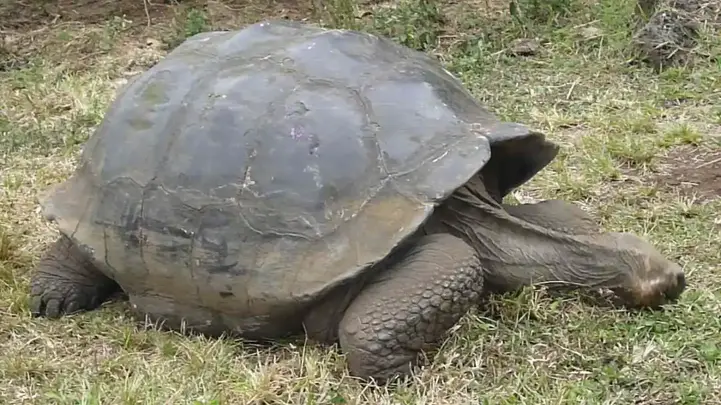
The Galapagos tortoise holds the record for the longest-living terrestrial animal. Native to the Galapagos Islands, these tortoises can live up to 190 years. Their slow metabolism and ability to survive without food or water for up to a year contribute to their longevity. Galapagos tortoises are herbivores and spend their days grazing on grass, leaves, and cactus. They have a large shell that can reach up to 5 feet in length, providing protection from predators.
African Elephant
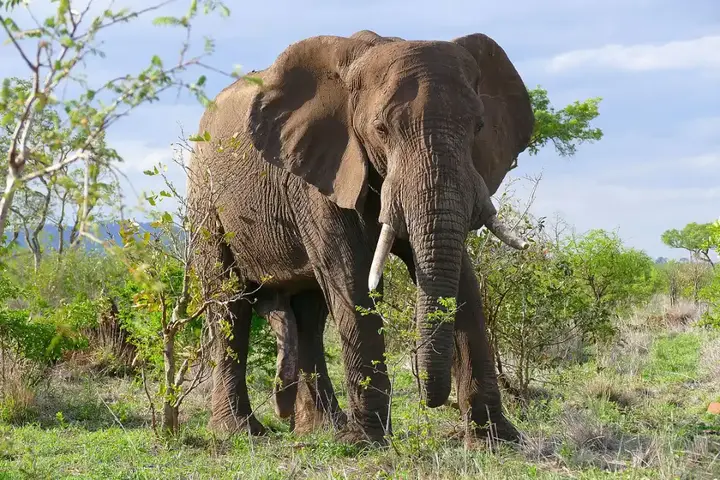
The African elephant is the largest land animal and is known to live up to 70 years in the wild. Their longevity is due to their ability to regenerate their teeth, allowing them to continue eating and obtaining the nutrients needed to live. Elephants have a total of six sets of molars over their lifetime, and when the last set wears down, they cannot chew food properly and may die of starvation. African elephants are herbivores and consume up to 300 pounds of food a day. They play a crucial role in their ecosystems by creating gaps in vegetation, digging water holes, and spreading seeds through their dung.
In conclusion, these astonishing creatures challenge our understanding of life and longevity. They inspire scientists and researchers to study the secrets to their long lives, hoping to apply these lessons to improve human health and longevity. Indeed, the animal kingdom is full of surprises and continues to amaze us with its diversity and adaptability.