Living characters of parrots: what makes them unique?

In the world of colorful birds, parrots stand out as some of the most striking and charismatic. They are an important part of many communities around the world thanks to their lively nature and unique social skills. Parrots also possess impressive cognitive abilities and strong communication skills, which have made them a focus for researchers and animal lovers alike. In this article, we explore parrots’ personalities and what makes them unique in the animal world.
Show key points
- Parrots captivate people with their brilliant colors and graceful movements, making them one of the most visually stunning species in the bird kingdom.
- Their remarkable intelligence allows parrots to learn, understand, and even apply human language in meaningful contexts.
- Parrots exhibit strong emotional bonds and spiritual connections with humans, showcasing affection and empathy beyond typical pet behavior.
-
- Throughout history and across cultures, parrots have symbolized wisdom, joy, and spiritual depth, earning them prominent places in myths and traditions.
- These birds have a therapeutic impact on mental health by offering companionship, emotional comfort, and mood-enhancing interactions.
- Parrots’ dynamic personalities and social adaptability position them as unique living beings capable of meaningful human-animal connections.
- More than just pets, parrots represent a bridge between humans and nature, encouraging appreciation, care, and deeper understanding of the natural world.
1. Bright colors and graceful movement: why do parrots captivate us with their beauty?
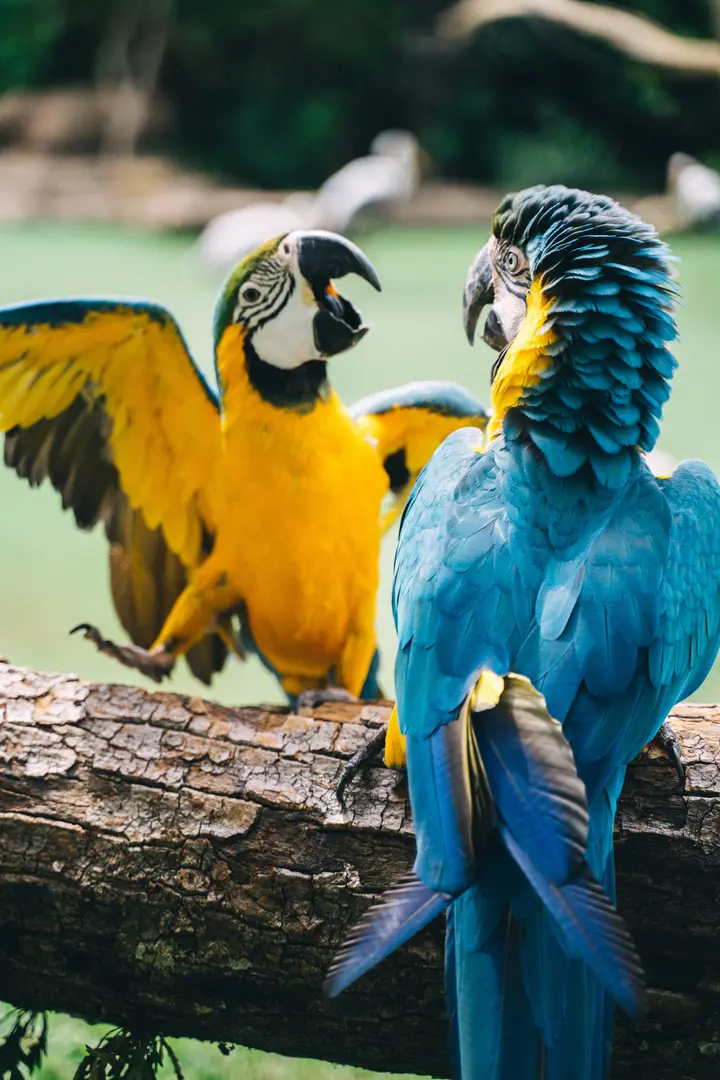
Among birds, parrots’ beauty often outshines their surroundings. Their bright, multi-tonal plumage and elegant movements catch the eye. Seeing a parrot soar or perch on a branch, many people are captivated by colors that range from vivid blue and green to brilliant red. These colors reflect the natural elegance and visual appeal of the species, drawing attention wherever they appear.
Recommend
It is not only their colors that impress but also their movements. Parrots move with a graceful, flowing quality that can seem almost dance-like. Whether trained in a show or simply shifting about in a cage, their motions often appear rhythmic, as if they were performing to music. Those movements make parrots delightful and engaging companions.
Bright colors and graceful motion create a sense of cheerfulness and vitality in observers. A parrot in a zoo or a home can brighten the surroundings and lift people’s spirits. Their presence often brings smiles and a positive atmosphere to a room or outdoor space.
For these reasons, parrots—through their color and movement—show off their natural beauty and easily attract human admiration. They are truly distinctive creatures, drawn to by many for their elegance.
2. The extraordinary intelligence of parrots: the secret of their impressive abilities
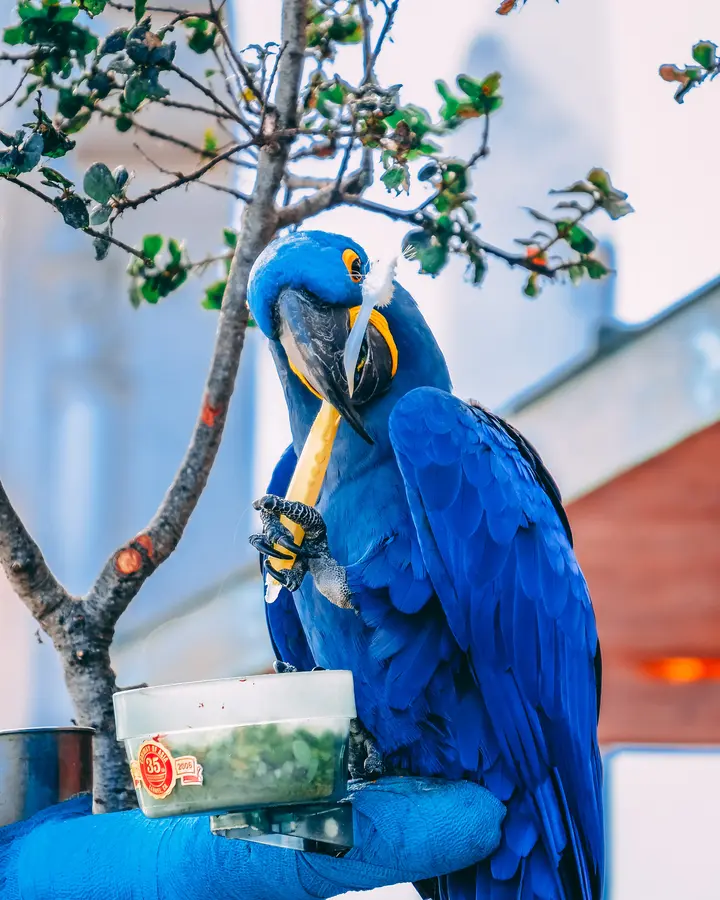
Parrots are remarkable for their intelligence and learning ability. They can mimic words and sounds exceptionally well, sometimes giving the impression that they speak. Their capacity to learn and adapt to their environment allows them to solve problems and retain information for long periods.
Parrots do more than merely repeat words; they can use them in context. In England, a parrot named Charlie lived with a family who taught him simple commands like "close the door" and "stop," which he performed reliably. What surprised the family was Charlie’s ability to use those commands appropriately—for example, saying "stop" when the household became too loud to restore calm.
Another notable experiment involved a scientist named Phil Allen, who trained a parrot called Alex to recognize shapes and colors. Through intensive training, Alex could identify different colors and select the correct shapes, such as circles and squares, from a group of objects. These mental abilities have drawn attention from both scientists and the public.
Parrots’ social skills amplify their cognitive strengths. They communicate with humans and other animals through a variety of cues, including facial expressions and distinctive body movements. This smooth, effective communication shows how well parrots can interact with people and adapt to different settings.
3. Pets with personality: parrots’ emotional depth and special bond with people
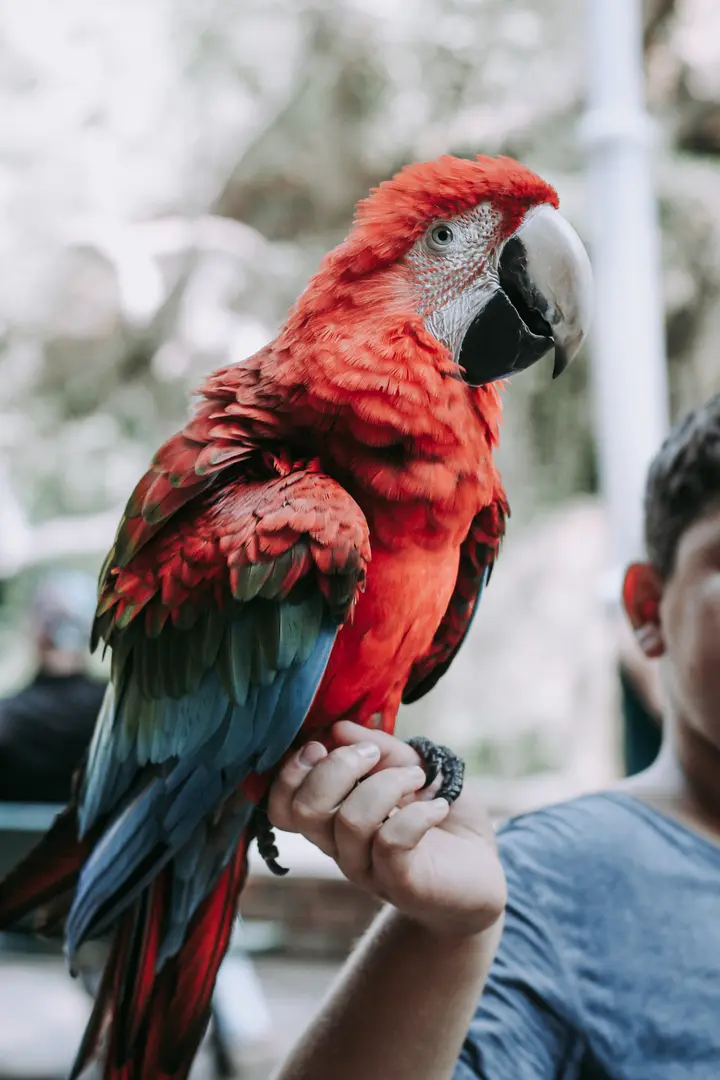
The relationship between parrots and humans often goes beyond simple companionship. These birds are known for their emotional sensitivity and their capacity to connect with people.
When kept as pets, parrots can learn to respond to human speech and interact in surprising ways. They mimic voices and household sounds and may repeat phrases they hear frequently. Parrots can also seem to pick up on human emotions and respond to them in striking ways.
Parrots can form strong attachments to people and display a range of emotions. Their dependence on and affection for their owners often show in their behavior and expression. A parrot may approach a person to interact, preen close by, or even sleep nearby as if it were part of the family.
This special bond reflects parrots’ ability to adapt and become integrated into human life. They demonstrate trust in people and a desire to participate in daily activities. Parrots carry a unique emotional presence that attracts humans and forms deep, lasting relationships.
In short, parrots are not only beautiful and intelligent birds but also possess a distinct emotional nature that sets them apart. Their ability to connect with people makes them companions that many enjoy and care for. Let us appreciate their charm and give them the attention and care they deserve.
4. Parrots in culture and history: why are they symbols of particular peoples or regions?
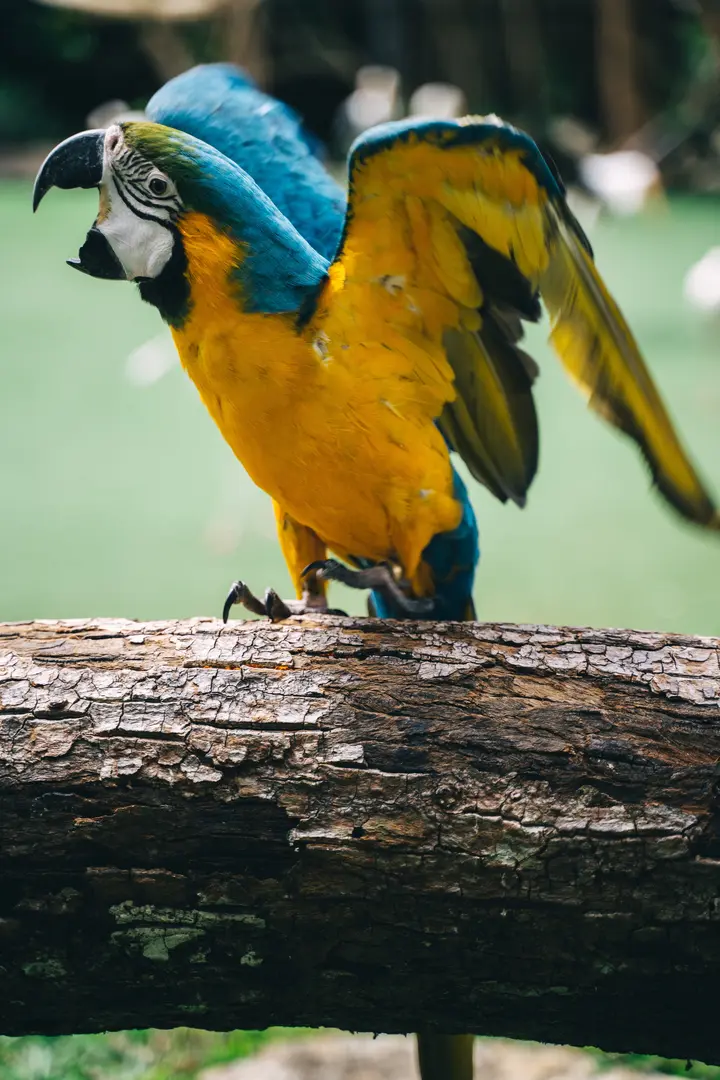
Ancient legends and stories link parrots with culture and history, and in many places they have become symbols of particular nations or ethnic groups. Parrots carry centuries of narrative meaning and offer insight into how humans have related to these fascinating birds.
In Arab and Islamic tradition, parrots are sometimes associated with the Qur’an and the story of Prophet Solomon, who was said to command animals and receive knowledge from God. This connection gives the parrot a spiritual and religious resonance in some Arab cultures.
Parrots also hold cultural significance outside the Middle East. In parts of South America, for example, the blue parrot symbolizes joy, freedom, and peace. Images of parrots often appear at festivals and celebrations across the region to enhance color and festivity.
Their cultural associations are surely linked to parrots’ vivid colors and variety. The spectacular hues of their feathers reflect the diversity and vibrancy of different peoples and civilizations. As a result, parrots become more than birds; they serve as elements of cultural identity and heritage.
Viewed this way, parrots help us understand the deep ties between culture, history, and nature. They carry symbolic meanings that transport us to varied, rich cultural worlds. Because of these links, parrots hold a special place in human memory across many nations and ethnic groups.
5. The effect of parrots on mental health: how do these creatures soothe souls and bring joy?
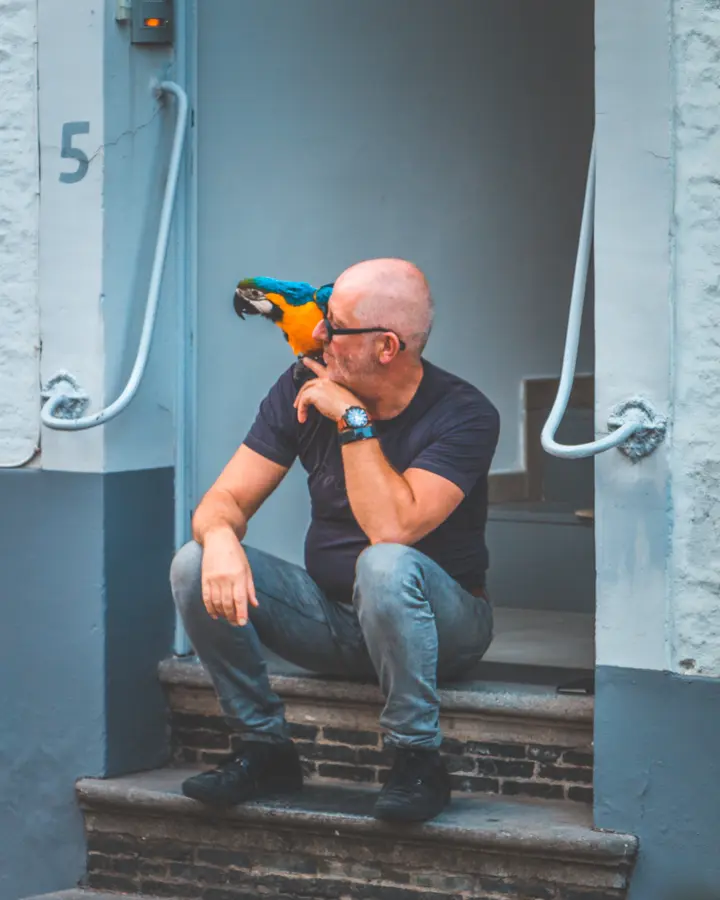
Parrots are known for their cheerful dispositions and pleasant vocalizations. Their personalities can have a positive effect on people’s mental well-being. Whether in homes or parks, the presence of parrots often calms nerves and brings joy.
Keeping parrots as pets can be engaging and rewarding. With patience, they can be taught a range of behaviors and tricks. Teaching them to say uplifting phrases like "I love you" or "You are beautiful" can brighten an owner’s day. Parrots often tune into their owners’ moods and can provide comfort when someone is angry or sad.
Parrots also interact in ways that offer companionship and inspiration. Their playful behavior and lively movements can relieve loneliness and boredom. Caring for a parrot builds routine and encourages communication, both verbal and nonverbal, which can strengthen social bonds.
Choosing a parrot as a pet can improve overall well-being. They bring energy, amusement, and affection to their owners. Regular interaction with a parrot can reduce stress and promote feelings of happiness and emotional comfort.
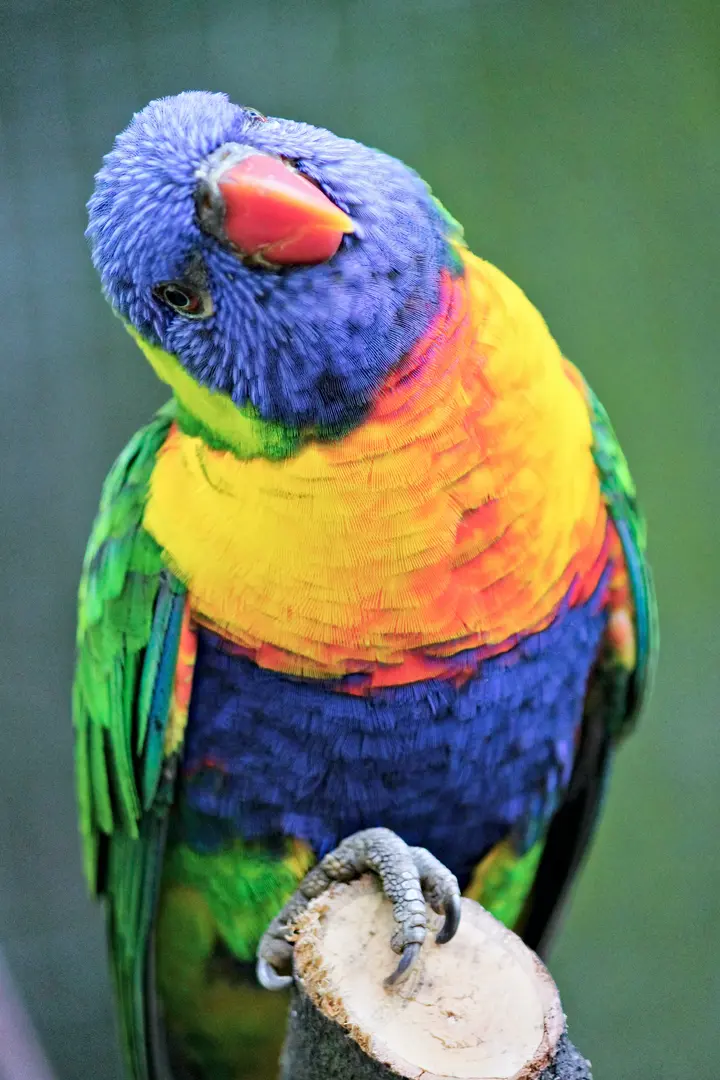
At the end of this journey into the world of parrots, we see that they are more than bright, colorful birds: they are creatures with distinct personalities. Their intelligence, social skills, and ability to communicate set them apart. Caring for parrots is not just entertainment; it can deepen our understanding of animal behavior and our connection to the natural world. Let us cherish their songs and their willingness to share our lives—parrots deserve our attention and care.