Baron Palace: An Egyptian Love Story from the 19th Century
ADVERTISEMENT
On September 20, 1852, Baron Édouard Empain, a Belgian millionaire and traveling engineer, fell in love with Egypt. He founded numerous economic, financial, and industrial projects, and in 1907 King Leopold II of Belgium granted him the title of Baron in recognition of his role in financing the kingdom's colonies.
ADVERTISEMENT
Decision to Build the Palace
Photo by Peter Nicola on Unsplash
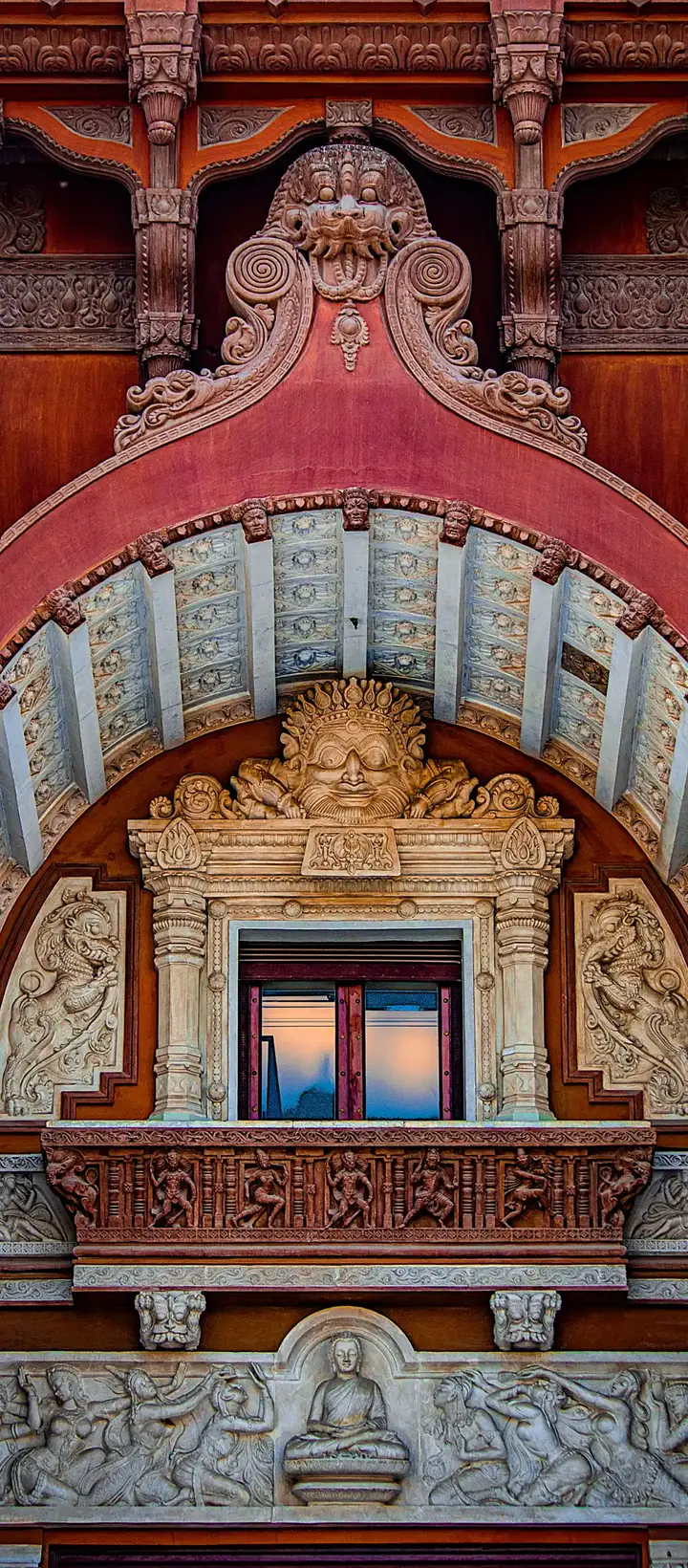
After settling in Egypt from India at the end of the 19th century, following the opening of the Suez Canal, Empain decided to build a palace as a tribute to his love for the country. He developed an area in Cairo's desert that he named Heliopolis (City of the Sun). At its center he built his palace on a 12,500-square-meter plot, blending Indian and European architectural styles. The palace was designed by French architect Alexandre Marcel and was constructed between 1906 and 1911, opening during the reign of Sultan Hussein Kamel. When the Sultan asked to buy it, Empain refused and instead commissioned a similar palace named for his wife, the Sultana; that building is now the Heliopolis Girls' School on Al-Oruba Street, opposite the Baron Empain Palace.
ADVERTISEMENT
In his will the baron expressed his wish to be buried in Egypt. He died in Belgium on July 22, 1929, and his body was taken to the Basilica Church in Heliopolis, which was built between 1911 and 1913 and modeled on Istanbul's Hagia Sophia.
Ownership of Baron Empain Palace over the Ages
The architectural artistry evident within Baron Palace
After Empain's death, the palace was inherited by his son Jean (who died in 1946 and was buried next to his father in the Basilica Church). It then passed to his grandchildren until 1954, when it was sold to Syrian Mohammed Bahgat and Saudis Mohammed Ali Reza and his brother. In 1993 the palace was officially registered as a heritage site. The Ministry of Housing purchased it in 2005, and restoration began under the Ministry of Antiquities in 2017, with the palace reopening in 2020.
ADVERTISEMENT
When Empain received approval from the Egyptian government to buy 6,000 acres at one pound per acre, he contracted Belgian engineer André Berchelo to establish a metro line connecting the new suburb to Cairo. Houses were built in classical Belgian style with gardens, and Belgian architect Ernest Jaspar designed the original Heliopolis Hotel, which opened in 1910 with 400 rooms, 50 apartments, and grand halls; it later joined Egypt's presidential palaces as the Heliopolis Palace.
The suburb was characterized by wide streets lined with houses no taller than four stories. Al-Ahram Street leads to the Basilica Church and is surrounded by main squares including Roxy, Al-Ahram, Salahuddin, Safir, Ismailia, Triumph, Saint Fatima, and Hegaz, along with several sports and social clubs. The oldest is Heliopolis Club, established on January 1, 1910.
ADVERTISEMENT
The Internal Structure of Baron Empain Palace
Photo by Mohammed Sami on Unsplash
The palace has seven main rooms over two floors. The ground floor includes a grand hall and three rooms — a guest room, a dining room, and a billiards room. A marble staircase decorated with small Indian statues leads to the second floor, which contains a large hall and four rooms with parquet floors. Each room has a private bathroom tiled with mosaics in blue, orange, and red, and a private balcony supported by Indian elephant sculptures; the balconies' floors are covered in colored mosaics.
The palace's rooftop "panorama" was used for some of the baron's parties and for his daily tea at sunset.
ADVERTISEMENT
Baron Empain designated the basement for the kitchens, car garages, servant quarters, and marble washrooms, which were connected to the dining hall by a lift made of walnut wood. On the left side of the palace stands a large tower that revolved on a movable base, completing a full turn every hour so those inside could view all directions. It comprises four floors connected by a spiral staircase with wooden sides decorated with marble and an iron railing bearing ornamental bronze plaques featuring fine Indian sculptures. Surrounding the palace are gardens spread over more than four acres, filled with flowers and plants, and a tunnel once connected the palace to the Basilica Church.
Wanting to distinguish his palace from other Heliopolis buildings, which were characterized by an earthy tone, Baron Empain chose burnt brick. That choice became a distinctive hallmark of the Baron Empain Palace and still sets it apart from most palaces in Egypt today.
Iker Mur
ADVERTISEMENT
Majestic swans: a closer look at this graceful bird
ADVERTISEMENT
Majestic swans are among the most graceful and beautiful creatures in the bird world. They are distinguished by their slender bodies and bright white plumage that catches the eye. Majestic swans are a symbol of elegance and tranquility and rank among the planet’s most
ADVERTISEMENT
charming creatures.
1. Learn the secrets of the majestic beauty of swans.
Photo by Nathan Dumlao on Unsplash
Majestic swans are some of the most captivating birds. Their slender bodies and pure white plumage shine with a radiant luster under the sun. But do you really know the secrets behind this bird’s beauty?
First and foremost, the swan’s beauty stems from its structure. It has a slender body and a long neck that give it a graceful, elegant silhouette. In addition, the bird’s plumage—pure white and smooth—adds to that elegance. Its feathers look as if they were made of shimmering silk, giving it a flawless, eye-catching appearance.
ADVERTISEMENT
Second, the swan is a symbol of cleanliness and poise. These birds spend many hours grooming their feathers, constantly cleaning them with their delicately shaped beaks. Thanks to these daily routines, majestic swans always appear bright and well kept.
Moreover, the swan’s broad wings reflect its noble presence. As it moves through the sky, its wings seem to sparkle, adding a magical touch to its natural beauty.
In short, the majestic beauty of swans comes from their elegant body design, bright white plumage, and constant attention to grooming. They deserve admiration; watching them is like a visual dream that captivates and fills viewers with wonder.
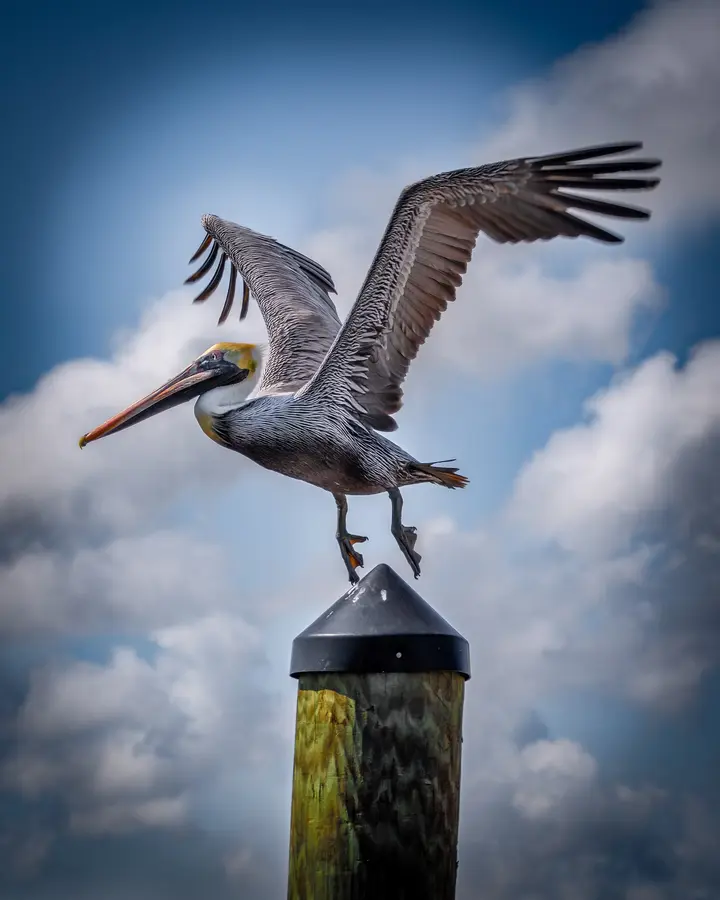
2. Majestic Pelicans: King of romance in the bird world.
ADVERTISEMENT
Photo by Richard Sagredo on Unsplash
When it comes to romance, few birds rival the majestic swan. The swan is one of the most romantic and beautiful birds in the natural world, known for its gentle disposition and displays of courtship that inspire poets and artists.
The swan’s soft white plumage conveys calm and serenity. Its body length ranges between three and four feet, making it one of the larger waterfowl species. Its presence transports observers to a world of grace and elegance.
Beyond appearance, the swan’s behavior reflects its unique romantic nature. Swans glide slowly and gracefully across the water, giving the impression of dancing to a tune of love. They also perform displays on the water—wrestling and bowing—as part of their courtship and mating rituals.
ADVERTISEMENT
Swans also hold a special place in mythology and culture. In many traditions, they symbolize love, loyalty, and beauty. You’ll find their images in paintings, jewelry, and traditional clothing, where they represent elegance and romantic charm.
The swan remains the king of romance among birds. Its beauty, grace, and courting behaviors make it one of nature’s most enchanting creatures. Let its romantic spirit inspire and delight us.
3. Classification of majestic swans and their places of spread around the world.
Photo by CALIN STAN on Unsplash
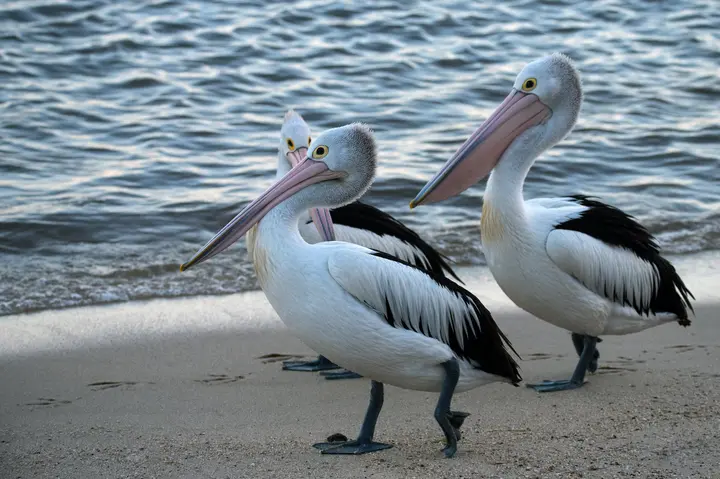
Understanding the classification of majestic swans and where they are found helps us appreciate this graceful bird more deeply. The majestic pelican has been placed within the family of pelicans and the genus Pelicans. Known by the scientific name "Cygnus olor", the majestic pelican is considered free of subspecies.
ADVERTISEMENT
Majestic pelicans live in different regions and are considered migratory birds. They inhabit swamps, lakes, rivers, and other bodies of water across Europe and Asia. In recent years, they have also been observed in parts of North America and Australia.
Swans prefer rural areas that provide large water spaces and temperate climates. You can find them on lakes, ponds, rivers, and even in gardens and parks.
Climate and geography determine whether swans stay in one place year-round or migrate seasonally. In regions with cold winters, swans may move to warmer areas for the season and return to their breeding grounds in the summer. In milder climates, they may remain in the same area throughout the year.
ADVERTISEMENT
Countries where swans are widespread include the United Kingdom, France, the Netherlands, and Germany in Europe; Russia, China, Japan, and Korea in Asia; and the United States and Canada in North America.
The majestic swan is a favorite subject for nature lovers and photographers worldwide because of its bright white plumage and elegant demeanor. Don’t hesitate to visit their habitats and enjoy watching this wonderful bird in the wild.
4. The behaviors of majestic swans: from food to their reproduction.
Photo by Birger Strahl on Unsplash
The behavior of majestic swans is varied and spans many aspects of their lives. They are not just beautiful birds but also exhibit behaviors that draw the attention of scientists and observers alike.
ADVERTISEMENT
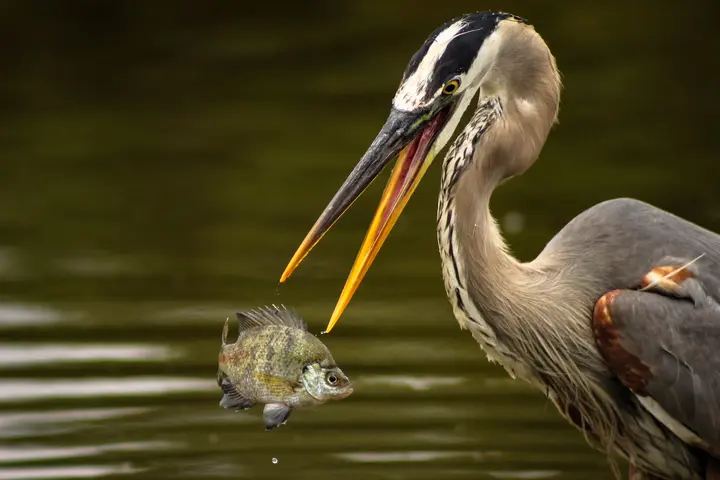
In terms of diet, majestic pelicans feed on a wide range of prey that includes fish, snails, and small rodents. They show a strong preference for fish, thanks to their ability to dive and catch them with their long, sharp bills. Young birds are fed small fish and snails until they learn to catch food on their own.
When it comes to breeding, pelicans display surprising and often romantic behaviors. Mated pairs form strong, long-lasting bonds. The pair builds a nest from aquatic plants and lines it carefully to house eggs and chicks. As the breeding season begins, both birds work together to build and maintain the nest and to prepare a safe environment for raising their young.
After the eggs hatch, the parents continue to care for the chicks. The young grow quickly, and the parents feed them in a planned way, providing small fish and snails. Over time, the chicks learn to feed themselves and become strong and ready to face the challenges of life.
ADVERTISEMENT
Studying the behavior of majestic swans reveals their charm and adaptability. By understanding how they live, we can better respect and protect this graceful bird, whose beauty lies in the simplicity of its life and its balance with nature.
5. Masters in fishing: great fishing skills for swans
Photo by Bill Hansen on Unsplash
In the bird world, few species have hunting skills as impressive as those of the majestic swan. This bird is considered one of the most skilled hunters, and several behaviors help it stand out among other species. Here are some of those techniques:
1. Use of sparrows: It is believed that majestic swans cooperate with other small birds while hunting. Swans are seen swimming calmly while other birds fly around, creating panic among fish. The swans then take advantage of the commotion to catch easy prey.
ADVERTISEMENT
2. Patience and quick action: Majestic swans are noted for their patience while waiting for prey. They often stand still for long periods, then pounce with speed and precision when an opportunity appears. This swift, accurate move makes them effective hunters.
3. Use of tools: Majestic swans are believed to use simple tools to help them feed. They may break open shells on the ground to attract fish to the surface and then use their sharp bills and quick strikes to catch them.
4. Finding suitable locations: Swans have a keen ability to identify good fishing spots. They may fly at higher altitudes to locate schools of fish and then land quickly to fish effectively. Choosing the right location is a key part of their success.
ADVERTISEMENT
5. Use of white neck markings: The white patch on the neck of some swans can attract the attention of predatory fish. When the bird adopts a hunting posture, sudden movements can distract predators and make hunting easier for the swan.
Photo by David Clode on Unsplash
By exploring the world of majestic swans, we discover their unique charm and beauty. Recognizing their behaviors and brilliant white feathers makes us appreciate these graceful birds even more. Their presence in nature reminds us of the complexity and wonder of the natural world and reflects the greatness of creation. Let us work to preserve the pelican and protect its habitat so we can continue to enjoy its timeless beauty.
Hakim Marwa
ADVERTISEMENT
Believe it or not! It only takes 4 minutes to fall in love
ADVERTISEMENT
Falling in love with someone can happen in a few minutes, while truly understanding each other’s feelings can take many years. For many people, the moment it takes to fall in love can be as short as four minutes, and for some it can be even faster.
ADVERTISEMENT
For others, those four minutes come after a long wait. Either way, it suggests that only a brief period is needed and that the spark between two people can occur entirely within that time.
How much does staring at each other affect falling in love?
Photo via Unsplash
New York psychologist Professor Arthur Aron succeeded in getting two strangers to fall in love in the lab in just 94 minutes.
The study combined four minutes of sustained eye contact with 90 minutes of intimate conversation using a set of predetermined questions. The experiment ended with the participants marrying each other.
ADVERTISEMENT
"When it comes to attracting a partner, it's absolutely true that first impressions last," says Gorghenidze.
It's often observed that couples will look into each other's eyes for several minutes. This can be a way of expressing the feelings they hold for one another. The same is true for strangers: a few minutes of mutual eye contact can reveal an attraction between them.
That attraction can lead both men and women to develop a growing interest in one another.
For many people, a stranger staring at them can feel strange or uncomfortable; some may avoid the person because that behavior signals discomfort or a rejection of closeness.
On the other hand, studies have shown that men and women who spend a few minutes looking into each other's eyes sometimes fall in love quickly.
ADVERTISEMENT
Friends often remain just friends for years unless they feel a spark between them.
Eye contact is a powerful way to express feelings that touch the heart. It conveys confidence and emotions that can be difficult to express in other ways.
Snap requires only a few seconds
Attraction can happen in just a few seconds. It is often said that it takes only three seconds to become attracted to someone. The reason for that attraction varies from person to person.
Some people are drawn to another person's actions. When men are attracted to women, it can be because of their beauty as well as their behavior. Appearance and presentation matter when someone wants to appear attractive.
The shorter the time needed to spark attraction, the easier it can be to express that feeling. Attraction can feel like magic and can ignite a spark within four minutes. Couples do not always have to struggle to reveal themselves; the attraction itself can make that happen. It may still be hard to define or explain love, but attraction can quickly give people the chance to connect.
ADVERTISEMENT
This is one reason dating sites are so popular. People often start by looking for someone who seems attractive. Different age groups use these sites to find a compatible partner; some succeed and some do not. Behind this search is often the idea that a quick spark can lead to something more—the four-minute theory in action.
Once partners are attracted, they begin interacting, sometimes for only a few minutes. Those brief interactions can be enough for love to begin.
So is love at first sight true love?
Photo via vjapratama/Pexels
In 2017, a group of researchers set out to determine once and for all what love at first sight really is.
They found that love at first sight rarely exists without a strong physical attraction. It's also not surprising that people in long-term relationships score higher on measures of "love" than those who reported love at first sight after a first meeting. But this is not merely a memory bias: people who had never met before often truly believed they had fallen in love with a stranger.
ADVERTISEMENT
Overall, while love at first sight may not be as deep as long-term, committed romantic love, it does exist. It is not only about physical attraction or intense passion; love at first sight is a phenomenon that makes people want to know more — a willingness to fall in love and experience life with this new person.