The Ma’rib Dam: Legacy of Ancient Engineering in Yemen
ADVERTISEMENT
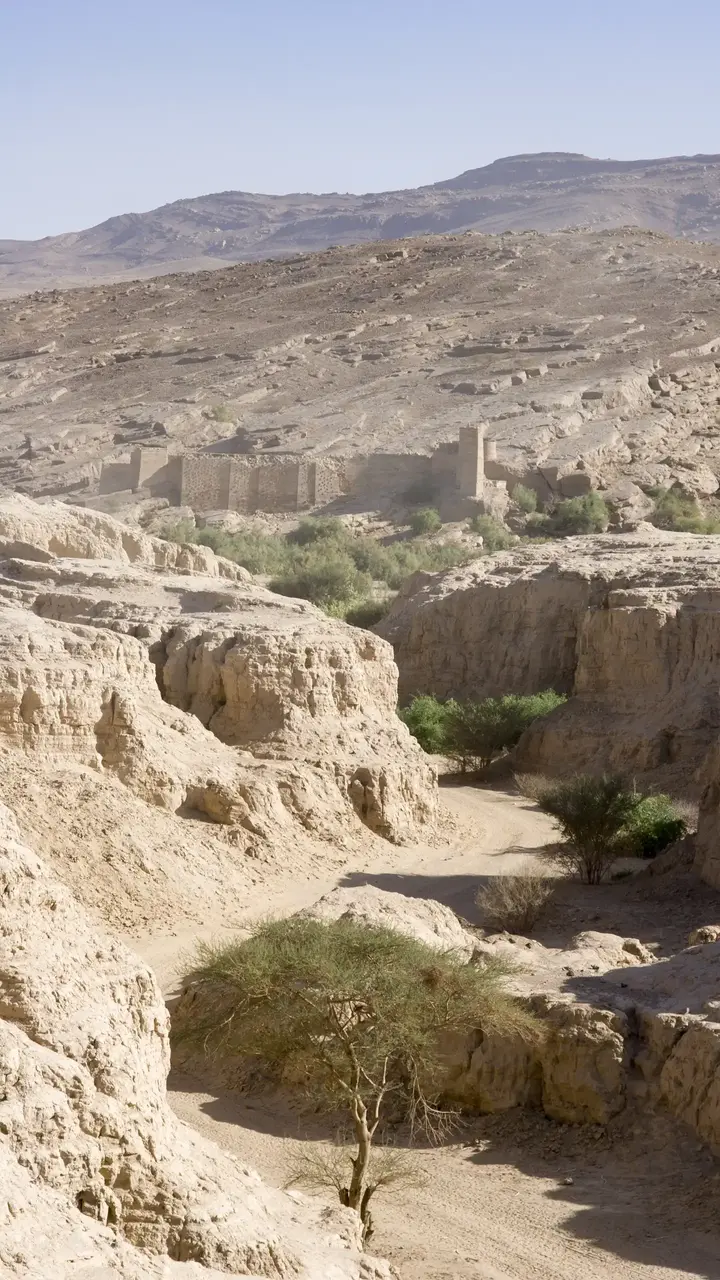
Located in central Yemen, the Marib Dam is one of the greatest engineering achievements of antiquity and is considered among the finest examples of stone architecture in the Arabian Peninsula. This massive structure not only reflects the ingenuity of ancient civilizations but also provided life-sustaining water for one of the
ADVERTISEMENT
peninsula’s most powerful kingdoms for centuries.
Photo by H. Groby - Source: Wikipedia
Construction Period of the Marib Dam
Construction of the Marib Dam began between the second and first millennium BC. Historical inscriptions attribute major work on the dam to the Sabaean king Simhu Ali Yanaf and his son Yadh'amar Bin during the eighth or seventh century BC. Recent archaeological excavations, however, show that the dam underwent multiple construction phases over many centuries, indicating that building and maintenance were continuous and evolving tasks. This long period of development underlines the dam’s importance as a vital engineering achievement and as an agricultural necessity for the region.
ADVERTISEMENT
The Reason for Building the Marib Dam
The primary purpose of the Marib Dam was to control the flow of seasonal rainwater, which falls heavily on the eastern highlands, and to prevent floods that devastated the agricultural lands of Wadi Dana. The dam also provided a reliable water reserve for irrigation year-round, enabling large-scale agriculture in an arid region prone to water scarcity. It was crucial to sustaining the population and stabilizing the economy of the Sabaean Kingdom, which depended heavily on farming and trade. By securing water for crops, the dam helped support a prosperous society and increased agricultural output.
The Impact of the Marib Dam on Ancient Arab Civilizations
The Marib Dam had a profound impact on ancient Arab civilizations. It was more than an engineering work; it became a cultural symbol of ancient expertise in water management. The dam enabled the Sabaean Kingdom to achieve great agricultural prosperity, which supported a strong economy and a prominent role in international trade, particularly along the famous Frankincense Route. This agricultural wealth promoted cultural and political development in southern Arabia, and the Sabaean Kingdom emerged as a major cultural center that enriched ancient Arab heritage. The dam also served as an engineering model that inspired later water projects across the region, making it an important landmark in the history of Arab and world civilizations.
ADVERTISEMENT
A Dam That Shaped an Entire Civilization
The Marib Dam, also known as the Great Dam of Marib, was built primarily for water storage and irrigation, enabling agriculture in an arid climate. For centuries, it regulated seasonal rainwater and fed a complex network of irrigation canals that brought life to the heart of the Sabaean kingdom.
The dam transformed Yemen’s dry lands into fertile fields. It captured seasonal runoff and prevented devastating floods while ensuring a steady water supply throughout the year. The irrigation system supplied by the dam covered thousands of hectares, enabling the Sabaeans to cultivate staple crops such as wheat, barley, and fruit. This agricultural production formed the cornerstone of the kingdom’s prosperity and development.
ADVERTISEMENT
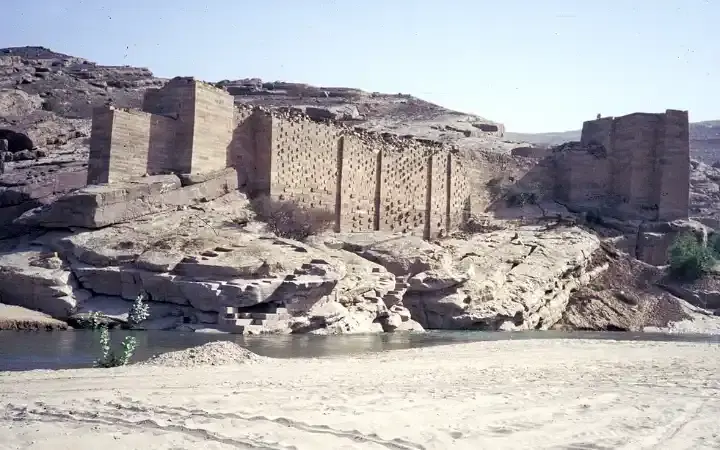
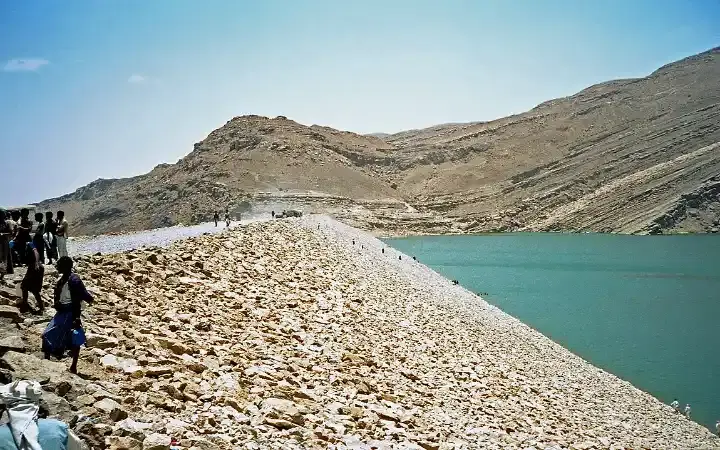
Although the dam stood for many centuries, it ultimately collapsed in the sixth century AD; some parts of it, particularly the spillways, still survive today. In the twentieth century, a new dam was built near the site, reflecting the legacy of the ancient structure.
Photo by Luba Brank - Source: Wikipedia
The Sabaeans and the Dam Builders
In the first millennium BC, Marib was the capital of the Sabaean kingdom, known in tradition as the Kingdom of Sheba. The Sabaeans were a Semitic people who migrated from northern Arabia and settled in the south, establishing a prosperous realm at the crossroads of vital trade routes. Their kingdom flourished thanks to the frankincense and spice trade, which connected the East to the Mediterranean.
ADVERTISEMENT
The frankincense and spice trade provided the kingdom’s wealth and political influence. Agarwood, frankincense, and myrrh were highly prized by civilizations such as Egypt and Rome for religious rites, perfumery, and medicine. This wealth allowed the Sabaeans to finance major projects like the Marib Dam and to sustain a complex society.
However, in the sixth century BC new trade routes diverted commerce away, weakening the Sabaean economy. Despite this setback, the kingdom endured until the third century AD, when it was conquered by the Himyarite Kingdom.
A Testimony to the Ingenuity of the Ancients
Traditional sources date construction of the Marib Dam to the eighth or seventh century BC, crediting King Simhu Ali Yanaf and his son Yadh'amar Bin. Recent archaeological evidence, particularly from German expeditions, indicates that construction phases extend back to the second millennium BC.
ADVERTISEMENT
Excavations show that the dam was not a single, one-time project but a dynamic structure that underwent regular maintenance and additions over the ages. These phases reflect advances in engineering techniques and responses to changing environmental conditions, demonstrating the skill and craftsmanship of the Sabaeans.
The dam was more than a physical structure; it stood as a symbol of the kingdom’s strength and of divine favor. Ancient inscriptions indicate that Sabaean kings regarded the building and upkeep of the dam as a sacred duty, associating it with prosperity and the blessing of the gods.
Architectural Design and Functions of the Dam
The dam rested on massive stone foundations topped by an earthen wall reinforced with layers of gravel and stone. Its walls rose to about 15 meters high, with a base roughly 60 meters thick. The structure extended some 720 meters across the Dana Valley, from Jabal Balq in the north to Jabal al-Jabir in the south.
ADVERTISEMENT
The dam’s great length covered the valley’s width, while its thickness helped it resist the immense pressure of stored water and the force of floods. During the rainy season, from April to August, runoff collected in the valley; the dam prevented sudden overflow, protecting farmland and storing water for later use.
Spill gates at either end of the dam allowed water to be released into an intricate irrigation network. That system turned arid land into productive fields through a series of canals and smaller dams that distributed water carefully to prevent erosion and boost yields.
Photo by Bernard Gagnon - Source: Wikipedia
Dam Maintenance and Collapse
The dam remained important after the fall of the Sabaean Kingdom, and the Himyarite Kingdom continued its maintenance. The structure collapsed twice, in 450 AD and in 542 AD, and was repaired after each failure.
ADVERTISEMENT
In 570 AD the dam finally gave way, and the exact cause remains disputed. Some researchers attribute the collapse to a powerful earthquake, while others blame unusually heavy rains. Local legend tells of giant rats gnawing at the dam’s base, causing leaks and eventual collapse.
The disaster had far-reaching effects: catastrophic flooding, degraded agricultural land, and the breakdown of local communities. Some historians link the dam’s final collapse to the decline of the Himyarite Kingdom and the political changes that followed.
Echoes of the Past in the Present
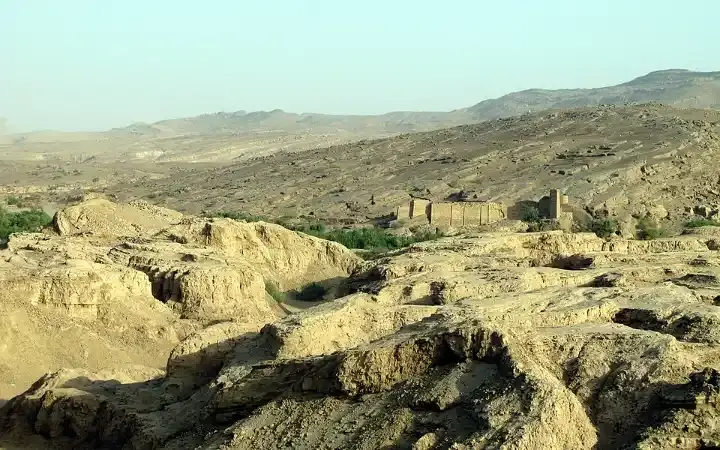
Today, the surviving parts of the Marib Dam, especially the spillways, stand as a reminder of ancient Yemeni engineering. These remains recall a long history of advanced water technology in the region.
ADVERTISEMENT
Sadly, in 2015 the dam’s remnants were damaged by airstrikes during the ongoing conflict in Yemen, posing a serious threat to this important cultural heritage.
Despite that damage, the Marib Dam continues to attract researchers and history enthusiasts. Its remains provide valuable information about ancient water management and urban planning in the Arabian Peninsula.
Archaeological Discoveries and Ongoing Research
Recent decades have seen research by German and other missions studying the dam and its surroundings. Excavations have uncovered inscriptions, artifacts, and construction remains that illuminate the dam’s history and the lives of those who depended on it.
These studies have clarified the dam’s construction stages and the engineering methods used. Ongoing research analyzes sediments and interprets ancient texts to deepen understanding of the dam’s role in regional development. This work also connects the Marib Dam to other famous ancient water projects in Mesopotamia, Egypt, and Rome.
ADVERTISEMENT
Photo by Aden Memory - Source: Wikipedia
Cultural and Religious Significance
Beyond its practical role, the Marib Dam held deep cultural and religious significance for the Sabaeans. Inscriptions show that the dam was dedicated to deities linked with water and fertility, reflecting the sacred bond between water and life.
Kings who built or maintained the dam were seen as guardians of the kingdom’s prosperity and of divine favor; the dam symbolized the kingdom’s strength and its harmony with nature.
Festivals and rituals were likely held around the dam to give thanks for bountiful harvests and to strengthen social cohesion.
Benjamin Carter
ADVERTISEMENT
Discover Edinburgh: a journey through Scotland's fascinating capital
ADVERTISEMENT
Edinburgh, Scotland, is one of the world’s most beautiful cities, combining ancient culture, striking architecture and breathtaking nature. It is a city of unique stories, where a sense of magic and legend seems to linger around every corner. Join us as we travel through Scotland’s charming capital
ADVERTISEMENT
to discover its captivating beauty and character.
1. History of Edinburgh: A tale from a glorious past.
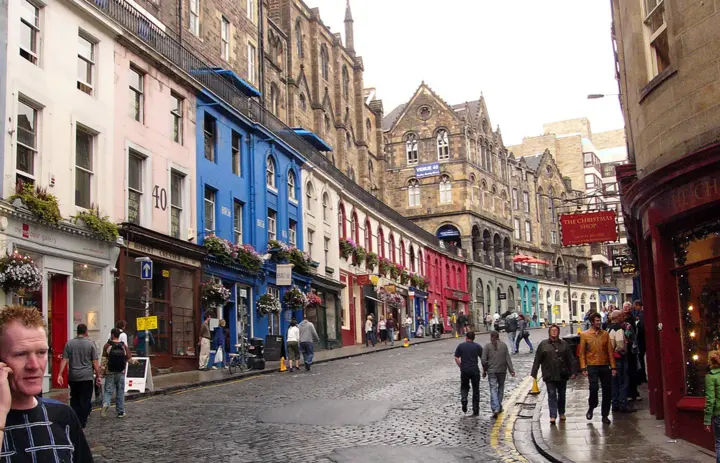
Photo by Mike McBey on Wikimedia Commons
Edinburgh’s history goes back thousands of years; archaeologists believe people first settled the area around 8,500 years ago. Since then the city has seen major developments and left an unforgettable cultural legacy.
Edinburgh Castle is one of the city’s most prominent historic landmarks. Its origins date to the 12th century, and it has long played a central role in Scotland’s past. From its ramparts you can enjoy sweeping views of the Old Town.
ADVERTISEMENT
Strolling the narrow, bustling streets of the city is like taking a journey through time. You will pass historic buildings and medieval churches and discover a lively mix of cultures, shops and restaurants.
Explore Princes Street Gardens, where you can escape into a world of greenery and calm. The gardens are home to a wide range of plants and flowers, and they offer beautiful views across the city.
Edinburgh is not only a city of history; it is also Scotland’s cultural and artistic capital. Visit museums and galleries to see both contemporary and classical works in a variety of styles.
Be sure to sample Scottish specialties while you are in Edinburgh. Trying traditional dishes such as haggis, chops and local pastries will enrich your visit and help you immerse yourself more deeply in the city’s culture.
ADVERTISEMENT
In short, Edinburgh’s history tells the proud story of a city that carries the beauty of the past alongside a vibrant present. Discover its charming details and immerse yourself in its cultural, artistic and natural atmosphere — it may well draw you back for another visit.
2. Edinburgh Castle: a historic landmark that glows with the past.
Photo by dun_deagh on Wikimedia Commons
Edinburgh Castle is one of the city’s most important historic and cultural sites. Perched in the heart of the Old Town, it dates back to the Middle Ages and reflects a rich history of kings, queens and major events.
The castle complex includes a number of historic buildings, from the Royal Palace to chapels and ceremonial halls. These structures tell stories from different eras and underline the castle’s historical significance.
ADVERTISEMENT
The castle is also known for its daily guard-change ceremonies, which take place on the main esplanade. The spectacle — with bagpipes, drums and soldiers in traditional dress — adds a sense of pageantry and tradition.
Visitors should not miss the castle’s museums, where artifacts, regalia and other treasures illustrate Scotland’s cultural and historical wealth. You can also explore original towers and stroll the gardens that surround the fortress.
Overall, Edinburgh Castle is a true repository of Scottish culture and history, drawing visitors with its fine architectural details and varied cultural events. A visit to the castle offers an unforgettable chance to step back in time and learn more about Scotland’s past.
ADVERTISEMENT
3. A tour of the narrow, bustling streets: a charming, exciting experience.
Photo by Fingalo on Wikimedia Commons
Walking through Edinburgh’s old, crowded streets is the perfect way to feel the spirit of this enchanting city. As you wander the narrow, winding lanes you will encounter many surprises and discoveries; it can feel as if you have stepped into another world.
You will see historic buildings with age-old stories, pass traditional shops and boutiques selling local crafts, and watch street performers filling the air with music and theatre.
You will never be short of places to pause: small cafés and cosy restaurants invite you to try authentic Scottish fare. Browse the shops for unique souvenirs to remind you of your visit to Edinburgh.
ADVERTISEMENT
The old streets add an atmosphere of charm and authenticity to any visit, giving travelers a distinctive experience. Don’t miss the chance to lose yourself in this beguiling world and explore every corner.
4. Princes Street Gardens: a touch of green and tranquillity.
Photo from Geograph
Princes Street Gardens are one of Edinburgh’s most notable natural landmarks. They offer a peaceful escape from the city’s bustle and a chance to enjoy nature in the heart of the capital.
These gardens have roots that go back centuries and were shaped in the 18th century. They are admired for their elegant layout and for the variety of plants, trees and roses on display.
When you enter the gardens, you will notice the sense of calm that pervades the place. Take a romantic walk along winding paths, discover small ponds and fountains, and relax under the shade of broad trees.
ADVERTISEMENT
The gardens are open year-round, so you can visit whenever you like. Whatever the season, they are a tranquil refuge from the stresses of everyday life.
You may also spot wildlife there, such as swans, ducks and other birds, which adds life and charm to the landscape.
If you are looking for a peaceful spot to unwind and enjoy Edinburgh’s natural beauty, Princes Street Gardens are an ideal destination. Visit and enjoy a moment of calm and irresistible natural charm.
5. Arts and theatre in Edinburgh: a cultural capital.
Photo by User:Tubaist on Wikimedia Commons
Edinburgh is one of the world’s great centres for arts and theatre, drawing artists and audiences from across the globe. The city’s deep history and lively cultural scene make it a hub of creativity and expression.
ADVERTISEMENT
Edinburgh is best known for the Fringe Festival, the world’s largest multi-arts festival, where performers of every kind — actors, musicians, dancers and more — come together to present their work. The festival’s variety and inventiveness attract visitors of all ages and tastes.
Beyond festivals, the city is home to many theatres and performance venues hosting drama, music, opera and ballet. Among them is the Royal Lyceum Theatre, one of Edinburgh’s historic playhouses, which stages a broad range of productions.
Edinburgh also offers circus shows, street performances and live events that add to its diverse arts scene. Whatever your interests, the city will meet your expectations and leave you with memorable artistic experiences.
ADVERTISEMENT
With its creative spirit and commitment to artistic expression, Edinburgh truly embodies innovation in the arts. Its rich cultural life makes it one of the world’s top destinations for theatre and performance.
6. Taste Scottish cuisine: a culinary journey into traditional dishes.
Photo by Jeremy Keith on Wikimedia Commons
When you visit Edinburgh, sampling traditional Scottish cuisine is a must. The city has a wide range of restaurants and cafés serving distinctive, delicious dishes made with local ingredients.
Enjoy the famous Scottish barbecue, where perfectly grilled meats such as lamb and beef are often the stars. One iconic dish to try is haggis, a savory pudding made from offal, oats, onions and spices, traditionally served with mashed potatoes and turnips.
ADVERTISEMENT
If you prefer seafood, Edinburgh offers plenty of fresh fish and smoked options, including salmon, haddock and shellfish. Try classic fish and chips at a local eatery for a simple, tasty meal.
Don’t miss traditional Scottish sweets either. Try scones — light, crumbly baked treats usually served with tea — and cranachan, a dessert sweetened with honey and often mixed with oats and almonds.
Exploring Scottish cuisine in Edinburgh adds a special dimension to your trip. Enjoy rich flavours and delightful dishes that carry the country’s heritage and culinary traditions.
Photo by Mike McBey on Wikimedia Commons
After touring Edinburgh, there can be no doubt that this charming city is a must-see destination. It blends natural beauty with a rich cultural and historical legacy, making it essential for any traveller to Scotland. Prepare for a unique experience, taste the local specialties, and savour every moment of your visit — the memories you make in Edinburgh will stay with you forever.
Mohammed
ADVERTISEMENT
Discover the enchanting beauty of Greece: a guide to the best destinations
ADVERTISEMENT
Greece is one of the world’s most attractive and fascinating travel destinations, combining charming natural scenery with an ancient history like no other. With a rich culture and deep heritage, the country is home to remarkable archaeological sites and breathtaking landscapes. If you want to experience Greece’s
ADVERTISEMENT
enchanting beauty, here is a guide to the top destinations you should visit.
Discover the ancient capital: Athens
Photo via Unsplash
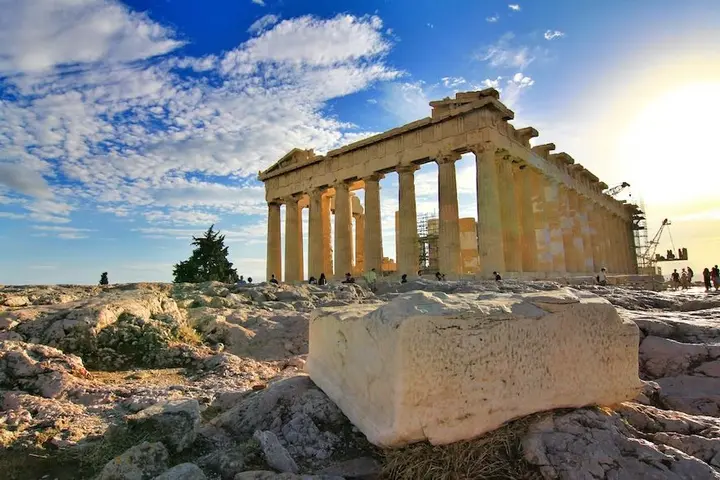
If you want to discover Greece’s charm, you can’t skip the country’s ancient capital, Athens. It is one of the world’s most important historical centers, with many famous temples and monuments dating back to antiquity. Founded thousands of years ago, Athens still bears many landmarks that recall its rich history and unique culture.
ADVERTISEMENT
Your first stop in Athens will likely be the Acropolis, an unmissable archaeological site. Perched on a high hill above the city, it contains several famous temples, most notably the Parthenon, which is considered one of the wonders of the ancient world. You’ll be struck by the distinctive architecture, the ornate columns, and the inscriptions on these monuments, and you’ll sense the living presence of history.
To complete your visit, explore the city’s renowned museums. The Museum of the Ancient Agora displays many artifacts that tell the story of ancient Greek life. There is also the National Museum of Panakotica, which houses distinctive masterpieces and impressive paintings.
Don’t forget to wander through one of Athens’s lively markets, such as Monastiraki or Plaka. Full of color, aromas, and energy, these markets are perfect for browsing small shops and buying souvenirs and local products.
ADVERTISEMENT
Explore the magical legend of Santorini
Photo via Unsplash
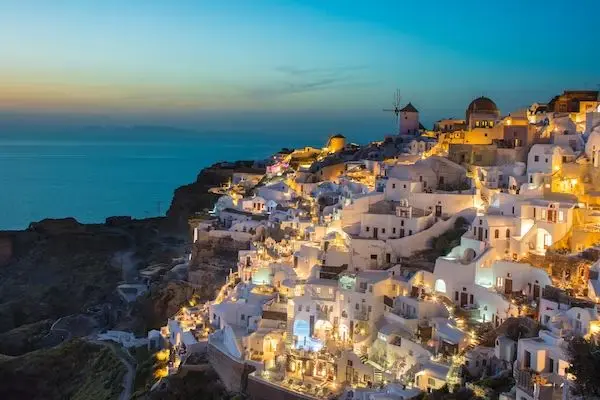
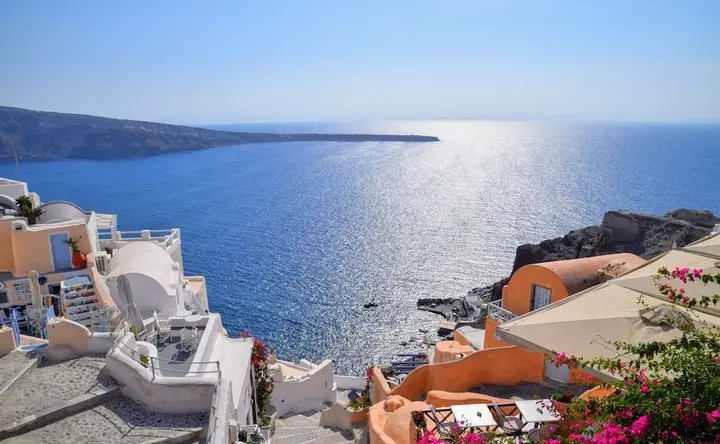
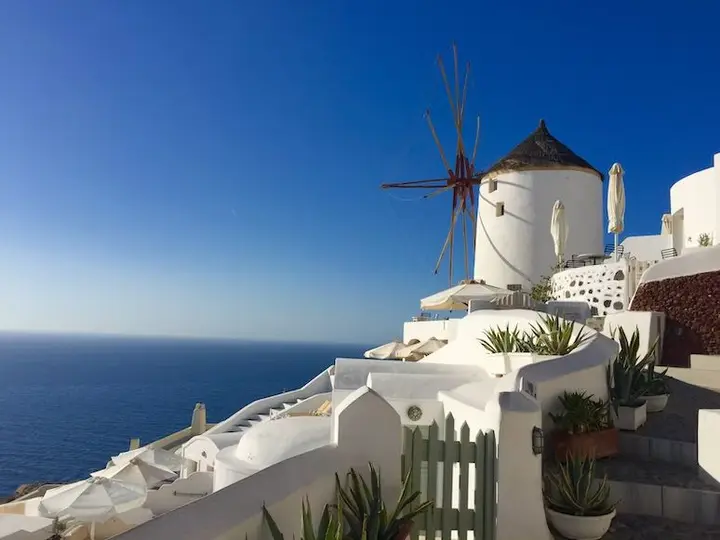
Santorini is one of Greece’s—and perhaps the world’s—most iconic travel destinations. The island offers a fairy-tale mix of dramatic volcanic landscapes, charming beaches, and the famous whitewashed houses clinging to the cliffs.
Fira, Santorini’s main town, is a must-see. From its clifftop streets you can enjoy spectacular views of the blue sea and the island’s distinctive architecture. One of the best ways to take in those views is the Fira to Oia hike, the popular trail that follows the caldera rim from Fira to Oia.
Oia is one of Santorini’s most picturesque villages and is famous for its breathtaking sunsets, which draw crowds every evening. You can also relax on Santorini’s volcanic beaches, such as Kamari and Perissa, where you’ll find black sand and clear water.
ADVERTISEMENT
No visit to Santorini is complete without a donkey ride, a traditional mode of transport on the island. Riding a donkey up to the clifftop in Fira or between mountain villages adds a charming cultural touch to your trip.
Excursion to the picturesque Greek islands
Photo via Unsplash
The Greek islands are among the country’s greatest attractions, known for their unique beauty and postcard-perfect charm. Greece has nearly 6,000 islands, from large to tiny, offering a wide range of travel experiences.
Scattered across the Ionian and Aegean Seas, these islands feature white sandy beaches and clear turquoise waters. They also offer varied scenery—towering cliffs, hidden valleys, and fields of colorful flowers.
ADVERTISEMENT
The islands are great for water activities: dive in the clear waters to explore coral reefs, or try sports such as windsurfing and kayaking. You can also visit traditional villages to experience authentic Greek culture and sample local dishes.
Relax on the sandy beaches of Crete
Photo via Unsplash
Crete, the largest Greek island, is an ideal coastal destination to relax and enjoy sun and sea. Crete’s beaches are naturally beautiful, with wide sandy stretches and scenic plains along the shore. They offer an exceptional setting for visitors seeking rest and striking views.
Crete has a wide range of beaches to suit every taste. Whether you want a quiet, secluded cove or a lively beach with many activities, you’ll find it here.
ADVERTISEMENT
Along Crete’s coast you can relax on soft sand under the warm sun while listening to the waves. You can also snorkel to discover the island’s underwater world, with interesting rock formations and diverse marine life.
If you prefer to get away from the crowds, visit some of the island’s more remote beaches—for example, Palm Prix Beach, known for its clear turquoise waters and scenic mountain backdrop. Or head to the long sandy stretch of Elavia in the northeast, one of Crete’s most popular beaches.
Travel to Crete and enjoy relaxation on its picturesque beaches. Soak up golden sunshine, swim in clear waters, and take in the stunning scenery. Crete’s magnificent shores will welcome you and leave lasting memories.
ADVERTISEMENT
Experience the rich culture of the ancient city of Delphi
Photo via Unsplash
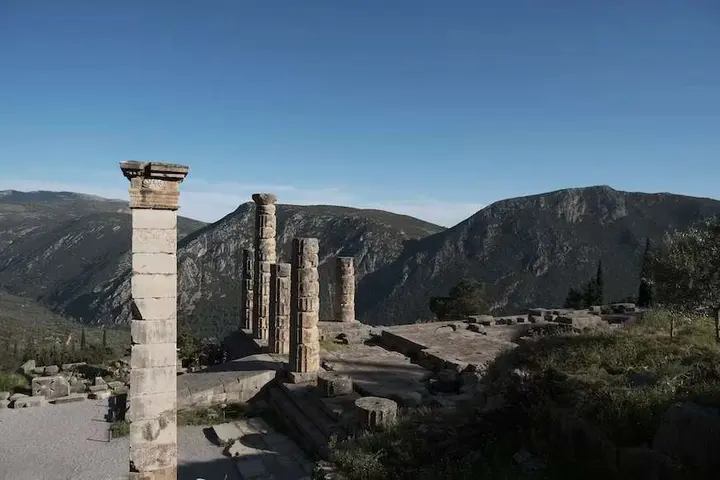
Among Greece’s great archaeological sites, Delphi stands out. Delphi is home to the Temple of Apollo and was a center of art and prophecy in ancient Greek mythology. Visitors are often moved by the city’s beauty as they explore and learn about Greek culture.
Arriving in Delphi, you’ll be struck by the cultural remains and by the impressive Temple of Apollo. The town sits in a beautiful mountainous region overlooking a wide valley, offering remarkable views. The archaeological site covers a large area and contains many interesting buildings and monuments.
One highlight of Delphi is its ancient theater, once the stage for musical and dramatic performances. Standing on the theater’s stage or in its seating area, visitors can imagine the artists who once performed there and feel the site’s cultural atmosphere.
ADVERTISEMENT
After exploring the site, visit the Delphi Archaeological Museum to see its large collection of artifacts. The museum displays many statues and inscriptions dating to the classical era that reflect the finest ancient art and culture.
After your visit, enjoy Greek cuisine at local tavernas and stroll the nearby markets. One regional favorite is moussaka, a layered dish of eggplant, minced meat, and béchamel sauce.
Photo via Unsplash
Greece is a country where the present and the past meet, allowing visitors to enjoy great weather, stunning scenery, and ancient history all at once. Discovering Greece’s enchanting beauty is an unforgettable experience—one that includes distinctive culture, magnificent archaeological sites, and lovely beaches. Plan your next trip to this travel paradise and see Greece’s charm for yourself.