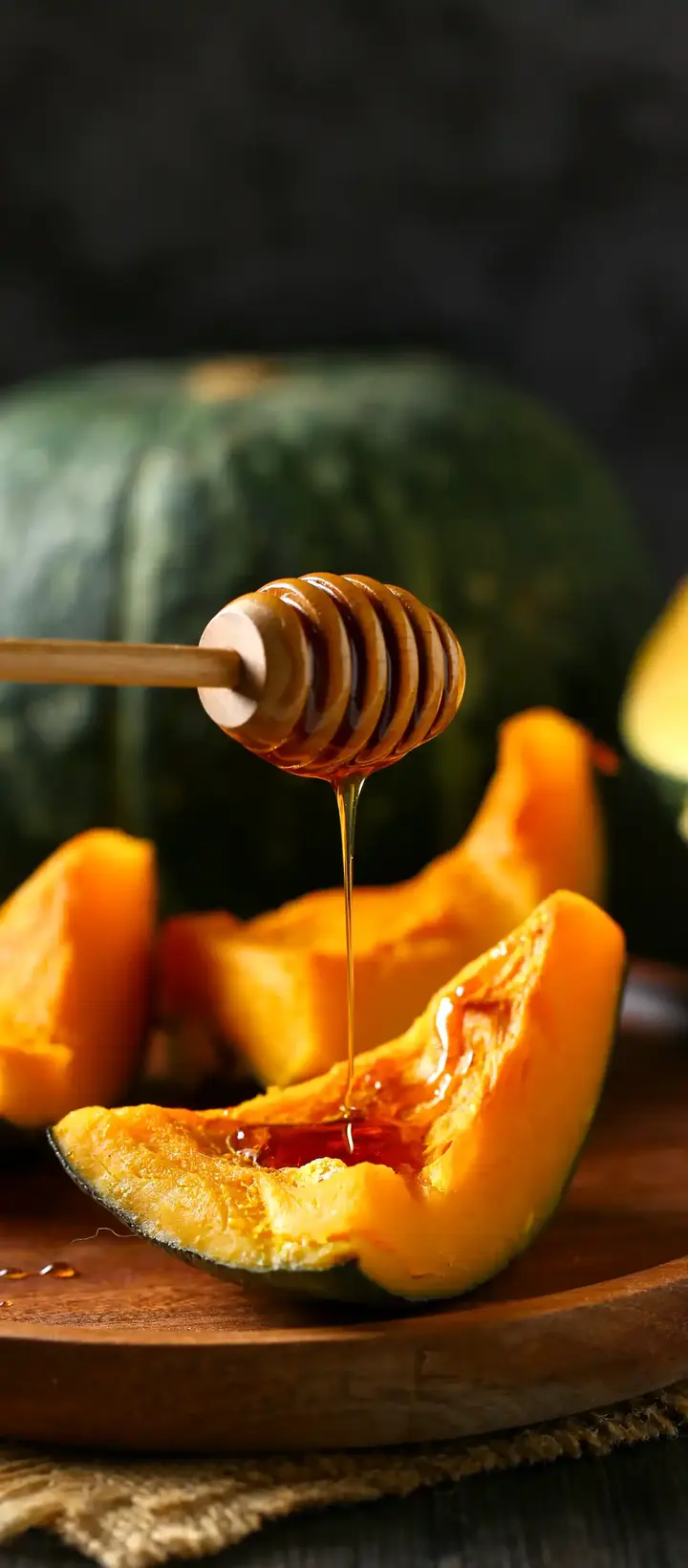
Pumpkins on your plate: exploring the health benefits and ideal consumers of this superfood
ADVERTISEMENT
Pumpkin is a delicious, nutritious seasonal vegetable that adds color and flavor to many dishes. But pumpkin is more than a tasty ingredient; it offers numerous health benefits. It contains a wide range of nutrients that support overall health and strengthen the immune system.
ADVERTISEMENT
Pumpkins can be prepared in many ways and easily included in daily meals. In this article, we explore pumpkin's health benefits and the people who can most benefit from this superfood.
Promoting digestive health: the benefits of pumpkins rich in dietary fiber
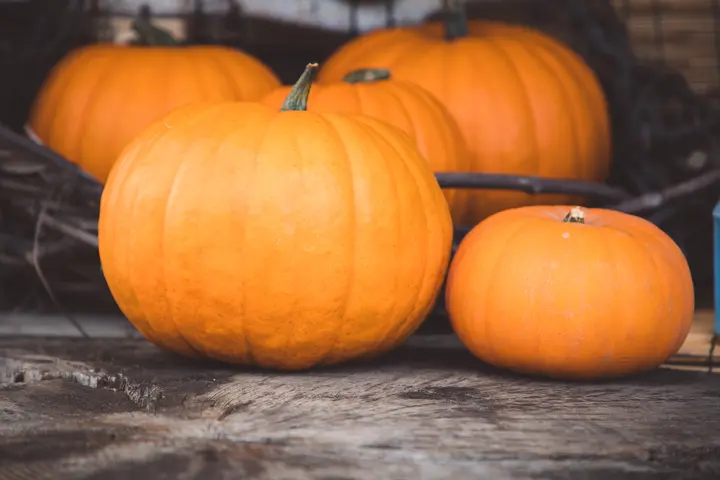
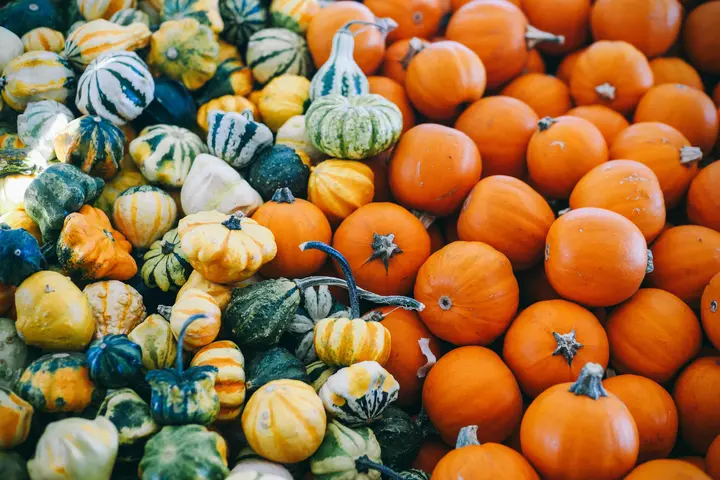
Photo via Lynn Danielson on Unsplash
When it comes to digestive health, pumpkin is an excellent choice. It is high in dietary fiber, which plays a key role in healthy digestion. Fiber supports regular bowel movements, helps prevent constipation, and contributes to better stool quality.
ADVERTISEMENT
The fibrous components of pumpkin absorb water, increasing stool bulk and helping the body eliminate waste and toxins. Fiber also helps control appetite by promoting feelings of fullness, which can support a healthy weight.
In addition, the fiber in pumpkin encourages the growth of beneficial gut bacteria, improving overall digestive health. Those bacteria enhance nutrient absorption and help strengthen the immune system.
To get the most benefit from pumpkin's fiber, eat it regularly as part of a balanced diet. Sliced pumpkin can be added to salads or used in soups and smoothies, so you can enjoy its flavor while supporting digestive health.
Increased energy levels: How does pumpkin help improve energy levels and concentration?
ADVERTISEMENT
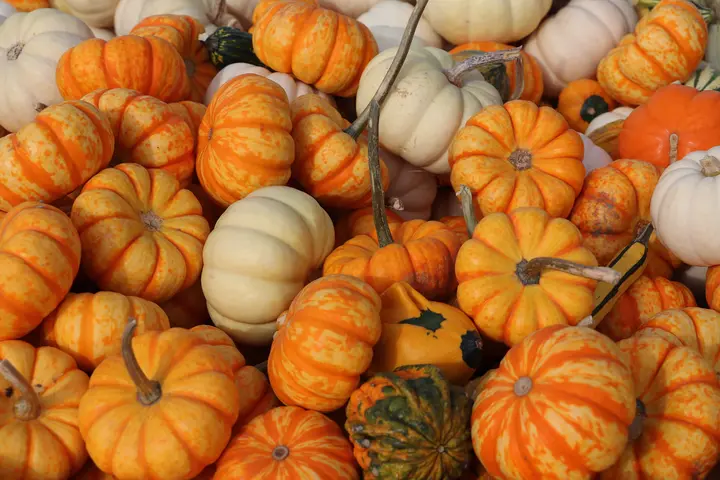
Photo via TapisRouge on Pixabay
In our busy lives, maintaining energy and focus is essential for productivity. Pumpkin can help boost both energy levels and concentration. Here’s how pumpkin supports the body and mind.
Pumpkin provides carbohydrates, the body's primary energy source, and its fiber helps stabilize blood sugar, which promotes steady energy throughout the day.
Pumpkin also supplies vitamins and minerals that support energy and alertness. It contains vitamin C, which supports immune function and helps fight fatigue, and potassium, which aids muscle function and helps maintain the body's fluid balance.
Additionally, pumpkin seeds and pumpkin oil contain essential fatty acids, including omega-3s, which support brain health, concentration, and memory.
ADVERTISEMENT
Given these nutritional benefits, pumpkin is a useful addition to the diet for boosting energy and focus. Whether eaten as a snack or blended into a fresh juice, pumpkin provides nourishing energy to help you stay active and attentive.
Enjoy a portion of pumpkin to fuel your goals and support a more focused, energetic life.
Promote eye health: Pumpkins are a rich source of vitamin A, essential for maintaining healthy eyes
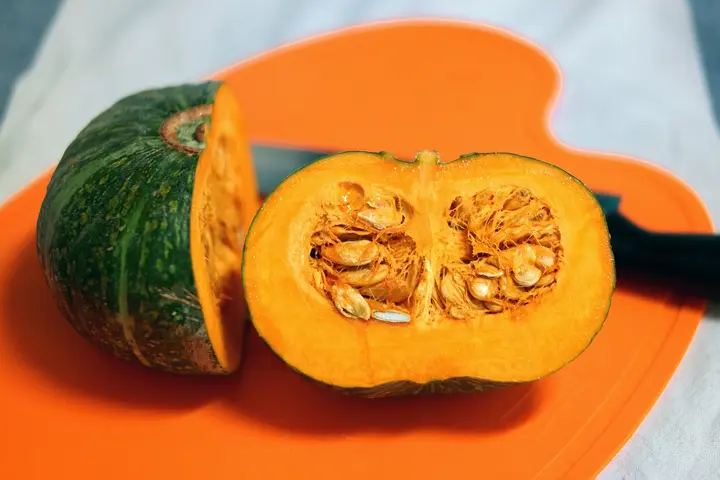
Photo via PublicDomainPictures on Pixabay
Pumpkin is one of the best foods for supporting eye health. It is rich in vitamin A, an essential nutrient for maintaining healthy eyes. Pumpkin's vitamin A helps preserve clear vision and reduces the risk of various eye problems.
Vitamin A, also known as retinol, is vital for overall eye health. It supports good vision and helps maintain the cornea and retina. As an antioxidant, vitamin A also protects the eyes from damage caused by free radicals and oxidative stress.
ADVERTISEMENT
Eating pumpkin regularly can help maintain eye health and may lower the risk of chronic eye conditions. Pumpkin also contains carotenoids, compounds the body converts into vitamin A. These carotenoids contribute to healthy eyes and may help prevent age-related eye issues such as corneal damage and fibrous sclerosis.
Overall, pumpkin is an excellent choice for promoting eye health and preserving vision. You can enjoy it fresh or cooked and add it to a variety of recipes to take advantage of its benefits.
Strengthening the immune system: the role of pumpkins in strengthening the immune system and strengthening the body against diseases
Photo via Einladung_zum_Essen on Pixabay
A strong immune system is vital for health, and pumpkin can be a key part of supporting it. Pumpkin is rich in antioxidants, vitamins, and minerals that promote immune health. It is high in vitamin C, a powerful antioxidant that helps the body produce immune cells. Pumpkin also contains beta-carotene, which has anti-inflammatory properties and supports the body's response to infection.
ADVERTISEMENT
Vitamin A and vitamin E are abundant in pumpkin as well; both act as antioxidants and protect cells from damage caused by free radicals and environmental stress. Vitamin E also supports the health of mucous membranes, which serve as a barrier against pathogens.
Pumpkin provides minerals such as zinc, selenium, magnesium, and iron, all important for a healthy immune system. Selenium acts as an antioxidant and helps promote white blood cell production. Zinc, iron, and magnesium support immune function and help strengthen the body's response to illness.
Eating pumpkin regularly can therefore play an important role in boosting immunity and strengthening the body against disease. Its range of essential nutrients helps stimulate and support the immune response, reducing the risk of infection. For these reasons, including pumpkin in the daily diet is a smart choice to promote a strong, resilient immune system.
ADVERTISEMENT
Improving Heart Health: Pumpkin's Benefits in Reducing Cardiovascular Risk
Photo via Josh Wilburne on Unsplash
The heart is the body's main engine, so caring for it is crucial. Pumpkin can help improve heart health and reduce the risk of cardiovascular disease. Below are some of the ways pumpkin supports heart health.
1. Rich in dietary fiber: Pumpkin is high in dietary fiber, which helps lower LDL cholesterol levels in the blood. This can reduce fatty buildup in the arteries and lower cardiovascular risk.
2. Rich source of antioxidants: Pumpkin contains many antioxidant compounds that protect the heart from damage caused by free radicals. Regular consumption may reduce heart disease risk and improve vascular health.
ADVERTISEMENT
3. Good source of potassium: Pumpkin is high in potassium, an important mineral for heart health. Potassium helps regulate blood pressure and supports heart function, lowering the risk of heart disease.
4. Contribution to blood purification: Pumpkin's high water content promotes hydration, helps cleanse the blood, and improves blood flow through vessels. Eating pumpkin can help maintain circulation and reduce the risk of blood clots.
5. Free of saturated fat and cholesterol: Pumpkin is low in saturated fat and contains no cholesterol, making it an ideal choice for heart-healthy diets. It can help maintain healthy blood lipid levels and reduce heart disease risk.
6. Anti-inflammatory effect: Pumpkin contains natural anti-inflammatory compounds, such as beta-carotene, that support vascular health and reduce arterial inflammation linked to heart disease.
ADVERTISEMENT
In short, pumpkin is a valuable addition to the diet for those concerned about heart health. Its many benefits can help reduce cardiovascular risk while adding variety and flavor to meals.
Enjoying pumpkin in the diet: tips for including pumpkin in daily meals and enjoying its health benefits
Photo via TapisRouge on Pixabay
Adding pumpkin to your diet lets you enjoy its taste and many health benefits. Whether as a main course, a side, or a snack, pumpkin can be included in daily meals in creative and delicious ways. Here are some tips to help you enjoy pumpkin in your diet:
1. Cut the pumpkin and use it in a vegetable salad: Dice pumpkin and add it to your favorite salad for a refreshing flavor and attractive color, plus its nutritional benefits.
ADVERTISEMENT
2. Prepare pumpkin soup: Try making hot or cold pumpkin soup. Peel and chop the pumpkin, then cook it with spices and other vegetables for a nutritious, tasty meal.
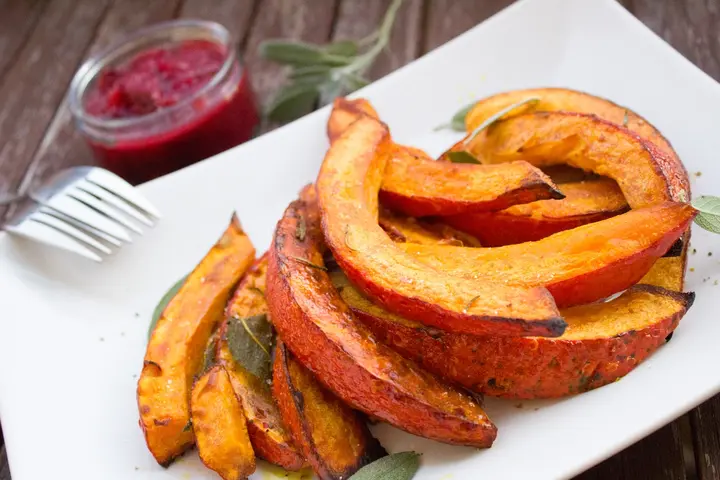
3. Bake the pumpkin in the oven: Slice pumpkin thinly, place on a baking sheet, season, and roast until tender and slightly crispy. Eat as a healthy snack or add to sandwiches.
4. Prepare soup from pumpkin: Use pumpkin to make a rich, flavorful soup — mix with mashed potatoes and stock for a creamy version, or add chunks to a vegetable soup.
5. Prepare pumpkin juice: Blend or juice pumpkin for a refreshing drink. You can also combine pumpkin with other fruits and vegetables for added flavor and nutrition.
6. Add pumpkin in dessert recipes: Use pumpkin in desserts like pumpkin pie or cakes. It adds distinctive flavor and improves the nutritional profile of baked goods.
ADVERTISEMENT
Photo via Bee Felten-Leidel on Unsplash
Recent scientific studies have increased interest in pumpkin within the fields of health and nutrition. If you want to improve your diet and discover healthy foods, pumpkin is an excellent choice. Enjoy its benefits and join the many people who have made this superfood part of a healthy lifestyle.
Aisha
ADVERTISEMENT
Ten signs that your cat is about to die
ADVERTISEMENT
Cats are beloved pets for many people, but sometimes we must face the inevitable: their death. There are several signs that a cat is nearing the end of its life, and it is important to recognize these signs so you can provide proper care and comfort during
ADVERTISEMENT
this critical time.
Withdrawal and isolation
Photo via Pixabay
When a cat senses that its end is approaching, it may withdraw and isolate itself from family members. This is very common: you might find it hiding in unfamiliar places, such as behind furniture or in a dark corner, where it feels safe and comfortable. This desire to be alone is a natural way to conserve its remaining energy.
Loss of appetite
Photo via Pixabay
You may notice that the cat refuses food and water. Loss of appetite is a common sign of declining health. If you have offered all its favorite foods and it still refuses, this may indicate that the end is approaching, though it does not mean you should lose hope.
ADVERTISEMENT
Difficulty breathing
Photo via Pixabay
Watch for abnormal breathing such as panting or rapid breaths, as this can signal serious health problems. Difficulty breathing may indicate severe pain or stress, or that the cat is close to death, so monitor it closely and act quickly if you notice any abnormal signs.
Lethargy and lack of energy
Photo via Pixabay
When a cat that used to play and jump suddenly becomes inactive and spends most of its time sleeping, its mobility will decline and it will appear more lethargic. This significant change in activity can raise concerns about its health. If you notice this drop in activity, it could be a sign that the cat is conserving its remaining energy before dying.
ADVERTISEMENT
Neglect of personal hygiene
Photo via Pixabay
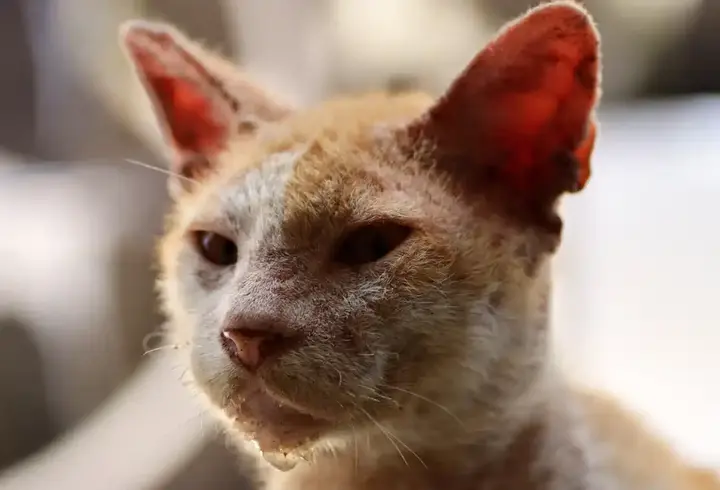
Cats are known for their meticulous grooming, so if you notice your cat no longer cleans itself or its fur becomes matted and dirty, this may indicate it can no longer perform its usual routine. That change can signal a deterioration in health or that the cat is nearing the end of its life.
Persistent vomiting
Photo via Pixabay
Occasional vomiting can be normal, but frequent, persistent vomiting may point to a serious health problem. If a cat vomits often, its body may be unable to handle food or liquids properly, and this can indicate disorders that require immediate attention to avoid a fatal outcome.
Diarrhea or constipation
Photo via Pixabay
Changes in bowel habits may signal digestive problems. If your cat has persistent diarrhea or prolonged constipation, it may be a sign that its body is struggling to function normally or that the cat is nearing death.
ADVERTISEMENT
Significant weight loss
Photo via Pixabay
Rapid and noticeable weight loss can be a dangerous sign. If you feel a cat’s bones becoming more prominent and it has lost a lot of weight in a short time, its body may not be absorbing nutrients properly. This could indicate a serious health condition that threatens its life without immediate medical intervention.
Behavioral changes
Photo via Pixabay
A cat that was affectionate may suddenly become withdrawn or aggressive. These behavioral changes can result from pain or distress the cat is experiencing, causing it to act differently than usual. This may indicate serious health problems that could lead to death if prompt and appropriate veterinary care is not provided.
ADVERTISEMENT
Convulsions or trembling
Photo via Pixabay
Convulsions or trembling can be signs of neurological problems or severe pain. If you notice abnormal movements or seizures, seek immediate veterinary attention to relieve the cat’s suffering, protect its health and life, and prevent a fatal outcome.
Ahmed Mohamed
ADVERTISEMENT
Four Easy and Healthy Breakfast Ideas You'll Love (Sweet Edition)
ADVERTISEMENT
In the quiet morning air, with a gentle breeze, we bring you refreshing ideas for a distinctive breakfast. These options are easy to prepare, very healthy, and provide the energy your body needs to start the day. Enjoy sweet flavors without guilt or worrying about excess calories. Today we'll discover
ADVERTISEMENT
how a simple idea can become a complete breakfast that brightens your morning with energy and sweetness. Let us explore a world of delicious flavors and wholesome nourishment where simplicity meets delightful health.
Berry Yogurt Parfait
Photo from Pixabay
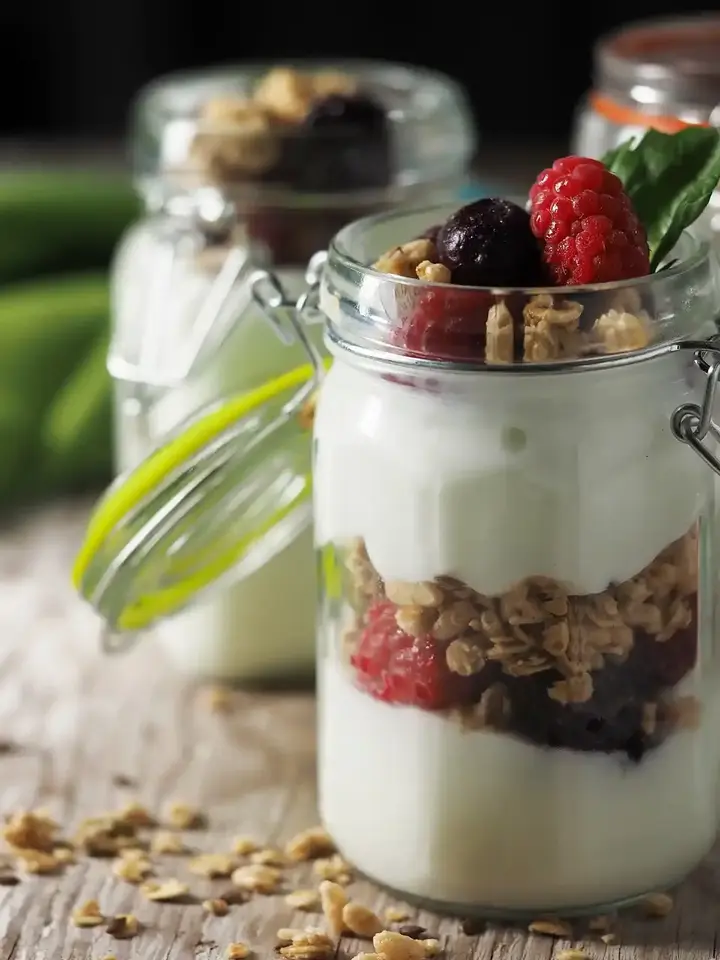
Imagine a calm, refreshing morning and start with a simple, nutritious berry yogurt parfait from the distinguished French kitchen. In an elegant glass, creamy Greek yogurt is layered with fresh strawberries, nourishing raspberries, and bright cranberries—you can use any fruits you like. Drizzle with golden honey and sprinkle a few crunchy nuts such as pistachios, peanuts, or almonds, which provide zinc and other essential minerals and vitamins to energize you for the day. Optionally add a few oats to increase fullness. This irresistible mix of natural flavors is brimming with health benefits and gives you the easy energy and nutrition needed to tackle the day's challenges.
ADVERTISEMENT
Banana Oatmeal Pancakes
Photo from Pixabay
Amid the aroma of ripe bananas and the wholesomeness of oats, banana oatmeal pancakes offer warmth and comfort. Ground oats mix smoothly with mashed bananas—you can substitute boiled apples or any mashed fruit if you prefer—to form a smooth batter. Pour the batter onto a hot pan or into a waffle maker for a different shape, and cook until the pancakes turn a delicious golden brown. Serve with fresh fruit slices or toasted hazelnuts to complete the flavor and nutrition. This easy, healthy, and tasty breakfast brings together simplicity and delight for a perfect start to an active day.
Vanilla Chia Pudding with Fruits
Photo from Pixabay
Another fresh and inventive idea in the breakfast world is vanilla chia pudding with fruits. This easy, healthy meal combines simple preparation with rich nutrition and delightful taste. Mix chia seeds with almond milk, a hint of fragrant vanilla, and pieces of fresh fruit. Optionally add a few of your favorite nuts or a sprinkle of coconut or cinnamon. If you want more calories, enhance it with a little caramel sauce. Refrigerate the mixture overnight so it becomes a pudding rich in flavor and health benefits. The next morning you will have a delicious breakfast ready to enjoy, filled with natural, refreshing flavors without wasting time.
ADVERTISEMENT
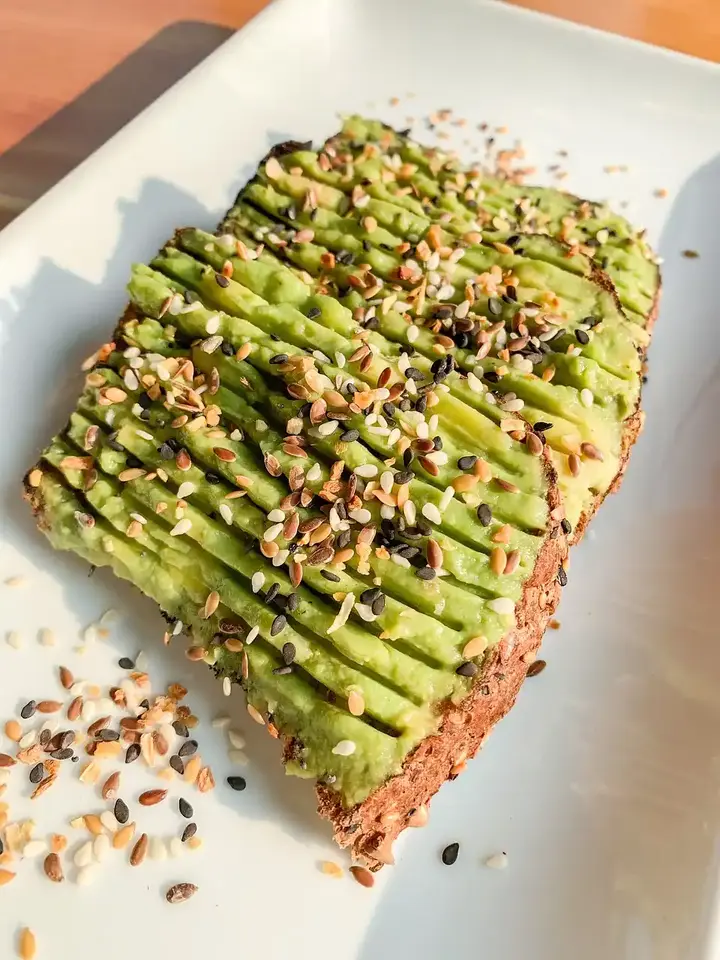
Avocado Toast with Honey and Cinnamon
Photo from Pixabay
Imagine a slice of golden toasted bread topped with a thick layer of smooth avocado, dotted with golden honey and a dusting of fine cinnamon. This is avocado toast with honey, cinnamon, and nuts—a simple yet luxurious breakfast. The rich avocado flavor balances with the natural sweetness of honey, warm undertones of cinnamon, and the crunch of nuts. These harmonious flavors offer a satisfying, healthful breakfast without the guilt of high calories, leaving you feeling full and energized throughout the day.