Scenic Roads Aren't Easy Roads for Motorcyclists
The prettiest stretch of mountain road is often the least forgiving, and sunset light is one of the big reasons riders read it wrong. Guardrails, warm light, long views, and a road that looks calm can hide a stack of changes happening at once. You can learn to spot those changes before they bite.
عرض النقاط الرئيسية
- Guardrails often signal higher consequences like steep drops, rock faces, and limited runoff, not extra safety.
- Low-angle sunset light reduces contrast and can hide gravel, patches, tar snakes, ripples, and edge damage.
- Mountain bends may tighten mid-corner, so conservative entry speed gives riders more time and options to adjust.
- ADVERTISEMENT
- Cooler air in shaded hollows or under trees can warn of dampness and lower grip before it becomes visually obvious.
- Haze, mist, and darker pavement patches often indicate moisture, surface repairs, or texture changes that affect traction.
- Many crashes come from ordinary mistakes like trusting the next corner, turning in late, or assuming dry-looking tarmac has grip.
- Riders regain margin by delaying commitment, smoothing inputs, and treating every bend as a fresh surface until proven otherwise.
Quick self-check: would you enter the next shaded bend at the same speed you used in the last bright one? If the honest answer is yes, this is where mountain roads start teaching expensive lessons.
Why the road that feels open can punish you fastest
Start with the guardrail. Riders often read it as reassurance, like the road is developed and therefore predictable. Read it the other way too. A guardrail often means consequence: steep drop, rock face, little runoff, and fewer options if you run wide.
قراءة مقترحة
Then the light starts lying for the road. Golden-hour sun looks clean, but low-angle light flattens surface detail and lowers contrast. That means patches, tar snakes, gravel, ripples, and edge breaks can stop standing out when you most need to see them.
That is not just rider folklore. The Motorcycle Safety Foundation teaches riders to manage corner entry by delaying commitment until they can see the curve better, because speed and line choices made too early are hard to fix once vision tightens. On mountain roads near sunset, that advice matters even more because the light makes the road look simpler than it is.
Here is the common little drama. A rider exits one easy, sunlit bend feeling smooth, rolls into the next one with the same pace, and only then sees three things arrive together: the pavement darkens, the corner closes more than expected, and the surface gets patchy near the apex. Nothing wild. Nothing showy. Just a normal mistake made half a second too early.
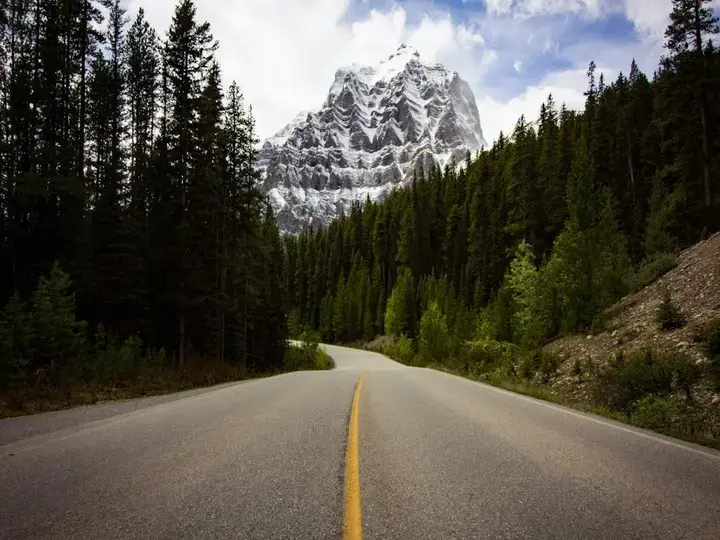
Corner shape is the next trapdoor. Mountain roads do not always hold a steady radius, meaning the bend does not keep the same tightness all the way through. A curve that looks generous on entry can tighten halfway in, which asks for more lean and more grip right where fading light is giving you less information.
That is one reason advanced roadcraft training keeps hammering the same point: entry speed buys options. IAM RoadSmart in the UK and police-style roadcraft systems teach riders to keep a margin on approach so they can still adjust when the bend reveals more of itself. On a scenic mountain road, that margin is not timid riding. It is what lets you keep riding well.
And yes, this is why those roads feel so good when they are flowing. You get space, distance, a rhythm in the bends, and the sense that the ride has finally settled down.
Would you trust the next bend just because the last one was easy?
Pay attention to the air on your neck and through your jacket vents. In shaded bends and low hollows, it often turns cooler before you fully see any mist or dampness. That temperature drop is the road warning you thermally before it warns you visually, and it often means moisture, condensation, or a surface that will not grip like the last sunlit section.
That is your cue to ask less of the tires. Reduce lean-angle demand. Make your throttle and brake inputs smoother. Widen your margin from the centerline and from the edge, and stop assuming the pavement under you matches the piece you just left behind.
The quiet hazard chain most riders miss at sunset
Haze matters even when it looks harmless. In mountain country, low haze and mist often collect in cooler pockets, especially near tree cover, cuttings, and dips. If you can see that softness settling in the low spots, think moisture first, not just scenery.
Pavement change is usually the last part riders notice, but it may be the one that decides the outcome. Darker patches can mean repairs with different texture. Smooth-sealed areas can hold less grip than rougher old asphalt. Bits of leaf matter, dust, or seepage can sit in shade long after the sunny sections have dried.
Short version: guardrail says consequences are higher, low sun hides detail, bend radius may tighten, haze points toward damp air, and cooler shaded pavement can cut grip. None of those alone has to be a problem. The trouble is when they stack.
This is where riders get caught by ordinary errors, not hero stuff. A late turn-in. Looking at the guardrail instead of through the bend. Trusting dry-looking tarmac because it looked dry fifty yards back. Treating one corner like a copy of the last one.
The opposing view is easy to hear at any fuel stop: scenic roads are only dangerous when riders are reckless. I do not buy that. Recklessness makes things worse, sure, but mountain roads at sunset also punish perfectly normal assumptions. The rider does not have to be showing off. They just have to be a little early on the throttle, a little optimistic on entry, or a little too trusting of what the light suggests.
There is also an honest limit here. These clues reduce risk, but they do not replace local knowledge, tire condition, suspension setup, road-surface reading, or plain rider skill. A road can still surprise you, and some mountain roads have drainage, livestock, rockfall, or traffic patterns you will not read from general rules alone.
Three adjustments that give you your margin back
1. Slow the decision, not just the bike. Set entry speed a touch earlier than feels necessary and hold off on committing to the corner until your view opens. That gives you room if the radius tightens or the surface goes dark and shiny near the apex.
2. Read temperature as a traction clue. If the air suddenly cools in a hollow or under trees, act as if grip may drop before your eyes confirm it. Keep inputs clean, stay off abrupt braking while leaned, and pick a line that leaves you a little extra track width.
3. Treat every bend as its own road. Do not let one good corner sell you the next one. Recheck the guardrail, the shade line, the surface color, and how quickly the vanishing point moves; if the far edge of the road seems to come toward you faster, the bend is likely tightening.
That last cue lines up with what rider coaches teach about visual control: the road tells you what changes next if you keep looking far enough ahead and stay loose enough to respond. Sunset makes that harder, not impossible. You just have to stop reading beauty as proof of safety.
Real freedom on a mountain road is not riding like every corner owes you grip. It is seeing the place clearly enough to enjoy it without getting trapped by it. On your next ride, treat every sunset mountain bend as a fresh surface until proven otherwise, and you will give yourself the kind of margin that keeps good rides good.
That is not fear talking. It is just one rider telling another how to make it home with the best part of the road still in your head.