Why Cars Usually Sip Less Fuel on the Highway Than in Stop-and-Go Traffic

It sounds backward, but a car can use less fuel on a faster highway drive than on a slower city drive because it gets to carry its motion smoothly, not because engines somehow like speed. The U.S. Department of Energy’s FuelEconomy.gov says fuel economy is often lower in stop-and-go traffic and that aggressive acceleration and idling both waste gas more than many drivers realize.
عرض النقاط الرئيسية
- Cars often use less fuel on highways because they maintain momentum instead of constantly rebuilding it after stops.
- City driving lowers fuel economy through repeated acceleration, braking, and idling at lights or in traffic.
- The main fuel-saving difference is usually steady versus interrupted motion, not simply slow versus fast driving.
- ADVERTISEMENT
- Short errand trips can be especially inefficient because the engine spends more time warming up and idling.
- EPA city and highway ratings reflect the fact that the same car usually performs better in steady highway conditions.
- Higher speed is not always more efficient because fuel economy typically drops quickly above about 50 mph due to air resistance.
- Drivers can improve fuel efficiency by keeping a smooth pace, leaving space, avoiding unnecessary braking, and reducing idle time.
That does not mean faster is always better. Past a certain point, higher speed pushes harder against the air, and fuel use climbs again. But in the everyday comparison most drivers are making, open road versus town, the big difference is usually not the number on the speedometer. It is what happens to your momentum.
قراءة مقترحة
The part people miss: moving once is cheaper than starting over
Picture the end of a smooth drive, parked and quiet, with the soft ticking of a warm engine cooling after shutdown. That little sound is a good place to pause, because it reminds you the engine just spent energy moving a few thousand pounds of car and people down the road.
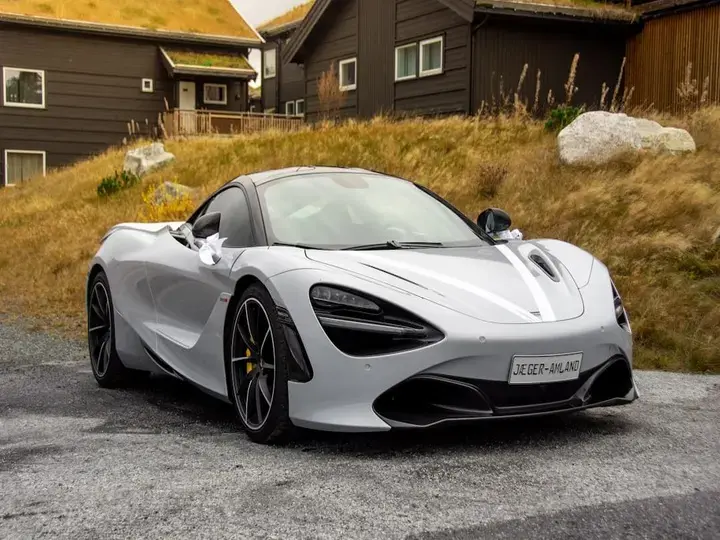
If the car gets up to speed once and then keeps rolling steadily, the engine mostly has to maintain that motion. If the car has to get all that weight moving again and again, it keeps paying the expensive part over and over. That is why steady momentum comes first in this explanation.
A simple way to say it to someone else is this: on the highway, the car gets to keep the speed it already bought. In town, it keeps losing that speed to brakes, turns, traffic, and lights, then buying it back with more fuel.
Why town driving empties the tank faster than it feels like it should
Now think about a short city run. You pull away from a stop sign, accelerate, brake for traffic, wait at a light, move half a block, and do it again. Stop, idle, creep, brake, launch again.
That pattern is hard on fuel economy for two plain reasons. First, every launch from a stop takes a noticeable burst of fuel compared with just maintaining speed. Second, when the car is idling at a light, the engine is still burning fuel while the car covers zero miles.
Then the first red light interrupts everything.
That is the midpoint where the idea usually clicks. The real comparison is not slow versus fast. It is steady versus interrupted. City driving often burns more fuel because it repeatedly throws away momentum and asks the engine to rebuild it.
This is also why short errand runs can feel surprisingly expensive at the pump. The engine may spend most of that trip warming up, idling, and doing repeated restarts of the car’s motion instead of settling into an efficient groove.
The gauge is not lying; your driving pattern changed
There is a real-world version of this many drivers notice without naming it. One week might be school drop-offs, a grocery stop, two traffic lights, a pharmacy run, and a cold start every time. Another day might be one uninterrupted 20- or 30-minute drive on open roads. Even if the second drive happens at a higher speed, the fuel gauge often seems to fall more slowly.
The Environmental Protection Agency’s city and highway mileage ratings exist for this exact reason: the same car often gets a better highway number than city number. The highway test is not magic. It reflects the fact that steady driving with fewer stops usually uses less fuel than repeated acceleration and idling.
If you want to test this in your own life, compare a week of short errands with one cleaner, uninterrupted drive. Notice when the gauge seems to move fastest. For most people, it is not during the calm stretch where the car is just rolling along.
But wait—doesn’t faster always burn more gas?
Up to a point, yes, more speed can mean more fuel. The missing part is that there are two effects happening at once. Moderate steady speed can save fuel by preserving momentum and cutting stops, while very high speed starts to cost more because air resistance rises sharply.
The Department of Energy puts it plainly: gas mileage usually decreases rapidly above 50 miles per hour in many vehicles. So the useful everyday rule is not “drive faster.” It is “don’t confuse lower speed with better efficiency if that lower speed comes with braking, waiting, and starting over.”
That caveat matters because it keeps the idea honest. A smooth 55-to-65 mph trip can beat city traffic for fuel use, but blasting far past that can give the savings right back to the wind.
What to remember next time the fuel needle drops in town
The open road often feels easier on fuel for the same reason a skipping stone goes farther when it keeps gliding: carrying motion is cheaper than rebuilding it. Your engine would usually rather keep a car moving than keep starting the whole job over at every block.
So on your next drive, think a little less about “slow” and a little more about “smooth.” When traffic allows, keeping distance, avoiding unnecessary braking, and reducing long idle time matter more than obsessing over a slightly higher steady speed.
Once you see that pattern, the fuel gauge feels a lot less mysterious, and the car starts to make more everyday sense.