The Design Logic Behind an Alpine Village
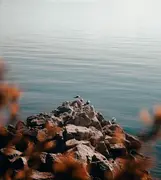
What looks like beauty first is often function first: an Alpine village usually sits where trouble is least, because cold air sinks, water spreads, slopes move, and people still need to reach animals, fields, and roads on foot, and only then does the scene read as beautiful.
عرض النقاط الرئيسية
- Alpine villages were usually built where cold air, damp, floods, and unstable slopes posed the least risk.
- Many settlements sit on slight terraces above lakes or rivers to stay dry while remaining close to water and farmland.
- The best valley-floor soil was often preserved for farming, so homes were placed at the margins instead.
- ADVERTISEMENT
- Sun exposure mattered greatly, with warmer and drier south-facing slopes preferred over dramatic lakeside positions.
- Village layouts also reflected daily working needs such as access to barns, animals, hay storage, and passable winter paths.
- Older settlement cores often reveal long-standing practical responses to avalanche paths, rockfall zones, and poor ground.
- The beauty of Alpine villages comes from repeated useful decisions that later appear harmonious and picturesque.
My nephew from Zürich likes to say the houses here look as if someone placed them gently by hand. I tell him no, they were placed by weather, boots, hay, and a healthy fear of wet cellars. The hand came later, to make shutters fit and roofs hold snow.
Why the prettiest villages rarely sit in the obvious spot
Start with the plain logic you can see if you stop admiring for one minute. In Alpine valleys, people have long tried to stay near water without living in its path, near flat ground without wasting the best soil, and near slopes without sitting under what may slide off them. That is why many villages gather on a slight terrace, a little above the lake or river, not down on the damp edge and not halfway up where every sack of grain becomes a punishment.
قراءة مقترحة
If you want to test this yourself, do what I used to do from the train cab when we slowed into a valley station: first find the flattest safe bench, then the wettest ground, then the slope that catches the best sun. Very often the houses will be near the first, away from the second, and angled toward the third. It is not magic. It is repeated good sense.
The lakeside tempts the eye, but the very edge can be poor ground for living. Damp rises. Floods spread wider than they seem in summer. Morning fog often lingers low over water, and cold air pools there too. A house set just a bit higher is drier, warmer, and healthier before breakfast even begins.
Then there is the matter of farming. The easiest, deepest soils on the valley floor are often the soils you do not want to bury under houses if your family eats from them. So the settlement shifts to the margin: close enough to work the meadow, far enough to preserve it. What looks tidy from a distance is often just thrift made visible.
Would you have put the village closer to the water?
Most visitors would, for the view alone. But a working village had other sums to do: damp ground, flood exposure, fog, access to higher pasture, and the need to protect arable land. On a settled chessboard, the lake edge is not always the strongest square.
Once you see that, the rest of the board begins to explain itself. Barns and houses were often kept within a practical walking distance because winter does not forgive unnecessary errands. Paths had to remain passable. Animals had to be reached early and often. A beautiful spacing between buildings can simply mean room to turn a cart, stack hay, and reduce fire risk.
Dry ground. Winter sun. Distance to animals. Slope stability. Path access. Flood margin. One by one, the bad options are removed. What remains starts to look uncannily composed, though nobody needed a painter's eye to get there.
The moment the valley stops being scenery and starts making sense
Here, my nephew and I stop walking. Across the water comes the softened clink of cowbells in cool morning air, not loud, just steady enough to mark where the animals are feeding. Listen first, I tell him, then look back: houses on the safer bench, meadow below, road where the grade is tolerable, forest holding the steeper ground.
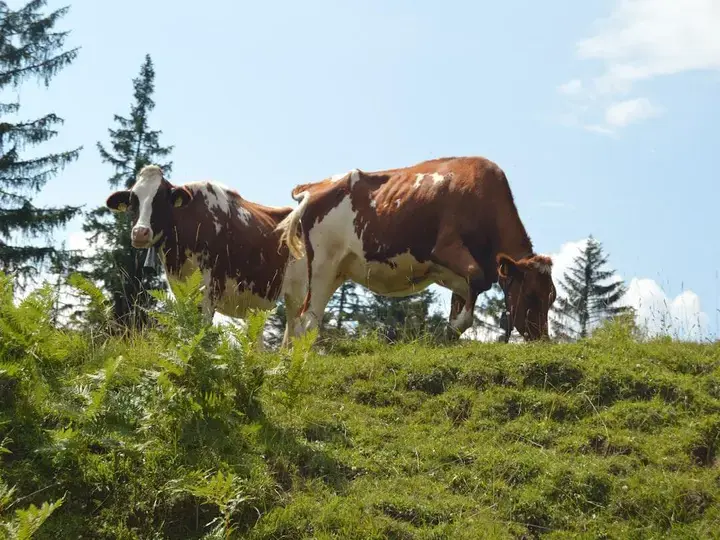
Even the sounds belong to a working place. Those bells are not decoration any more than the barns are. They are part of the same arrangement of distance, effort, and watchfulness that put the village where it stands.
Sun matters as much as water. In many Alpine valleys, a south-facing or sun-catching slope is worth more in daily comfort than a dramatic address by the shore. Winter light can be brief behind high ridges. A small gain in exposure means drier walls, less ice, and a little less misery in the dark months. People remember such things longer than they remember a postcard view.
Risk also has shape. Avalanche paths, rockfall lines, and unstable ground often leave clues plain enough for the patient eye: open tracks through trees, a fan of debris, a conspicuously empty strip below a steep chute. Villages tend to stand just aside from these lines when they can. Not always perfectly, not always permanently, but with more caution than romance.
Not every Alpine village follows the same rulebook; local geology, ownership history, and later roads can bend the pattern. Railways, modern embankments, tourism, and second-home building have changed many places. Still, the older core of a settlement often keeps the original logic like a memory in stone and timber.
So was it taste after all, or just repeated necessity?
You can object, fairly enough, that villages also reflect taste. Of course they do. Roof pitches, facades, balconies, church towers, painted shutters: these are choices, and they matter. But the deeper harmony usually comes earlier, from generations answering the same weather with the same practical moves.
That is why the place can feel coherent even when no one sat down to design the whole thing. If families repeatedly choose a dry terrace over a boggy edge, a sunny side over a shadowed pocket, and a reachable barn over a heroic climb, a pattern forms. The eye later reads that pattern as grace. Function first, grace after.
A retired conductor notices this because trains teach you to respect gradients, drainage, and the price of putting anything in the wrong place. Valleys are like timetables written in grass and stone: miss one constraint and the whole day goes crooked. Villages learned that long before engineers drew neat maps.
What to notice next time, before you call it picturesque
There is something comforting in this, I think. The harmony is real, but it is earned, not sprinkled on. People made ordinary decisions, year after year, and the valley kept the ones that worked.
So next time you see an Alpine village, look first for where people chose not to build: the wet edge, the slide path, the cold hollow, the steep waste of effort. The beauty sharpens when you read the refusals as carefully as the houses.
And once you understand why each piece stands on its square, the village does not become less lovely at all; it becomes lovelier in the honest way, like something that has learned exactly where to stand.