The Top Ten Bravest Animals in the Animal Kingdom: An Extensive Study

The natural world operates on a survival principle, with most creatures prioritizing caution and escape over confrontation. However, some exceptional animals defy this principle by displaying unparalleled bravery, aggression, and resilience even against the fiercest threats. Research into these brave species offers insightful views on evolutionary adaptations, survival strategies, and environmental significance. This study presents a comprehensive exploration of the animal kingdom's classification, its global distribution, and climate impacts, providing a glimpse into the ten bravest animals - enriching the topic with scientific statistics, economic data, future projections, and bibliographic references to ensure a reliable academic perspective.
Recommend
Show key points
- Some animals exhibit instinctively brave and aggressive behaviors, breaking the natural caution principle by attacking larger opponents or confronting severe dangers.
- The animal kingdom covers an immense diversity approximated at 8.7 million eukaryotic species, organized in a precise hierarchical classification from kingdom to species.
- Climate and terrain significantly affect animal distribution, with the largest proportions concentrated in tropical areas and oceans.
- ADVERTISEMENT
- Climate changes, such as global warming and environmental disturbances, have reduced the habitats of many species, threatening their long-term survival.
- Ten of the bravest animals in the world have been highlighted, like the honey badger and the wolverine, based on their combative behavior and unique physical adaptations.
- Certain species, like the bald eagle and Komodo dragon, have proven economically and environmentally significant through ecotourism and symbolic and cultural contributions.
- The study confirmed that the survival of these brave animals hinges on a mix of legal protection, awareness efforts, and ongoing economic and community support.
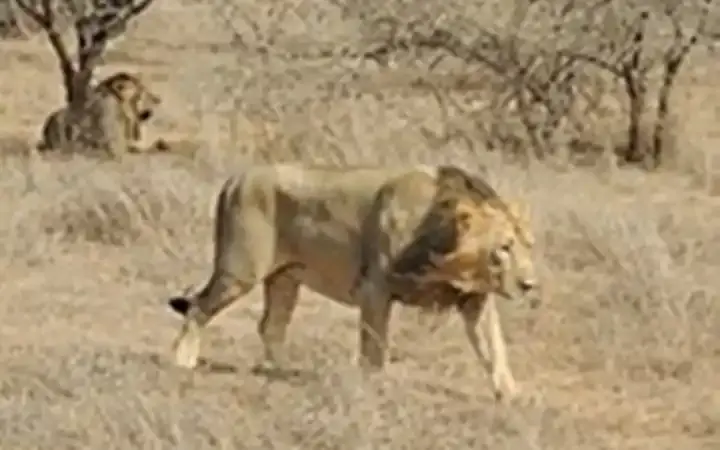
Lion at Gir National Park, India
1. Animal Kingdom: A Global Overview.
The animal kingdom comprises an enormous diversity of living organisms, from the smallest microscopic creatures to the largest terrestrial and marine mammals. According to current biological surveys, the number of eukaryotic species on earth is estimated at about 8.7 million, with approximately 7.77 million animal species.
Animals are characterized by the following:
• Multicellularity: Specialized cellular structures.
• Heterotrophy: Relying on external organic materials for energy.
• Movement: Mobility at some life stage.
• Sexual Reproduction: Although asexual reproduction also exists in some phyla.
Animal Kingdom Classification
Animal classification is hierarchically organized as follows:
• Animalia Kingdom
• Phylum (e.g., Arthropods, Chordates)
• Class (e.g., Mammals, Reptiles)
• Order
• Family
• Genus
• Species
The top five phyla by number of species:
• Arthropods (insects, spiders, crustaceans): about 1.2 million species,
• Mollusks (snails, octopuses): about 85,000 species,
• Chordates (vertebrates): about 65,000 species,
• Annelids (segmented worms): about 17,000 species,
• Cnidarians (jellyfish, coral): about 10,000 species.
Evolutionary studies indicate animals emerged over 600 million years ago during the Ediacaran period.
2. Global Distribution of the Animal Kingdom.
Animals are distributed based on latitude, altitude, humidity, temperature, and vegetation coverage.
• Tropical Regions: Represent approximately 70% of terrestrial animal species, thanks to their high primary productivity.
• Marine Ecosystems: Cover 71% of the earth's surface and house 33% of known species.
• Freshwater Habitats: Although only 2.3% of the earth's surface, they are home to 10% of known animal species.
Top 5 Biodiversity Hotspots (by number of species):
A. Amazon Rainforest (South America),
B. Congo River Basin (Africa),
C. Southeast Asian Rainforests,
D. Great Barrier Reef (Australia),
E. Madagascar and Indian Ocean Islands.
Biodiversity-Rich Countries:
• Brazil: One in five global species.
• Indonesia: Over 17% of the world's coral reef fish.
• Colombia: Highest diversity of bird species.
The global economic value of ecosystem services provided by animals (pollination, pest control, etc.): about 150 trillion dollars annually.
3. Climate Effects on the Global Distribution of the Animal Kingdom.
Climate change is reshaping the biodiversity map at an alarming rate:
• Poleward Shifts: On average, species move 16.9 kilometers north every decade.
• Migration through Altitudes: Species move 11 meters upward every decade seeking cooler environments.
Major Climatic Disturbances:
• Coral bleaching events have now doubled in frequency compared to levels seen in the 1980s.
• Tropical amphibians are vanishing at a rate ten times faster than birds or mammals.
• Arctic mammals, like the polar bear, have lost 40% of their primary habitats over the past thirty years.
Projected Economic Losses:
• The collapse of marine ecosystems could cost 428 billion dollars annually.
4. The Top 10 Bravest Animals in the World.
Courage Criteria:
• Willingness to attack larger opponents,
• High-risk predation behaviors,
• Territorial aggression,
• Physical adaptations (such as claws and venom).
An Expanded List by Danger Levels (1-10):
Rank: Animal, Danger Level, Outstanding Features of Bravery
1. Honey Badger 10 Fights lions, invades beehives
2. Wolverine 9.5 Steals from bears
3. Cape Buffalo 9.3 "Black Death" in Africa
4. Komodo Dragon 9.2 Hunts deer and water buffalo
5. African Elephant 9.0 Tramples predators
6. Polar Bear 8.9 Top Arctic predator
7. Tasmanian Devil 8.5 Fights larger carnivores
8. Mantis Shrimp 8.2 Punches as fast as a bullet
9. Bald Eagle 8.0 Aggressive hunter and scavenger
10. King Cobra 8.0 Hunts and kills other snakes
5. Global Distribution of the Top 10 Bravest Animals.
Here is a continental map of their primary habitats:
• Africa: Honey Badger, Cape Buffalo, African Elephant,
• Asia: King Cobra, Komodo Dragon,
• North America: Wolverine, Bald Eagle,
• Australia: Tasmanian Devil,
• Arctic: Polar Bear,
• Tropical Marine Areas: Mantis Shrimp.
Distribution Notes:
• Honey Badger: From South Africa to Iran and India.
• Wolverine: Taiga and tundra across Eurasia and North America.
• King Cobra: From the Indian subcontinent to Indonesia.
• Polar Bear: Canada, Alaska, Greenland, Russia, Norway.
Expected Retreat:
• Polar bear habitats might decline by more than 68% by 2100.
6. Description of Each Bravest Animal.
1. Honey Badger.
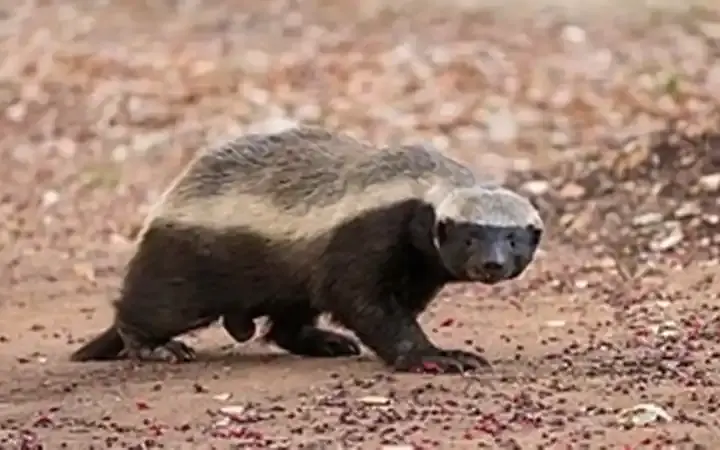
Honey Badger at Satara camp, Kruger National Park, South Africa
• Unique Feature: Its flexible, tough skin makes it difficult to injure.
• Behavior: Relentless; attacks beehives and cobras.
• Economic Impact: Beekeepers in South Africa lose an estimated 1.7 million dollars annually.
2. Wolverine.
• Adaptations: Dense fur, strong jaws, immense strength compared to size.
• Distribution Threat: Numbers have decreased by 30% over the last fifty years due to warming habitats.
3. Cape Buffalo.
• Social Structure: Herds can reach up to 1000 individuals.
• Human Conflict: Responsible for over 200 deaths a year, considered more dangerous than lions.
4. Komodo Dragon.
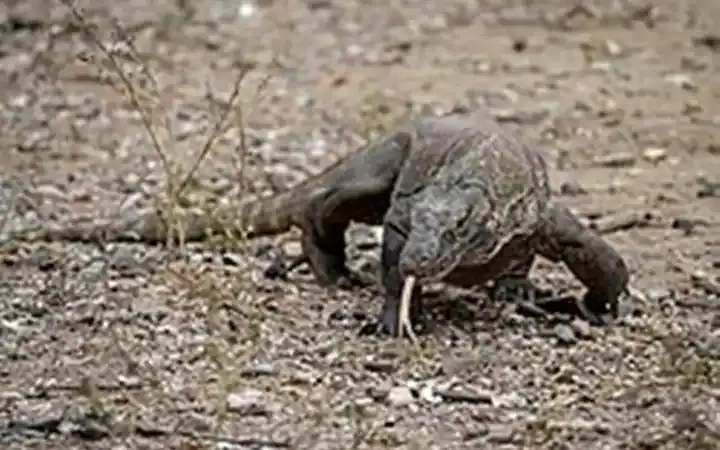
Komodo Dragon at Komodo National Park, Indonesia
• Physiology: Saliva contains anticoagulants and venomous proteins.
• Conservation Efforts: Komodo National Park generated 16 million USD in 2022 from ecotourism.
5. African Elephant.
• Behavior: Matriarch-led herds, coordinated defense.
• Ivory Poaching Crisis: More than 30,000 elephants are killed annually for the ivory trade.
6. Polar Bear.
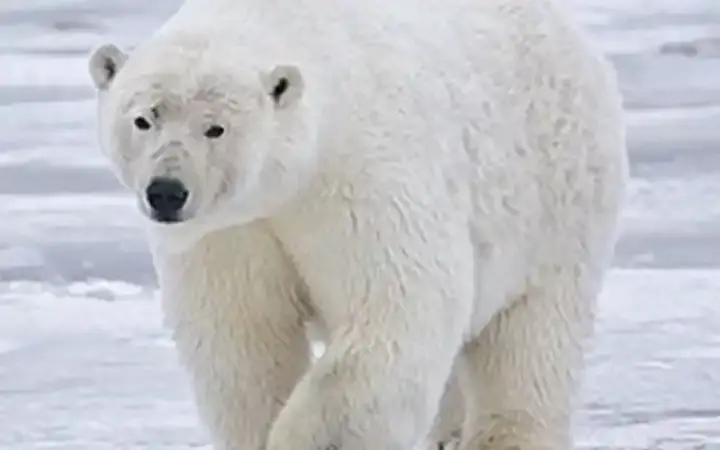
Female Polar Bear near Kaktovik, Barter Island, Alaska, USA
• Adaptation: 10 cm thick blubber for insulation.
• Hunting Strategy: Stalks seals across vast ice fields.
7. Tasmanian Devil.
• Vocals: Shocking screams.
• Disease Impact: Devil facial tumor disease has reduced wild numbers by approximately 85%.
8. Mantis Shrimp.
• Weapon: Its "smashing" claw accelerates faster than a .22 caliber bullet.
• Biomimicry: Designs inspired by its ultra-strong armor materials.
9. Bald Eagle.
• Symbolism: National emblem of the United States.
• Reintroduction Programs: 3 million dollars spent on reintroduction in 48 states.
10. King Cobra.
• Neurotoxicity: Its venom can kill an adult human in 30 minutes.
• Cultural Impact: Revered in mythology and traditional Indian medicine.
7. Future of the Top Ten Bravest Animals.
Species Threat Level Future Outlook
Honey Badger Low Stable but persecuted
Wolverine High Declining
Cape Buffalo Moderate Stable
Komodo Dragon High Declining
African Elephant Very high Threatened by poaching
Polar Bear Very high Endangered
Tasmanian Devil High Endangered
Mantis Shrimp Low Stable
Bald Eagle Low Conservation success
King Cobra Moderate Habitat loss threats
Key Notes:
• Climate change is the primary threat for cold-adapted species.
• Poaching and human-wildlife conflict threaten elephants and king cobras.
• Conservation efforts (such as captive breeding and protected areas) are crucial for Komodo dragons and Tasmanian devils.
• Economic incentives, like ecotourism, are increasingly used to fund conservation programs.
Conclusion.
Brave animals embody the pinnacle of nature's ingenuity and resilience. They are not just biological marvels but also major contributors to their ecosystems, cultural identities, and even economies. However, bravery alone is not enough to protect them from modern threats. Safeguarding their future demands scientific research, relentless efforts, and public awareness for their preservation. True courage lies not just in these creatures, but in humanity's collective resolve to ensure their survival against the odds.