The World's Disappearing Sandy Beaches
Sandy beaches, often celebrated as picturesque gateways to the sea, play a crucial role in the world's natural and economic systems. These environments stretch across nearly 31% of the world’s ice-free coastlines, offering habitats for countless species, protecting inland areas from storms, and acting as economic and recreational hotspots. Yet, in recent years, the world has faced an alarming trend: the rapid disappearance of these essential ecosystems. Climate change, human activity, and unsustainable development are combinedly eroding sandy beaches and degrading them, threatening not just their beauty but also the environmental, economic, and social benefits they provide.
عرض النقاط الرئيسية
- Sandy beaches cover approximately 31% of the world's ice-free coastlines and span about 500,000 square kilometers.
- Beaches play a crucial environmental, economic, and social role by providing natural habitats, protecting coastlines, and serving as major tourist attractions.
- Sandy beaches face significant threats such as coastal erosion, rising sea levels, pollution, and unsustainable urban expansion.
- ADVERTISEMENT
- Studies suggest that up to 50% of the world's sandy beaches could disappear by 2100 if current trends continue.
- Beaches are vital resources for tourism, fishing, scientific research, and natural defense against marine disasters.
- Protecting sandy beaches requires collective efforts through smart coastal management, protected areas, and local community involvement.
- There is still hope for preservation through scientific innovation, global environmental cooperation, and the application of sustainable development practices.
1. The Extent and Area of the World's Sandy Beaches.
قراءة مقترحة
Sandy beaches extend over more than 370,000 kilometers of the world's coastline and cover an estimated 500,000 square kilometers of surface area. This region forms a small yet significant part of the Earth's surface and plays a large role in biodiversity and human economies.
However, research indicates an alarming rate of beach retreat. According to a 2020 study published in Nature Climate Change, up to 50% of the world's sandy beaches may disappear by 2100 due to rising sea levels and climate-induced erosion. This equates to a loss of over 250,000 square kilometers in less than a century. Current estimates suggest an annual retreat rate for sandy beaches ranging from one to two meters annually in some areas, with hotspots like Southeast Asia, West Africa, and parts of North America experiencing losses of up to five meters annually.
2. Importance of Sandy Beaches.
Sandy beaches are crucial to the health of coastal ecosystems and human well-being:
A. Environmental Importance:
They provide habitats for diverse species, including crabs, seabirds, and marine turtles.
Act as natural barriers against storms and coastal flooding.
Function as zones for sediment exchange and regulate coastal dynamics.
B. Economic and Social Value:
Sandy beaches are cornerstones of global tourism, generating billions of dollars in revenue annually.
They support fisheries and local economies reliant on coastal resources.
Offer cultural and recreational value, promoting physical and mental health.
3. Uses and Benefits of Sandy Beaches.
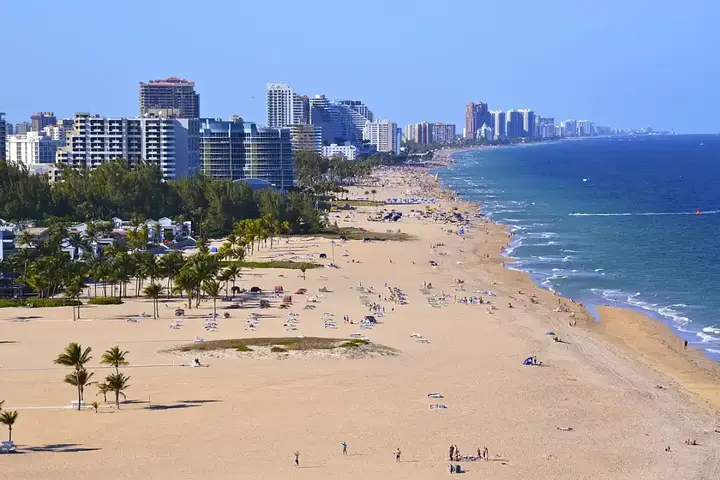
Sandy beaches serve multiple functions:
Tourism and Recreation: Beaches are premier tourist destinations, contributing to local economies through hospitality, food services, and transport industries.
Fishing and Aquaculture: Many communities rely on beaches for traditional fishing practices and aquaculture.
Natural Defense Systems: Beaches protect coastal areas from high-energy waves, mitigating the impact of hurricanes and tsunamis.
Scientific Research: Beaches are important for studying marine biodiversity, sedimentology, and climate impacts.
4. Challenges and Difficulties Facing Sandy Beaches.
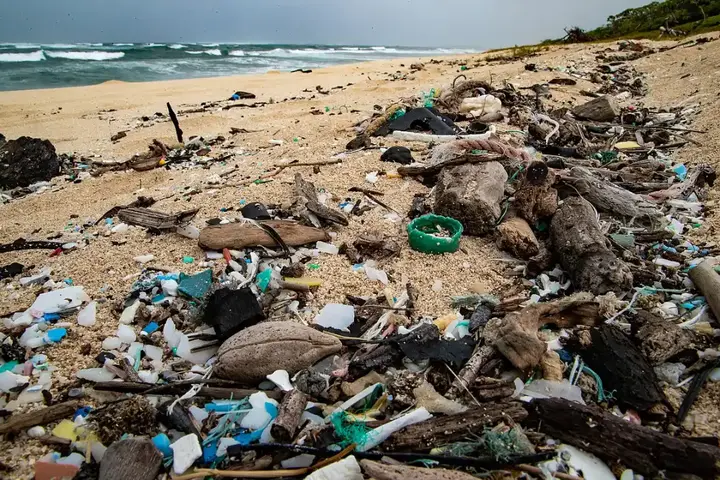
Sandy beaches are threatened by various sources:
A. Erosion: Coastal erosion from sea-level rise and human activities like sand extraction is a major cause of beach loss.
B. Climate Change: Warmer oceans cause sea-level rise, stronger storms, and changing wave patterns, exacerbating erosion and flooding.
C. Urban Development: Construction of resorts, ports, and urban infrastructure often encroaches on natural beach systems.
D. Pollution: Plastic waste, oil spills, and untreated sewage significantly degrade beach ecosystems.
E. Over-Tourism: Unregulated tourism can harm sand dunes, plants, and local wildlife.
5. Protecting and Preserving Sandy Beaches.
Efforts to protect sandy beaches should include:
Sustainable Coastal Management: Implementing policies to control development, manage sand resources, and restore sand dunes.
Restoration Projects: Rejuvenating eroded beaches with sand and planting native vegetation to stabilize dunes.
Marine Protected Areas: Establishing protected marine areas to limit harmful activities near beaches.
Community Engagement: Encouraging local communities to participate in beach clean-ups and sustainable tourism practices.
Climate Mitigation: Global efforts to reduce greenhouse gas emissions to curb sea-level rise and extreme weather events.
6. Rate of Sandy Beach Loss.
Scientific studies predict that nearly half of the world's sandy beaches could vanish by the end of the century. In regions such as Southeast Asia and West Africa, erosion rates have reached several meters annually. Low-lying coastal areas, like the Maldives and parts of the U.S. Gulf Coast, are particularly at risk.
Recent reports estimate that about 24% of the world's sandy beaches have already experienced significant erosion over the past three decades. Regions such as the Pacific Islands, which heavily depend on sandy beaches for tourism and protection, face a potential loss of up to 80% of their beaches by 2100 if current trends continue.
7. The Future of the World's Sandy Beaches.
Without significant intervention, the future of sandy beaches appears bleak. Rising sea levels, coupled with intensifying storms and unchecked human activities, may lead to the loss of many iconic beaches. However, with a global commitment to sustainable practices and climate action, there is hope to slow or even reverse these trends. Innovative solutions, such as artificial reefs, managed retreats, and advanced erosion control techniques, can also play a role in preserving these natural treasures.
Sandy beaches are more than just picturesque landscapes; they are vital ecosystems supporting life, protecting coasts, and bolstering economies. The world stands at a crossroads, where urgent actions are needed to address the threats facing these irreplaceable environments. By embracing sustainability, fostering global cooperation, and leveraging science and technology, humanity can strive to ensure that sandy beaches continue to adorn our coastlines for generations to come.