Ten Signs Your Cat May Be Nearing the End


Cats are beloved pets for many people, but sometimes we must face the inevitable fact of their passing. Many signs indicate a cat is approaching the end of its life, and it's important to recognize these signs to provide appropriate care and comfort during this critical stage.
عرض النقاط الرئيسية
- Cats tend to isolate and hide in dark places when they sense their end is near, a natural behavior to protect themselves and conserve remaining energy.
- Persistent loss of appetite despite a variety of foods often indicates deteriorating health and may be an early sign of approaching death.
- Rapid or difficult breathing can indicate severe stress or serious health problems that require close monitoring and immediate intervention.
- ADVERTISEMENT
- Sudden lethargy and a noticeable decrease in activity level are strong indicators of declining cat health and approaching end of life.
- Neglect in personal hygiene, and matted or dirty fur, indicates a weakened body and inability to maintain daily routines.
- Frequent vomiting, unlike occasional vomiting, is a troubling sign suggesting digestive issues or significant bodily distress.
- Behavioral changes like sudden irritability or aggression may result from pain and signal the cat is suffering from a critical health condition.
Withdrawal and Isolation
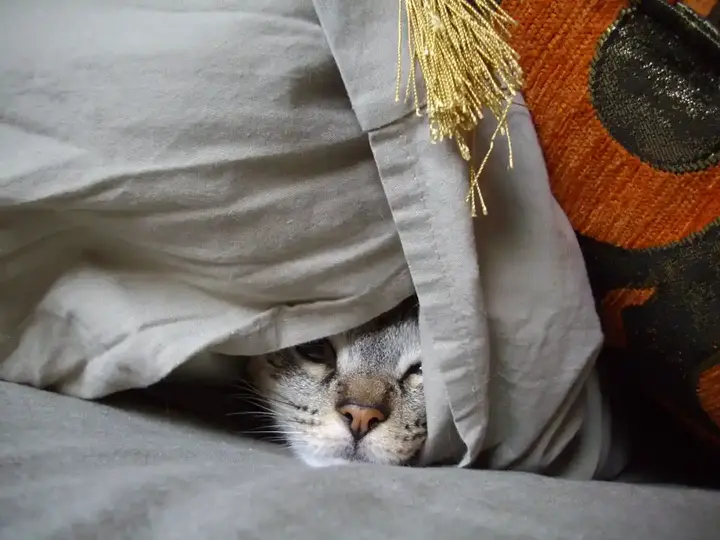
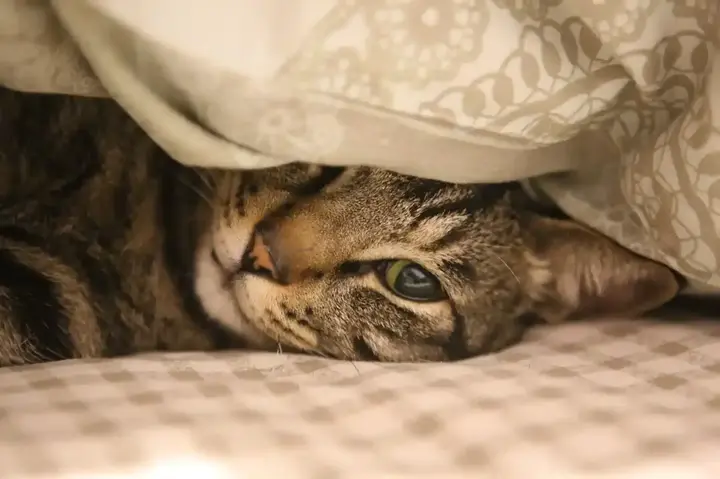
When a cat feels its end is near, it begins to withdraw and isolate itself from family members. This is a very common sign; you may notice it hiding in unfamiliar places like behind furniture or in a dark corner, where it feels safe and comfortable. This desire for isolation is a natural way to conserve its health and energy until death.
Loss of Appetite
قراءة مقترحة
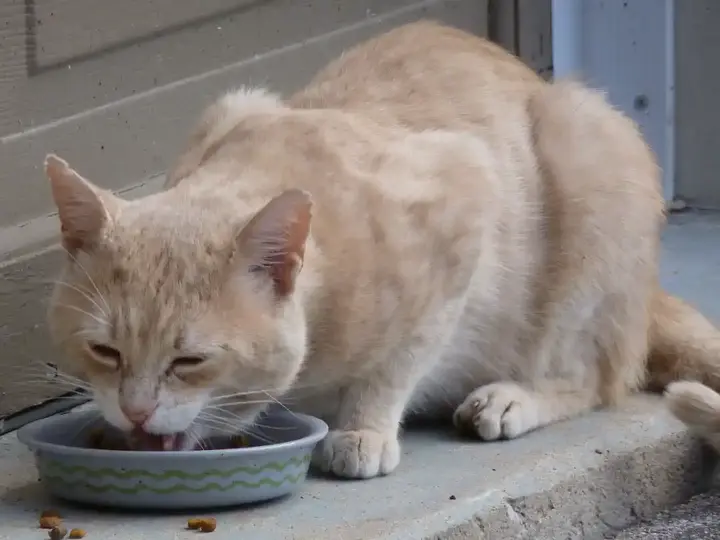
You may notice the cat refuses to eat or drink. Loss of appetite is a common indication of deteriorating health. If you have offered all its favorite foods but it still refuses, this may indicate that the end is near, though it's important not to lose hope as this could also be a sign of a treatable health issue.
Trouble Breathing
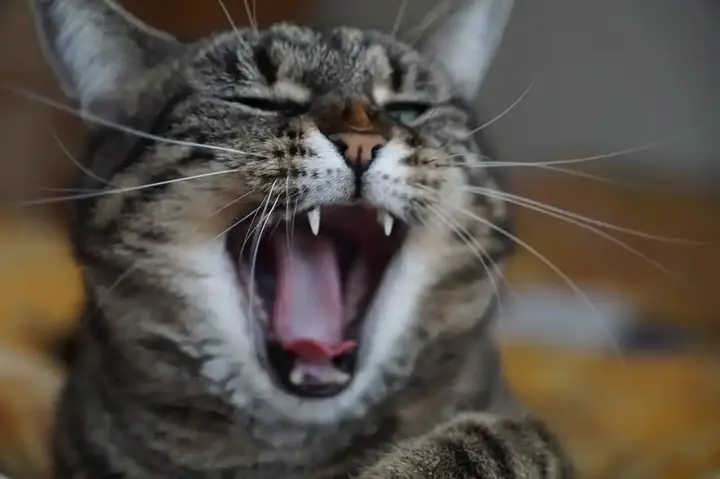
We should monitor unusual breathing, such as panting or rapid breathing, as these could indicate serious health issues. Difficulty breathing may mean the cat is in pain or under significant stress, or it might be close to death; hence, careful monitoring and quick action are essential if any abnormal breathing signs are observed.
Lethargy

When a previously active cat suddenly becomes lethargic, spending most of its time sleeping, its activity level decreases significantly, and it becomes more lazy and sluggish, this can cause concern about its health. Noticing such a significant change might be a sign the cat is conserving its health and energy before death.
Neglecting Personal Hygiene

Cats are known for their meticulous grooming, always maintaining excellent cleanliness and order. If you notice your cat no longer cleans itself, or its fur becomes matted and dirty, this may indicate it's no longer able to perform its usual daily routine, suggesting declining health or approaching death.
Continuous Vomiting
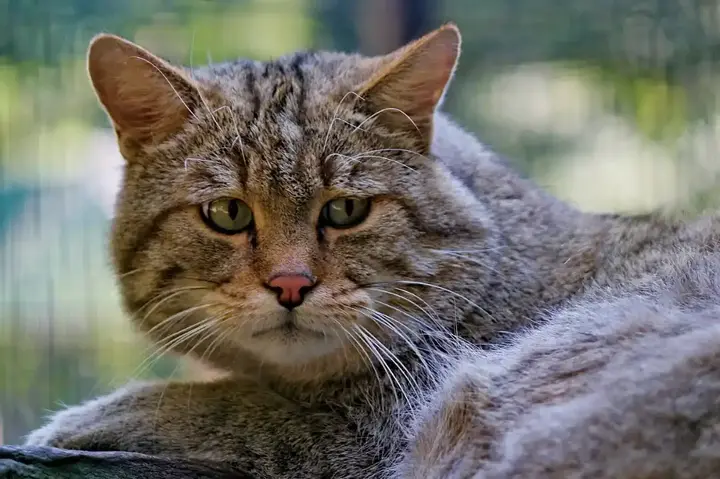
While occasional vomiting may be normal, continuous vomiting can indicate a serious health problem. If your cat vomits frequently, its body may be unable to process food or liquids properly, which could signal health disturbances requiring immediate attention to avoid death.
Diarrhea or Constipation
Changes in bowel patterns could indicate digestive system issues. If you notice your cat experiencing persistent diarrhea or constipation for extended periods, it might suggest its body struggles to maintain normal function or that the cat is nearing death.
Significant Weight Loss
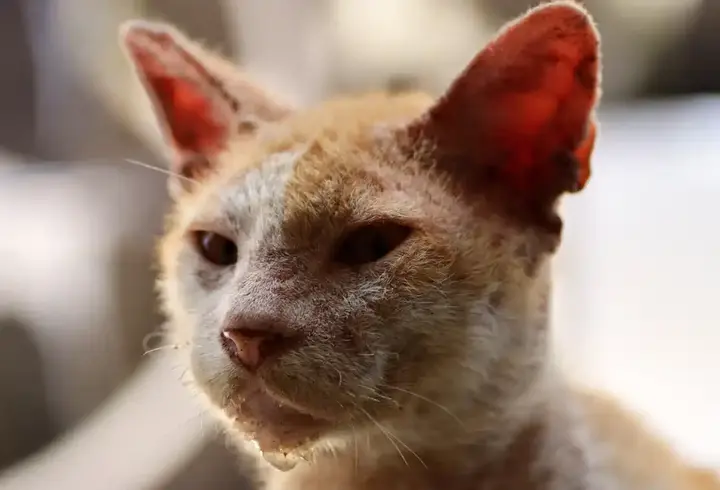
Rapid and noticeable weight loss can be a serious warning sign. If you start to feel the cat's bones becoming more prominent and it loses a lot of weight in a short period, it may indicate that its body is not absorbing nutrients properly, which could be a sign of a serious health condition threatening death without immediate medical intervention.
Behavioral Changes

A cat that was once full of love and affection may suddenly become isolated and aggressive. These behavioral changes can result from the pain or distress it feels, making it behave differently than usual, which is one of the signs that might indicate serious health problems that could lead to death without quick and appropriate intervention.
Seizures or Tremors

Seizures or tremors can be signs of neurological disturbances or severe pain. If you notice your cat experiencing abnormal movements or seizures, it might require immediate veterinary intervention to alleviate its suffering and preserve its health and life, preventing death.