Essential Mobile and Computer Software Everyone Needs
ADVERTISEMENT
In our current era, it's hard to imagine life without two specific electronic devices: the mobile phone and the computer. Both are invaluable tools we use daily for work and at home. The mobile phone keeps us connected to friends, family, and colleagues via calls, texts, and social media, and
ADVERTISEMENT
it also serves as a portable entertainment device for music, videos, and games. The computer is a powerful productivity tool for documents, spreadsheets, and presentations, and it gives us access to the internet for research and communication. It is also a hub for photo and video editing, design, and other creative work. Both devices are indispensable today, and as technology advances they will become even more integrated into our lives.
ADVERTISEMENT
From this perspective, we have prepared a list of programs—most of which offer free versions—that will help you get the most from these devices and make many daily tasks easier, whether for work or personal use. The goals vary: for example, increasing productivity (please link internally to the article "How Can You Become More Productive at Work?") and keeping your devices running smoothly so you can use them for as long as possible.
1- Google Chrome:
Photo from Unsplash
Google Chrome is a well-known browser for both mobile and desktop. It comes preinstalled on many Android devices, but we still recommend installing it for smooth browsing and its many useful features.
1. Easy to use, with features like instant Google Lens image searches.
ADVERTISEMENT
2. Syncs bookmarks across devices.
3. Manages and saves passwords.
4. Offers strong security features.
Notably, Chrome has a vast extensions library that turns the browser into a versatile platform for many tasks useful at work and beyond.
A. Todoist:
1. A task-management app that helps you stay organized.
2. Lets you create task lists and subtasks.
3. Integrates with your calendar.
B. Momentum:
1. Turns the new-tab page into an inspiring dashboard.
2. Shows beautiful images and enhances the browsing experience.
3. Lets you set daily goals.
C. Privacy Badger:
1. A tracker blocker that protects your privacy.
2. Prevents websites from tracking you online.
3. Lightweight and easy to use.
D. Honey:
1. An online shopping tool that helps find the best prices.
ADVERTISEMENT
2. Automatically searches for coupons and discounts.
3. Compares prices across different sites.
E. Evernote Web Clipper:
1. Lets you save articles, images, and videos from the web to Evernote.
2. Organize saved content into notebooks.
3. Access your saved content from any device.
F. Google Translate:
1. A fast, easy-to-use translation tool.
2. Translates text on web pages with a click.
3. Supports many languages.
2- Google Drive:
Photo from Unsplash
Cloud storage—keeping files and data online—has become essential. It lets you access files from anywhere with an internet connection. Google Drive is one of the most user-friendly options, with an interface similar to Windows File Explorer and support for managing many file types, including documents.
ADVERTISEMENT
1. Provides 15 GB of free storage.
2. Linked to your Google account, including Google Photos and Gmail.
3. Syncs files across computers and mobile devices, especially on Android.
4. Lets you share various file types with others.
3- LibreOffice
Photo from Unsplash
1. A free alternative to Microsoft Office.
2. Includes a word processor, spreadsheet program, and presentation app.
LibreOffice is a free, open-source office suite that includes Writer (word processing), Calc (spreadsheets), and Impress (presentations).
It also includes Draw for vector graphics and diagrams, Base for databases, and Math for formulas.
LibreOffice is compatible with Microsoft Office file formats and can create and edit .docx, .xlsx, and .pptx files. It offers advanced features like macro support and a customizable interface.
ADVERTISEMENT
Being free and open-source, LibreOffice is continually updated by a developer community. It is available for Windows, macOS, and Linux, making it a versatile choice for users who need office software without the cost of a commercial suite.
4- Avast AVG:
Photo from Unsplash
Antivirus software is vital for protecting your device from malware and cyberattacks. Installing such programs is essential today.
1. A strong, effective, and free option compared with many other similar programs.
2. Provides solid protection against viruses and malware, with regular online updates.
3. Efficient and user-friendly, specializing in detecting and removing malware.
5- VLC Media Player:
Photo from Unsplash
VLC is one of the most capable media players available. It supports almost every media format and uses relatively few device resources compared with many alternatives.
ADVERTISEMENT
1. Has an easy-to-use interface and supports Windows, macOS, Linux, Android, and iOS.
2. Can stream online content, convert files, and play damaged or incomplete video files.
3. Supports a wide range of codecs, so it can play nearly any media file without extra downloads.
Advanced features include adjusting playback speed, adding subtitles, and customizing audio and video effects.
4. Can stream content from online radio stations and live broadcasts, making it useful for local and online media.
6- MailWasher Spam Filter:
Photo from Unsplash
Spam-filtering software is as important as antivirus programs because it screens unwanted emails that can pose significant security risks. Many breaches and scams start with deceptive emails.
ADVERTISEMENT
1. An essential tool for anyone who wants to protect themselves from spam and potential fraud by filtering and blocking unwanted messages.
2. MailWasher helps protect your personal and financial information by screening potentially dangerous emails.
It lets you preview emails before downloading them, making it easier to identify and delete suspicious messages.
3. It also lets you blacklist and whitelist email addresses, giving you control over which messages reach your inbox.
7- Task Management Software Google Tasks - TasksBoard:
Photo from Unsplash
Task-management software helps organize tasks and projects. Google Tasks is simple and straightforward, designed to keep users organized and productive. You can create tasks, set deadlines, organize tasks into lists, and collaborate with others. It integrates with Gmail and Google Calendar, and it is available on desktop and mobile so you can manage tasks wherever you are.
ADVERTISEMENT
Additional but Truly Fun Apps!
Photo from Pexels
Here is a bundle of apps that can help you learn useful skills in just a few minutes a day. We provide more than one option in each category so you can choose what suits you best.
Mobile language-learning apps:
1. Duolingo – Offers interactive exercises and mini-games to make language learning fun and engaging.
2. Babbel – Provides comprehensive lessons with speech recognition and personalized review sessions.
3. Memrise – Uses mnemonic techniques and spaced repetition to help you memorize vocabulary and phrases.
4. FluentU – Uses authentic videos, music, and other multimedia content to teach languages in context.
Spotify:
1. A music-streaming service with millions of songs and audio programs, available on mobile and desktop.
ADVERTISEMENT
2. Lets you listen to as many songs and albums as you like.
3. Includes millions of podcasts.
Spotify Alternatives:
1. YouTube Music.
2. Apple Music.
Klaus-Dieter Engel
ADVERTISEMENT
The Remarkable Reason Behind Fasting's Renewing Powers
ADVERTISEMENT
Fasting, the abstinence from food for a specific period, has been part of human culture for thousands of years. Historically tied to religious and spiritual traditions, it is now gaining scientific recognition for its health benefits. Research has revealed that fasting not only helps with weight loss and metabolic regulation
ADVERTISEMENT
but also stimulates powerful renewal processes within the body. The remarkable reason behind fasting’s renewing powers lies in an ancient biological mechanism that predates modern diets, known as cellular autophagy. This self-cleaning process holds the key to understanding why periods of abstaining from food can be so beneficial to health. In this article, we outline the benefits of fasting and its surprising effects on health.
ADVERTISEMENT
What is Cellular Autophagy?
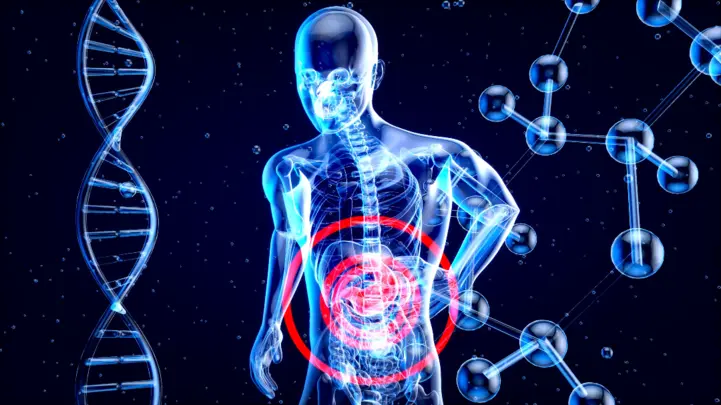
Photo by Julien Tromeur on Unsplash
Cellular autophagy is the process by which cells break down and recycle their own components. This internal "cleaning" mechanism removes old or damaged parts of the cell and makes room for new, healthy structures. The discovery of autophagy revolutionized our understanding of cell health and earned Japanese scientist Yoshinori Ohsumi the Nobel Prize in Medicine in 2016 for his research on the process. When the body enters a fasting state, autophagy is stimulated to help maintain cell function in the absence of nutrients. Without a steady supply of food, cells begin to seek materials to use as fuel. In doing so, they break down harmful or unnecessary cellular components, such as misfolded proteins, damaged organelles, and toxins. This self-digestion not only provides energy but also renews cells by clearing waste and promoting the growth of healthier, more efficient structures.
ADVERTISEMENT
Fasting significantly amplifies this process. During fasting, the body undergoes several metabolic shifts. In the first few hours after eating, glucose from food serves as the primary energy source. Once those glucose reserves are depleted—usually about 12 to 24 hours after the last meal—the body begins to burn stored fat for energy. The length and type of fasting also affect the degree of autophagy: short-term fasting can activate mild autophagy, whereas prolonged fasting of 24 hours or more stimulates greater autophagy.
Benefits of Cellular Autophagy:
Photo by Pawel Czerwinski on Unsplash
The benefits of this cellular renewal are far-reaching, affecting everything from aging to immunity and brain health.
ADVERTISEMENT
1. Slowing aging: One of the most intriguing aspects of fasting-induced autophagy is its ability to slow the aging process. As damage accumulates in cells over time, their ability to function properly decreases, leading to age-related diseases and overall decline in physical and mental health. Autophagy helps counter this decline by removing damaged cellular components and promoting the production of newer, healthier ones.
2. Boosting the immune system: Autophagy also plays an important role in immune function by helping the body defend against infections. During fasting, the immune system uses autophagy to eliminate old and ineffective immune cells, allowing for the production of newer, more effective ones. This process is particularly important for fighting infections and maintaining overall immune resilience.
ADVERTISEMENT
3. Enhancing brain health: The brain is one of the organs that benefits most from fasting-induced autophagy. Research has shown that autophagy helps clear misfolded proteins and other cellular debris that can accumulate in the brain—hallmark features of neurodegenerative diseases such as Alzheimer’s and Parkinson’s.
4. Improving metabolic health: Beyond its role in cell repair, fasting is associated with improved metabolic health. Autophagy contributes to this by helping to regulate blood sugar levels, enhance insulin sensitivity, and reduce inflammation. These effects can help prevent chronic diseases like type 2 diabetes and cardiovascular disease.
Fasting and Stem Cell Activation:
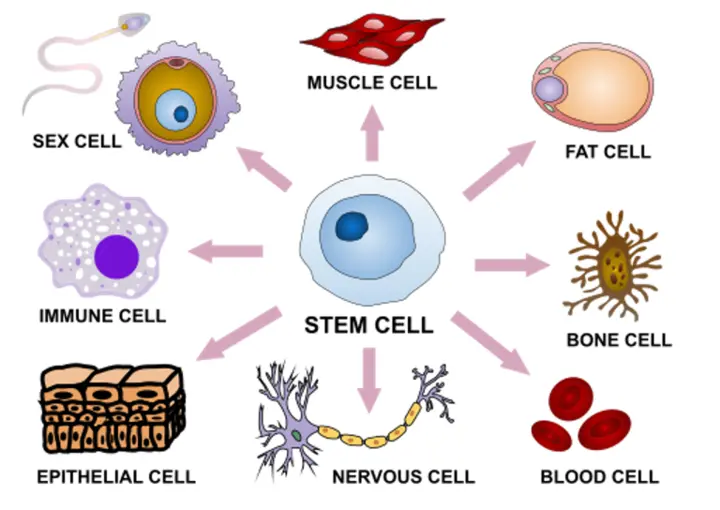
Stem cells can differentiate into multiple types of cells
ADVERTISEMENT
Another astonishing aspect of fasting’s renewing power is its ability to activate stem cells, the primary cells responsible for tissue and organ renewal. Research has shown that prolonged fasting can stimulate the production of new stem cells, particularly in the blood and immune systems. In a landmark study, scientists found that fasting for just 72 hours could lead to immune system rejuvenation by boosting stem cell activity. This finding has significant implications for health and longevity. As we age, our stem cells become less efficient, leading to slower tissue repair and a weakened immune system. Fasting helps counteract this decline by resetting and renewing the body’s stem cell pools, promoting faster healing and recovery.
ADVERTISEMENT
And the Surprises Don’t End:
In a recent study on mice, researchers found that when stem cells are in a highly regenerative state, they are more prone to cancer. Intestinal stem cells are among the most rapidly dividing cells in the body, helping the intestinal lining regenerate completely every five to ten days. Because they divide so frequently, these stem cells are a common source of cancer cells in the gut. In that study, researchers discovered that activating a carcinogenic gene in mice during the refeeding phase after fasting made them more likely to develop cancerous tumors than activating the gene during the fasting state. Cancer mutations that occurred during the refeeding phase were more likely to produce tumors compared with mutations in control mice that did not undergo fasting and refeeding cycles.
ADVERTISEMENT
Photo by Rejoice Denhere on Unsplash
The remarkable reason behind fasting’s renewing powers lies in the process of cellular autophagy, which helps the body remove damaged components, renew cells, and boost stem cell activity. From slowing aging to improving immune function and brain health, the benefits of fasting are profound. By fasting, we can harness the body’s innate ability to repair and renew itself, contributing to better health and longevity. However, excessive fasting could have adverse effects: if the body is exposed to mutagens, such as a charred steak or similar substances, it could increase the likelihood of developing cancer.
As science continues to uncover the mechanisms behind the regenerative effects of fasting, it is clear that fasting is more than just a weight-loss strategy—it benefits deep biological processes that promote overall health.
Álvaro Quintana
ADVERTISEMENT
The Design Trick Hiding in Every Umbrella
ADVERTISEMENT
The most important part of an umbrella is not the bright canopy you notice first; it is the small sliding piece your hand barely registers when it snaps the frame open. Most of us remember the fabric and the color.The object actually depends on a plain mechanical joint called
ADVERTISEMENT
the runner.
That is why an overhead umbrella installation can feel so smart. The orange circles do their job at once, of course. But what makes each one legible as an umbrella, rather than just a round patch of color, is the hidden structure pulling fabric into a tense, recognizable shape.
Why orange circles overhead feel more designed than decorative
Seen from below, repeated umbrellas turn into a neat piece of public design. The orange reads sharply against the sky. The repeated radial lines turn each umbrella into a simple diagram: center point, spokes, edge, repeat.
ADVERTISEMENT
Suspending them overhead changes their role. Down on a rainy street, an umbrella is private equipment. Up above, many umbrellas become pattern, rhythm, and a little bit of urban wit.
Photo by Vincent Pere on Unsplash
And yet the pattern works because the object already has a very specific geometry. A standard umbrella is built from a shaft in the middle, ribs spreading outward, stretchers linking those ribs to a sliding runner, and a canopy stretched over the top. The Design Museum’s umbrella terminology and many maker diagrams use these same plain parts, because they are the ones that make the object behave the way your hand expects.
So yes, color gets your attention. But structure is what makes the repetition satisfying. Each orange form is a small radial machine hanging in plain sight.
ADVERTISEMENT
Have you ever noticed what your hand does before it opens?
Try it in the air for a second. Mime opening a standard manual umbrella and notice where your thumb expects resistance, then release. Thumb pushes. Metal clicks. Ribs pull. Fabric lifts. Shape appears.
That quick metallic click and soft fabric thump are not decoration. They are the sound of tension being locked into place. The runner slides upward along the shaft, the stretchers push the ribs outward, and the canopy becomes stable because the frame is finally under controlled tension.
This is the little hinge-walk inside the object. Your eye goes to the canopy. Your hand knows better.
The tiny part doing the real work
Let’s name it plainly. The shaft is the central stick. The canopy is the fabric skin. The ribs are the long thin arms that spread outward, and the stretchers are the shorter links connecting those ribs to the runner. The runner is the ring-like sliding piece that moves up the shaft and locks the frame open.
ADVERTISEMENT
Once you notice that runner, the umbrella stops being just a fabric dome. It becomes a choreography of tension. One small motion in the hand travels through linked parts and changes loose material into a usable form.
That mechanism also explains why the suspended installation reads so cleanly. Even when the umbrellas are no longer being used for weather, their shape still announces stored action. You can almost feel the opening motion held inside them.
There is an honest limit here. This description fits the standard manually opened umbrella most people know best, and it helps explain why umbrella installations work symbolically overhead. Automatic models and storm designs may add springs, vents, or reinforced frames, but the basic insight remains: a hidden control point organizes the whole object.
ADVERTISEMENT
But isn’t the canopy the star?
It is fair to think so. The canopy gives the umbrella its color, its silhouette, and most of its immediate charm. In an installation of orange umbrellas, the canopy is absolutely the first performer on stage.
But first performer is not the same as main mechanism. Without the runner, ribs, and stretchers, the canopy is only cloth waiting around. The visible beauty depends on the less visible system that spreads, tensions, and holds it.
That is why the object feels satisfying in the hand. Recognition arrives when motion becomes form. Not when fabric exists, but when the frame gives it shape.
The small noticing trick to take on your next rainy walk
The lovely thing about those umbrellas overhead is that they send you back to the ordinary version with better eyes. A public artwork can do that when it is good: not just make a familiar thing bigger or brighter, but return its logic to you.
ADVERTISEMENT
Next time you open a manual umbrella, watch the runner for half a second. Feel where your thumb pushes, where the resistance builds, and where the click tells you the frame has locked. That one tiny slide controls the whole sequence.
Then the object feels newly intentional, which is such a pleasure on an ordinary city walk. Good design is full of these quiet decisions, waiting overhead or right there in your hand.