Claude Monet's Creative Genius: Father of Impressionism
ADVERTISEMENT
In the world of fine art, some works reveal the creative genius of exceptional artists. Among these visionaries is the French painter Claude Monet, widely regarded as the father of Impressionism. Monet had a remarkable ability to capture fleeting moments with sensitivity, using a
ADVERTISEMENT
distinctive touch and vibrant color to immortalize them on canvas. His paintings are an enduring artistic legacy. Let us explore his work and his influence on the art world.
1. Monet's Beginnings and Early Artistic Influences
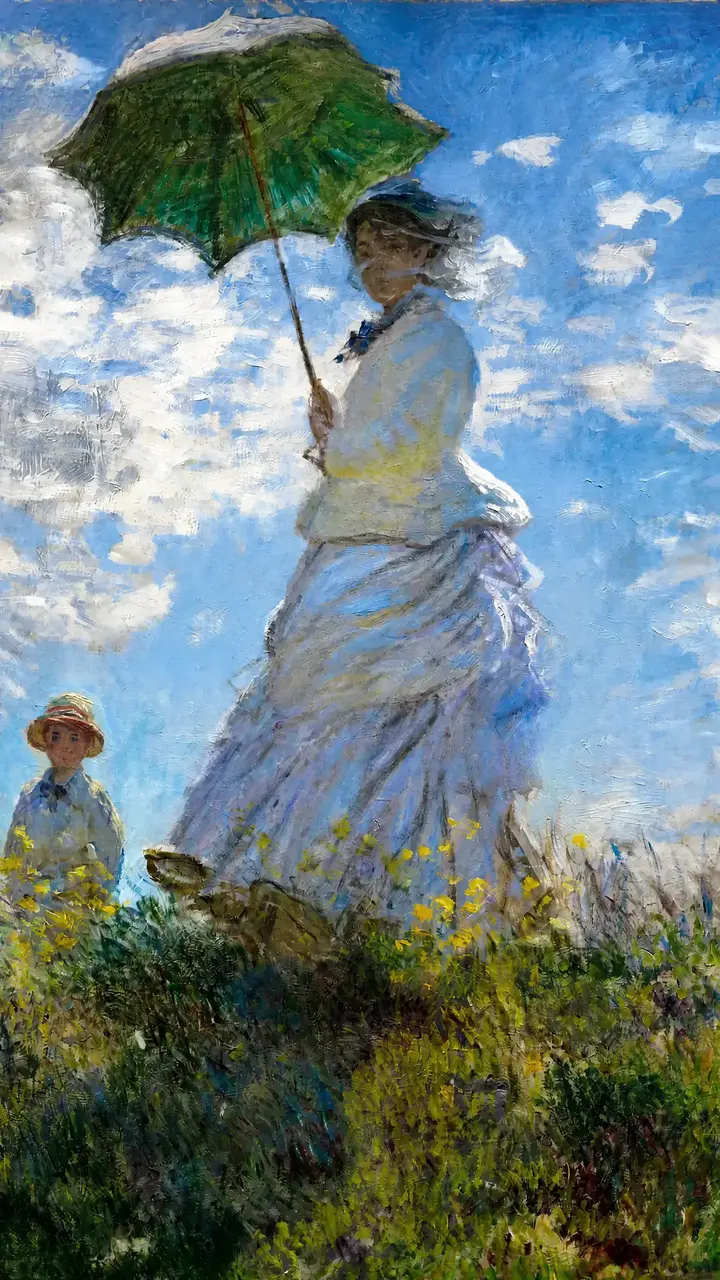
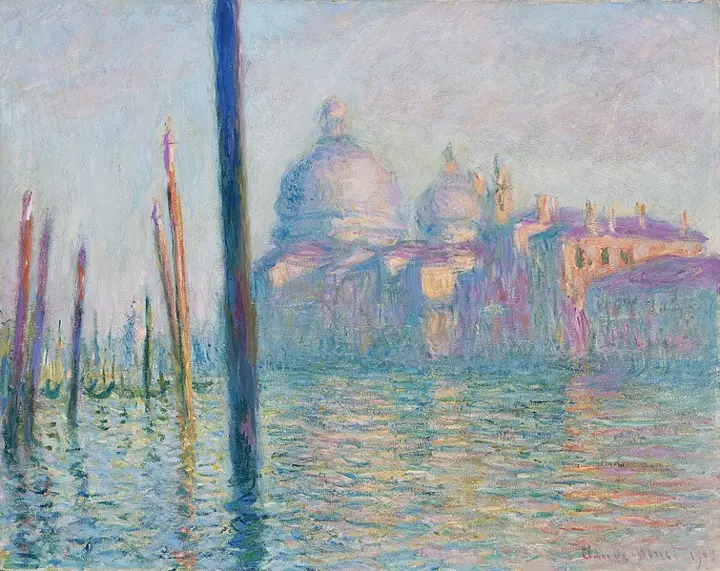
Photo from Rawpixel Ltd on Wikimedia
The art world needs creators who can transform tradition into something new and bold. One such creator was Claude Monet, whose artistic journey was shaped by his surroundings and life experience. From his modest beginnings in the French port city of Le Havre to key moments in Paris, his early influences set the stage for his later achievements.
ADVERTISEMENT
Monet showed an early talent for depicting the natural world, and this became the foundation of his artistic philosophy. He drew on eighteenth-century painting techniques and on the interplay of light and shadow, but he did not stop there. He experimented with bold methods, using his brush in unconventional ways to produce distinct visual effects.
His early paintings already reveal his gift. In works such as Waterloo Bridge, London and Moustiers, Monet adopted new techniques to portray light and water with vivid color and striking effects. He moved quickly from scene to scene to capture ephemeral moments and translate them to canvas, reflecting the spirit of Impressionism that would define his work.
ADVERTISEMENT
Those initial experiments and influences were the spark for his later masterpieces. They set Monet on the path to becoming one of the greatest artists of his time.
2. Transition to Impressionism: Liberating Art from Routine
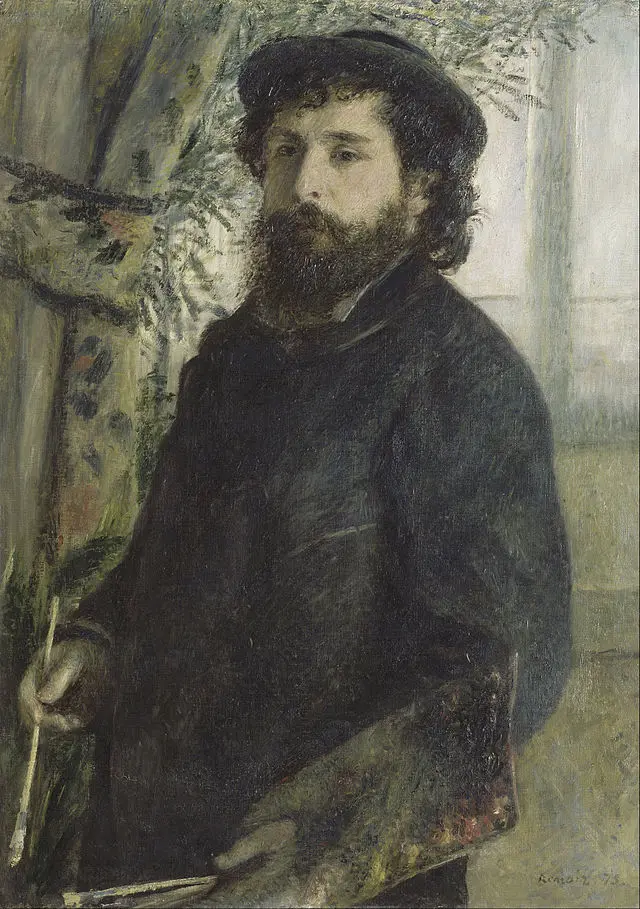
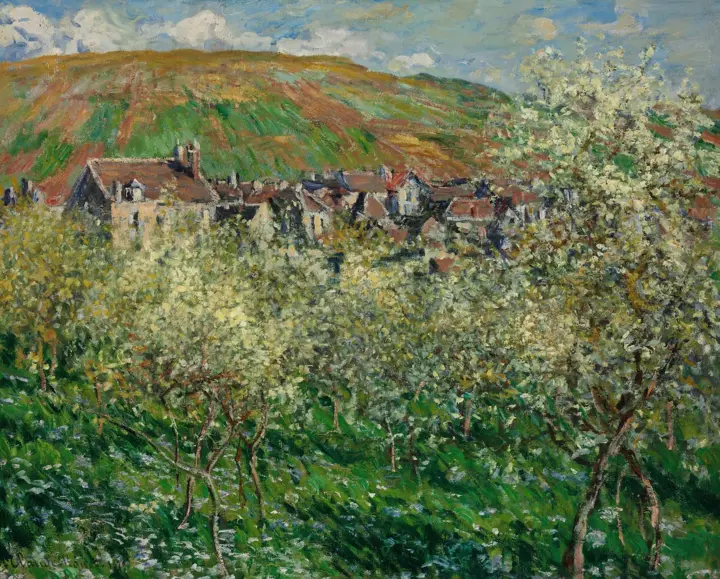
Photo from Claude Monet on Wikimedia
Monet’s move into Impressionism marks one of the most important turning points in his career. During this period he broke free from routine and embraced the expressive freedom that defines Impressionism.
His shift represented an artistic liberation from the conventions and rules that dominated the art world at the time. Monet offered a fresh way of seeing, one that allowed him to capture the beauty of passing moments and render them on canvas in his own unmistakable style.
ADVERTISEMENT
Rather than focusing on minute detail and precision, he developed a style built around color, light, and movement. With thick, porous brushstrokes he suggested shifting shapes and energy, and he used color boldly to convey the effects of light and atmosphere on objects.
Through this daring transition, Monet freed art from repetition and imitation and breathed new life into painting. His canvases began to reflect the exact feeling of a particular moment, drawing viewers with the force of visual impressions. By leading this revolution, Monet secured an enduring place in art history.
3. The Famous "The Old Palace in Paris" Series
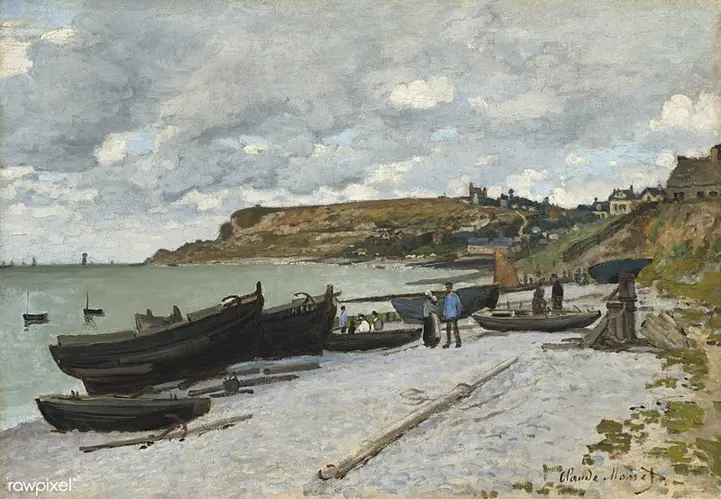
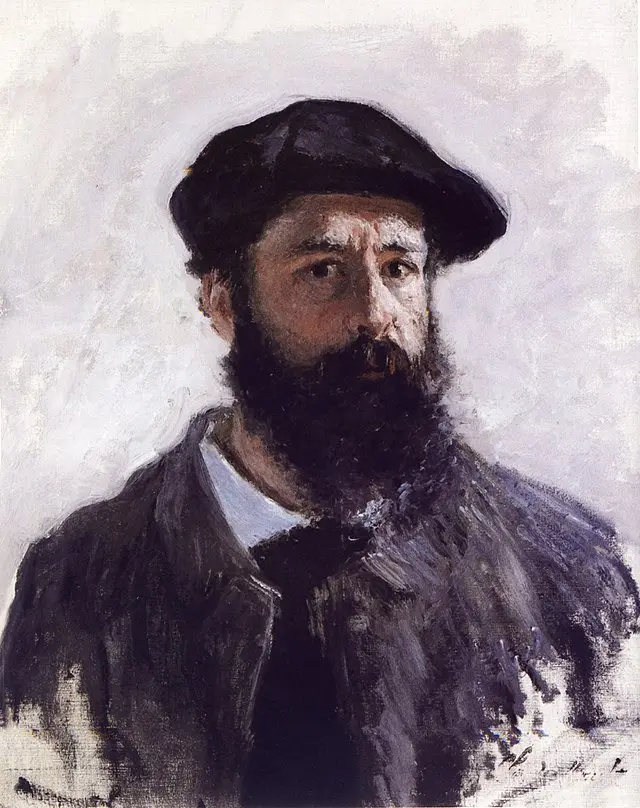
Photo from Claude Monet on Wikimedia
Among his outstanding masterpieces, Monet's series "The Old Palace in Paris" stands out as evidence of his creative genius. In this series his skill for rendering urban scenes and local settings with luminous color and delicate touches is on full display. The works take us through Paris’s narrow streets and old palaces, evoking the nation’s heritage and bygone charm.
ADVERTISEMENT
Throughout the series, Monet demonstrates his ability to capture how light continually transforms buildings and landscapes. He records unique moments of the day, observing the play of shadow and changing light to create a mesmerising effect that highlights the beauty of small details.
Using vivid color and subtle touches, Monet elevates these scenes into works of contemplation. The series celebrates the richness of the palaces’ architectural detail and shows a deep artistic sensitivity.
These paintings reflect Monet's inventiveness and his major influence on modern art. They inspired many later artists who drew on his techniques in their own work.
In short, "The Old Palace in Paris" series is among Monet’s most impressive achievements, expressing his unique vision and exceptional skill. It is part of an artistic legacy the world continues to admire.
ADVERTISEMENT
4. Recognizing Genius: Monet's Impact on the Art World
Photo from 12019 on Pixabay
When we discuss Monet’s genius, we cannot ignore his vast influence on the art world. He pioneered new painting techniques and greatly influenced his contemporaries, becoming a touchstone for later generations. Although he faced criticism early on, his rejection of traditional conventions and his vivid portrayals of nature helped spark an artistic revolution.
Monet was a leading figure in the Impressionist technique, using color in novel ways to capture the changing effects of light and shadow on the landscape. He applied color broadly and vertically to express emotion, a method that had a profound effect on many artists who followed.
ADVERTISEMENT
He prompted a shift in art, encouraging painters to reflect real life and to express personal response in new ways. His example led others to experiment with different methods, contributing to movements such as Impressionism and abstraction.
Recognition of Monet’s achievement did not end with his lifetime; appreciation of his work has only grown. Many critics and scholars consider him among the greatest artists in history, a powerful symbol of creative genius. His vision and innovation continue to inspire contemporary and future artists who strive to push art forward with the same dedication and passion.
5. Monet's Influence on Modern Art and Subsequent Artists
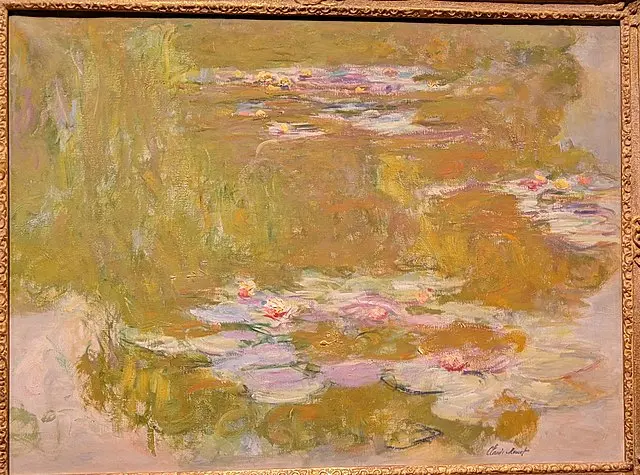
Photo from Claude Monet on Wikimedia
ADVERTISEMENT
No account of Monet’s legacy is complete without noting his enormous impact on modern art and on later artists. He renewed painting with a bold vision and inventive techniques. Here we consider how his work helped shape generations of artists who followed.
Monet and Impressionism left a clear mark on modern art. He introduced a way of seeing that emphasized the effects of light on color and the idea that colors shift as light changes, giving his paintings a sense of movement and life.
His influence is evident in many later artists. For example, the American painter Georgia O'Keeffe drew on Monet’s approaches when painting landscapes and flowers with bright color and careful attention. Similarly, Jackson Pollock found inspiration in Monet’s work as he developed techniques of dripping and abstraction.
ADVERTISEMENT
Monet also changed ideas about artistic vision and realistic representation. He freed painting from rigid conventions and sought to depict life in his own terms. That approach became one of the foundations of modern art and of post-Impressionist movements.
Through his lasting influence on modern art and later generations, Claude Monet became a symbol of innovation and artistic creativity. He introduced a new way of seeing and left a legacy that continues to inform the masterpieces we admire today.
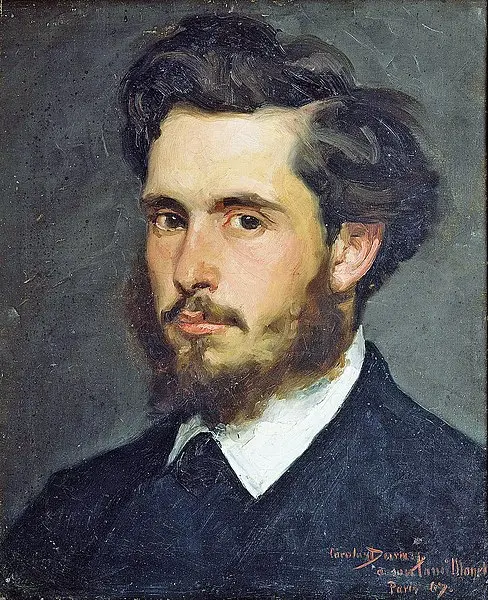
Photo from Carolus-Duran on Wikimedia
Thanks to his creative genius and distinctive vision, Claude Monet revolutionized the art world and became the face of Impressionism. With bold strokes and subtle touches he captured fleeting moments in unforgettable ways. His paintings remain a treasured part of museum collections around the world. Monet is rightly considered one of the greatest artists in history, and his work has secured him a timeless place in the story of modern art.
منتزه نياكولو كوبا الوطني: مغامرة سفاري فريدة في قلب السنغال
ADVERTISEMENT
تتميز السنغال بطبيعتها الساحرة وتراثها الثقافي الغني، مما يجعلها وجهة مثالية لمحبي المغامرات. ومن بين أبرز المعالم السياحية فيها، يأتي منتزه نياكولو كوبا الوطني كإحدى الوجهات المميزة لعشاق السفاري واستكشاف الطبيعة.
يُعد هذا المنتزه أكبر محمية طبيعية في السنغال، حيث يمتد على مساحة تزيد عن 900 ألف هكتار، ويحتضن مجموعة
ADVERTISEMENT
استثنائية من الحيوانات البرية والطيور النادرة، إلى جانب مناظر طبيعية تأسر القلوب. لمن يبحث عن تجربة سفاري متميزة، فإن زيارة هذا المنتزه تعد خيارًا رائعًا.
الصورة من wikimedia
لمحة عن منتزه نياكولو كوبا الوطني
يقع المنتزه في جنوب شرق السنغال، بالقرب من الحدود مع غينيا. وقد تم إدراجه ضمن قائمة اليونسكو للتراث العالمي عام 1981 نظرًا لأهميته البيئية وتنوعه البيولوجي. يتميز المنتزه بتنوع تضاريسه بين الغابات الاستوائية والسهول العشبية والأنهار، مما يجعله موطنًا مثاليًا لمختلف أنواع الكائنات الحية.
ADVERTISEMENT
ما الذي يجعل نياكولو كوبا وجهة سفاري مميزة؟
1. تنوع بيولوجي غني
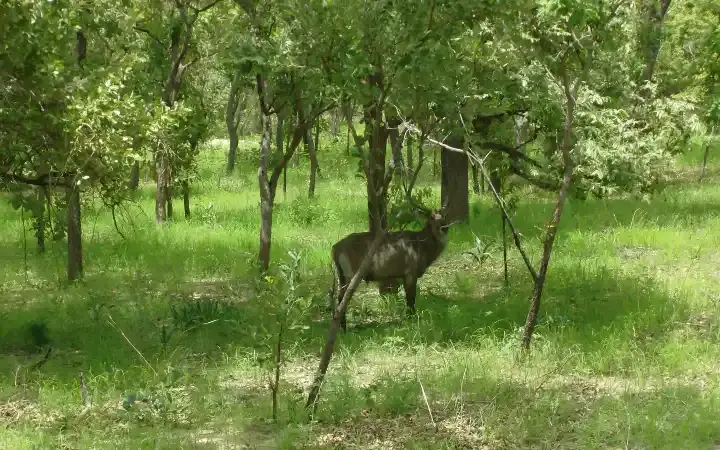
يضم المنتزه أكثر من 70 نوعًا من الثدييات، من بينها الفيلة، الجاموس الإفريقي، الفهود، الضباع، وأنواع متعددة من الظباء. كما يُعرف بوجود أحد آخر تجمعات أسود غرب إفريقيا، وهي من الأنواع النادرة في المنطقة.
بالإضافة إلى ذلك، يُعد المنتزه وجهة مثالية لمحبي الطيور، حيث يوجد أكثر من 300 نوع من الطيور، من بينها الكركي، النسر الإفريقي، والبجع، مما يجذب عشاق مراقبة الطيور من جميع أنحاء العالم.
2. مغامرة وسط الطبيعة البرية
يتيح المنتزه لزواره فرصة خوض تجربة سفاري مميزة عبر رحلات بسيارات الدفع الرباعي برفقة مرشدين محترفين، أو المشي في مسارات محددة داخل الغابات لمشاهدة الحيوانات عن قرب.
إضافةً إلى ذلك، يمكن الاستمتاع بجولة نهرية في نهر غامبيا، الذي يعبر المنتزه، حيث يمكن مشاهدة التماسيح وأفراس النهر في بيئتها الطبيعية.
ADVERTISEMENT
3. مناظر طبيعية متنوعة
يتميز المنتزه بمناظره الخلابة التي تتنوع بين الغابات الكثيفة، السهول المفتوحة، والتلال الصخرية. وتُعد لحظات شروق الشمس وغروبها من أجمل المشاهد التي يمكن رؤيتها، حيث تنعكس الألوان الذهبية على الأشجار والمسطحات العشبية، مما يخلق مشاهد ساحرة لعشاق التصوير الفوتوغرافي.
الصورة من wikimedia
أفضل وقت لزيارة المنتزه
يُفضل زيارة المنتزه خلال موسم الجفاف (من نوفمبر إلى مايو)، حيث تكون درجات الحرارة معتدلة وتكون الحيوانات أكثر وضوحًا بالقرب من مصادر المياه. أما خلال موسم الأمطار (من يونيو إلى أكتوبر)، يصبح التنقل أكثر صعوبة بسبب الطرق الطينية، لكنه يمنح المنتزه مظهرًا أكثر خضرة وحيوية.
كيفية الوصول إلى منتزه نياكولو كوبا
يقع المنتزه على بعد 650 كيلومترًا من العاصمة داكار، ويمكن الوصول إليه بعدة طرق:
ADVERTISEMENT
بالطائرة:يمكن السفر إلى تامباكوندا، وهي أقرب مدينة رئيسية إلى المنتزه، ثم استئجار سيارة دفع رباعي للوصول إلى هناك.
بالسيارة:يمكن القيادة من داكار إلى تامباكوندا، ثم مواصلة الرحلة إلى المنتزه. تستغرق الرحلة حوالي 10 ساعات، لكنها تتيح فرصة لاكتشاف القرى والمناطق الريفية الجميلة في السنغال.
أماكن الإقامة داخل المنتزه
توفر المنطقة المحيطة بالمنتزه خيارات إقامة تناسب مختلف التفضيلات:
المخيمات البيئية:مثالية لمحبي الطبيعة، حيث تقدم تجربة العيش وسط البرية مع خدمات أساسية.
النُزل الريفية:توفر تجربة أكثر راحة، مع إمكانية تذوق المأكولات المحلية.
الفنادق في تامباكوندا:خيار مناسب لمن يفضل الإقامة في مكان أكثر راحة، مع إمكانية تنظيم رحلات يومية إلى المنتزه.
الصورة من wikimedia
نصائح لرحلة سفاري ممتعة
استخدم كاميرا ذات عدسة زووم جيدة لالتقاط صور مذهلة للحياة البرية.
ارتدِ ملابس مريحة بألوان محايدة حتى لا تجذب انتباه الحيوانات.
احمل معك واقيًا من الشمس وقبعة ونظارات شمسية لحماية نفسك من أشعة الشمس.
استخدم طارد الحشرات لتجنب لدغات البعوض.
التزم بتعليمات المرشدين السياحيين لضمان سلامتك وسلامة البيئة المحيطة.
ADVERTISEMENT
ختامًا: مغامرة مدهشة في قلب السنغال
يعد منتزه نياكولو كوبا الوطني وجهة رائعة لعشاق السفاري واستكشاف الحياة البرية، حيث يمنح زواره فرصة لرؤية الأسود، الفيلة، الطيور النادرة، والعديد من الكائنات الأخرى في بيئتها الطبيعية.
إذا كنت من محبي الطبيعة والمغامرات، فإن زيارة هذا المنتزه ستضيف إلى رحلتك تجربة استثنائية مليئة بالإثارة والمتعة في واحدة من أجمل المحميات الطبيعية في إفريقيا.
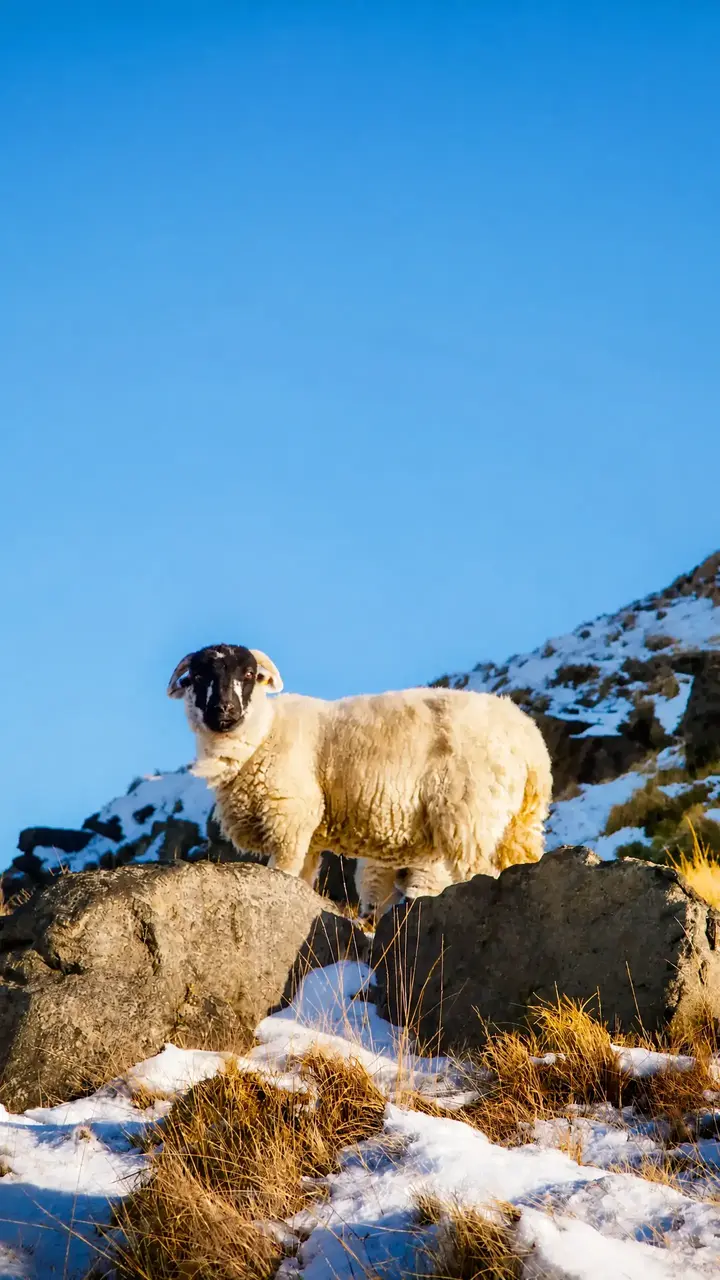
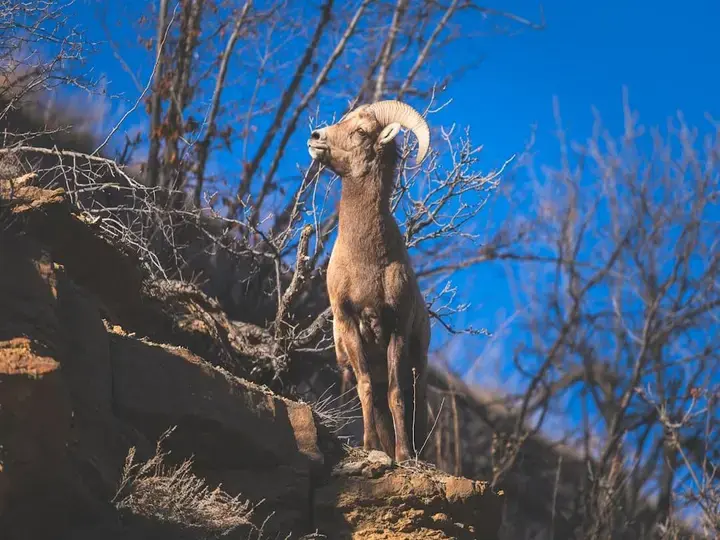
يقف خروف الجبال في البرد محاطًا بطبقة سميكة تبدو للعين كأنها غطاء كامل. مصدر العزل الأقوى داخل هذه الطبقة هو الهواء الساكن الذي تحتجزه الألياف قرب الجسم؛ فحين يتوزع الهواء في جيوب صغيرة، تتباطأ حركة الحرارة إلى الخارج ويحتفظ الحيوان بقدر أكبر من دفئه.
الصوف هو الهيكل الذي يبقي تلك
ADVERTISEMENT
الجيوب مفتوحة. وتوضح المنظمة الدولية للمنسوجات الصوفية أن التموج الطبيعي، أو التجعد، في ألياف الصوف يحبس الهواء ويسهم في العزل والدفء. تنثني الألياف وترتد بدل أن تنبسط كالشعر المستقيم، فينشأ الانتفاخ الذي تحتاج إليه الطبقة العازلة.
تصوير جون سايلر على Unsplash
الكثافة وحدها لا تفسر الدفء
عند تفريق صوف الخروف بالأصابع، تظهر بنية نابضة ومفتوحة وليست كتلة صلبة متماسكة. ترتفع الألياف عن الجلد، وبينها فراغات كثيرة تمنع الهواء من التحرك بحرية. هذا هو المقصود بالانتفاخ: سماكة تتكون من ألياف متباعدة وهواء محصور بينها.
ADVERTISEMENT
تظهر الفكرة نفسها في مواد البناء المصنوعة من صوف الغنم. ففي مراجعة أعدتها توندِه أورسوليا دينيش وزملاؤها عام 2022، تراوحت الموصلية الحرارية لصوف الغنم في الظروف القياسية بين 0.038 و0.054 واط لكل متر كلفن. انخفاض الموصلية يعني أن الحرارة تعبر المادة ببطء، وهو ما يضع هذه المواد ضمن نطاق عدد من مواد العزل الشائعة.
قد تشغل الفراغات الهوائية نسبة عالية جدًا من حجم القماش الصوفي، ولذلك يبدو الصوف كبير الحجم من غير أن تكون كتلته كافية لتكوين درع صلب. المادة تؤدي دورها لأنها تحافظ على شكل ثلاثي الأبعاد يسمح للهواء بالاستقرار. زيادة كمية الألياف مع سحق هذه البنية قد تنتج طبقة أثقل، لكنها لا تضمن عزلًا أفضل.
المعطف واللحاف يعملان بالمبدأ نفسه
يمكن رؤية أثر الانتفاخ في سترة مبطنة أو لحاف جاف. حين تكون السترة حرة ومنتفخة، تحتفظ بطبقة هواء حول الجسم. أما إذا ابتلت تمامًا وانضغطت تحت حزام ثقيل، تقل سماكتها وتضيق الفراغات الداخلية، فتنتقل الحرارة بسرعة أكبر.
ADVERTISEMENT
يحدث الانضغاط أيضًا تحت حزام حقيبة الظهر، أو تحت الذراع، أو تحت وزن الجسم أثناء النوم. في الموضع المضغوط تصبح وسادة الهواء أرق من بقية القطعة، فتضعف مقاومتها لخروج الحرارة. ولهذا قد يكون جزء من كنزة أو لحاف أبرد من جزء آخر رغم أنهما مصنوعان من الألياف نفسها.
ويمكن مقارنة الحالتين في المنزل من دون أدوات قياس: لحاف منفوش وآخر مماثل مضغوط تحت صناديق، أو كنزة صوفية متدلية بحرية وأخرى مشدودة بإحكام تحت طبقة خارجية صلبة. الفارق المحسوس لا يأتي من تغير نوع الألياف، وإنما من مقدار السماكة والهواء الساكن اللذين بقيا داخلها.
الماء والانضغاط يضعفان العزل
عندما يتشبع الصوف بالماء، يشغل السائل جزءًا من الفراغات التي كان يملؤها الهواء الجاف. والماء ينقل الحرارة أسرع من الهواء الساكن، بينما يزيد الوزن الرطب احتمال هبوط الألياف وفقدانها بعض انتفاخها. وتذكر مراجعة دينيش وزملائها أن الموصلية الحرارية لصوف الغنم ترتفع مع ازدياد محتواه الرطوبي؛ أي إن مقاومته لمرور الحرارة تنخفض.
ADVERTISEMENT
يحتفظ الصوف الرطب بقدر من قدرته العازلة لأن بنيته لا تنهار فورًا كما يحدث لبعض الألياف الأخرى. غير أن الصوف المبتل والثقيل والمضغوط أضعف عزلًا من الصوف الجاف المنتفخ. والتمييز هنا بين الرطوبة المحدودة والتشبع الكامل مهم عمليًا: امتصاص بعض بخار الماء لا يساوي امتلاء الفراغات بالماء السائل.
ينطبق الأمر نفسه على اللحاف والملابس. التجفيف يعيد الماء إلى الخارج، بينما يسمح رفع الضغط عن القطعة للألياف بأن تسترد جزءًا من سماكتها. إذا بقيت المادة مفلطحة، فلن تستعيد وسادة الهواء كاملة حتى لو كانت أليافها نفسها سليمة.
كيف يحتمل الخروف طقس المرتفعات؟
الخروف الواقف في المرتفعات ينتج الحرارة داخل جسمه، ويحد صوفه من سرعة فقدانها. تعمل الألياف المجعدة كدعامة لمعطف مرتفع عن الجلد، وتجزئ الهواء إلى جيوب صغيرة تحد من حركته. ما دام هذا الانتفاخ جافًا وقائمًا، لا يفقد الحيوان حرارته بالسرعة التي قد توحي بها شدة الريح المحيطة.
ADVERTISEMENT
عبارة «صوف كثيف» تختصر المشهد أكثر مما ينبغي. السماكة النافعة هي السماكة الهوائية النابضة التي تحافظ على شكلها؛ أما طبقة الألياف الثقيلة إذا انضغطت في هيئة صفيحة رقيقة، فتحتجز هواء أقل. ولهذا يمكن لطبقة أخف وأكثر انتفاخًا أن تعزل أفضل من طبقة أثقل فقدت بنيتها المفتوحة.
في معطف الخروف، تجتمع حرارة الجسم مع تموج الألياف وسماكة الصوف لتكوين منطقة من الهواء البطيء الحركة قرب الجلد. وحين تبقى هذه البنية جافة وغير مضغوطة، تستمر جيوب الهواء في إبطاء انتقال الحرارة إلى الطقس البارد المحيط.