Discovering Tlemcen Province, Algeria: A Historical and Touristic Jewel of North Africa

Located in northwestern Algeria, the province of Tlemcen offers a rich blend of history, culture, and natural beauty. Its capital, Tlemcen, known as the "City of Saints," has been a cultural and spiritual center for centuries. The province’s combination of Islamic architecture, a Mediterranean climate, mountainous landscapes, and Sufi traditions makes it one of Algeria’s most intriguing destinations. To appreciate Tlemcen’s importance, it must be viewed within the broader context of Algeria’s history, geography, economy, and culture.
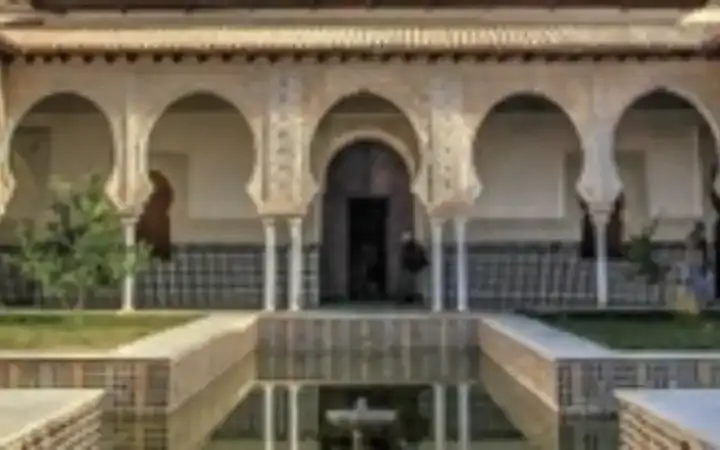
Mechouar Palace, Tlemcen, Algeria.
1. History of Algeria.
Algeria’s history spans thousands of years: from the prehistoric rock art of Tassili n'Ajjer to Berber kingdoms, Roman colonization, Arab-Islamic conquests, Ottoman rule, and French colonialism (1830–1962). Algeria gained independence on July 5, 1962, after a brutal eight-year war against French occupation. That war claimed more than one and a half million Algerians and remains a defining moment in the national consciousness.
Recommend
Tlemcen played a key role in this history. It was the capital of the Zayyanid Kingdom (1235–1554), a Berber dynasty that rivaled Fez and Granada for architectural and intellectual splendor. The city became a center of Islamic scholarship, Sufism, and trade between the Sahara and the Mediterranean.
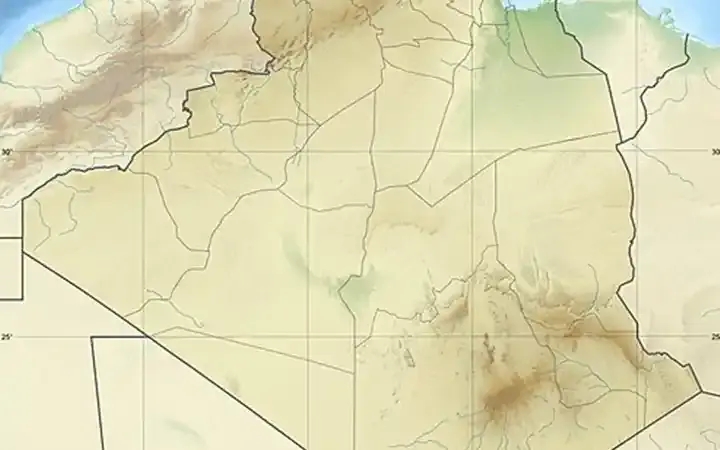
Map of Algeria showing the location of Tlemcen. Photo by Eric Gaba
2. Geography and Population of Algeria
Algeria is the largest country in Africa, covering more than 2.38 million square kilometers. Its terrain stretches from the Tell Atlas Mountains and the Mediterranean coast in the north to the Sahara Desert in the south. This variety of landscapes creates diverse environments, with fertile lands in the north and arid areas covering over 80% of the country.
As of 2024, Algeria’s population was approximately 45.7 million. The population is unevenly distributed: more than 90% live in the coastal areas and northern highlands. The population of Tlemcen Province, located near the Moroccan border, is estimated at over 1.3 million.
3. Economy of Algeria
Algeria’s economy depends mainly on hydrocarbons, which account for roughly 95% of export earnings and 60% of government revenue. Algeria is the tenth-largest producer of natural gas and the sixteenth-largest producer of oil in the world. Other sectors include agriculture (about 13% of GDP), manufacturing, and services. High youth unemployment (around 26% in 2023) and reliance on energy exports pose significant challenges.
Economic Indicators (2023)
1. GDP: US$206 billion
2. Unemployment rate: 12.1%
3. Inflation rate: 7.5%
4. Tourism in Algeria
Tourism in Algeria remains well below its potential. In 2022, only about 3 million tourists visited the country, compared with over 10 million in neighboring Morocco. Contributing factors include limited infrastructure, bureaucratic obstacles, and perceptions about security.
Still, Algeria has vast tourism assets: Roman ruins (Timgad, Djemila), Islamic heritage sites (the Casbah of Algiers, Tlemcen, Ghardaïa), Saharan oases (Timimoun, Djanet), and Mediterranean beaches. The country is investing in cultural tourism, ecotourism, and desert adventures to diversify the economy.
5. Algeria's Cultural Heritage.
Algeria’s cultural heritage reflects a mix of Amazigh (Berber), Arab, Ottoman, and French influences. This blend appears in its architecture, cuisine, music (chaabi, rai), fashion, and festivals. Algeria is home to seven UNESCO World Heritage Sites, including the M'Zab Valley and the Casbah of Algiers.
Tlemcen is a national treasure: its mosques, palaces, and madrasas showcase Hispano‑Moorish art. It has often been called the "Granada of Africa" because of its Andalusian heritage.
6. Algeria's Administrative Division.
Algeria is divided into 58 provinces, each governed by a governor appointed by the President of the Republic. Provinces are further divided into districts and municipalities. Tlemcen is one of the oldest and most historically important provinces, comprising 20 districts and 53 municipalities.
7. The Importance of Tlemcen Province in Algeria.
Tlemcen holds geopolitical, historical, and cultural importance. Located near the Moroccan border, the province serves as a commercial gateway and a spiritual and cultural hub. During the Zayyanid period, Tlemcen attracted scholars, architects, and merchants from across the Islamic world. The province is active in agriculture, textiles, and handicrafts such as leatherwork and pottery. It also houses the University of Tlemcen and several scientific research institutes.
8. Economy of Tlemcen State.
Tlemcen’s economy depends largely on agriculture, especially olive oil, cereals, citrus fruits, and vineyards. The province is part of Algeria’s agricultural crescent thanks to its fertile plains and Mediterranean climate. The Sebdou and Beni Bahdel dams provide essential irrigation.
Textiles, ceramics, and handicrafts add to the local economy. Tlemcen also has a fledgling tourism industry and growing service and construction sectors.
Key Data (2023):
1. Agricultural employment: approximately 45% of the province's workforce
2. Olive production: 90,000 tons annually
3. Regional GDP: approximately US$2.4 billion
9. Tourism in Tlemcen Province
Tlemcen is one of Algeria’s most beautiful and culturally rich destinations. The city’s architecture blends Almoravid, Andalusian, and Ottoman styles.
Main Tourist Attractions:
A. Ksar el‑Mechouar — a 13th‑century Zayyanid fortress featuring intricate tile work and gardens.
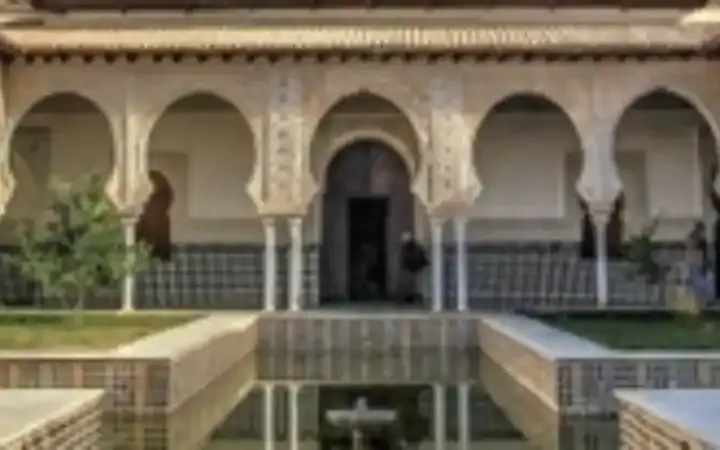
Mechouar Palace, Tlemcen, Algeria
B. The Great Mosque of Tlemcen — built in 1136, an outstanding example of Almoravid architecture.
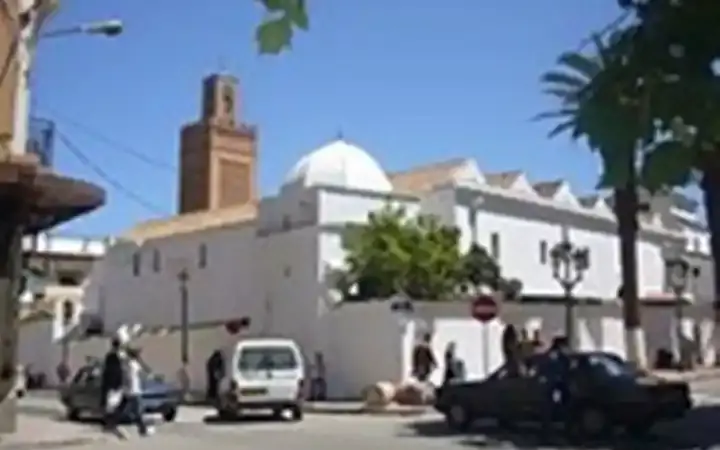
The Great Mosque of Tlemcen was built during the reign of the Almoravid sultan Yusuf ibn Tashfin. Around 1236, Yaghmurasan added a new minaret and dome and rebuilt the courtyard.
C. Sidi Boumediene Complex — the mausoleum and madrasa of the revered Sufi saint.
D. Lalla Setti Plateau — offers panoramic views of Tlemcen and is reachable by cable car.
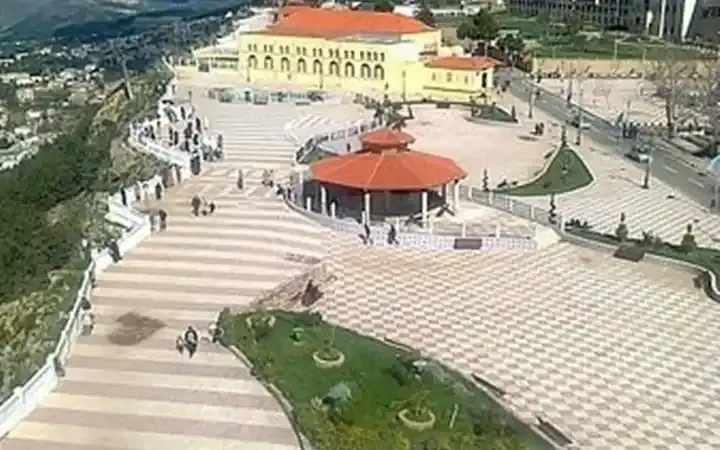
Lalla Setti Plateau
E. Tlemcen National Park — featuring the Ourit waterfalls, caves, and forest trails.
F. Mansoura Ruins — the remains of a fortified city built during the Marinid siege.
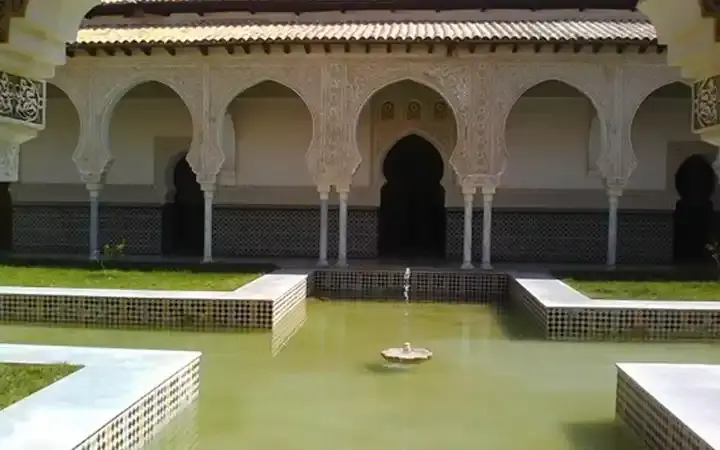
Mansoura Palace, Tlemcen, Algeria
Festivals:
1. International Festival of Andalusian Music (FesTipA)
2. Sufi Cultural Days
3. Date and Olive Festival
Tourism in the province has benefited from hotel expansion, improved transport (Tlemcen Airport), and cross‑border initiatives with Morocco when the border reopens.
10. Activities in Tlemcen.
Tlemcen offers travelers and researchers a mix of experiences:
1. Historical exploration: visit monuments from the Zayyanid and Almoravid eras.
2. Spiritual tourism: explore Sufi shrines and meditation sites.
3. Hiking and nature: discover waterfalls, karst caves, and cedar forests.
4. Cultural immersion: attend music festivals and shop in handicraft markets.
5. Gastronomic delights: sample local specialties such as reshta, mtabaqa, and makrout.
A typical three‑day itinerary:
1. Day 1: Tour Mechouar, the Great Mosque, and the old city.
2. Day 2: Excursion to the Ourit waterfalls and the national park.
3. Day 3: Visit Sidi Boumediene and the local markets.
11. The future of Tlemcen.
Tlemcen’s future depends on sustainable tourism, cross‑border trade, agricultural modernization, and the preservation of cultural heritage. Algeria Vision 2030 projects aim to:
1. Increase annual tourist arrivals to 500,000 by 2030.
2. Digitize heritage sites for education and global access.
3. Expand agricultural exports through trade links between the European Union and the Maghreb.
4. Develop ecotourism and green infrastructure.
Challenges include border closures, youth unemployment, and the pressures of climate change, particularly on water resources. Nevertheless, Tlemcen stands ready to lead a cultural and economic revival in western Algeria.
Conclusion.
Tlemcen embodies a microcosm of Algeria’s rich and varied identity. From Zayyanid ruins and Sufi shrines to olive groves and waterfalls, the province offers a tapestry of experiences that blend spirituality, history, and nature. As Algeria pursues sustainable development and cultural revival, Tlemcen remains a leading tourist destination — a bridge between Africa and Morocco, history and modernity, land and spirit.