Journey To Bosra best reserved Roman theatre ruins in Syria

Located in southern Syria, near the Jordanian border, Bosra is a city rich in history and ancient cultural heritage. It was once the capital of the Roman province of Arabia and flourished as a major stop on ancient trade routes, such as the Via Traiana Nova. Today, Bosra is one of Syria's most prominent archaeological sites, renowned for its remarkably well-preserved Roman ruins, particularly its great theater. The city has witnessed successive civilizations, from the Nabataeans and Romans to the Byzantines and Islamic states, each leaving its own architectural and cultural imprint. Bosra is not just a Roman ruin; it is a living museum that chronicles thousands of years of human history, faith, and innovation.
Recommend
The reason for naming Busra with this name
The name "Bosra" has obscure ancient origins. It is believed to be derived from Aramaic or Nabataean and may mean "fort" or "castle," given the city's defensive nature and strategic location. Bosra was an important commercial and military center in ancient times and appears in numerous inscriptions and historical documents under various names, such as "Bosra Felix" or "Bosra Nabataea." When it became the capital of the Roman province of Arabia, it retained the same name, reflecting the continuity of its identity across the ages. The name "Bosra" was also associated with Islamic pilgrimage, as the city was a prominent stop on the pilgrims' route to Mecca, giving it an additional religious dimension in popular memory. The name carries a spatial and temporal character that combines historical solidity with cultural diversity, a character reflected in the city's unique character to this day.
The Golden Age of Bosra
Bosra experienced its golden age in the 2nd and 3rd centuries AD, when it became the capital of the province of Arabia in the Roman Empire. The city was a political, military, and commercial center, combining elements of power and prosperity. Grand buildings such as a theater, markets, baths, and administrative buildings were constructed, all supported by a sophisticated infrastructure. A large community of merchants and craftsmen from across the empire settled there, making it a multicultural city. It also played an important role in connecting Syria to the southern Arabian Peninsula via the desert trade route. Bosra's prosperity extended into the Byzantine era, continuing as an important religious and cultural center before transitioning to the Islamic era and beginning a new phase of adaptation and development. Bosra's golden age is still evident in the stones of its buildings, its unique architecture, and the testimonies of historians who described it as "a city unlike any other in the East."
The Great Roman Theater: A UNESCO World Heritage Site
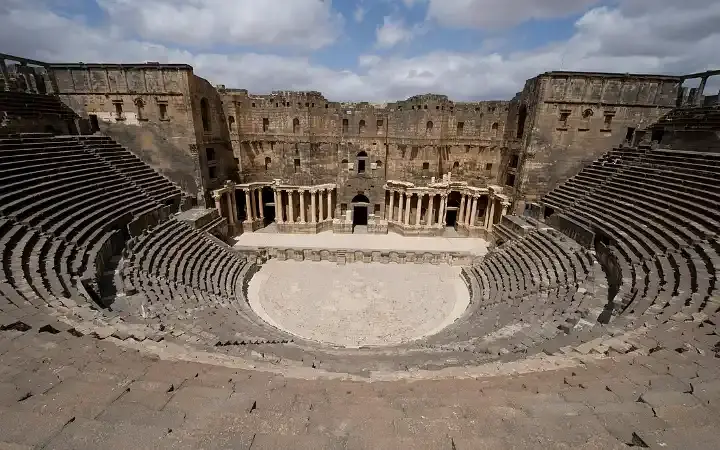
The Roman Theater of Bosra is the jewel of the city and one of the best-preserved Roman theaters in the world. Built in the 2nd century AD during the reign of Emperor Trajan, it could seat approximately 15,000 spectators. The theater is distinguished by its use of local black basalt stone, giving it a unique visual character. Preserved during the Islamic era, it was later converted into a defensive fortress. Large parts of the stage, amphitheaters, and structures still stand, giving visitors a vivid sense of the grandeur of Roman architecture. The theater is occasionally used for artistic performances and festivals, providing an exceptional experience. Listed as a UNESCO World Heritage Site, it embodies the depth of Syrian cultural roots and its importance in the ancient world.
Emperor Trajan and His Role in the History of Bosra
The Roman Emperor Trajan is one of the most prominent figures who influenced the history of Bosra. During his reign (98–117 AD), he annexed the Nabataean Empire to the Roman Empire and made Bosra the capital of the province of Arabia Petraea. This move was strategic, as Bosra represented a gateway to control the trade routes leading to the Arabian Peninsula and the Gulf. Thanks to Trajan, Bosra witnessed extensive urban and economic development, with temples, amphitheaters, and public baths constructed. Its streets were paved and equipped with an advanced water system. The Great Roman Theater was also built, a testament to this prosperous period. Trajan's support for Bosra made it a model for prosperous Eastern Roman cities and a meeting point between Western and Arab civilizations, giving it a unique character in the regional history of the empire.
Black basalt architecture in Bosra
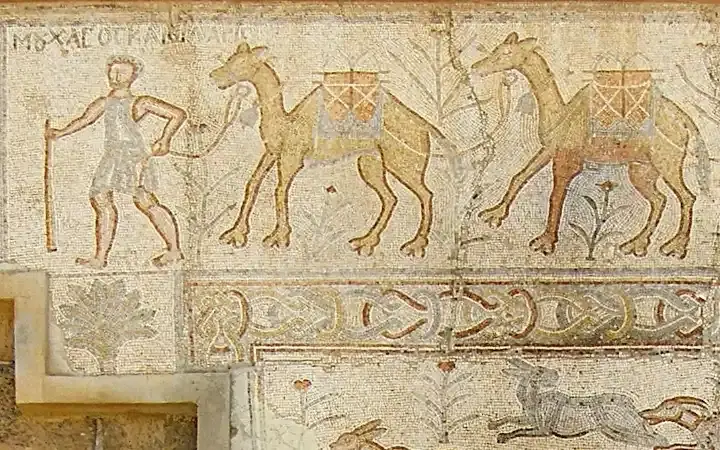
One of Bosra's most striking features is its extensive use of black basalt in construction. This local volcanic stone gave the city a bold and distinctive architectural character. The Romans cleverly used it in their classical designs, blending solidity with beauty. The city's streets, walls, and ramparts reveal a civilization that mastered the exploitation of its natural resources. Even after the Roman era, the Byzantines and Muslims continued to use this stone to build mosques, madrasas, and caravanserais, creating visual and historical cohesion between different eras. Walking through Bosra is like stepping onto a black-and-white historical canvas, the dark color of the stone contrasting with the blue sky and the rays of the rising sun.
Bosra... Between Past and Present
Bosra embodies a unique balance between ancient history and contemporary reality. It is not just a city of ruins and monuments, but a vibrant neighborhood where daily life pulsates. While Bosra's black stones tell the stories of the Romans, Byzantines, and Arab Muslims, its present demonstrates the ability of Syrian communities to coexist with and preserve heritage. Some houses are still inhabited in the neighborhoods near the Roman Theater, and residents live their lives within the walls that witnessed some of the greatest moments of civilizational glory in history. Despite the challenges and conflicts the region has experienced, the people of Bosra have preserved their city, striving to revive its cultural festivals and promote tourism. Today, Bosra is a symbol of resilience and the connection between past and present. Visitors can touch history beneath their feet and hear the pulse of the present in the laughter of children, the sounds of the call to prayer, and the aroma of Syrian coffee in the markets. It is a city that lives in two eras... and embraces them both.
Christian and Islamic influences on the history of Bosra
Bosra is not only a Roman city but also an important religious center that witnessed the convergence of religions. During the Byzantine era, the city became a prominent Christian center, and numerous churches were built, most notably the Bosra Cathedral, one of the first domed churches in history. With the spread of Islam in the seventh century, Bosra transformed into an important Islamic center. Mosques, inns, and madrasas were built, and among its most prominent landmarks is the Mosque of Omar ibn al-Khattab, one of the oldest surviving mosques. This intermingling of Roman, Christian, and Islamic monuments embodies the city's diversity and reflects its cultural and religious depth, making it a unique tourist destination for history buffs and cultural diversity.
Exploring the Old Streets and Inns
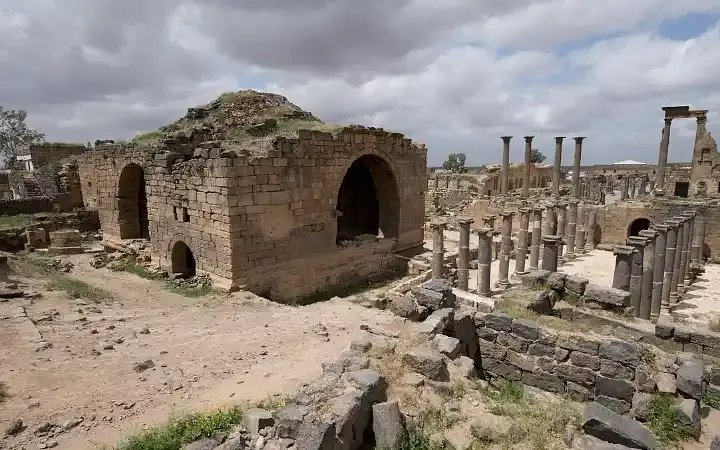
Wandering the streets of old Bosra gives you a sense of stepping back in time. The cobblestone-paved paths lead you to public baths, temples, and ancient markets. Visitors encounter historic inns that welcomed pilgrims and merchants, reflecting the city's significant commercial role on the trade routes that connected the Arabian Peninsula to the Mediterranean. Other landmarks include the remains of an advanced water system, including reservoirs and canals, that ensured the city's water supply in its arid environment. These infrastructures demonstrate the sophistication of urban planning in ancient times. A visit to Bosra is a complete sensory and historical experience that sheds light on the details of daily life in ancient civilizations.
How to Get to Bosra and What to Expect Today
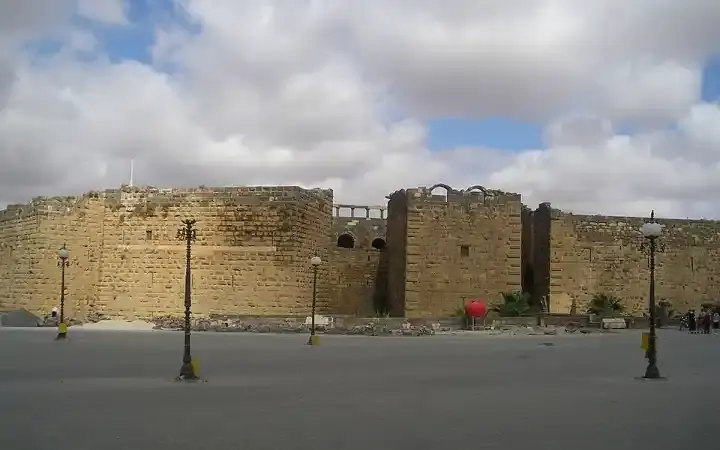
Bosra is located approximately 140 kilometers south of Damascus, and the journey takes approximately two and a half hours by car. The road passes through beautiful rural landscapes and small towns, offering a glimpse into Syrian rural life. Although the city was damaged during recent conflicts, many of its landmarks, particularly the theater, remain intact and open to visitors. The city is undergoing ongoing restoration efforts, and tourism is gradually returning. Basic facilities are available, and accommodation can be found in neighboring cities such as Daraa or Damascus. It is recommended to wear comfortable shoes and sun protection, and to hire a local guide to make the most of your visit. The Bosra experience today is not just an archaeological visit, but a journey into the heart of Syria's cultural heritage.
Festivals and Cultural Events in Bosra
Despite the difficulties it has faced, Bosra continues to celebrate its cultural heritage by organizing festivals and events whenever conditions permit. One of the most prominent of these events is the Bosra International Festival, held in the Roman Theater and attracting artists and musicians from Syria and the Arab world. The festival transforms the theater into a live, creative theater amidst the ruins of ancient civilizations, offering visitors an unforgettable artistic experience. The festival embodies the confluence of past and present, affirming that Bosra remains a vibrant city of culture and arts. These events demonstrate the resilience of the local community and its commitment to passing on the city's heritage to future generations through art, music, and theater.
Best Times to Visit and Travel Tips
The best time to visit Bosra is during spring (March to May) or early autumn (September to October), when the weather is mild and the landscape is lush. Summer can be quite hot, especially when exploring open sites, while nights can be cold in winter. It is advisable to wear comfortable shoes, bring sunscreen, and a hat, as most of the sites are exposed. It is best to take a local guide for a thorough explanation of each site's history. Accommodation is limited in Bosra, but good options are available in nearby towns. Photography enthusiasts will find the city offers great opportunities to capture unique images, especially during sunset, thanks to the unique basalt color hues.