Duhok: A Paradise of Nature and History in Iraqi Kurdistan
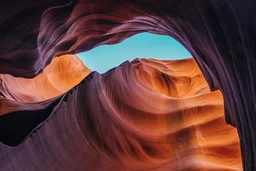
The city of Duhok, located in Iraqi Kurdistan, is a fascinating tourist destination that combines a rich history with stunning natural scenery. Situated in northern Iraq, Duhok is a major cultural and economic center in the region. The city enjoys a temperate climate, making it an attractive destination for visitors year-round. Here is a detailed look at what Duhok has to offer.
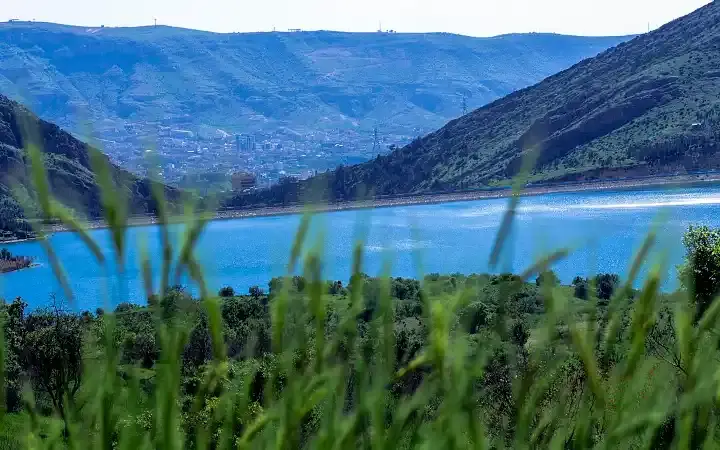
The city of Duhok, in the Kurdistan Region of Iraq, has a deep cultural and historical heritage. Below is a closer look at the origin of its name, its founding, its most prosperous periods, and some of its most notable figures.
The reason for the name Duhok
The name "Duhok" derives from the Kurdish word that breaks down into two parts: "du," meaning two, and "hok," meaning a handful or saa of grain. Tradition says the name comes from an old custom imposed on caravans passing through the area, which required them to pay two saa of grain as a transit fee. Over time the town became known as "Duhok," referring to this ancient levy of "two saa."
Recommend
Who built the city of Duhok?
The exact founder of Duhok is unknown, but archaeological evidence shows the area has been inhabited since prehistoric times. Numerous civilizations, including the Assyrians, the Mitanni, and the Parthians, have occupied or passed through the region. The city took on its modern form during the Islamic and Ottoman periods.
Duhok's Enchanting Nature
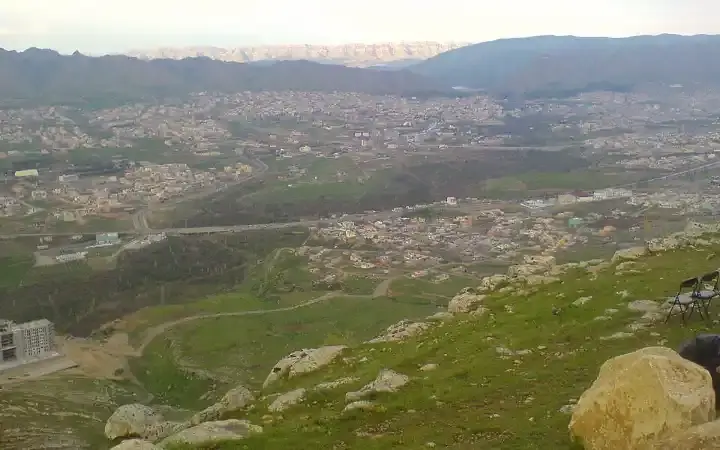
Duhok is ringed by high mountains and dense forests, giving visitors a welcome escape from city life and offering peaceful, picturesque scenery. One of the most popular natural attractions is Lake Duhok, an ideal spot for family picnics and boating. Nearby mountainous areas also host several waterfalls, notably Gali Ali Beg Waterfall. Places such as Mount Zawa and the Sarsink resort draw mountaineers and hikers with marked trails and panoramic viewpoints that are perfect for photography.
The Duhok region is notable for its environmental diversity, where fertile agricultural plains meet mountain woodlands. That variety supports wildlife such as deer and mountain birds, making the area appealing to nature lovers and adventure seekers alike.
Archaeological and Historical Landmarks
Duhok is not just for nature lovers; it also offers a long history stretching back thousands of years. Visitors can explore several archaeological sites in the governorate, including the most notable:
Tell Zakho
Tell Zakho is one of the most important archaeological sites in Duhok Governorate, located near the Turkish border. The site dates to the Mitanni and Assyrian periods, and excavations have uncovered pottery, stone ornaments, and metal tools that reflect life in those times. These finds suggest the site was once a thriving cultural center with commercial and strategic importance. Researchers believe Tell Zakho was part of a network of fortified settlements used to monitor trade and military movements, making it valuable for understanding the ancient history of Duhok and northern Iraq.
Hawzan Cave Archaeology
On the outskirts of Duhok city, Hawzan Cave is one of the region’s prominent archaeological sites, containing prehistoric inscriptions and rock art. Studies indicate the cave was inhabited thousands of years ago and may have served as a place of worship or shelter for early people. Its walls bear engravings of hunting scenes and wild animals, offering evidence of ancient human activity and interaction with the surrounding environment. Hawzan Cave stands as a living record of northern Iraq’s human past and attracts researchers and visitors interested in ancient heritage and archaeology.
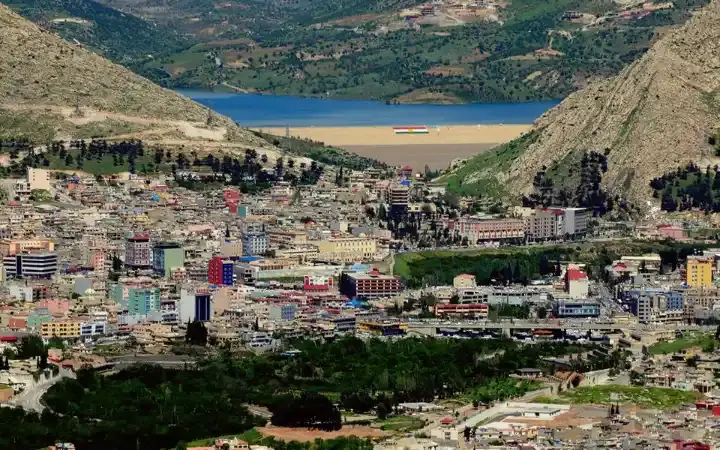
Authentic Kurdish Culture
Duhok has a distinct Kurdish culture that shows in its music, folk dances, and traditional dress. Visitors can attend cultural events held throughout the year, such as the Duhok International Film Festival, which screens films from around the world and provides an important platform for young filmmakers. The Kurdish Heritage Museum is also recommended; it offers insight into daily life, customs, and traditions, and houses a rare collection of traditional tools, costumes, and antique weapons.
The Kurdish language is a prominent cultural feature in the city, and the Bahdinani dialect is commonly spoken. The city also marks national holidays such as Nowruz in spring, celebrated with artistic performances and large public festivities.
Duhok's Most Prosperous Period
Duhok enjoyed notable prosperity during the Assyrian period, when it was part of the greater Nineveh region. It also prospered during the Islamic era, particularly under the Ayyubids and later the Ottomans, when it became an important commercial and agricultural center. In modern times, relative stability in the Kurdistan Region has helped Duhok grow as an economic and cultural hub.
Famous Figures from Duhok
Many notable people from Duhok have made their mark in various fields:
· Fadel Barwari: A prominent military officer in the Iraqi Special Operations Forces, born in Duhok in 1966, who played a significant role in the fight against terrorism until his death in 2018.
· Buland Ibrahim Nasser: A well-known Kurdish artist and singer, born in Duhok in 1977, who has released many albums and songs celebrating Kurdish culture.
· Ammar Kofi: A singer and oud player from Zakho in Duhok Governorate, born in 1991. He is best known for his participation in the program "Arab Idol," where his performances of Kurdish and Arabic songs won public praise.
Markets and Restaurants
Duhok’s markets blend modern shops with traditional stalls. In the Grand Duhok Market you can buy handicrafts, Kurdish carpets, and local spices. The city is known for its hand-woven textiles, made using skills passed down through generations of artisans. Small shops sell decorated pottery and handmade jewelry as well. Dining options include a variety of Kurdish and Iraqi dishes, notably Kurdish kebab, dolma, and biryani. Don’t miss trying Kurdish tea at one of the popular cafés, where it’s served in a relaxed, friendly setting. Among the better-known restaurants are Zawa Terrace, which overlooks the mountains, and Dijlah Restaurant, which offers a traditional dining experience.
Hotels and Accommodation
Duhok offers accommodation to suit a range of budgets. Options include luxury hotels like the Duhok International Hotel, as well as small guesthouses and countryside lodgings. Some mountain resorts are ideal for those seeking to stay surrounded by nature.
Several hotels also offer tour packages that include visits to archaeological and natural sites, helping visitors make the most of their stay. The city provides family-friendly options with good services, including on-site restaurants and shuttle services.
Family Activities in Duhok
Families will find many activities, such as amusement parks and public green spaces like Azadi Park and Zawa Park. Boating on Lake Duhok and guided tours into the surrounding mountains are popular. There are also indoor play centers for children and gaming arcades suitable for all ages. Day trips to nearby villages allow families to experience rural life and traditional cuisine.
Ecotourism and Adventures
Duhok is an excellent destination for ecotourism, with opportunities for forest camping, birdwatching, and challenging mountain hikes. Local groups organize mountain biking and climbing excursions.
The city also hosts annual sporting events, such as the Alpine Race, which attracts athletes from across Iraq and neighboring countries.
Best Time to Visit Duhok
Spring (March to May) is the best time to visit Duhok, when the countryside blooms and temperatures are mild. Autumn is also pleasant, with calm weather and attractive natural colors. In summer, visitors head to mountain resorts to escape the heat, while winter brings snow-capped peaks that appeal to photographers and nature lovers.
Seasonal activities include wildflower tours in spring and Snow Festival events in the highlands during winter, ensuring a rich experience in every season.
Tips for visitors
1. It is preferable to travel by private car to explore the mountainous areas.
2. Wear comfortable clothing suitable for mountainous terrain.
3. Respect local customs, especially in villages and rural areas.
4. Bring a camera to document the natural landscapes and historical sites.
5. Learn some Kurdish words such as "slaw" (hello) and "spas" (thank you) to help interactions with locals.
6. Make sure you have cash on hand, as not all shops accept credit cards.
Duhok is more than a tourist city; it offers a full cultural and natural experience for anyone wanting to discover another side of Iraq’s beauty. It is a lively city that balances past and present, heritage and nature.