









Rasha Hesham Shurbatji: A Syrian Director Well Known In Arab Dramas

Rasha Hisham Sharbatji, born on April 20, 1975, in Cairo, Egypt, is one of the most influential directors and producers in the Arab television industry. With her Syrian and Egyptian heritage, Sharbatji has combined cultural nuance, bold social commentary, and emotionally rich storytelling. She has become a leading voice in contemporary Syrian and Arab drama, pioneering a type of television that fearlessly reflects social issues and resonates with audiences across the region. This article explores Rasha Sharbatji's upbringing, directorial style, advocacy for social causes, and artistic vision.
Childhood and Upbringing:
Rasha was born into a family steeped in the arts. Her father, Hisham Sharbatji, is a renowned Syrian television director who played a crucial role in shaping her career and vision. She grew up between Egypt and Syria, absorbing a variety of artistic influences that later shaped her distinctive style. Before entering television, Rasha worked as a kindergarten teacher in the United Arab Emirates. That experience, though seemingly unrelated to filmmaking, contributed to her understanding of human emotion and interpersonal relationships—qualities essential to her directing. In 1997 she entered the television industry as an assistant director, learning the intricacies of production and storytelling under her father’s guidance.
Recommend

Marjeh Square, Central Damascus
Emerging as a Directorial Force:
Sharbatji began directing in 2003 with a television series titled “The Law, But.” That marked the start of a prolific career that quickly redefined Syrian drama. Her early work was characterized by a commitment to realism and a focus on everyday struggles, particularly those faced by women and marginalized communities.
In 2005 she gained widespread acclaim with the series “Soft Thorns,” which explored the lives of young women confronting societal expectations, gender-based violence, and personal ambition. Through careful direction and character-focused storytelling, Sharbatji established herself as a director unafraid to tackle sensitive topics.
A distinctive style rooted in realism and empathy:
What sets Rasha Sharbatji apart is her relentless focus on the human experience. Her programs are grounded in social realism and often address themes such as poverty, gender inequality, family pressure, political corruption, and intergenerational conflict. She favors authenticity over aestheticization, presenting characters who reflect the diverse—and often harsh—realities of Arab life.
Her 2006 series “Gazelles in the Wolves’ Forest” was a bold exploration of societal decline, where innocence is threatened by rampant corruption. The series worked both as narrative and metaphor for the region’s challenges. With it, Sharbatji cemented her reputation as a filmmaker willing to challenge convention.
Advocating Social Issues Through Art:
Sharbatji’s most famous work, “Time of Shame” (2009), embodies her commitment to advocating social causes through television. The series follows a young woman born out of wedlock and examines the emotional and social impact of shame in conservative societies. Through nuanced performances and thoughtful direction, Sharbatji dissects moral rigidity and invites viewers to empathize with individuals who are often stigmatized.
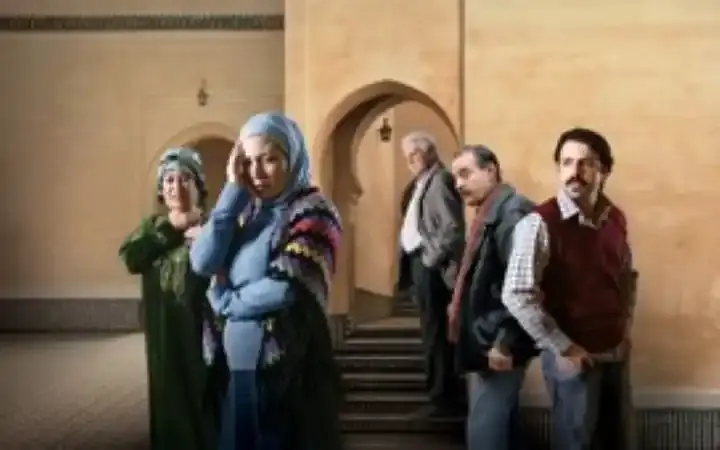
Cover of the series "Zaman Al-Aar"
Her works do not offer easy solutions; rather, they present multilayered stories that stimulate dialogue and reflection. These moral complexities are a hallmark of her work. Even in romantic dramas such as "Tariq" (2018), Sharbatji gives emotional depth and social significance, making them more than simple love stories.
Diversity and Modernization of Arab Drama:
Sharbatji is known for focusing on social issues and has been praised for the diversity of her projects. Her ventures into thriller and romance show a deep understanding of dramatic structure and audience engagement. In the two-part series "Birth from the Hip" (2011–2013), she crafted a gripping crime and morality tale filled with complex characters and psychological realism.
In "Samra" (2016) she portrayed the life of a Bedouin woman and her marginalized community, highlighting poverty, discrimination, and cultural resilience. Her consistent attention to socially marginalized groups is evident throughout her career, and this series was further proof of her inclusive storytelling.
Her recent series show continued interest in the evolving challenges facing youth and identity in modern Arab societies. Through younger characters she explores issues such as cyberbullying, drug abuse, and intergenerational alienation.
Collaborative Spirit and Artistic Vision:
Rasha Sharbatji is known for cultivating strong relationships with her cast and crew. Many actors who have worked with her praise her for creating an environment of trust and creativity. Her sets are described as collaborative spaces where actors are encouraged to fully explore their characters.
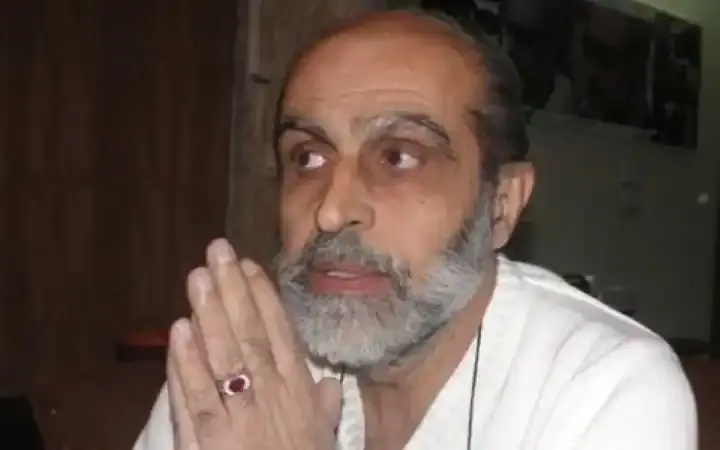
The late director Hisham Sharbatji, Rasha Sharbatji's father
Her artistic vision emphasizes emotional authenticity, often using close-ups to capture subtle facial expressions and internal conflict. She carefully selects color palettes, pacing, and music to enhance each scene’s emotional and thematic tone.
Her works frequently feature strong female characters and are praised for portraying women as complex individuals rather than stereotypes. This feminist approach, while not overtly political, is powerful in its insistence on portraying the realities of women’s lives.
Legacy and Future:
Rasha Sharbatji helped redefine what is possible in Arab television. Through her insistence on realism, emotional depth, and moral complexity, she raised the bar for the medium and provided a platform for stories often left untold. In doing so, she inspired a new generation of Arab directors to approach storytelling with courage and compassion.
With the expansion of streaming platforms in the Arab world, there is significant potential for Sharbatji's work to reach a global audience, since she has created space for truth-telling. Rasha Sharbatji won the Favorite Series Director Award at the fifth Joy Awards for her direction of the series "Wlad Badiaa."
Conclusion:
Although deeply rooted in Arab culture, Rasha Hisham Sharbatji's stories carry universal themes such as identity, justice, love, and resilience. Through her lens she observes Arab society with clarity—its flaws, its beauty, and everything in between. Her work is not just entertainment; it serves as a cultural archive and a call for empathy.
After more than two decades in the industry, Rasha Sharbatji stands as proof of the power of vision, perseverance, and storytelling. Her journey is far from over, and the Arab world—and beyond—eagerly awaits what she will create next.