Shibam City in Yemen: The Oldest Skyscraper City in the World

In the heart of Wadi Hadhramaut in the Republic of Yemen lies the city of Shibam, which has long amazed visitors and researchers with its ancient history and unique architecture. Known as the "Manhattan of the Desert," this city not only resembles American skyscrapers, but also predates them by centuries, making it truly the oldest skyscraper city in the world.
Show key points
- Shibam, located in Yemen’s Hadhramaut Valley, is renowned as the world’s oldest skyscraper city due to its towering mud-brick buildings that predate modern skyscrapers by centuries.
- Its architecture, with over 500 vertical structures made of sun-dried mud, showcases advanced environmental design adapted to resist floods and extreme desert temperatures.
- Constructed on a raised plateau and encircled by walls, Shibam’s strategic location historically positioned it as a hub for trade and culture in ancient Yemen.
- ADVERTISEMENT
- The city was added to the UNESCO World Heritage List in 1982, although it faces ongoing threats from erosion, conflict, and natural disasters.
- Women in Shibam are key to conserving its heritage, contributing to home maintenance, craft traditions, and passing on cultural knowledge to younger generations.
- Despite a fragile economy, Shibam’s residents sustain themselves through traditional agriculture and artisan crafts, blending heritage preservation with modern efforts like online marketplaces.
- Although political instability has hindered tourism, Shibam continues to inspire global architects as a model for sustainable urban design rooted in cultural resilience.
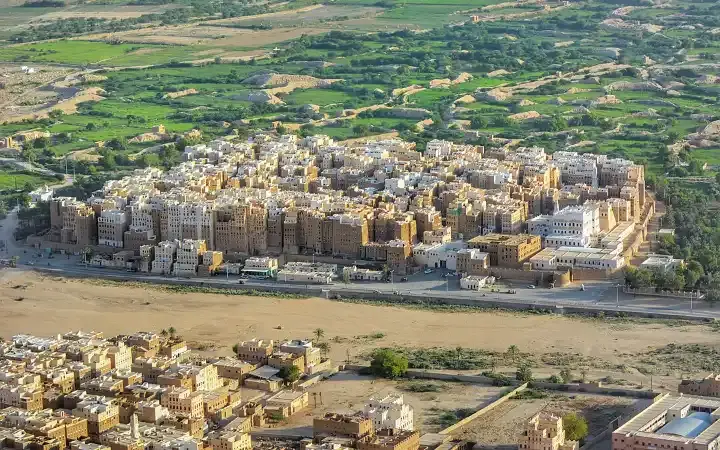
Shibam: Geographically, a strategic location in Hadhramaut.
The city of Shibam is located in the middle of the Hadhramaut Valley, at an elevation of approximately 700 meters above sea level. It is surrounded by a mud wall and sits on a small rocky plateau, helping it withstand torrents and floods—a factor that has proven instrumental in preserving the city throughout the ages. The famous Hadhramaut Valley runs alongside it, making it a meeting point for trade and movement between the various regions of ancient Yemen.
Recommend
Shibam's History: A Centuries-Old Mud Civilization
The origins of the city of Shibam date back to the third century AD, but it flourished remarkably during the fifteenth and sixteenth centuries. Its inhabitants employed innovative construction techniques, constructing mud-brick buildings that reached heights of more than seven stories, making them the first true example of vertical architecture in the Islamic world, and indeed the world as a whole.
Shibam played a prominent role as a cultural and commercial center, flourishing under ancient Yemeni kingdoms such as the Hadhramaut Kingdom, and continuing as a cultural and architectural center until the Islamic era.
Shibam: The Oldest Skyscraper City in the World
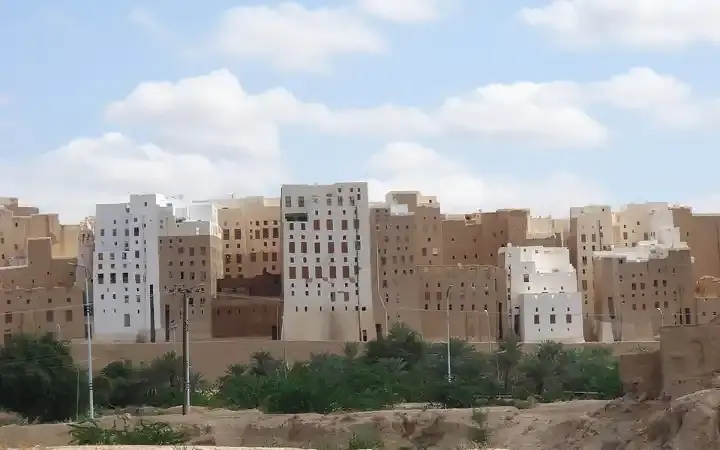
The city of Shibam in Yemen boasts more than 500 residential buildings, built from sun-dried mud, some reaching heights of up to 30 meters. These buildings are still inhabited today, making the city a unique living model that combines authenticity and continuity.
These vertical buildings were constructed to protect residents from tribal raids and floods, while providing as much residential space as possible within the city walls. Thus, Shibam was the first to implement the "vertical city" concept, which later became popular in modern cities.
Shibam Mud Architecture: A Unique Environmental Technology
What distinguishes Shibam is not only the height of its buildings but also its unique architectural style, which relies on mud as the primary building material. These buildings are periodically renovated by residents using techniques passed down through generations, preserving the environment and contributing to the city's sustainability. The clay used has excellent insulating properties, maintaining a comfortable temperature inside the homes in both winter and summer, making Shibam a wonderful example of sustainable architecture adapted to the harsh desert climate.

Shibam's Inscription on the UNESCO World Heritage List
In 1982, the city of Shibam was inscribed on the UNESCO World Heritage List in recognition of its architectural, historical, and cultural value. It was classified as the first city in the world to be built on a system of mud-brick skyscrapers.
UNESCO has repeatedly warned of the threats facing the city, from erosion due to time and flooding, to armed conflict and, at times, neglect. Therefore, it has launched several initiatives in cooperation with the Yemeni authorities to restore and maintain the city and preserve it for future generations.
The Role of Women in Preserving Shibam's Heritage
Although talk about Shibam often revolves around its architecture and urban achievements, Shibam women have played a fundamental role in preserving the city's cultural and social heritage across generations. In a close-knit community like Shibam, women were not merely a background element; they were the heart and soul of the city, contributing to the continuity of life, the inheritance of crafts, and the preservation of the local values that distinguished the city.
Women's contributions to Shibam span a wide range of fields, from managing mud houses in a sustainable manner to passing on knowledge related to the periodic maintenance of mud walls, which requires delicate skills such as wetting walls, mixing clay, and repainting surfaces. Women also work in handcrafting carpets, weaving, and decorating the interiors of houses with engravings and drawings inspired by the local environment.
Shibam women also play a pivotal role in raising new generations to love the city and take pride in its identity. This upbringing often begins at an early age, through folk stories, traditional songs, and participation in religious and social events and occasions held in the city.
In recent years, with the emergence of local and international organizations concerned with heritage protection, Shibam women have become active partners in training workshops and development programs. Some women have received special training in heritage documentation and building maintenance, an important step toward involving all members of society in protecting the oldest skyscraper city in the world.
The role of women in Shibam is no less important than that of any architect or researcher; they are the silent guardians of the memory of the place and the bearers of an intangible heritage no less valuable than the clay used to build the walls.
Shibam's Local Economy: Between Agriculture and Handicrafts
Although Shibam is world-renowned for its mud architecture and as the oldest skyscraper city in the world, the economic side of its residents' lives tells a different story, centered around reliance on traditional agriculture and handicrafts as a primary source of income and survival.
Shibam is surrounded by fertile agricultural lands, intersected by the Hadramaut Valley, which supplies water during the flood seasons. Shibam's residents depend on palm cultivation, a strategic product for the region. Dates are used in local cuisine and sold in nearby markets. Other crops, such as wheat, onions, corn, and seasonal vegetables, are also grown around the city. Agriculture here relies on traditional methods that take into account water scarcity and are adapted to the soil and climate.
In addition to agriculture, Shibam boasts a vibrant community of artisans. Many residents work in handicrafts such as palm-frond baskets, clay pots, and traditional Yemeni daggers, as well as embroidery and jewelry. These products are sold in local markets and were previously exported outside Yemen, especially before the decline in tourism due to political crises.
With few modern job opportunities, the local economy relies primarily on handcrafts and traditions inherited from ancestors. Some youth initiatives have also emerged that attempt to blend heritage with modern technology, such as selling handcrafts online or filming videos introducing the city.
The economy in Shibam is not only a means of livelihood; it is also part of the city's identity. Every local product bears a mark of the history of the oldest skyscraper city in the world and reflects the amazing ability of its people to adapt and survive despite challenges.
Daily Life in Shibam: A Blend of Authenticity and Challenges
Shibam is still a city inhabited by people living in their ancient mud houses. Life in this city has shaped a unique coexistence between people and place, where residents practice traditional crafts such as carpentry, pottery, and engraving, along with agriculture in the valley surrounding it.
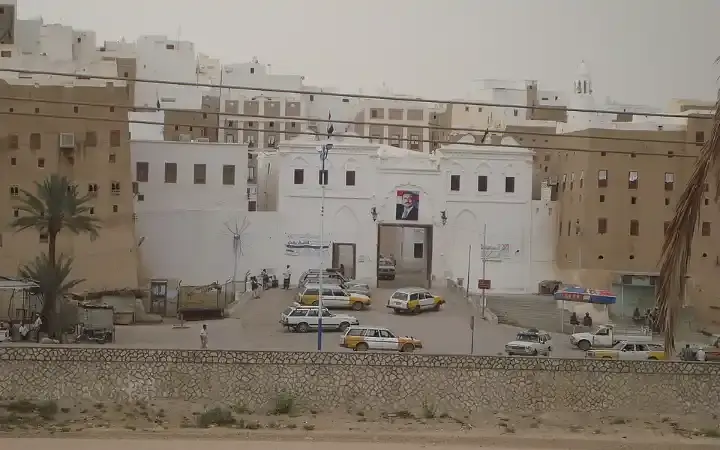
Despite the beauty of life there, the people of Shibam face several challenges, most notably the lack of modern services, the need for constant building maintenance, and the increasing threat of floods that strike the city during certain seasons.
Shibam in the Eyes of Tourists and Researchers
The city of Shibam in Yemen has long attracted the attention of researchers, architects, and even tourists who come to discover its ingenuity of mud and desert architectural beauty. Before the deterioration of the security situation in Yemen, the city was a major stop on cultural tourism trips, and everyone hopes that stability will return so that Shibam can resume its role as one of the most beautiful tourist destinations in the Middle East. It has also been a source of inspiration for many international architects, and its architectural techniques are taught in architecture schools as an early model for sustainable city design.
Cultural and Architectural Context
When we talk about the world's oldest skyscraper city, we're not just referring to height, but to the revolutionary idea of vertical expansion rather than horizontal expansion. This is what makes Shibam a leader in this category. While Western cities rose vertically in the 20th century with concrete and steel, Shibam preceded them by centuries using natural clay, reflecting the progress and innovation of Yemeni people.
Shibam's Present and Future Challenges
Despite its historical significance, Shibam is currently suffering from declining local and international interest, and environmental and security threats that could affect its survival. However, there are scattered efforts to revive the city, including initiatives to preserve its architectural identity and encourage ecotourism and heritage in the future.
With international support and modern technologies, the world's oldest skyscraper city could regain its splendor and status as a unique and significant heritage site.
Conclusion
The city of Shibam in Yemen is more than just a historic city; it is a living testament to architectural and human genius that preceded its time. Here, mud was not merely a building material; it was a symbol of identity, innovation, and resilience. Within its high walls lie the stories of civilizations, and through its narrow alleys, the earth breathes a centuries-old heritage. Despite everything it has been through, Shibam remains an enduring symbol of the world's oldest skyscraper city, waiting for the world to re-engage in its cultural and humanitarian value.