Experience the Nawamis: Prehistoric Wonders in the Desert
ADVERTISEMENT
In the heart of the Sinai Desert, near St. Catherine's Monastery, lies one of the most mysterious archaeological sites in Egypt and the Arab world: the Nawamis. These ancient circular stone structures, dating back more than 5,000 years, stand silently in the desert as a reminder of past civilizations whose
ADVERTISEMENT
origins remain unknown to researchers. Nawamis is not only a destination for history and archaeology enthusiasts; it is a journey into the depths of time, where nature meets silence and stone meets spirit, creating an unforgettable spiritual and historical experience.
Photo by Nikki Somerset - Source: Wikipedia
What are the Nawamis? And why are they unique?
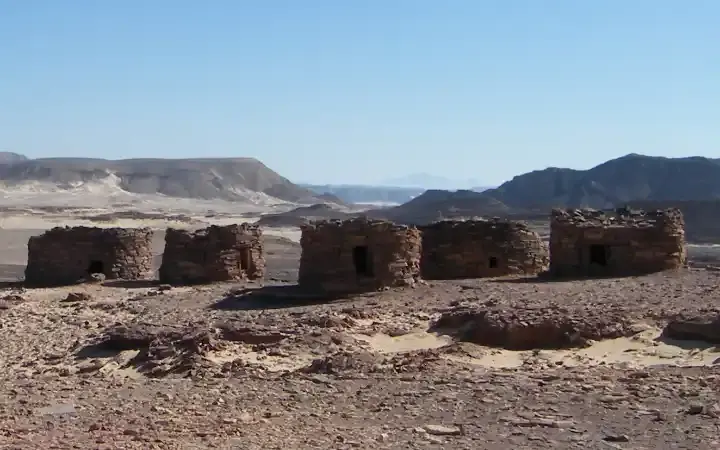
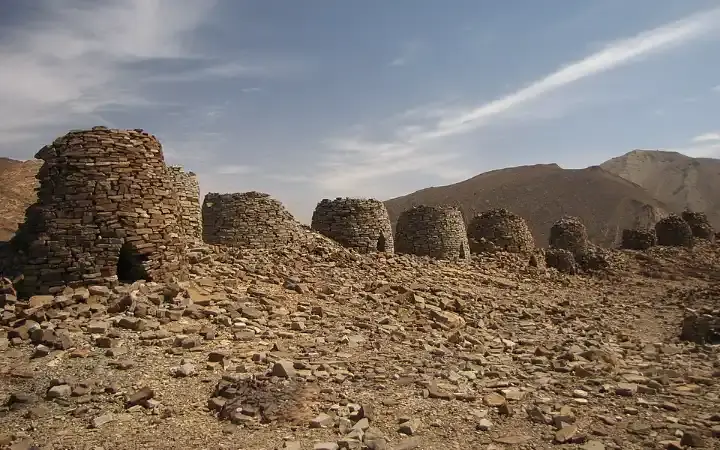
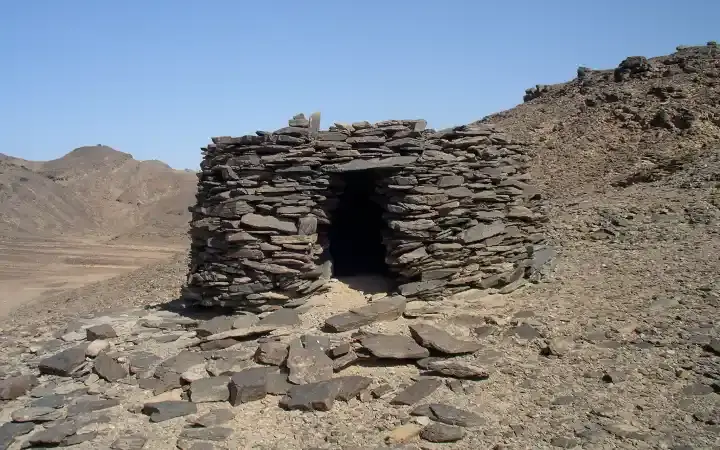
The Nawamis are a cluster of ancient stone structures notable for their circular form and low, domed roofs. They were built entirely of stone, without mortar or adhesive. The builders relied on carefully balanced stone stacking to ensure the structures’ long-term stability. Diameters range from about two to six meters, and most have a single, small, low entrance that gives them a solemn, simple appearance. Despite their age — researchers estimate them at over 5,000 years old — many remain standing, evidence of the builders’ skill. The Nawamis’ design is remarkable for its simplicity and precision, which helped them survive the harsh desert climate. They are more than ruins; they are enduring traces of a mysterious past that deserve further study and reflection.
ADVERTISEMENT
Why they are called "Nawamis"
The name comes from the mystery that surrounds these stone structures and from ancient linguistic meanings associated with the word. In Arabic, the term "namus" derives from the root n-w-m-s, which carries several senses, including law or a hidden natural order. In some older contexts it was used to mean a secret, a revelation, or a universal rule. Because the original purpose of the structures is not clearly known, people came to associate the name with an unknown "namus" — an undisclosed law or purpose.
Some researchers say local Bedouins gave the sites this name because of their stillness and mystery, linking them to notions of death and burial; for a long time they were thought to be prehistoric cemeteries. The name therefore came to evoke awe and respect, reflecting both the antiquity of the structures and their hidden mystery, and they became known in archaeological literature as "al-Nawamis."
ADVERTISEMENT
Mysterious pillars from the distant past
What sets the Nawamis apart is the depth of the mystery around them. Unlike many ancient monuments, these structures bear no inscriptions, symbols, or drawings that identify their builders or explain their function. Archaeologists have found few tools or pottery fragments to offer clear clues, making Nawamis a puzzling case for scientists and explorers. Theories about their use differ. Some think they were burial sites for adults or children, used in funerary rites. Others propose they served as places of worship or as shelters to protect the dead from desert conditions. Some astronomers have suggested that the locations and the orientations of the openings may relate to solar or lunar cycles, giving the sites a spiritual dimension. This unresolved mystery enhances Nawamis’s appeal as a tourist and archaeological destination, where visitors feel the presence of a lost civilization whose secrets remain unread, as if the stones themselves whisper ancient tales.
ADVERTISEMENT
Photo by F I G - Source: Wikipedia
Geographical location: a journey deep into Sinai
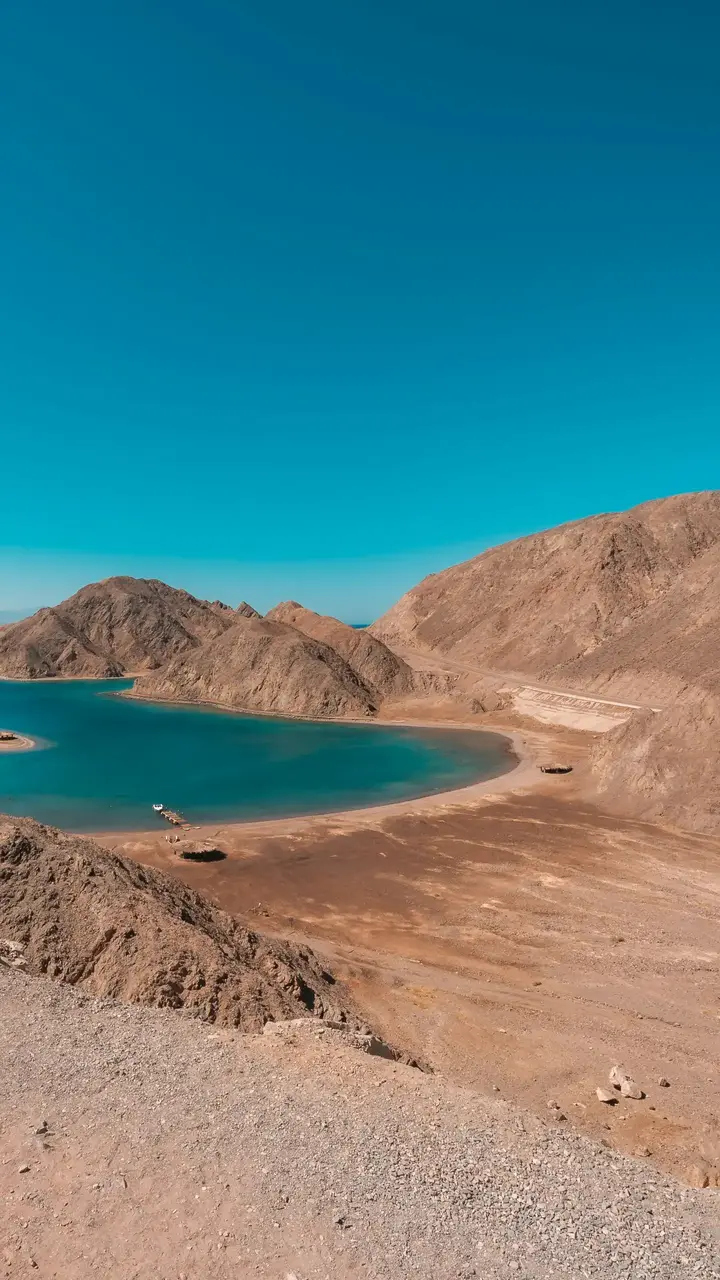
Nawamis sit in a remote, attractive part of the South Sinai desert, along the road that links the towns of Nuweiba and St. Catherine. Their location makes them accessible on organized tours leaving from St. Catherine or on daily four-wheel-drive excursions from Sharm el-Sheikh. The road to Nawamis reveals the desert’s hidden beauty: rocky mountains in shades from red to gray, wide valleys, and stretches of soft golden dunes. The dry, fresh air and the surrounding silence turn the journey into more than a transfer; it becomes an experience in the heart of the wilderness. Arriving at Nawamis gives visitors a sense of solitude and contemplation, a place largely untouched by modern life and still preserving its pristine charm. For this reason, a trip to Nawamis suits nature lovers and travelers seeking an adventure that blends exploration with quiet reflection in a landscape that feels more mythical than real.
ADVERTISEMENT
Who built the Nawamis? Theories and scientific research
Despite their age, the exact identity of the Nawamis’ builders remains unknown. Some archaeologists date the structures to the Early Bronze Age, around 3000 BC. Limited excavations in a few Nawamis revealed human bone remains, supporting the idea that they served as burial sites.
Others argue that the architectural symmetry and construction precision suggest a larger purpose, possibly religious or astronomical. Notably, many Nawamis have doorways facing west, a direction that carries symbolic meaning in many ancient cultures, often associated with death or the setting sun.
Architectural design: desert ingenuity
The Nawamis were built in low, dome-like forms designed to withstand summer heat, winter cold, and the sandstorms common in Sinai. The builders did not use clay or cement; they relied solely on carefully balanced stacks of stones, combining large and small blocks so the structures would remain standing. The result is deceptively simple yet striking architecture that reflects the ingenuity of people who used limited tools and abundant creativity to meet the challenges of their environment.
ADVERTISEMENT
Photo by Sarafida - Source: Wikipedia
Nawamis in the eyes of travelers and explorers
Over the last two centuries, the Nawamis have drawn the attention of travelers and Orientalists. Many European expeditions visited the site in the 19th century and left detailed descriptions, but they raised more questions than answers. Some early explorers thought the structures were Nabataean tombs, while others saw them as ancient Bedouin dwellings. More recent radiocarbon dating has shown they are much older than those periods.
Today tourists and researchers still visit in numbers, each with different curiosities: some seek rare photographs, others hope to feel a connection with the distant past.
The visitor experience: between history and nature
ADVERTISEMENT
Visiting the Nawamis is not just an archaeological outing; it is a sensory and spiritual experience. Standing among these stone circles, surrounded by mountains, you can feel transported beyond time. The silence, the dry air, and the lack of modern signs enhance that impression. Visitors often pause to reflect, to photograph, or to sit in the shade of a nawami and imagine life thousands of years ago in this arid place. Nawamis is an ideal location for desert photography, especially at sunset, when the sun bathes the ancient stones in golden light.
The role of Bedouins in protecting the site
Local Bedouins from the Jabaliya and Muzayna tribes help protect the Nawamis site, and some act as informal guides for visitors. They know the area and its trails well and share stories and legends about the mysterious structures.
ADVERTISEMENT
Cooperation between the Egyptian government, environmental groups, tourism organizations, and local Bedouin communities has helped protect the site from vandalism and illegal digging while promoting sustainable ecotourism.
Challenges in preserving Nawamis
Despite growing interest, Nawamis still needs more official attention for documentation and protection. The absence of signage or interpretive materials makes the site hard to understand for non-specialist visitors. There is also a risk from uncontrolled tourism: an increasing number of unregulated visitors could cause stone erosion or littering. For these reasons, it is important to include Nawamis as a priority cultural destination within the Ministry of Tourism and Antiquities’ plans.
ADVERTISEMENT
Photo by Tara Shtaimer Herbst - Source: Wikipedia
Nawamis as part of Sinai's heritage identity
Nawamis stand as living evidence of prehistoric civilizations in Sinai and represent a unique cultural and human dimension that must not be overlooked. Including the site in tourism campaigns, and eventually seeking World Heritage recognition, would increase the region’s value and restore attention to the rich history of the Sinai Peninsula.
Conclusion: where myth meets science
Nawamis are more than piles of stone. They invite questions, research, reflection, and a connection with ancient times. They remind us that the desert is not empty but filled with stories, symbols, and a legacy still waiting to be decoded.
ADVERTISEMENT
If you seek an unconventional travel experience away from the bustle, one filled with mystery and inspiration, a visit to the Nawamis in the Sinai Desert will be among your most memorable moments.
Eleanor Bennett
ADVERTISEMENT
Fitness Secrets: Tips for an Energizing Daily Routine
ADVERTISEMENT
In a world driven by speed and pressure, maintaining optimal fitness can seem daunting. But what if simple secrets could turn your daily routine into a source of energy and vitality? In this article we reveal practical tips to help you improve your fitness without drastic lifestyle changes or excessive
ADVERTISEMENT
sacrifice.
We'll guide you through setting personal goals, adopting proper nutrition, designing an effective exercise routine, understanding the importance of rest and recovery, and maintaining motivation. Let's embark together on a journey toward days full of energy and activity.
Setting Personal Goals
Photo from Wikimedia
Understanding Your Body's Needs
Every body is different, so understanding what yours needs is the foundation of any successful fitness program. Consider factors such as age, gender, weight, height, and current activity level. It's also important to take into account any health restrictions or past injuries. Knowing these factors will help you choose exercises that suit you and avoid those that could cause harm.
ADVERTISEMENT
Setting Measurable and Achievable Goals
Clear, specific goals keep you motivated. Make your goals SMART: Specific, Measurable, Achievable, Realistic, and Time-bound. For example, instead of saying "I want to be fitter," set a goal such as "I want to be able to run for 30 minutes without stopping within two months." That makes progress easier to track and gives you a clear sense of accomplishment when you reach it.
Nutrition and Fitness
Photo from Unsplash
Nutritional Basics for Energy and Vitality
Nutrition is the fuel that supports your body during both exercise and daily activities. To get the most from your fitness routine, focus on foods rich in protein, complex carbohydrates, healthy fats, vitamins, and minerals. These nutrients help build muscle, boost metabolism, and provide steady energy for your day.
ADVERTISEMENT
Balancing Diet with Exercise
Balancing diet and exercise is crucial. Your diet should match the type and intensity of your workouts. For high-intensity sessions you may need more carbohydrates to fuel energy; if your goal is muscle building, adequate protein is essential for repair and growth.
Designing an Exercise Routine
Choosing the Right Exercises for You
Not all exercises suit everyone. Choose activities based on your goals, fitness level, and any health limits. If you are new to working out, start with low-intensity activities like brisk walking or yoga. If you want to build strength, include resistance exercises such as weightlifting.
Varying Exercises to Prevent Boredom
Varying your exercises keeps you interested and works different muscle groups, improving overall fitness. Change your routine every few weeks, try new activities, or combine strength, endurance, and flexibility work. Variety also reduces the risk of injury from repeating the same movements.
ADVERTISEMENT
Rest and Recovery
Photo from Unsplash
The Importance of Rest in Performance Improvement
Rest is as important as exercise. It allows muscles to recover and rebuild after exertion. Adequate rest prevents fatigue and reduces the risk of injuries. Your schedule should include rest days and breaks between sessions. This supports performance and helps you stay motivated and energetic for future workouts.
Recovery and Renewal Strategies
Recovery strategies are essential: post-workout stretching, yoga, massage, and ice or heat therapy. Good sleep and proper nutrition also speed recovery and replenish energy. These methods reduce soreness and stiffness, improve circulation, and aid muscle healing.
Motivation and Consistency
ADVERTISEMENT
Finding Inner Motivation
Internal motivation keeps you going on days you feel lazy. It can come from wanting better health, reaching a goal like weight loss or muscle gain, or simply feeling better about yourself. Identify what motivates you and use it to keep going.
Overcoming Obstacles and Maintaining Consistency
Everyone faces obstacles—injuries, lack of time, or limited support. Develop strategies to handle them, such as adjusting workouts, finding support groups, or improving time management. Consistency is key to long-term results and making fitness part of your lifestyle.
We hope this guide to fitness secrets has given you the inspiration and information to start or improve your daily routine. Remember, fitness is not merely a goal but a lifestyle that requires commitment, patience, and continuity.
ADVERTISEMENT
Whether you want better health, more energy, or specific athletic performance, the steps here will guide you toward your goals. Start with small steps, be patient with yourself, and remember each day is a new opportunity to improve. May your journey be full of vitality and success.
Lennart Vogel
ADVERTISEMENT
The Bubba Tea Revolution: How the Trendy Drink Captured the World Through the Storm
ADVERTISEMENT
In recent years a new phenomenon has emerged in the world of beverages: the Boba tea revolution. This trendy drink, a blend of tea, milk and assorted flavors, has captured the hearts of young people around the world. Its rise has reshaped the beverage industry
ADVERTISEMENT
and brought Boba tea spectacular popularity. In this article we explore the history of that revolution and how this modern drink swept the globe.
The history of Boba tea: From China to the world
Photo via sam651030 on Pixabay
Boba tea, the beverage that caused a real stir worldwide, comes from a long tea heritage rooted in China. Tea has been an integral part of East Asian culture for centuries. Boba tea is typically made with black or green tea mixed with milk and distinctive flavorings, creating a delicious and engaging experience.
ADVERTISEMENT
According to popular accounts, Boba tea was invented in Taiwan in the 1970s, when young people eagerly embraced the new trend. Within a short time shops selling Boba tea spread across the island and the drink became the talk of the moment. It soon crossed borders and became a must-have beverage in countries around the world.
What set Boba tea apart was its huge variety of flavors and ingredients. Customers can choose from fruity options like strawberry and mango to tart or exotic flavors such as cranberry and more. This wide selection gives Boba tea a distinctive character that suits many tastes.
Over its rise, Boba tea has captivated both young people and adults. Alongside the power of social media, Boba tea brands launched strategic and creative marketing campaigns to draw customers. Those efforts were crucial in spreading Boba tea worldwide and in transforming the beverage industry.
ADVERTISEMENT
There is no doubt that Boba tea has swept the world and become a staple for many young people and adults. Its story is one of innovation and change, and the global tea revolution is far from over — the world of Boba tea will likely see new and inventive variations that continue to make waves.
Boba tea reaches young people: the impact of social media
Photo via Lisanto 李奕良 on Unsplash
Social media has played a major role in the success of the Boba tea revolution, helping introduce the drink to a global audience and encouraging young people to try it. Through social platforms, Boba tea was widely promoted and users shared photos and experiences. That exposure helped form online communities centered on the drink, where people post photos and videos to show their enthusiasm.
ADVERTISEMENT
Continuous interaction on social platforms expanded the Boba tea network and increased its global reach. Encouraging young people to join this social phenomenon helped it spread rapidly. Thanks to these channels, people can share impressions and recommendations, strengthening the virtual communities around the drink.
Social media also influenced young people’s purchasing decisions. Targeted ads and engaging content allowed Boba tea brands to reach their audience and attract attention. Followers learn about new trends and flavors by following brands and influencers, and many users contributed their own content about Boba tea, which further boosted its popularity.
In short, social media has been a primary driver behind the Boba tea revolution. Promotion, interaction and sharing on these platforms helped bring this trendy drink to consumers around the world and turn it into a symbol of youth and innovation. The impact went beyond fame: it also shaped buying behavior and consumer preferences, giving Boba tea an important place in the global beverage market.
ADVERTISEMENT
Unlimited Versatility: Flavors and Ingredients of Boba Tea
Photo via Frank Zhang on Unsplash
The Boba tea revolution is defined by its wide diversity of flavors and ingredients, which set it apart from other beverages. Fans can explore tastes inspired by different cultures and discover refreshing combinations made with special ingredients that add a unique touch to each drink.
Boba tea offers familiar flavors like strawberry, mango and chocolate as well as inventive choices such as coffee, coconut, ginger and caramel. Drinkers can add elements like papaya, vanilla or cocoa to customize beverages to their liking.
Beyond flavors, Boba tea features distinctive components: brewed tea mixed with milk and enhanced by ingredients such as condensed milk, cream, syrups, sweeteners and tapioca pearls. These elements enrich the flavors and give Boba tea its smooth texture and satisfying taste.
ADVERTISEMENT
The vast array of flavors and ingredients is what makes Boba tea so popular among young people worldwide. It offers a creative tasting experience that lets individuals express personal preferences and find combinations that suit them best. Thanks to this variety, Boba tea lovers enjoy a unique and memorable experience that delights the senses.
Boba tea culture: The new urban style
Photo via Jennifer R. on Unsplash
The Boba tea revolution is more than a trendy drink; it has created a new culture around a signature beverage. Young people around the world have moved away from traditional tea customs and embraced a bold new approach. The rise of Boba tea is not just about flavor but about culture and socializing.
ADVERTISEMENT
Thanks to the internet and social media, Boba tea culture spread rapidly. It became easy to share photos and experiences, which helped promote the culture online. Communities exchange recipes, ideas and favorite spots for enjoying Boba tea, keeping the conversation alive.
Boba tea culture expresses youthfulness, style and modernity. The drink often features eye-catching cup designs and creative garnishes, making it visually appealing. Many people care about presentation and enjoy photographing and sharing their drinks on social media, reflecting the new urban aesthetic around Boba tea.
Boba tea is increasingly linked with fashion, music and the arts. It now appears at parties, festivals and art events, where drinks are served in striking designs alongside artists and musicians, adding an artistic touch to the experience.
ADVERTISEMENT
For many young people, Boba tea is more than a beverage: it’s a cultural experience that reflects creativity and the spirit of renewal. The drink has changed not only how people taste tea but also how they connect and participate in a fresh urban scene.
Marketing Strategies: The storm that toppled competitors
Photo via knd61 on Pixabay
The marketing strategies behind the Boba tea revolution were the force that toppled competitors and put this trendy drink at the top of popularity charts. This youth-oriented movement appealed to consumers and achieved rapid success.
Boba tea marketing relied on continuous innovation and constant renewal. One strategy was to offer a broad range of flavors and ingredients to attract diverse tastes. Whether someone prefers fruity, sweet or coffee-flavored drinks, there is a Boba tea option for them. That wide appeal helped increase the drink’s popularity.
ADVERTISEMENT
Alongside flavor variety, brands made inventive use of social media. Platforms were used to promote Boba tea to target audiences and to create engaging content, including by producing music and videos. Well-known brands partnered with artists and celebrities to create creative campaigns that raised awareness and demand.
Another key strategy was to offer a unique customer experience. By designing modern, attractive cafes and shops, Boba tea brands created comfortable spaces that customers enjoy. They also provided customization options, allowing customers to tailor their drinks to personal tastes.
Using these approaches, the Boba tea revolution created a major shift in the beverage market, displacing older competitors and winning the loyalty of young consumers worldwide. Innovative marketing turned a local drink into a global phenomenon.
ADVERTISEMENT
Economic Impacts: The impact of the Boba tea revolution on the beverage industry
Photo via Daria Shevtsova on Unsplash
The Boba tea revolution was not just a popular trend; it had a significant effect on the global beverage industry. Since the arrival of this drink — tea mixed with milk and flavors — consumer demands and preferences have shifted, prompting changes across the market.
As Boba tea grew in popularity, it became a top choice for many young consumers. Beverage companies began to recognize the importance of offering flavors and ingredients that appeal to that audience, and many introduced products similar to Boba tea to meet changing tastes.
This shift affected not only flavors and ingredients but also marketing and promotion. Companies developed campaigns aimed at young consumers and used social media widely to promote new drinks. That increased awareness and demand helped make Boba tea the global phenomenon it is today.
ADVERTISEMENT
Boba tea also created jobs and stimulated economic activity. Numerous shops opened to sell the drink, increasing demand for the raw materials and ingredients needed to prepare it. Boba tea has been added to menus at many restaurants and chains, contributing to employment growth in the sector.
In short, the Boba tea revolution changed supply and demand patterns in the beverage industry. In response to high consumer interest, manufacturers developed new products and marketing strategies. The movement helped boost the economy and create new jobs within the beverage sector.
Photo via viarami on Pixabay
It is clear that the Boba tea revolution has taken hold worldwide, reshaping the global beverage industry. The combination of diverse flavors and ingredients with powerful marketing has made Boba tea a top choice for young consumers everywhere. The history of this remarkable movement is a success story that reflects the influence of youth and social media. We are entering a new era of innovation in beverages, and Boba tea remains a symbol of that ongoing global revolution.