The Jordanian castle of Harrana. The most famous military castle in the Umayyad dynasty
ADVERTISEMENT
The beauty and charm of Jordan
The Hashemite Kingdom of Jordan is one of the most beautiful and renowned Arab countries, known for its unique architecture and the splendour of its climate and landscapes. It boasts impressive cultural and historical attractions that take the breath away, such
ADVERTISEMENT
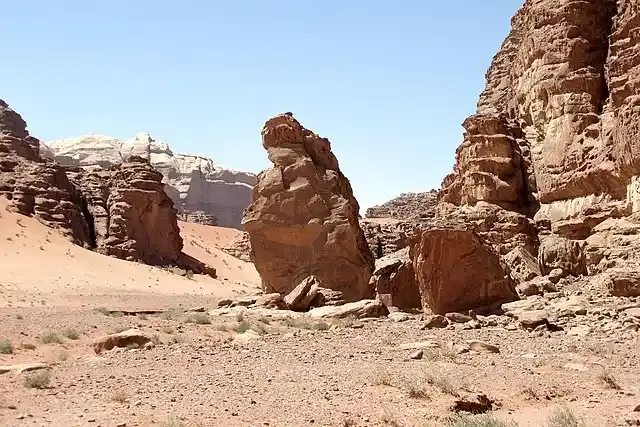
as the city of Petra, as well as beach resorts on the Dead Sea with tourist and therapeutic facilities. Visitors can also explore the Wadi Rum desert, experience desert life, go camping or on safaris, and pursue cultural and historical tourism at sites like the Shrine of the People of the Cave.
This article focuses on a single historical monument from the Umayyad period that has survived to the present: the Durra, Qasr al-Harrana.
ADVERTISEMENT
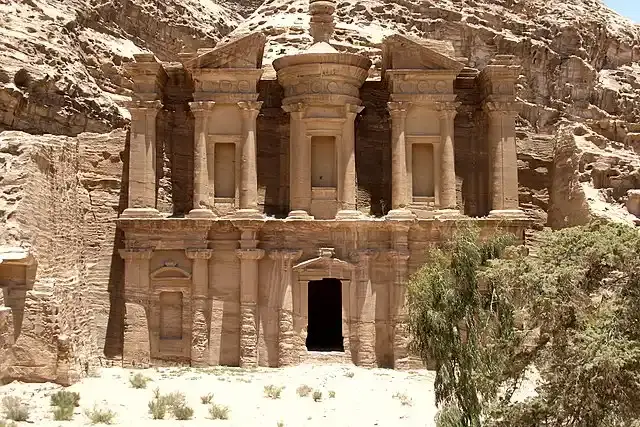
Qasr al-Harrana
Photo from Wikimedia
The large Umayyad castle stands near Jordan's capital, Amman, specifically in the Harrana area among valleys and hills — hence its name. Qasr al-Harrana was built using flint stones, also referred to as freestones, which were commonly used in the region.
The palace was built in 710 AD (92 AH) during the reign of the Umayyad caliph Al-Walid ibn Abd al-Malik. That means it has stood for more than thirteen hundred years and remains largely intact to this day.
Qasr al-Harrana's desert location near Amman makes it easy to reach. Entrance fees are modest, which makes it a popular choice for travellers seeking to combine culture and adventure during a visit to Jordan.
ADVERTISEMENT
Design of Qasr al-Harrana
Photo from Wikimedia
The castle has a square plan, each side measuring roughly 35 metres, and was built from a mix of sand, clay and mud-brick. The original purpose of Qasr al-Harrana remains a matter of debate among researchers.
At each corner of the castle stands a semicircular guard tower with openings of various sizes, from which archers and soldiers could defend the fortress before an attack reached the walls.
Inside the palace are 65 rooms, each with its own shape and decoration, forming a striking blend of Islamic, Greek and Byzantine motifs. These details reflect the skill and creativity of the Umayyad artisans. The effect continues in the orderly corridors and stairways that link the castle's levels, and in the display of heritage pieces and valuable ornaments lining some of the spaces. Although primarily a military structure, the citadel does not lack beauty; its numerous semicircular arches, characteristic of Levantine architecture of the period, are visible throughout the interior.
ADVERTISEMENT
History of Qasr al-Harrana
Photo from Wikimedia
Qasr al-Harrana was built during the reign of the Umayyad caliph Al-Walid ibn Abd al-Malik — the sixth Umayyad caliph — in the sixth year of his ten-year rule. His name and the year of the palace's foundation are inscribed in Kufic script on one of the second-floor room doors.
Restoration and improvement plans carried out by the Jordanian Department of Antiquities are ongoing, and these efforts are expected to increase annual visitation to Qasr al-Harrana as people come to see Umayyad architecture at its best.
Islam Minshawi
ADVERTISEMENT
9 Non-Negotiable Traits You Need to Be Successful
ADVERTISEMENT
Achieving success in life is more about who you become than what you do.
The successful people we read about in Entrepreneur and Forbes are known for their achievements. But those achievements, I promise you, are the result of the character they cultivated. Icons of power, knowledge,
ADVERTISEMENT
and wealth owe their success to a set of shared personal traits.
If you're serious about achieving something extraordinary, start by becoming someone exceptional.
Being Passionate
Photo via Unsplash
When you start something new, you must be its first believer. Before anyone follows you, buys your product, or listens to your message, they need to see that you believe in it. Once that happens, passion spreads like wildfire.
ADVERTISEMENT
Being Responsible
Photo via Unsplash
Who’s at fault when something doesn’t work? Successful people don’t waste time pointing fingers. They learn from failure, take responsibility, and get back to work instead of blaming others.
It's you — not the market, nor your circumstances, nor those who put obstacles in your way — who is responsible for your success. Own your story.
You Don't Have to Be Perfect
Photo via Unsplash
I've met people who see themselves as modern-day saviors and think that will earn them respect. They have no chance. People know you have flaws because they have them too. Own your imperfections, work on yourself, and build a team whose strengths cover your weaknesses.
Being Authentic
ADVERTISEMENT
Photo via Unsplash
It's a buzzword these days, but it's never been more important. People can spot fakes from miles away; all they have to do is Google it! Your honesty with yourself and your passion will go farther than any false advertising ever could.
Authenticity means knowing yourself and sharing that with others, even at risk. Your first goal is always to connect with another person, nothing more, nothing less.
Being Curious and Knowledge-Seeking
Photo via Unsplash
If you want to change the world, be prepared to stick your neck out where you're not supposed to and ask questions people won't like. Curiosity is more than a child's endless "why." It's a trait of someone who challenges authorities and takes a stand for better ways to work and live.
ADVERTISEMENT
Being Flexible
Photo via Unsplash
People who aren't flexible stumble. In my opinion, it's the worst fate: being stuck in a constant rut. Being flexible doesn't mean you're carefree or disorganized. Rather, it gives you the confidence to change plans because, like a skilled sailor, you know how to use the winds to reach your destination.
Discipline and Order
Photo via Unsplash
This is the hardest for me. Eating well, exercising, staying focused — all of these require ongoing, conscious effort. Often the only difference between someone living their dream and someone just dreaming is that the first person endures pain and tough circumstances day after day until the dream becomes reality. Learn how to stop procrastinating in 5 simple steps.
ADVERTISEMENT
Having Self-Confidence and Determination
Photo via Unsplash
If you've ever tried to do something outside the usual box, you know what it's like to hit a wall of rejection. Successful people have tough skin. They've learned the secret that "no" is just dust; if you can withstand the blows long enough to keep searching, you'll eventually start finding those golden "yeses."
You're the first person you need to convince every morning that what you're doing is worthwhile. Be your biggest supporter.
Success isn't magic, but there is a recipe. When you become a person with outstanding traits, success will start to chase you.
Hannah Seidel
ADVERTISEMENT
Discover the hidden superpowers of hedgehogs: nature's little heroes
ADVERTISEMENT
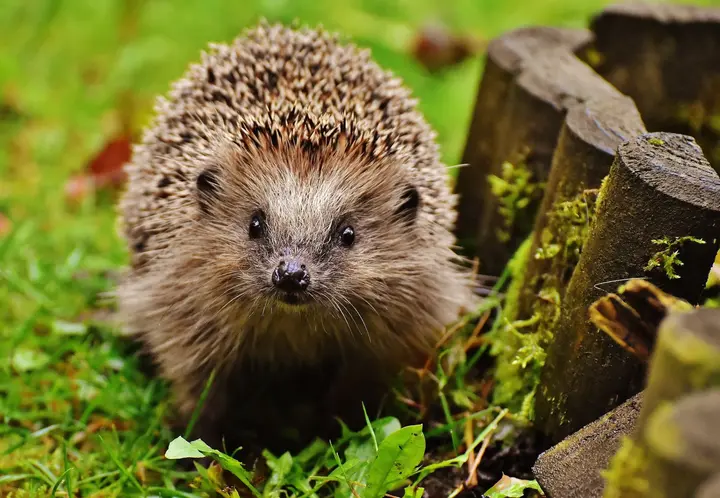
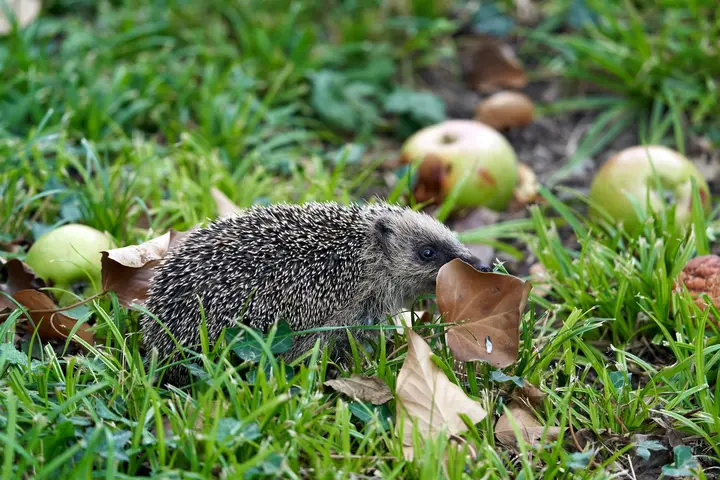
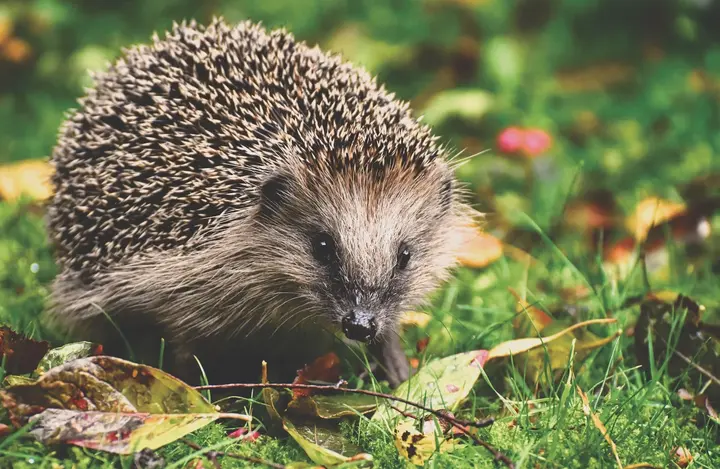
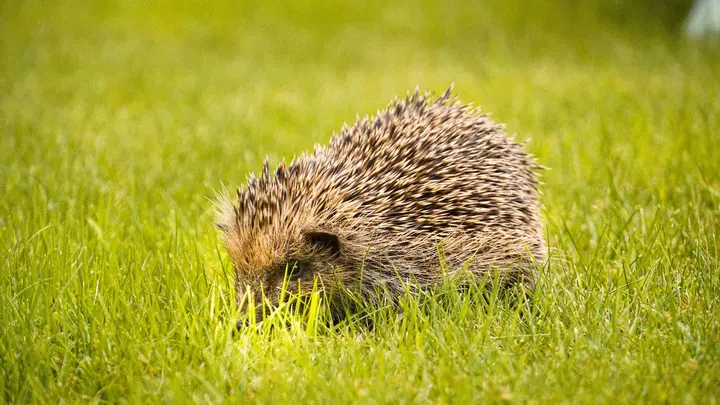
Hedgehogs are small creatures with many hidden superpowers. Despite their size, they have unique qualities that make them nature's little heroes. They are intelligent and well adapted to surviving in harsh conditions. In this article we explore their remarkable abilities and their impact on the surrounding environment.
ADVERTISEMENT
Amazing Adaptability of Hedgehogs in Different Environments
Photo via Unsplash
Hedgehogs are one of nature's wonders, with remarkable adaptability that allows them to live and thrive in a range of environments and adjust to changes in temperature, soil, and available food.
Their ability to cope with temperature changes is notable. They inhabit different parts of the world, from colder regions to hotter areas, and can adjust their physiological responses. In low temperatures, hedgehogs rely on their dense quills to retain body heat. In high temperatures, they cool off by seeking shade.
ADVERTISEMENT
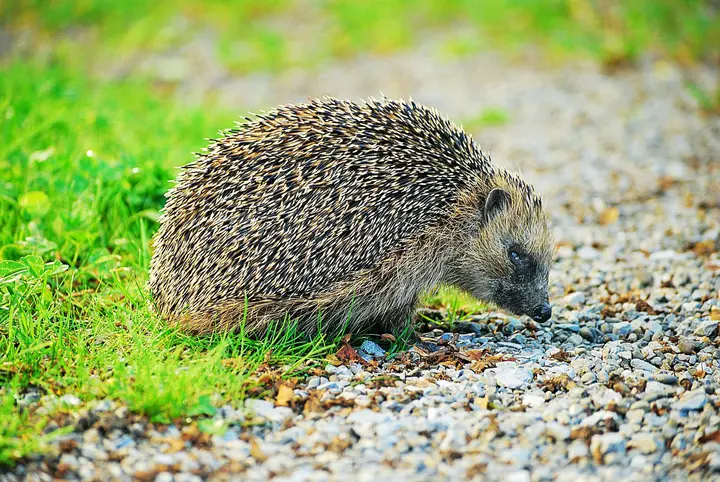
Hedgehogs also adapt to different soil types. Whether the terrain is rocky, sandy, or clayey, they move with ease. This adaptability is due to their foot structure, which features strong toes and sharp claws that help them keep their balance and traverse rocks and soil.
Finally, hedgehogs adjust to the foods available in their surroundings. They use a keen sense of smell to locate food and eat a wide variety of insects, worms, small snakes, fruits, and seeds. This dietary flexibility gives them a steady food supply and helps them stay healthy in different environments.
Defensive Prowess: How Hedgehogs Use Their Quills and Strong Claws for Defense
Photo via Unsplash
When a hedgehog faces danger, its defensive side emerges. Hedgehogs have several ways to protect themselves and fend off predators.
ADVERTISEMENT
First, they have an impressive set of quills used for self-defense. These thorn-like spines bristle and become sharp when needed. When threatened, a hedgehog presents its quills as a visible deterrent to predators. These sharp spines form a formidable barrier that helps hedgehogs repel attackers and stay safe.
In addition to their quills, hedgehogs have strong claws that enhance their defensive abilities. Their claws give them excellent digging and climbing skills. When they feel threatened, hedgehogs curl into a tight ball and use their claws to seal themselves closed. The claws make it harder for predators to penetrate or break through.
The combination of sharp quills and strong claws gives hedgehogs a real chance to remain safe and defend themselves effectively. Although small, they are resilient and difficult for predators to handle.
ADVERTISEMENT
Impact of Hedgehogs on Their Surrounding Environment: How Hedgehog Habits Affect the Local Ecosystem
Photo via Unsplash
Despite their small size, hedgehogs have habits that significantly affect local ecological balance. By feeding on insects, worms, and small rodents, they help regulate these populations and reduce the spread of pests and disease. They also help control mice and venomous snakes.
Thanks to their spiny bodies and dense fur, hedgehogs also play a role in improving soil quality. They help break up the soil, enhance aeration, and retain moisture. This contributes to a healthier environment for plants and supports local biodiversity.
Hedgehogs are also an integral part of the food chain. They serve as prey for many predators, including snakes and birds of prey. In this way they help maintain ecosystem balance and preserve species diversity.
ADVERTISEMENT
We should also note the effect of hedgehog dispersion and reproduction on local environments. As mobile animals, hedgehogs may travel across distances in search of food and suitable breeding grounds. Their movement helps promote balance and biological diversity across different areas.
Hedgehogs as Environmental Indicators: How Hedgehog Presence Can Measure Ecosystem Balance
Photo via Unsplash
The presence of hedgehogs in an area can reveal the state of the environment and the availability of essential resources for other animals. Because hedgehogs feed on a wide range of insects and worms, their presence indicates an adequate food supply and a stable food chain. If hedgehogs can easily find food and continue to reproduce, it suggests a well-balanced ecosystem.
ADVERTISEMENT
Hedgehog populations are affected by environmental health and the availability of natural resources. If the environment deteriorates—such as through loss of green spaces or water contamination—hedgehog numbers may decline. Such a decline can signal the severity of an environmental problem and the need for action to improve conditions and protect wildlife.
Hedgehog presence also reflects biodiversity. A healthy number of hedgehogs may imply a diverse and balanced animal and plant community, which enhances overall environmental quality.
By using hedgehogs as environmental indicators, researchers and biologists can assess how environmental changes affect ecosystems and identify areas that need protection or intervention.
ADVERTISEMENT
Hedgehog Conservation: The Importance of Efforts to Preserve These Creatures and Human Role in Their Protection
Photo via Unsplash
Hedgehogs face significant challenges due to environmental changes and habitat destruction. Conserving and protecting these animals is essential to maintaining ecosystem balance.
Hedgehogs are important elements of the ecosystem, helping to control harmful insects and rodents. With their ability to adapt, they contribute to ecological stability.
However, hedgehogs face serious threats from habitat loss and environmental change. These threats include the destruction of natural sites where hedgehogs live and a reduction in available food. Road accidents also cause many hedgehog deaths.
ADVERTISEMENT
Humans must play an active role in protecting and conserving hedgehogs. We can do this through several measures.
• Preserve natural habitats: Efforts should be made to protect natural habitats for hedgehogs and prevent environmental degradation.
• Build safe pathways: Establish safe corridors for hedgehogs to help them cross roads without the risk of traffic accidents.
• Reduce pesticide use: Limit the use of broad-spectrum pesticides, since hedgehogs feed on many insects that are harmed by these chemicals.
• Awareness and education: Raise public awareness about the importance of hedgehog protection and help people understand their lives and roles in the ecosystem through educational campaigns.
ADVERTISEMENT
• Financial support and guidance: Provide financial support to organizations and institutions that protect hedgehogs and guide efforts and policies in this area.
Photo via Unsplash
In summary, hedgehogs are not just charming small animals; they truly are nature's little heroes. They possess hidden abilities that allow them to adapt to diverse environments and defend themselves in distinctive ways. We must not overlook their importance in ecosystems, since they are indicators of environmental health and need protection. Joint efforts by individuals, governments, and environmental organizations will help preserve these remarkable creatures and continue to reveal the superpowers they possess.