









Bold and spicy: exploring Mexico's rich and diverse food culture

Show key points
- Mexican cuisine is a vibrant blend of indigenous Aztec and Mayan traditions fused with Spanish and global culinary influences.
- Tacos, often filled with various meats, vegetables, and spicy sauces, are a globally popular dish that originated during Mexico’s colonial era.
- Fresh, locally sourced ingredients like avocado, guava, cocoa, and chili play a central role in shaping the rich flavors of Mexican dishes.
- ADVERTISEMENT
- Iconic foods such as tortillas and mole showcase traditional Mexican cooking techniques and the use of diverse natural ingredients.
- The inclusion of spicy dishes like chile relleno, burritos with hot salsa, and spicy moles reflects Mexico's love for bold and intense flavors.
- Traditional Mexican food offers several health benefits, including being high in fiber, rich in nutrients, and typically low in saturated fat.
- Cities such as Oaxaca, Mexico City, and Puerto Vallarta are renowned destinations for experiencing authentic and diverse Mexican culinary traditions.
In Mexico, food culture is among the most diverse and rich in the world. The country is famous for culinary traditions that blend local ingredients with influences from many cultures. From intensely spicy dishes to bold, flavor-filled foods, Mexico offers visitors a unique culinary experience.
History and Traditions of Mexican Cuisine

The history of Mexican cuisine goes back thousands of years and carries influences from ancient civilizations such as the Aztecs and the Maya. These civilizations developed distinctive agricultural techniques and food preparations, which helped make Mexico a famous destination for lovers of good food. Mexican cooking reflects ancient methods and a reliance on the natural materials available in the region.
Recommend
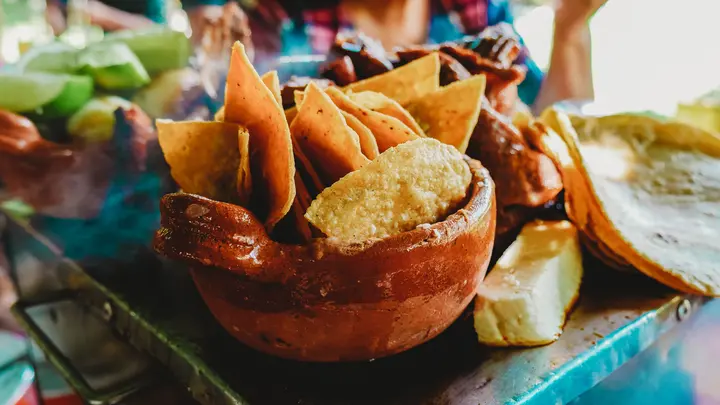
The taco is one of Mexico’s most famous dishes, with origins that predate the colonial era, and it was later influenced by ingredients introduced by the Spanish after colonization. Since then, countless taco varieties have spread across Mexico and influenced global cuisine. Tacos are filled with ingredients such as beef, chicken, fish, seafood, vegetables, unique sauces, and fresh herbs. They are typically served in soft corn tortillas and offer a delicious meal that reflects Mexico’s culinary diversity.
Alongside tacos, Mexico is also known for staples like tortillas and mole. A tortilla is a thin flatbread made from corn or wheat and serves as the base for many Mexican meals. Mole is a rich, complex sauce made from chocolate, chili peppers, herbs, and spices, and it features in dishes such as enchiladas and tamales.
Fresh seafood also plays an important role in Mexico’s culinary heritage. Ceviche, calamari, shrimp, and octopus are among the seafood ingredients used in dishes like ceviche tacos and seafood soups.
In short, Mexico has a long culinary history and enduring traditions. Its wide variety of dishes and ingredients shows the influence of ancient civilizations and centuries of cultural exchange. Visitors often leave happy and satisfied after tasting these unique flavors and traditional foods.
Diversity of Fresh Ingredients in Mexico
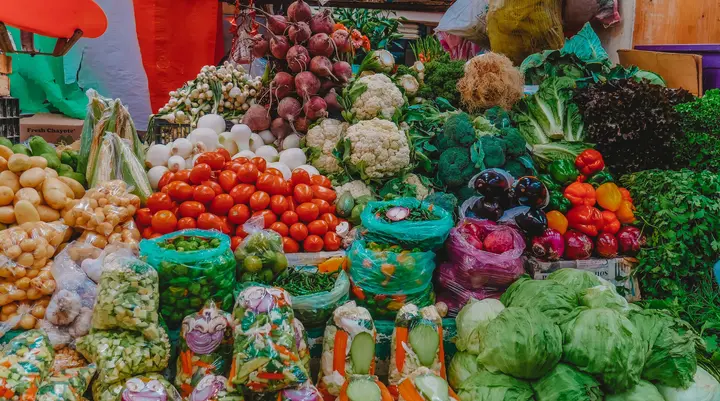
Mexico supplies a wide range of fresh, locally sourced ingredients. The country’s enormous natural diversity yields an abundance of fruits and vegetables year-round. Fertile soils and varied climates allow many plants to thrive, producing a wealth of shapes, colors, and flavors.
This environmental variety includes not only many fruits and vegetables but also rich coastal waters full of fish and clean freshwater sources. Avocado, cacao, chocolate, mango, guava, and chili are notable examples of ingredients widely used in Mexican cuisine. The availability of these fresh products lets cooks prepare flavorful meals that reflect the country’s food diversity.
Thanks to this abundance, visitors are encouraged to explore many delicious dishes. You might dine at a local restaurant serving fresh, original dishes or visit markets to buy fresh produce and traditional ingredients. Either way, cooking and tasting in Mexico is ideal for enjoying distinct, rich flavors that mirror the country’s food culture.
Mexican food culture also reflects a commitment to sustainable agriculture and biodiversity preservation. Government bodies and civil society work to protect Mexico’s food and cultural heritage by promoting organic farming and maintaining traditional agricultural practices.
Various Cultural Influences on Mexican Cuisine
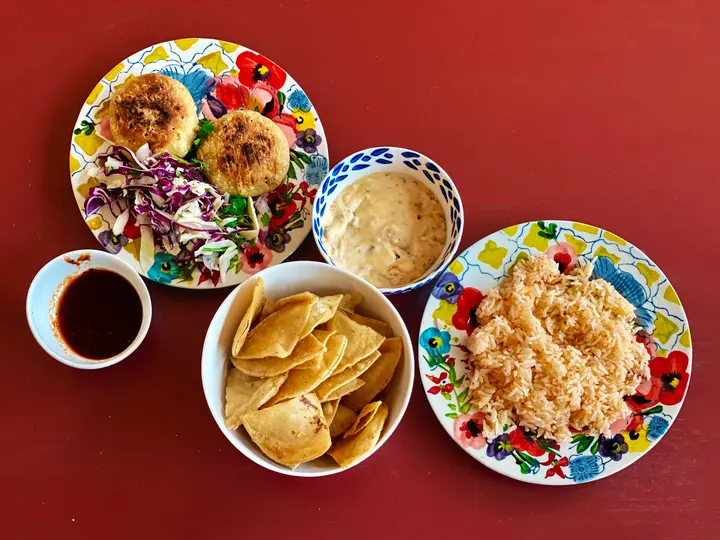
Mexico is a major attraction for tourists not only because of its landscapes and cultural heritage but also because of its remarkable culinary variety. That variety comes from the many cultural influences that have shaped Mexican food over the centuries.
The history of Mexican cuisine traces the different cultural influences that have touched the land. Aztec and Maya traditions, Spanish colonization, and more recent immigrant communities have all contributed distinct elements to the cuisine.
Aztec culinary traditions left a strong mark, especially through the central role of corn in dishes such as tortillas and tacos. The Aztecs also developed methods for drying and preserving meat that influenced later Mexican cooking techniques.
Spanish colonization introduced ingredients and techniques from Europe and other parts of the Americas. Ingredients such as potatoes and various vegetables enriched Mexican cooking, and the blending of Spanish and indigenous methods broadened the country’s culinary repertoire.
Immigration has also added layers to Mexican cuisine. Communities from Lebanon, Japan, China, Korea, and elsewhere brought new cooking traditions and ingredients, including different ways of grilling meats, rice dishes, soy-based flavors, nuts, and a range of spices.
In short, the cultural diversity that shaped Mexican cuisine makes it a true masterpiece combining authentic local traditions with international influences. Eating in Mexico offers a chance to discover the stories behind the dishes that have made the country famous. Are you ready to explore these influences and enjoy Mexico’s rich dining rituals?
Most Famous Spicy Dishes in Mexico
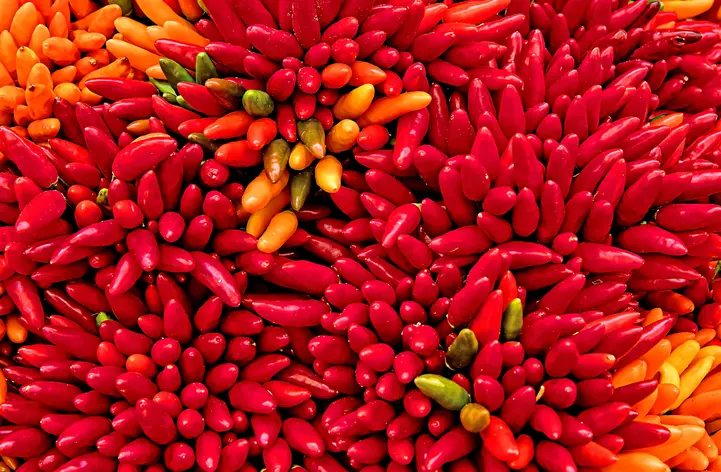
Mexico boasts a long tradition of spicy and flavorful dishes. The variety of chiles, spices, and other ingredients allows cooks to create complex, bold flavors. Here are some of the most famous spicy dishes in Mexico:
1. Spicy Tacos: Tacos are a central Mexican dish and can be made fiery by adding spicy sauces and seasonings such as chili peppers, cilantro, and lime.
2. Chiles Rellenos: Chiles rellenos are a distinctive spicy dish. Peppers are stuffed with minced meat and cheese, then fried until golden and crispy.
3. Spicy Burrito: The burrito consists of a flour tortilla wrapped around meat, chicken, rice, and beans, then dressed with hot salsa and cheese.
4. Mexican Rice: Mexican rice is a popular side dish cooked with tomatoes, onions, chili peppers, and spices to give it a warm, distinctive flavor.
5. Mole: Mole is a famous sauce made from chiles, chocolate, and other spices, giving dishes a rich and spicy-sweet flavor.
6. The Guadalupe: The Guadalupe is a traditional spicy Mexican dish—a crisp base topped with cheese, minced meat, vegetables, and hot salsa.
If you enjoy spicy food, these dishes are essential tasting experiences. Mexico offers a lively array of strong flavors and varied tastes.
Health Benefits of Traditional Mexican Cuisine
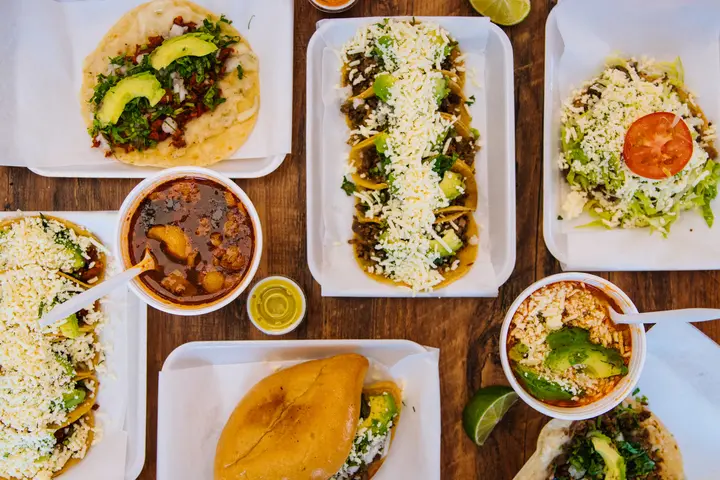
Traditional Mexican cuisine is not only flavorful but can also be good for your health. Beyond its variety and bold tastes, Mexican food offers several nutritional benefits that make it a valuable part of a balanced diet. Here are some key health benefits of traditional Mexican dishes:
1. Rich in Vitamins and Minerals: Mexican dishes include many vegetables, fruits, and legumes that provide essential vitamins and minerals. For example, avocados are high in vitamin E and potassium, while chiles contain vitamin C and iron.
2. Antioxidant Properties: Ingredients such as dark chocolate, red peppers, and cinnamon contain natural antioxidants that help fight free radicals and may reduce the risk of chronic disease.
3. Good Source of Fiber: Traditional Mexican foods are often high in fiber, which supports digestive health. Beans, brown rice, and corn tortillas are examples of fiber-rich staples.
4. Filling Meals: Mexican dishes typically combine protein, healthy fats, and complex carbohydrates, making them satisfying meals that provide steady energy throughout the day.
5. Low in Saturated Fat: Many traditional Mexican preparations are low in saturated fat, which supports heart health and can reduce the risk of cardiovascular disease.
6. Good Protein Sources: Mexican cuisine includes quality protein from chicken, beef, fish, and beans, all of which help with tissue repair and muscle health.
In short, traditional Mexican food is delicious and nutritious. Enjoying its bold, spicy flavors can also be a healthy choice to include in your regular diet.
Best Places to Experience Mexican Cuisine
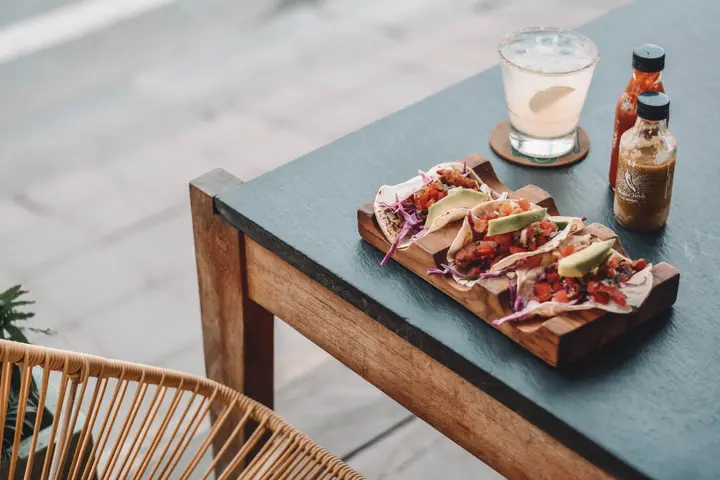
To experience authentic Mexican cuisine, many fantastic places await where you can enjoy an unforgettable culinary journey. Here are some of the best locations in Mexico to savor traditional flavors:
1. Mexico City - The capital is one of the best places to find authentic Mexican food. You can explore a wide range of restaurants and markets offering dishes that reflect the country’s culinary diversity.
2. Oaxaca - Located in southern Mexico, Oaxaca is a must-visit for fans of traditional Mexican cuisine. Local markets offer a diverse range of traditional foods and snacks made with regional ingredients.
3. Puerto Vallarta - On the Pacific coast, Puerto Vallarta is a beautiful destination with many seafood restaurants serving fresh dishes and regional specialties like ceviche and other coastal fare.
4. Puerto Escondido - This coastal town is known for its fresh seafood. You can enjoy ceviche, seafood tacos, and grilled dishes prepared with local catch.
5. Guadalajara - In western Mexico, Guadalajara combines rich cultural traditions with strong culinary offerings. Here you can find traditional foods such as birria and a variety of regional specialties.
6. Mérida - On the Yucatán Peninsula, Mérida is an excellent place to explore Yucatecan cuisine. Try dishes like cochinita pibil, tostadas, and other local specialties.
No matter where you go, experiencing Mexican cuisine is an unforgettable journey through bold, authentic flavors that reflect the nation’s heritage and diversity.
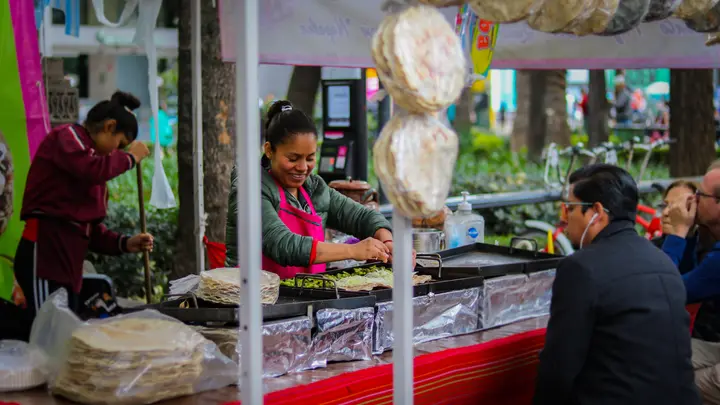
Mexican cuisine embodies a rich and diverse food culture that tells the story of the country’s history and heritage. From spicy, colorful dishes to unique ingredients and bold flavors, Mexican food is an adventure for anyone who enjoys exploring new tastes. If you want to taste delicious dishes and discover a culture through its cuisine, visiting Mexico will not disappoint.