سيارتك الذكية القادمة: هل التكنولوجيا الجديدة تجعل القيادة أكثر أمانًا أم تعقيدًا؟
ADVERTISEMENT
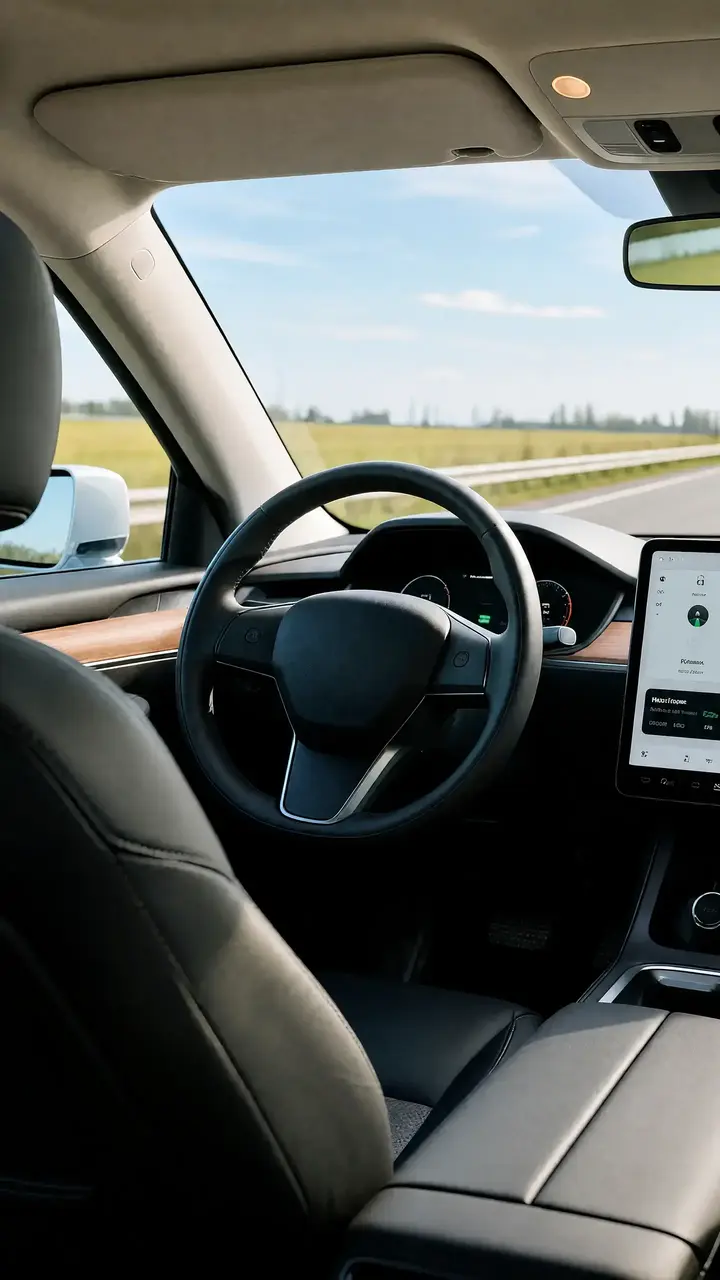
مع كل جيل جديد من السيارات، يزداد اعتمادنا على التكنولوجيا بشكل لم يكن متخيّلًا قبل سنوات قليلة. من أنظمة الملاحة المتطورة إلى القيادة الذاتية، أصبحت السيارات الذكية تمثل مزيجًا من الراحة والتعقيد، فهل نحن أمام حقبة من الأمان في السيارات، أم أننا نقترب من مرحلة تفقد فيها القيادة بساطتها؟ هذا
ADVERTISEMENT
السؤال أصبح أكثر إلحاحًا في ظل تسارع التطور في تقنيات القيادة الذاتية وتكامل الذكاء الاصطناعي ضمن المركبات.
في هذا المقال، سنستعرض كيف غيّرت التكنولوجيا مفهوم القيادة، وما الذي يحمله مستقبل التنقل، وهل ستبقى القيادة متعة شخصية أم تتحول إلى مهمة يديرها الحاسوب؟
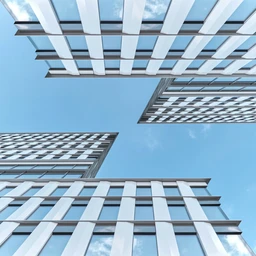
الصورة بواسطة mstandret على envato
أولًا: ما المقصود بالسيارات الذكية؟
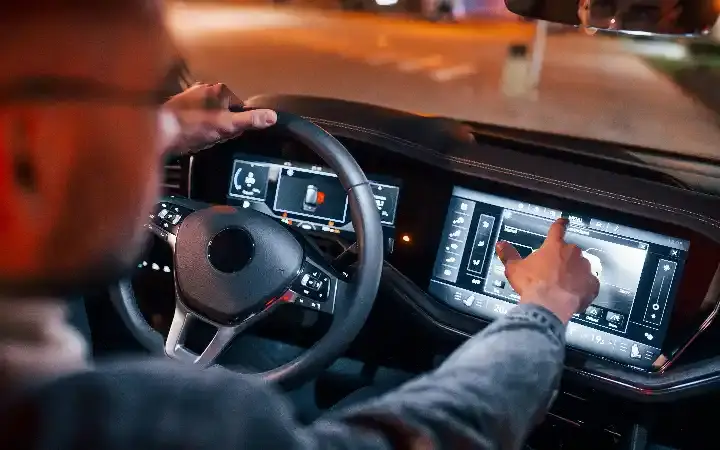
تُعرف السيارات الذكية بأنها مركبات مزودة بأنظمة إلكترونية وذكاء اصطناعي تتيح لها اتخاذ قرارات مستقلة أو شبه مستقلة أثناء القيادة. تشمل هذه الميزات:
ADVERTISEMENT
مساعد القيادة الآلية
أنظمة الكبح والتوجيه التلقائي
التفاعل مع الأجهزة الذكية الأخرى
مراقبة السائق وتحليل سلوكه
التحديثات البرمجية عبر الإنترنت (Over-the-Air)
وليست هذه المزايا رفاهية بحتة، بل تُطرح بوصفها أدوات لتحسين الأمان في السيارات، والتقليل من الأخطاء البشرية.
ثانيًا: تقنيات القيادة الذاتية… إلى أين وصلت؟
تُصنّف تقنيات القيادة الذاتية إلى 6 مستويات حسب جمعية مهندسي السيارات (SAE):
المستوى 0: لا توجد أتمتة – السائق يتحكم بالكامل.
المستوى 1: دعم بسيط (مثل الحفاظ على المسار أو تثبيت السرعة التكيفي).
المستوى 2: أتمتة جزئية – السيارة يمكنها التوجيه والكبح ولكن تحت إشراف السائق.
المستوى 3: أتمتة مشروطة – يمكن للسائق أن يرفع يديه في ظروف معينة.
المستوى 4: أتمتة عالية – لا حاجة للسائق في مناطق محددة.
المستوى 5: أتمتة كاملة – لا يوجد مقود أو دواسات.
ADVERTISEMENT
حاليًا، معظم السيارات التجارية تدور بين المستوى 2 و3، مثل سيارات تسلا ومرسيدس EQS، التي يمكنها القيادة الذاتية جزئيًا في الطرق السريعة.
الصورة بواسطة mstandret على envato
ثالثًا: التكنولوجيا تزيد من الأمان… ولكن؟
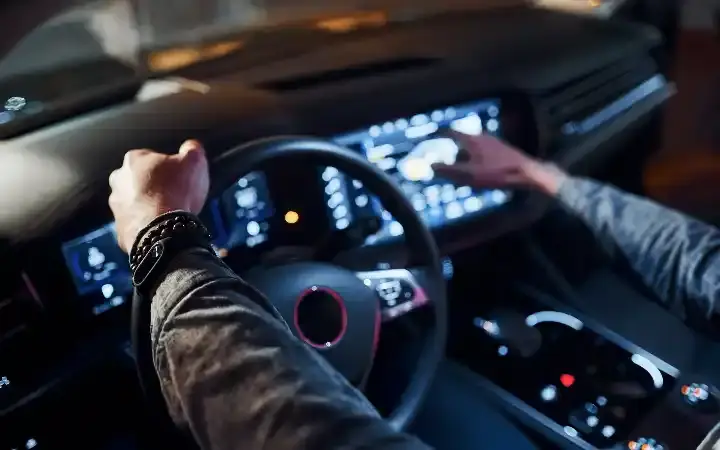
لا جدال أن إدخال التكنولوجيا إلى عالم السيارات حسّن جوانب كثيرة من الأمان في السيارات:
الفرملة التلقائية عند الطوارئ (AEB) تقلل من نسب التصادم الخلفي.
أنظمة تنبيه النقطة العمياء تمنع حوادث التغيير المفاجئ للمسار.
الرؤية الليلية بالأشعة تحت الحمراء تمنح السائق قدرة رؤية فائقة في الظلام.
التنبيه عند النعاس أو التشتت تساعد في تقليل الحوادث بسبب الإرهاق.
لكن هذه التكنولوجيا ليست معصومة من الأخطاء، وأحيانًا قد:
تُعطّل بسبب خلل برمجي أو ظروف مناخية (كالمطر الكثيف).
تعتمد على بيانات غير دقيقة من الحساسات.
تربك السائق عند فشل النظام في التنبؤ بالحالة.
ADVERTISEMENT
بالتالي، التقنية وحدها لا تكفي إذا لم يكن السائق واعيًا ومُدرّبًا على استخدامها.
رابعًا: التكنولوجيا تخلق تعقيدًا جديدًا
رغم النوايا الطيبة للتكنولوجيا، فإن التعقيد التقني بات تحديًا حقيقيًا. ومن أبرز التحديات:
الاعتمادية المفرطة: عندما يثق السائق بشكل مفرط بالنظام ويقلل من انتباهه.
كثرة التحذيرات والتنبيهات: يمكن أن تؤدي إلى إرهاق معرفي (Cognitive Overload).
الصيانة الباهظة: أعطال الإلكترونيات قد تكون مكلفة وتحتاج إلى تقنيين مختصين.
الخصوصية والبيانات: السيارات الذكية تجمع بيانات عن السائق وموقعه وسلوكه.
وهنا يتساءل البعض: هل تحولت السيارة من وسيلة نقل إلى جهاز كمبيوتر متحرّك مليء بالتعقيدات؟
خامسًا: مستقبل التنقل في الشرق الأوسط
تتجه دول الشرق الأوسط، وخاصة الخليج، نحو تبني مستقبل التنقل الذكي بسرعة:
ADVERTISEMENT
الإمارات تختبر سيارات أجرة ذاتية القيادة.
السعودية تدعم مشاريع المدن الذكية مثل "نيوم"، حيث تُعتمد مركبات بدون سائق.
قطر والبحرين بدأت بتجهيز البنية التحتية لشبكات 5G لدعم السيارات المتصلة.
لكن البنية التحتية لا تزال بحاجة إلى تطوير شامل كي تدعم هذه الأنظمة بسلاسة، خصوصًا فيما يتعلق بالتشريعات، وتدريب الفنيين، وتهيئة السائقين لفهم الأنظمة الذكية.
الصورة بواسطة Visual Production على envato
سادسًا: هل نحن مستعدون ثقافيًا وتقنيًا؟
في عالمنا العربي، لا تزال هناك فجوة ثقافية وتقنية تعوق التبني الكامل للسيارات الذكية:
غياب الوعي: كثير من السائقين لا يدركون إمكانيات السيارة التي يمتلكونها.
ضعف التدريب: لا تشمل دورات القيادة أساسيات التعامل مع التقنيات الحديثة.
التفاوت في الدخل: ارتفاع أسعار السيارات الذكية يجعلها حكرًا على فئة محدودة.
ADVERTISEMENT
لذلك فإن التحول إلى مستقبل القيادة الذكية يتطلب مسارًا متكاملًا: تحديث للبنية التحتية، ورفع الوعي، وتوفير حلول تمويلية.
سابعًا: متى تصبح السيارات ذكية حقًا؟
يمكن اعتبار السيارة "ذكية" بحق عندما:
تفهم السائق وتتكيف مع سلوكه.
تتحدث مع باقي المركبات (V2V) والبنية التحتية(V2I).
تتعلّم من كل رحلة وتُحسّن أداءها تلقائيًا.
تُسهّل الحياة بدل أن تُعقّدها.
والأهم من كل ذلك، أن تكون التكنولوجيا "خادمة" للسائق لا "متسلطة" عليه.
خاتمة: التوازن هو المفتاح
التحول نحو السيارات الذكية أمر لا مفر منه، ويعد بقفزة نوعية في مستقبل التنقل. لكنه أيضًا يفرض علينا مسؤوليات جديدة: كتعلم التعامل مع التكنولوجيا، ومراقبة مدى تأثيرها على الأمان في السيارات، وفهم متى يمكننا الاعتماد عليها، ومتى ينبغي أن نستعيد زمام القيادة.
ADVERTISEMENT
هل التكنولوجيا تجعل القيادة أكثر أمانًا؟ نعم، ولكن فقط إذا تعاملنا معها كأداة، لا كبديل للعقل البشري.
ياسر السايح
ADVERTISEMENT
لماذا كان الأباطرة الصينيون يذهبون إلى قاعة الصلاة من أجل المحاصيل الجيدة للدعاء بحصاد وفير
ADVERTISEMENT
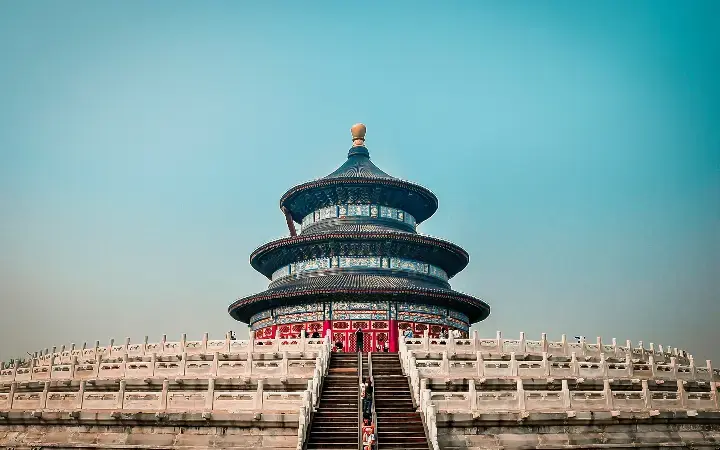
كان الأباطرة الصينيون يذهبون إلى قاعة الصلاة من أجل المحاصيل الجيدة ليصلّوا من أجل محاصيل جيدة. قد يبدو ذلك تكرارًا يكاد يكون ساذجًا، لكن التكرار هو المقصود، لأن اسم المبنى ووظيفته ودوره السياسي في بكين الإمبراطورية كان يُراد لها أن تتطابق تمامًا.
توجز اليونسكو الأساسيات بوضوح: معبد السماء مجمع إمبراطوري
ADVERTISEMENT
للقرابين يعود إلى القرن الخامس عشر في بكين، بُني أول مرة عام 1420، واستخدمه أباطرة أسرتي مينغ وتشينغ في الطقوس الكبرى، وهو مُدرج على قائمة التراث العالمي. وهذه الحقائق مهمة في حد ذاتها. لكنها تزداد أهمية لأن هذا المكان لم يكن يومًا مجرد نصب جميل أُلقي داخل مخطط المدينة.
صورة التقطها فيكتور هي على Unsplash
لماذا تهم هذه الصياغة الواضحة أكثر مما يبدو
كانت قاعة الصلاة من أجل المحاصيل الجيدة المكان الذي يؤدي فيه الإمبراطور الطقوس السنوية طلبًا للوفرة الزراعية. لا وفرة رمزية بمعناها الحديث الفضفاض، بل حبوب فعلية، وفصول فعلية، ونظام فعلي في إمدادات الغذاء للإمبراطورية.
ADVERTISEMENT
في الفكر السياسي الصيني الإمبراطوري، لم يكن الإمبراطور مجرد حاكم لديه جيش وبلاط. كان يُفترض به أن يعمل وسيطًا بين السماء والعالم البشري. وإذا بدا ذلك دينيًا، فهو كذلك. وإذا بدا سياسيًا، فهو كذلك أيضًا.
وهنا يكمن ما يفوته القراء المعاصرون كثيرًا. فعبارة «الصلاة من أجل محاصيل جيدة» لم تكن لغة تزيينية، على نحو ما قد يحمل مبنى اليوم اسمًا تاريخيًا فخمًا. لقد كان يُنظر إلى هذه الطقوس باعتبارها عملًا من أعمال الدولة. وكان على الإمبراطور أن يؤديها على الوجه الصحيح لأن الحكم الرشيد، والنظام الكوني، والرفاه الزراعي كانت جميعها مترابطة.
وغالبًا ما يشرح مؤرخو الصين في أواخر العهد الإمبراطوري ذلك بعبارات مباشرة جدًا: كانت شرعية الحكم تعتمد على الحفاظ على الانسجام بين السماء والأرض والنظام البشري، وكانت الطقوس إحدى المسؤوليات العامة الرئيسية للإمبراطور. ولذلك، حين كان الإمبراطور يذهب إلى هناك ليصلي من أجل محاصيل جيدة، لم يكن يخرج لممارسة تعبّد خاص. لقد كان يؤدي جزءًا من وظيفة كونه إمبراطورًا.
ADVERTISEMENT
كان هذا من شؤون الحكم، لا فعل إيمان هادئًا
توقف عند ذلك لحظة. كانت المراسم السنوية في معبد السماء مرتبطة بالقاعدة الزراعية للإمبراطورية، وهي طريقة مباشرة للقول إن حياة معظم الناس كانت تعتمد على المحاصيل. ولم يكن فشل الحصاد مجرد مشكلة اقتصادية. بل كان يمكن أن يُقرأ علامة على أن الحاكم فقد رضا السماء.
يُلخَّص هذا أحيانًا بمفهوم «تفويض السماء»، لكن العبارة قد تبدو مجردة إذا تركتها عند هذا الحد. وفي الممارسة العملية، كان معناها أن شرعية الإمبراطور مرتبطة ببقاء العالم في حالة انتظام. وكانت الطقوس الموسمية إحدى الوسائل التي تجعل الدولة بها هذا الادعاء مرئيًا.
شُيِّد مجمع معبد السماء في عهد أسرة مينغ، واستمر استخدامه في عهد أسرة تشينغ. وأصبحت قاعة الصلاة من أجل المحاصيل الجيدة أشهر مبانيه، لكن المقصود هنا ليس الشهرة الزخرفية. بل إن المقصود هو أن المبنى كان قائمًا داخل منظومة عُدَّت فيها الطقوس الإمبراطورية، والزمن التقويمي، والأمن الغذائي حقائق مترابطة.
ADVERTISEMENT
اللحظة التي يكف فيها الشارع عن أن يكون مجرد شارع
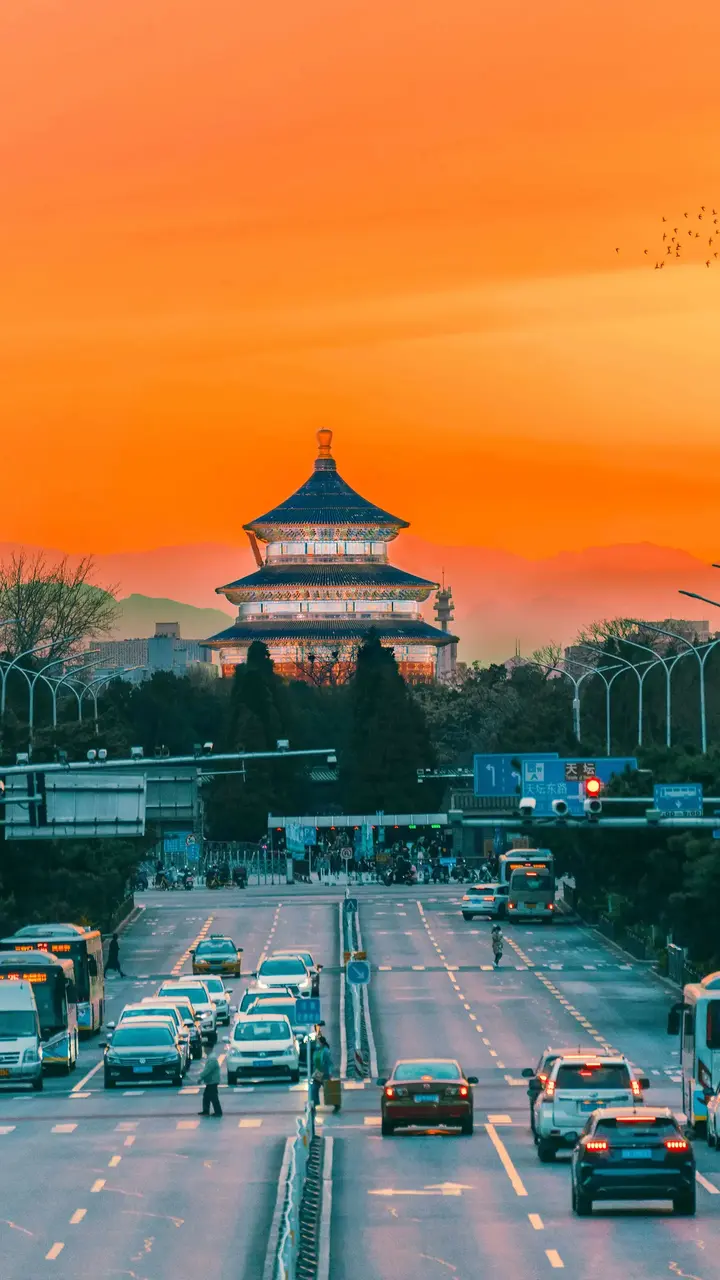
جرّب الآن المشهد في ذهنك. هل تنظر إلى معلم وسط حركة المرور، أم إلى حركة مرور ما زالت مرتبة حول محور قديم من المعنى؟
لا، إن الجادة اليوم لا تؤدي طقسًا إمبراطوريًا. والحافلات لا تعيد تمثيل بلاط مينغ. وإشارات المرور ليست جزءًا من مراسم قربانية. وهذا التمييز مهم، ويستحق أن يُذكر بوضوح.
لكن الاصطفاف لا يزال يفعل شيئًا. فهو يحفظ السلطة البصرية القديمة لمركز طقسي. وما يزال مبنى شُيّد للصلاة الإمبراطورية يتصدر نهاية مدخل حديث، وهذا يعني أن الحركة الحديثة ما زالت تشير إلى مركز سابق للنظام السياسي-الكوني.
وهنا تتراكم الحقائق بسرعة. بُني عام 1420. استخدمه أباطرة مينغ وتشينغ. وكان موقعًا لطقوس سنوية طلبًا لمحاصيل جيدة. وارتبط بادعاء الإمبراطور أنه يتوسط بين السماء والأرض. ووُضع ضمن التخطيط الاحتفالي لبكين. وما يزال مرئيًا بوصفه وجهة داخل المدينة الحية.
ADVERTISEMENT
الاعتراض السهل، ولماذا لا يصمد تمامًا
وثمة اعتراض وجيه مفاده أن كل هذا ليس إلا رمزية استرجاعية. فالطرق الحديثة، والحافلات، والمشاة، لا علاقة لهم بالمراسم الإمبراطورية، لذلك ربما نبالغ في قراءة مبنى قديم قوي صمد أمام التحول الحضري.
وفي هذا شيء من الحقيقة. فحركة المرور اليومية لا تواصل الطقس نفسه. لقد زالت الإمبراطورية، وزال البلاط، ولم يعد النظام القرابيني هو ما ينظم حياة المتنقلين إلى أعمالهم.
ومع ذلك، فإن المعنى الحضري لا يختفي في اللحظة التي ينتهي فيها نظام سياسي. فالمواضع الأثرية المهيبة تبقى. والمحاور تبقى. وخطوط الرؤية تبقى. وتستمر المدينة في تعليم العين أين كان الموضع الذي استقرت فيه الأهمية يومًا، حتى بعد أن يكف نظام الاعتقاد الأصلي عن إدارة الحكومة.
ولهذا يبدو هذا المعلم أكبر من مجرد مشهد. فهو ليس مجرد عمارة باقية. بل هو منطق مدينة باقٍ. لقد توقف المركز القديم عن قيادة الدولة، لكنه لا يزال يفرض الانتباه بطريقة لا تفرضها المباني العادية.
ADVERTISEMENT
ما الذي تراه حقًا حين تصطف بكين من حوله
أقوى ما في معبد السماء ليس أنه يحمل «تاريخًا» بمعنى ناعم يشبه بطاقات المتاحف. بل إنه يحمل نظامًا سابقًا شديد التحديد. لقد بُنيت قاعة الصلاة من أجل المحاصيل الجيدة من أجل حاكم كانت شرعية حكمه تعتمد، جزئيًا، على أن يخاطب السماء على الوجه الصحيح نيابة عن إمبراطورية زراعية.
وبمجرد أن تعرف ذلك، يتغير معنى الاقتراب الحديث. فوقع المشهد لا يأتي فقط من التباين بين القديم والجديد. بل يأتي من أن حركة المدينة العادية ما زالت تنتهي إلى بنية شُيّدت بوصفها مركزًا طقسيًا.
وهكذا، فمعبد السماء ليس أساسًا مجرد أثر جميل نجا داخل بكين الحديثة؛ بل هو دليل على أن نظام حكم ميتًا يمكن أن يظل يشكّل شارعًا حيًا بعد زمن طويل من انتهاء المراسم نفسها.
دنيز أكسوي
ADVERTISEMENT
درع بقّ الدرع ليس صدفة صلبة واحدة
ADVERTISEMENT
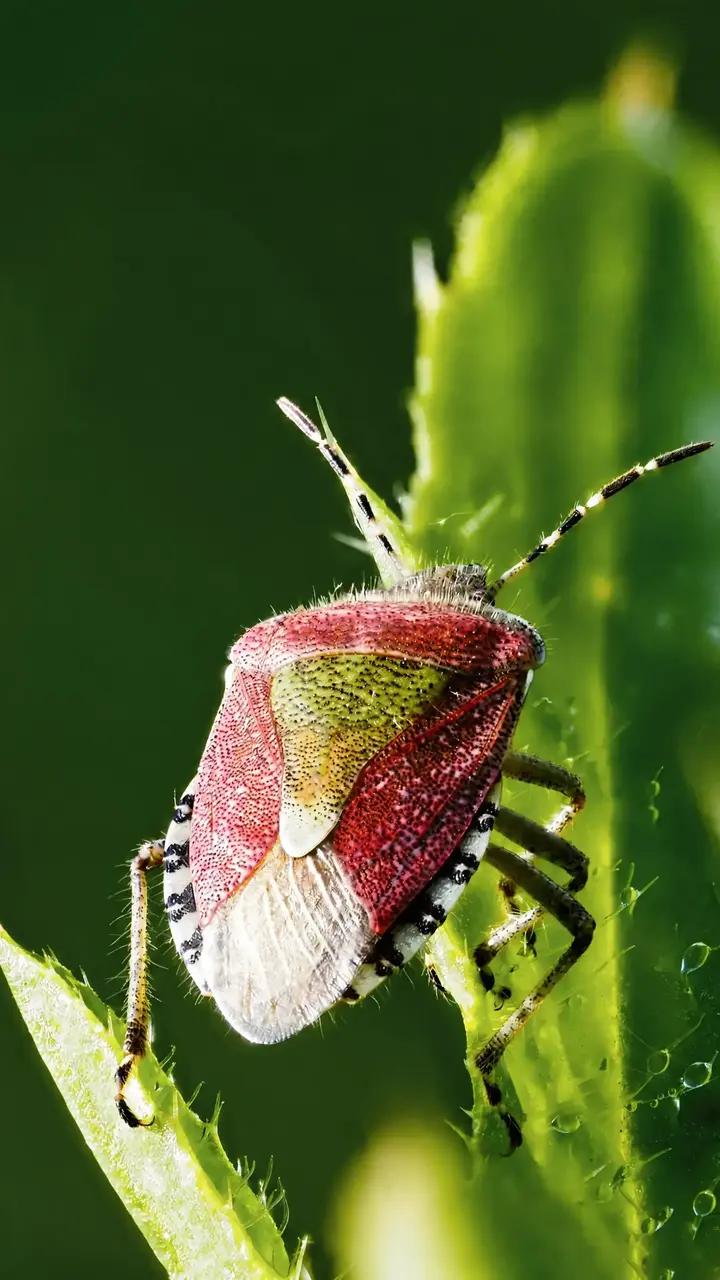
ذلك البق عريض الظهر ليس صدفة صلبة واحدة؛ بل هو تركيب محكم من صفائح صدرية وأجنحة أمامية مطوية ومفاصل مرنة، وتتيح لك بعض الفواصل الظاهرة التحقق من ذلك بنفسك. تجاهل اللون في البداية. وانظر بدلاً من ذلك إلى الحواف والتراكبات والمواضع التي يتحول فيها سطح إلى آخر.
ADVERTISEMENT
روزنوف على Unsplash
ابدأ من حيث ينتهي الرأس
يقع الدرع الصدري، مباشرةً خلف الرأس، وهو صفيحة متصلبة على الجزء الأول من الصدر. اعثر عليه بتحديد الجزء الأمامي العريض من الظهر، والذي تكون له غالباً زوايا جانبية تسهم في رسم الهيئة المألوفة. وهو يؤدي وظيفة وقائية، لكنه ليس سوى القطعة الأولى من هذا التركيب المحكم.
وخلفه يقع الصفيح، وهو الصفيحة المثلثة المركزية. ويستخدم المتحف الأسترالي هذا المعلم المفيد: اعثر على المثلث بين الجناحين، ثم سمِّه باسمه. وفي كثير من البق الدرعي، يمتد رأسه إلى الخلف على طول المنتصف، مما يسهل الخلط بينه وبين الظهر كله.
ADVERTISEMENT
حاول أولاً تحديد الحافة الخلفية للدرع الصدري. ثم تتبّع الضلعين المائلين للمثلث من دون لمس الحشرة. وقد تساعد قرون الاستشعار المخططة، وشعيرات الجسم الدقيقة، وحافة الجسم المنقوشة في التعرّف لاحقاً، لكن أياً منها لا يخبرك أين تنتهي صفيحة.
تفيد العدسة المكبرة اليدوية عندما يظل المخطط العام متصلاً في نظرك. ثبّتها، وغيّر زاوية الرؤية قليلاً، وانتظر حتى تلتقط حافة دقيقة كالشعرة الضوء. وغالباً ما يستطيع مراهق متشكك تتبّع الخط حالما يظهر؛ فالحيلة هي البحث عن حدّ فاصل لا عن تغير في اللون.
يبقى المخطط العريض يبدو كأنه قطعة واحدة إلى أن تبدأ تلك الخطوط الضيقة في اكتساب أهميتها.
لكن للدرع فواصل.
أمعن النظر في الوصلة خلف الدرع الصدري، ثم اتبع جانبي الصفيح كليهما نحو رأسه. وإلى جانبي ذلك المثلث وخلفه يقع الجناحان الأماميان المتزاوجان. ويمتد خط التقائهما على طول الظهر، وإن كان التراكب والنقش قد يحجبانه جزئياً.
ADVERTISEMENT
الجزء الذي يبدو كدرع يستطيع الطيران أيضاً
يصف معهد سميثسونيان الأجنحة الأمامية للبق الحقيقي بعبارات واضحة ومفيدة: فأجزاؤها القاعدية جلدية القوام، بينما أطرافها غشائية، وتطوى الأجنحة فوق الظهر. وتسمى هذه الأجنحة الأمامية المتصلبة جزئياً «الهيميليترا». وهذا يعني أن جزءاً مما يبدو درعاً هو في الواقع معدات طيران مطوية، لا غلافاً صلباً يمتد من الأمام إلى الخلف.
والآن قارن تلك الأسطح الصلبة بالمفاصل. تنثني الأرجل حيث تتصل بالجسم، وينقسم كل قرن استشعار إلى عقل متحركة. وتفسر هذه الوصلات المرنة كيف يستطيع البق حمل صفائح واقية وأجنحة، مع الاستمرار في المشي والتغذي والاستشعار والطيران.
كلمة «درع» اختصار منصف للصفائح المتصلبة. لكنها تصبح مضللة فقط عندما توحي بأن الحشرة محكمة الإغلاق داخل غطاء واحد لا يتحرك. يعمل الظهر أشبه بأجزاء محكمة التلاؤم: درع صدري ثابت في المقدمة، وصفيح مثلث في الوسط، وأجنحة مطوية إلى جانبيه.
ADVERTISEMENT
ولإجراء فحص سريع، قرّب طرف إصبعك فوق الحشرة أو الشاشة مباشرةً، ثم تتبّع ثلاثة حدود: الحافة الخلفية للدرع الصدري، وجانبي الصفيح كليهما، والخط الذي تلتقي عنده الأجنحة الأمامية. فإذا استطعت اتباع الحدود الثلاثة كلها، تكون فكرة الدرع الواحد قد تفككت بالفعل.
عندما تشير العلامات إلى البق الدرعي المشعر
تتوافق الشعيرات الشاحبة الدقيقة، والتخطط الأسود والأبيض لقرون الاستشعار، والنقوش البنية الأرجوانية أو المحمرة أو المخضرة مع البق الدرعي المشعر،Dolycoris baccarum. وتصف The Wildlife Trusts وBritish Bugs هذه الدلائل، إلى جانب حافة بطن مربعة أو مخططة قد تظهر خارج الأجنحة المطوية. تعامل معها بوصفها مجموعة متضافرة من الأدلة، لا حكماً يستند إلى اللون.
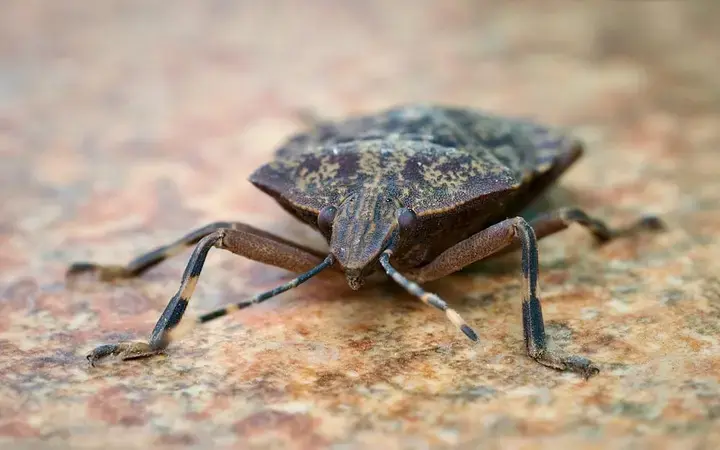
وقد تكون قرون الاستشعار مفيدة بوجه خاص حين تكون واضحة. ويشير NatureSpot إلى ثلاث حلقات شاحبة أو بيضاء لدىDolycoris baccarum، مقابل اثنتين لدى بق الرخام البني النتن،Halyomorpha halys. لا تحدد عدداً إذا كانت العقل ضبابية أو مخفية أو مائلة جزئياً بعيداً عن الرؤية.
ADVERTISEMENT
يتغير اللون باختلاف الفصل والعمر والحالة الفردية وظروف الرؤية. وتحمل العلامات المتكررة وزناً أكبر: الشعيرات الشاحبة، ونمط قرون الاستشعار، ونمط حافة الجسم. وقد تدعم صورة تفتقر إلى الموقع أو المقياس أو منظر للجانب السفلي أو حلقات واضحة لقرون الاستشعار اسماً مرجحاً، من دون أن تحسم النوع على نحو قاطع.
فحص ميداني صغير أفضل من لقطة مقرّبة قسرية
تتبّع المثلث، لأنه يفصل الصفيح عن بقية الظهر. واتبع خط الجناح، لأنه يكشف عن جناحين أماميين مطويين متزاوجين. وعدّ حلقات قرون الاستشعار فقط عندما تكون كل عقلة ظاهرة، وتحقق من الشعيرات والحافة المربعة بوصفها علامات داعمة.
التقط منظراً من الأعلى وآخر من الجانب، مع وضع شيء ذي حجم معلوم قريباً للمقياس. وسجّل المكان والتاريخ، إذ قد يهم النطاق الجغرافي والفصل. ولا حاجة إلى إمساك البق لمجرد فرض رؤية أفضل؛ فكثيراً ما يكشف الصبر وتغيير الزاوية عن المزيد.
ADVERTISEMENT
يبقى اعتراض وجيه واحد. فبعض البق الحقيقي ذي الظهر الدرعي، ولا سيما أفراد فصيلة Scutelleridae، له صفيح متضخم يغطي جزءاً كبيراً من البطن والأجنحة. وفي تلك الحالات، لا تكون قراءة «صفيحة كبيرة واحدة» انطباعاً أولياً أحمق.
أما الترتيب المرجح هنا لدى البق الخماسي، فهو مختلف: إذ تظل أجزاء الدرع الصدري والصفيح المثلث وفواصل الأجنحة منفصلة ويمكن العثور عليها. وغالباً ما تكفي قصاصة من صورة هاتف أو عدسة مكبرة يدوية لبدء رسم هذه الخريطة، وإن كانت الجزم بالنوع قد تظل بحاجة إلى مناظر أفضل وسجلات محلية.
احتفظ بهذا الروتين الخاص بالعدسة المكبرة قرب الباب
اعثر على الدرع الصدري، وتتبع مثلث الصفيح، واتبع فاصل الجناحين المطويين، ثم استخدم الشعيرات وحلقات قرون الاستشعار لاختبار الاسم قبل أن تقرر مما يتكون الظهر.