في المرة المقبلة التي ترى فيها سيارة رياضية منخفضة، انظر إلى الإطارات والهواء من حولها
ADVERTISEMENT
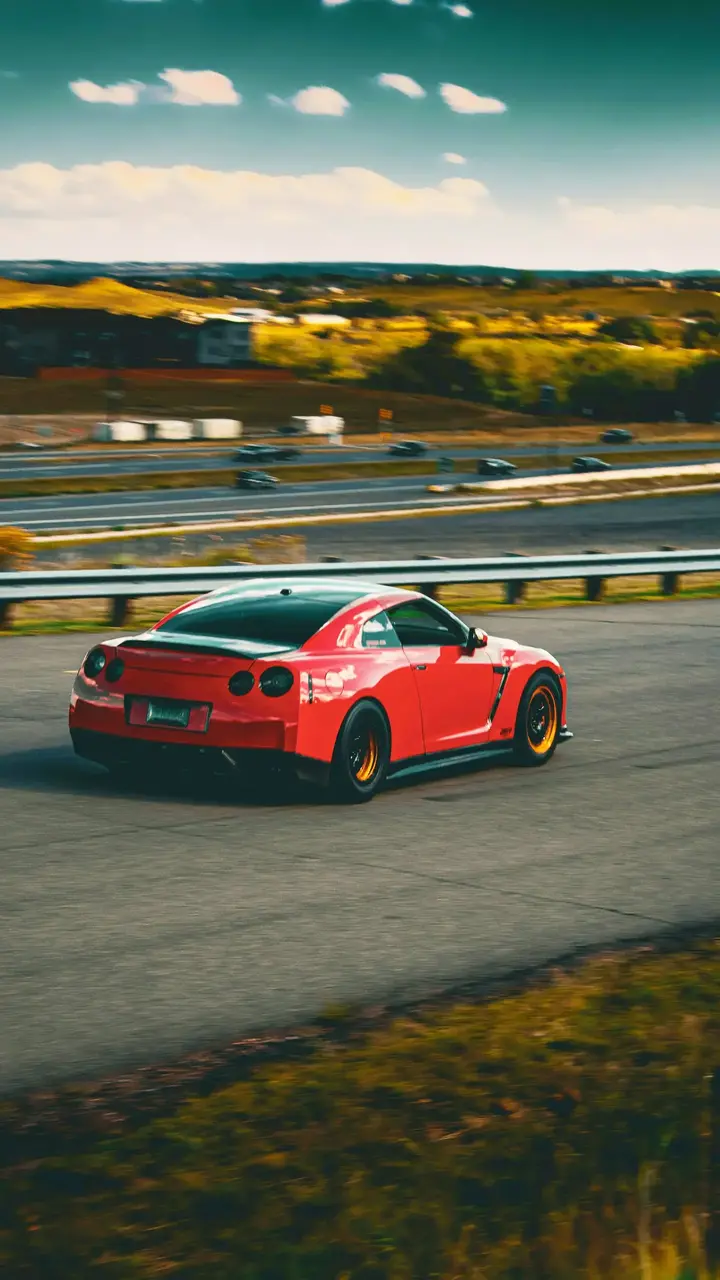
أهم ما ينبغي ملاحظته ليس الطلاء ولا طقم الهيكل، بل شكل الجدار الجانبي للإطار والهواء غير المرئي الذي تُدار حركته حوله، لأن هنا تبدأ البنية التي تبدو سريعة في الكشف عمّا إذا كانت قد تنجح فعلًا عند السرعات العالية.
إذا أردت اختبارًا مبسطًا بلغته الواضحة قبل أن تقرر ما إذا
ADVERTISEMENT
كانت GT-R معدّلة ذات وظيفة حقيقية، فافعل الآتي: انظر إلى شكل الجدار الجانبي للإطار، والعلاقة بين العجلة والرفرف، والأجزاء التي توجّه الهواء. هذه العلامات الثلاث تقول لك أكثر مما قد يقوله أكبر جناح أو أكثر مصدّ هجومي على الإطلاق.
صورة بعدسة مصطفى جامعي على Unsplash
الجزء الذي يفوته معظم الناس هو ما يلامس الطريق
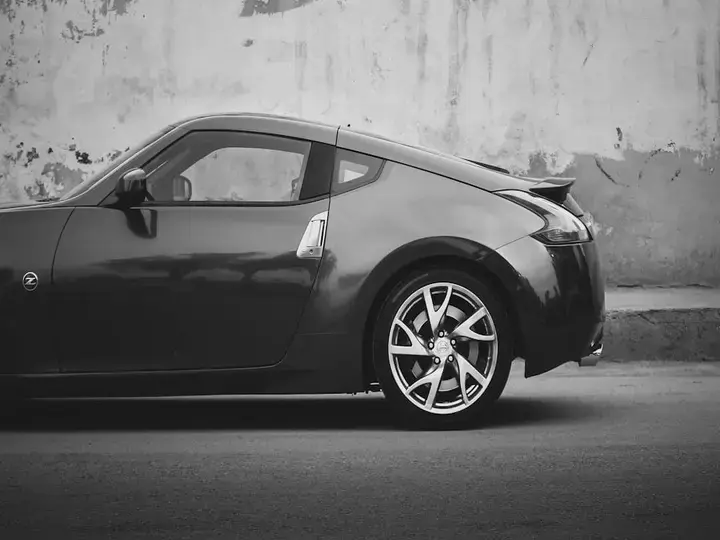
ابدأ بالإطار، لأن الإطار هو الجزء الوحيد في السيارة الذي يلامس الأسفلت فعليًا. وغالبًا ما يوحي الجدار الجانبي القصير ذو المظهر الصلب بقدر أقل من الانثناء تحت الحمل، ما قد يجعل استجابة التوجيه أكثر حدة ويساعد سطح التلامس على أن يبقى أكثر انضباطًا عندما تنعطف السيارة بقوة.
ADVERTISEMENT
هذا لا يعني أن «الجدار الجانبي الأنحف يساوي تماسكًا أكبر» في كل مرة. فالتماسك يعتمد أيضًا على خلطة الإطار، وبنيته، وضغطه، وحرارته، ولا يمكن لصورة أن تثبت أيًا من ذلك. كما أنها لا تكشف إعدادات الزوايا، أو ضبط المخمدات، أو ما إذا كان التوازن الإيروديناميكي متحققًا بين الأمام والخلف.
ومع ذلك، يمنحك شكل الجدار الجانبي قراءة أولية مفيدة. فإذا بدا الجدار الجانبي مشدودًا فوق عجلة تبدو أعرض مما ينبغي، فقد يكون ذلك خيارًا جماليًا قبل أي شيء. أما إذا بدا مدعومًا من دون أن يكون مضغوطًا، مع قدر كافٍ من الإطار ليؤدي عمله وقدر كافٍ من العجلة لضبطه، فهذه إشارة أفضل إلى أن الاختيار ربما تم من أجل الاستجابة لا من أجل المظهر وحده.
هذه هي قاعدة كينجي للسيارات: لا تتوقف عند ما يبدو رائعًا. اسأل عمّا يُفترض بالقطعة أن تفعله، ثم تحقق مما إذا كان الإعداد الظاهر ينسجم مع تلك المهمة.
ADVERTISEMENT
اقرأ الوقفة كما لو كانت دليلًا لا مجرد هيئة
تجذبك GT-R المخفّضة بسرعة، لكن السؤال المفيد هو كيف تستقر على إطاراتها. ينبغي أن تلاحظ المسافة بين الإطار والرفرف، ومدى تمركز العجلة داخل القوس، وما إذا كانت السيارة تبدو وكأن لديها ما يكفي من مدى الحركة المتبقي لتتحرك من دون أن ترتطم بمحددات الانضغاط.
يمكن لارتفاع السيارة أن يساعد في الأداء. فخفض السيارة قد يقلل مركز الثقل ويخفف بعض الهواء المار تحت الهيكل، ما قد يفيد الإحساس في المنعطفات والثبات عند السرعات العالية. لكن المبالغة في الخفض قد تضر بالتماسك إذا فقد نظام التعليق مدى الحركة وبدأ الهيكل يقفز فوق المطبات بدلًا من أن يسمح للإطار بالبقاء مزروعًا على الطريق.
تمهّل هنا وانظر جيدًا. فالإطار ذو الجدار الجانبي الهادف، والعجلة التي تملأ القوس من دون أن تبدو محشورة فيه، والهيكل الذي يجلس منخفضًا من دون أن ينهار فوق الإطار، كلها توحي عادةً بإعداد يحاول أن يعمل مع هندسة التعليق لا ضدها.
ADVERTISEMENT
وتهم هذه العلاقة بين العجلة والرفرف لأنها تلمّح إلى المجال الحركي القابل للاستخدام في السيارة. فإذا بدا كل شيء منخفضًا إلى أقصى حد فقط لإلغاء الفراغ، فقد يكون ما تبقى من التعليق أقل مما يلزم لامتصاص تغيرات الأحمال. وفي سيارة طريق، قد يعني ذلك تماسكًا فعليًا أقل لا أكثر.
لذا دعني أقطع لحظة الإعجاب هذه: هل تنظر إلى الهيكل، أم تنظر إلى الإطارات وإلى المكان الذي يُفترض أن يذهب إليه الهواء؟
تبدأ الإيروديناميكا من حيث يبدو أن السيارة تضغط نفسها إلى الطريق
عند السرعة، لا تُرى قوة التماسك الإيروديناميكية أولًا بل تُحَس أولًا، كأن السيارة تضغط نفسها بقوة أكبر إلى سطح الطريق. وهذه الإحساس مهم، لأن الهواء يمكن أن يتصرف كأنه وزن، فيضيف حملًا إلى الإطارات من دون أن يضيف كتلة يتعين على نظام التعليق حملها عند السرعات المنخفضة.
ADVERTISEMENT
هنا تتوالى الدلالات البصرية سريعًا. فالموزّع الأمامي يمكن أن يساعد في تقليل اندفاع الهواء تحت المقدمة وخلق فرق في الضغط يدفع مقدمة السيارة إلى الأسفل. ويمكن للعتبات الجانبية أن تساعد في منع اضطراب هذا الهواء منخفض الضغط بسبب الهواء المتسلل من الجانبين.
أما العناصر الخلفية فلا يكون لها معنى إلا إذا كان باقي السيارة يدعمها. فالجناح قد يضيف قوة ضغط سفلي في الخلف، لكن إذا لم تنل المقدمة ما يكفي من الدعم، فقد تصبح السيارة أكثر ثباتًا في مرحلة ما وأسوأ توازنًا على العموم. ويؤكد مهندس سيارات السباق والمؤلف جوزيف كاتس هذه النقطة في كتابه Race Car Aerodynamics: فالقوة السفلية منظومة وليست زينة.
ولهذا قد تكون الأجزاء المتحفظة أهم من الأجزاء الضخمة. فموزّع أمامي نظيف، وارتفاع معقول، وجناح خلفي مثبت حيث يمكنه الوصول إلى هواء أنظف، قد يقول لك أكثر مما يقوله مصد مليء بفتحات وهمية. الجزء الصاخب يبيع الصورة؛ أما الأجزاء الهادئة فعادةً ما تكشف التفكير.
ADVERTISEMENT
ونعم، يدخل الثبات على سرعات الطرق السريعة في هذه القراءة أيضًا. فالسيارة التي بُنيت ببعض النية الإيروديناميكية الحقيقية غالبًا ما تلمّح إلى ذلك عبر الميلان الطولي، والتحكم في أسفل الهيكل، والاتساق بين الأمام والخلف، لا عبر هيئة خلفية درامية فحسب.
لماذا يفترق «يبدو سريعًا» و«يعمل بسرعة» كثيرًا
وهنا يأتي الموقف المتشكك والمنصف: كثير من السيارات المخفّضة المخصصة للشارع والمزودة بإضافات هوائية صُممت من أجل الأثر البصري لا من أجل زمن اللفة. وهذا التشكيك صحي. فكثير من المشاريع تتحدث بلغة الحلبة من دون أن تنجز واجب الحلبة.
بعض الإشارات موحية. فشكل الجدار الجانبي للإطار، وارتفاع السيارة الذي لا يزال يترك مجالًا لحركة التعليق، والأجزاء الهوائية التي تبدو وكأنها تدير الهواء كحزمة واحدة، كلها أمور تستحق الانتباه. وهناك إشارات أخرى ملتبسة. فجناح كبير، أو عجلات عريضة، أو مظهر ناشر هواء هجومي، قد تكون حقيقية أو زائفة أو شيئًا بين ذلك وذاك.
ADVERTISEMENT
ويدعم هذا ما نراه في تطوير سيارات السباق وسيارات الطرق الحقيقية. ويمكنك أن تراه أيضًا في سيارات الأداء الإنتاجية: فالسيارات السريعة عادةً ما تجمع بين خيارات الإطارات، والتعليق، والإيروديناميكا في حزمة واحدة. وهي لا تعتمد على إضافة واحدة درامية لتنجز كل العمل.
لذا كن متواضعًا في ما يمكن أن تقوله صورة واحدة. فأنت تقرأ علامات، لا تصدر حكمًا نهائيًا. لكن حتى هذه القراءة المتواضعة قوية، لأنها تمنعك من الخلط بين الضجيج والوظيفة.
القراءة ذات الخطوات الثلاث التي تجعل الحكم على أي بناء سريع أسهل
استخدم هذا الترتيب، وستصبح أفضل في ذلك بسرعة.
• الإطارات أولًا. تحقق مما إذا كان الجدار الجانبي يبدو مدعومًا وهادفًا، لا مجرد مشدود لأجل المظهر. وتذكّر ما الذي يمكن أن يكشفه: لمحة ما عن الاستجابة ونية الإعداد. وتذكّر ما الذي لا يمكن أن يكشفه: الخلطة، والضغوط، والزوايا، أو مستوى التماسك الفعلي.
ADVERTISEMENT
• الوقفة ثانيًا. انظر إلى ارتفاع السيارة، وملاءمة العجلات، ومقدار حركة التعليق الذي يبدو أن السيارة ما زالت تملكه. فقد تبدو السيارة منخفضة ومع ذلك صالحة للاستخدام، وقد تبدو منخفضة وكأنها مثبّتة فقط من أجل الصور.
• إدارة الهواء ثالثًا. اسأل أين يُنظَّف الهواء، أو يُمنع، أو يُعاد توجيهه. ينبغي أن تبدو الموزّع الأمامي، والعتبة الجانبية، والتحكم في أسفل الهيكل، والجناح الخلفي، وكأنها حديث واحد لا أربعة إكسسوارات منفصلة.
الإطارات أولًا، الوقفة ثانيًا، وإدارة الهواء ثالثًا.
كوزيما باور
ADVERTISEMENT
وادي شيص: رحلة إلى الطبيعة الخلابة في الإمارات
ADVERTISEMENT
تشتهر دولة الإمارات العربية المتحدة بتنوع وجهاتها السياحية، فمن ناطحات السحاب الحديثة في دبي وأبو ظبي إلى الكثبان الرملية الممتدة في صحراء الربع الخالي. لكن بعيدًا عن هذا الزخم العمراني والصحراوي، يحتضن وادي شيص في إمارة الشارقة ملاذًا طبيعيًا فريدًا من نوعه. يتميز الوادي بأجوائه الهادئة وطبيعته البكر التي تقدم
ADVERTISEMENT
تجربة استثنائية لمحبي الرحلات، الباحثين عن لحظات من الاسترخاء والاستكشاف.
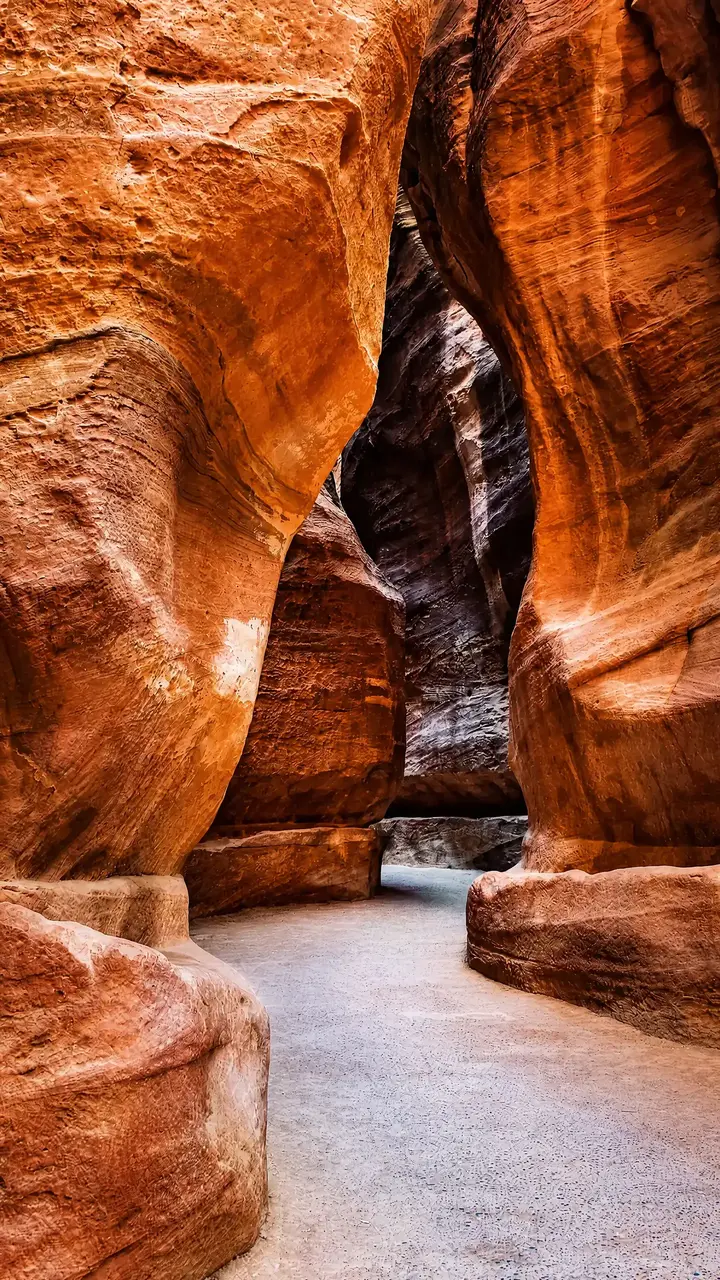
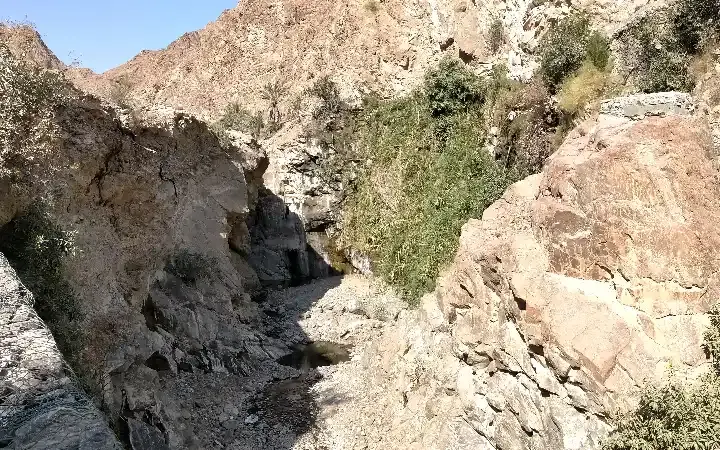
wikimedia الصورة من
موقع وادي شيص وسحر الطبيعة
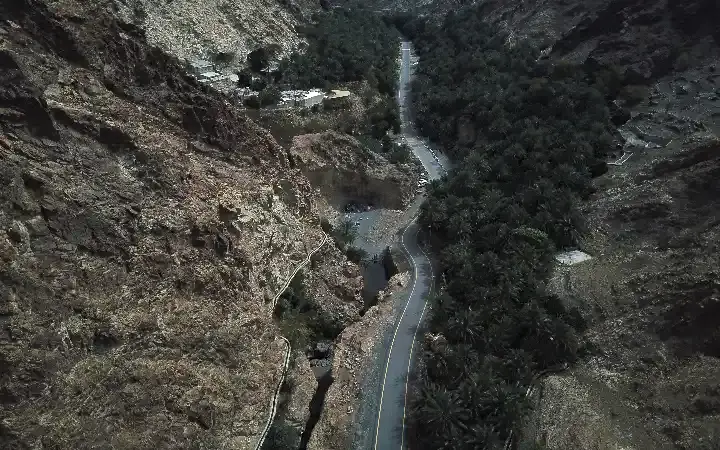
يقع وادي شيص في المنطقة الشرقية من إمارة الشارقة، ويتميز بموقعه في سلسلة جبال الحجر الممتدة بين الإمارات وسلطنة عمان. يحيط بالوادي جبال شاهقة تحتضن مسارات متعرجة وأودية مليئة بالحياة البرية والنباتات المحلية. يعد الوادي ملاذًا طبيعيًا بعيدًا عن صخب المدن، حيث يمكن للزائر الاستمتاع بجمال المناظر الطبيعية، التي تشمل الجداول المائية، أشجار النخيل، والجبال المكسوة بألوان الصخور الدافئة.
ADVERTISEMENT
تنوع الحياة الطبيعية
يشتهر وادي شيص بتنوع نباتاته وحيواناته، حيث تنمو النباتات الصحراوية بجانب نباتات المناطق الجبلية، مثل شجيرات الأكاسيا والنخيل. كما يمكنك مشاهدة الطيور المحلية التي تضيف لمسة من الحياة إلى المناظر الطبيعية، ما يجعل الوادي وجهة مثالية لمحبي التصوير الفوتوغرافي والمغامرات البيئية.
الأنشطة التي يمكن ممارستها في وادي شيص
رياضة المشي والتسلق:
وادي شيص هو جنة لمحبي رياضة المشي والتسلق. توجد العديد من المسارات المخصصة للمشي لمسافات طويلة، والتي تتراوح بين السهلة والصعبة لتناسب مختلف مستويات اللياقة البدنية. أثناء المشي، يمكنك التمتع بمشاهد بانورامية للجبال المحيطة والوديان المتعرجة، ما يمنحك إحساسًا بالحرية والهدوء.
الرحلات العائلية والنزهات:
لمن يبحث عن قضاء وقت ممتع مع العائلة، يُعد الوادي مكانًا مثاليًا للنزهات. يمكنك الاسترخاء بجانب الجداول المائية، إعداد وجبة خفيفة، والاستمتاع بالهواء النقي وسط الطبيعة الخلابة.
ADVERTISEMENT
استكشاف التراث الثقافي:
يتميز الوادي بوجود قرية صغيرة تحمل اسم "شيص"، حيث يعيش السكان المحليون حياة تقليدية تعتمد على الزراعة وتربية الماشية. يمكنك استكشاف مزارع النخيل القديمة التي ترويها أنظمة الري التقليدية "الأفلاج"، والتعرف على أسلوب الحياة الريفي الذي يعكس جزءًا من التراث الإماراتي.
الاسترخاء والتأمل:
تقدم الطبيعة في وادي شيص فرصة للتأمل والاسترخاء، بعيدًا عن صخب الحياة اليومية. سواء كنت ترغب في القراءة أو التأمل أو حتى قضاء وقت هادئ مع نفسك، فإن هذا الوادي يتيح لك ذلك وسط أجواء نقية وهادئة.
التصوير الفوتوغرافي:
يُعد الوادي مكانًا مثاليًا لمحبي التصوير، إذ يوفر فرصًا لالتقاط صور مذهلة للطبيعة، من الجبال الصخرية والجداول المائية إلى لحظات شروق وغروب الشمس.
المرافق والخدمات المتوفرة في الوادي
ADVERTISEMENT
خلال السنوات الأخيرة، عملت السلطات المحلية على تطوير المنطقة لتكون أكثر ملاءمة للسياحة. يحتوي وادي شيص الآن على ممرات مشي معتمدة ومجهزة، بالإضافة إلى مناطق مخصصة للنزهات بها طاولات ومقاعد. كما تم إنشاء منصات مراقبة توفر إطلالات خلابة على الوادي بأكمله.
wikimedia الصورة من
أفضل أوقات زيارة وادي شيص
على الرغم من أن وادي شيص يتمتع بجماله على مدار العام، إلا أن أفضل الأوقات للزيارة تكون في فصل الشتاء أو أوائل الربيع. خلال هذه الفترات، تكون درجات الحرارة معتدلة، ما يجعل التجول والتنزه أكثر متعة. ينصح بزيارة الوادي في الصباح الباكر للاستمتاع بالهدوء ومشاهدة أشعة الشمس وهي تنعكس على الجبال بطريقة ساحرة.
كيفية الوصول إلى وادي شيص
الوصول إلى وادي شيص سهل بفضل شبكة الطرق الممتازة في الإمارات. يمكن الوصول إليه بالسيارة من دبي أو الشارقة عبر طريق خورفكان الجديد، الذي يوفر تجربة قيادة ممتعة وسط الجبال. تستغرق الرحلة من دبي أو الشارقة حوالي ساعة ونصف. يُفضل استخدام تطبيقات الملاحة للوصول بسهولة إلى الموقع.
حمل الماء والطعام:تأكد من حمل كمية كافية من الماء والوجبات الخفيفة، خاصة إذا كنت تخطط لقضاء وقت طويل في استكشاف الوادي.
حماية البيئة:لا تنسَ ترك المكان نظيفًا وحمل النفايات معك للحفاظ على جمال الوادي ونظافته.
تجنب الأوقات الحارة:تجنب زيارة الوادي خلال أوقات الظهيرة في فصل الصيف، حيث تكون درجات الحرارة مرتفعة.
احترام التقاليد المحلية:إذا تفاعلت مع السكان المحليين، حاول احترام تقاليدهم وعاداتهم.
تجربة استثنائية في قلب الطبيعة
وادي شيص ليس مجرد وجهة سياحية عادية، بل هو بوابة للهروب من الروتين اليومي والاتصال بجمال الطبيعة البكر. سواء كنت مغامرًا يبحث عن تجربة تسلق مثيرة، أو مستكشفًا يسعى للتعرف على التراث المحلي، أو حتى عائلة ترغب في قضاء يوم ممتع وسط الطبيعة، فإن وادي شيص يوفر تجربة استثنائية تلبي جميع التطلعات.
ياسر السايح
ADVERTISEMENT
فكر مرتين (أو أكثر) قبل نشر تلك الصورة لطفلك على وسائل التواصل الاجتماعي
ADVERTISEMENT
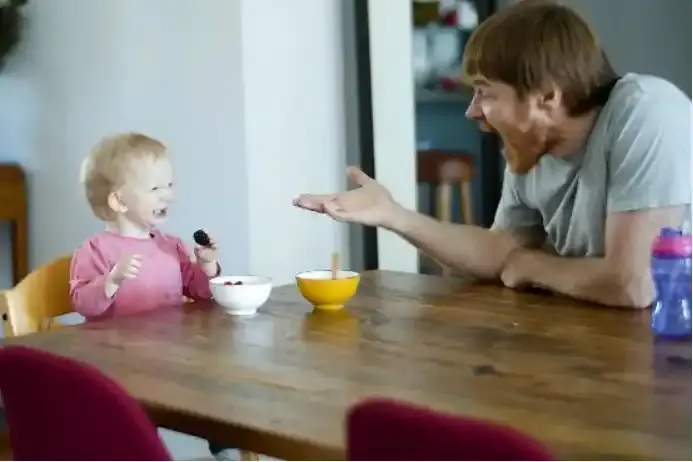
في عصر وسائل التواصل الاجتماعي، أصبح مشاركة لحظات الحياة الثمينة عبر الإنترنت أمرًا طبيعيًا بالنسبة للعديد من الآباء. إن نشر صور الأطفال ــــــ سواءٌ أكانت في عيد ميلاد أول أو عن إنجاز مدرسي أو صورة عفوية مضحكة ــــــ يبدو وكأنه وسيلة للاحتفال والتواصل مع الأصدقاء والعائلة. ولكن هناك أسبابًا هامّة
ADVERTISEMENT
تجعل الآباء يتوقفون ويفكرون في العواقب قبل النقر فوق "نشر". في هذه المقالة نبيّن مخاطر نشر صور الأطفال على وسائل التواصل الاجتماعي، وبعض النصائح لتقليل الأخطار على أطفالك.
1- مخاوف الخصوصية:
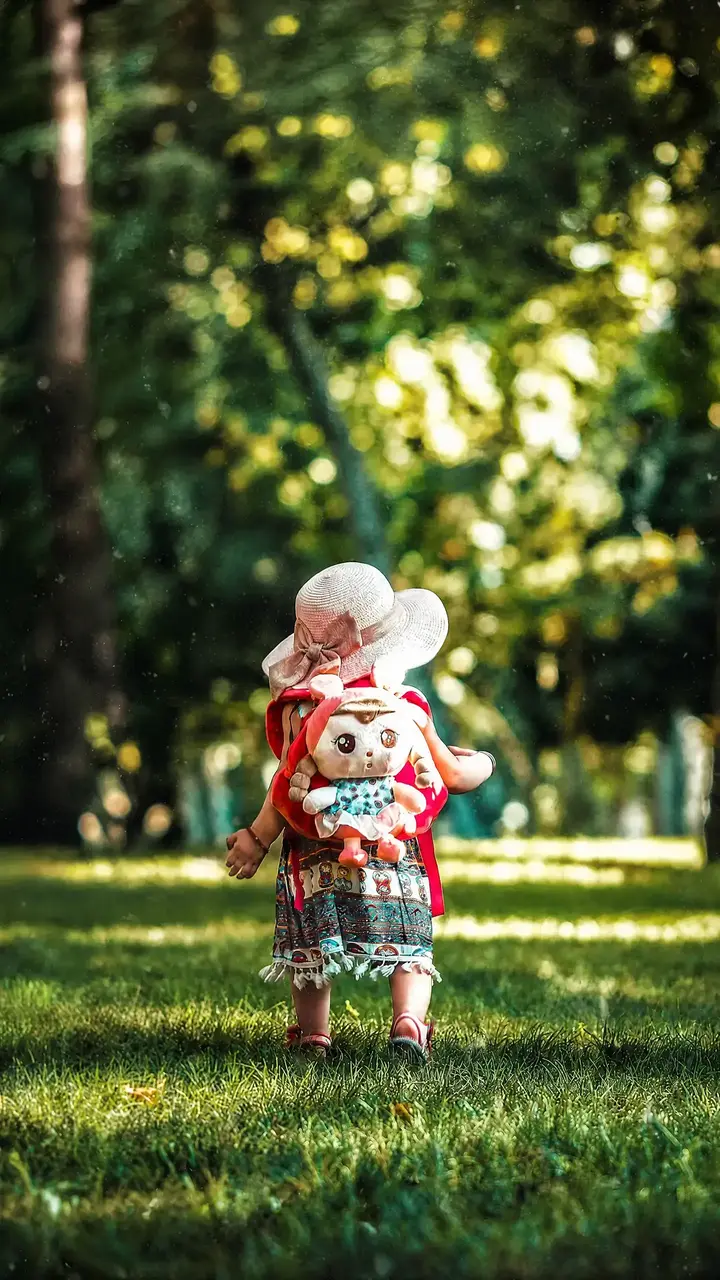
صورة من unsplash
إن مشاركة صور الأطفال عبر الإنترنت غالبًا ما تعني مشاركة هوياتهم ومواقعهم وإنجازاتهم الشخصية. حتى المنشورات التي تبدو بريئة يمكن أن تكشف عن غير قصد الأسماء والأعمار وتواريخ الميلاد، والتي يمكن استخدامها لسرقة الهوية. كما يمكن أن تكشف موقع المدرسة أو النشاط، ما يجعل من السهل على الغرباء تحديد مكان وجود الطفل وبرنامجه الأسبوعي أو اليومي المنتظم. يمكن أيضًا كشف تفاصيل شخصية أخرى قد تعرض الخصوصية المستقبلية للخطر؛ إذ بمجرد نشر شيء ما عبر الإنترنت، قد يكون من الصعب التحكم فيه أو محوه. قد يجري نسخ الصور أو مشاركتها أو حتى حفظها من قبل الآخرين دون علم الوالدين.
ADVERTISEMENT
2- الموافقة والاستقلالية المستقبلية:
لا يستطيع الأطفال بسبب صغر سنهم الموافقة على مشاركة صورهم عبر الإنترنت. ومع تقدمهم في السن، قد لا يقدرون توثيق لحظات طفولتهم علنًا. من جهة ثانية، قد يكون لنشر صورهم تأثير على احترامهم لذاتهم؛ فقد يشعرون لاحقًا، في مرحلة المراهقة والبلوغ بالحرج أو الانتهاك بسبب المنشورات التي لم يوافقوا عليها.
من الأمور التي يجب التفكير بها أيضًا فقدان السيطرة؛ فقد يرغبون في تنظيم وجودهم الرقمي الخاص ولكنهم يجدون أنه تكوّن عن طريق قرارات اتخذّها غيرهم قبل سنوات. إن تعليم الأطفال حول الموافقة عبر الإنترنت يبدأ بنمذجة السلوك المسؤول.
3- البصمة الرقمية والسمعة:
صورة من pexels
تساهم كل مشاركة في البصمة الرقمية للطفل، والتي يمكن أن تتبعه إلى مرحلة البلوغ. قد يتمكن أصحاب العمل والمعلمون وحتى الأقران يومًا ما من الوصول إلى المحتوى المشارَك اليوم. وما يبدو لطيفًا أو غير ضار الآن قد لا يتماشى مع تفضيلات الطفل أو الصورة المرغوبة في المستقبل.
ADVERTISEMENT
4- خطر الاستغلال:
لسوء الحظ، ليس كل من يشاهد الصور عبر الإنترنت لديه نوايا حسنة. يمكن إساءة استخدام صور الأطفال من قبل الأفراد ذوي النوايا الخبيثة، وخاصة إذا كانت المنشورات عامة أو غير مؤمّنة تأمينًا صحيحًا. وقد يصبح الأطفال عرضة لسرقة الصور؛ فقد تُنسخ بعض الصور وتُستخدَم استخدامًا غير مناسب، مثل مشاركتها على مواقع استغلال الأطفال. كما أن الإفراط في المشاركة يمكن أن يؤدي إلى تعريض الأطفال عن غير قصد للتنمر الإلكتروني أو الاهتمام غير المرغوب فيه.
5- إرساء سابقة:
الآباء قدوة في العصر الرقمي. من خلال ممارسة عادات النشر المدروسة، فإنهم يُظهرون احترامهم للخصوصية والحدود. والآباء الذين يفكرون بعناية في النشر يعلّمون أطفالهم أن يفعلوا الشيء نفسه عندما يكبرون، بما يكفي لاستخدام وسائل التواصل الاجتماعي. من الأمور الأخرى أيضًا تعليم أطفالهم موازنة التواصل والحذر، ما يعني أنه من الممكن مشاركة الفرح مع أحبائك مع الحفاظ على الحدود، مثل استخدام الرسائل الخاصة أو إعدادات وسائل التواصل الاجتماعي الآمنة والمقيدة.
ADVERTISEMENT
نصائح للمشاركة المسؤولة:
صورة من pixabay
إذا قرر الآباء المشاركة، فيمكنهم اتخاذ بعض الخطوات لتقليل المخاطر، ومنها:
ضبط إعدادات الخصوصية: توفر منصات الوسائط الاجتماعية أدوات للتحكم في الأشخاص الذين يستطيعون رؤية منشوراتك. يمكن للآباء:
تقييد الرؤية: تغيير إعدادات الجمهور لتقييد المنشورات بالأصدقاء المقربين والعائلة بدلاً من جعلها عامة.
إنشاء مجموعات خاصة: تتيح لك منصات التواصل الاجتماعي إنشاء مجموعات خاصة أو قوائم بـ "الأصدقاء المقربين"، ما يضمن رؤية الأشخاص المحددين فقط لمحتواك.
مراجعة قوائم الأصدقاء: قم بمراجعة متابعيك أو أصدقائك بانتظام للتأكد من أن الجميع هم أشخاص تثق بهم.
تجنب التفاصيل التي يمكن التعرف عليها: عند مشاركة الصور أو مقاطع الفيديو، ضع في اعتبارك المعلومات التي يمكن تجميعها معًا. قم بتمويه الخلفيات أو قصها، تجنب إظهار علامات الشوارع أو أرقام المنازل أو المعالم التي قد تكشف عن موقعك، تجنب الزي الرسمي أو الشعارات، احتفظ بتعليقات توضيحية غامضة فالتفاصيل مثل الأسماء الكاملة أو تواريخ الميلاد أو الحكايات الشخصية هي معلومات غير ضرورية. تذكر أنه حتى إذا قمت بالمشاركة مع جمهور مقيد، فلا يمكنك التحكم في من يمكنه حفظ منشوراتك أو التقاط لقطات شاشة لها.
ADVERTISEMENT
فكر في المستقبل قبل النشر: فكر في شعور طفلك تجاه المحتوى عندما يكبر، فالصور التي تبدو لطيفة للوالدين قد تكون محرجة لمراهق أو بالغ. وتجنب الإفراط في مشاركة اللحظات الانفعالية. القاعدة الأساسية المفيدة هنا هي أن تسأل نفسك: هل أرغب في أن ينشر شخص ما صورة مماثلة لي؟
احصل على موافقة من الأطفال الأكبر سنًا: قم بإشراكهم في عملية اتخاذ القرار. اشرح الآثار المترتبة على ذلك، وساعدهم على فهم أن ما يتم مشاركته عبر الإنترنت يمكن أن يظل متاحًا لسنوات. احترم مشاعرهم إذا فضلوا عدم مشاركة صورة أو قصة معينة. ضع حدودًا معهم، أي اعملوا معًا على تحديد أنواع المحتوى الذي يشعر بالراحة في مشاركته (على سبيل المثال، صور المدرسة ولكن ليس صور وقت الاستحمام). هذا يعلم الأطفال أهمية الموافقة الرقمية ويمكّنهم من إبداء رأيهم في وجودهم على الإنترنت.احذر من المشاركة غير المقصودة: حتى إذا شاركت بطريقة مسؤولة، فقد لا يقوم الآخرون بذلك. تحدث إلى العائلة والأصدقاء، واطلب منهم عدم إعادة نشر أو مشاركة صور طفلك دون إذنك. راقب الصور التي قد يضع الآخرون علامات عليها لطفلك، واضبط إعداداتك للموافقة على العلامات قبل ظهورها علنًا.
ADVERTISEMENT
بينما توفر وسائل التواصل الاجتماعي طريقة ملائمة لمشاركة لحظات الحياة، فإن قرار نشر صور الأطفال يتطلب تفكيرًا متأنيًا. من خلال إعطاء الأولوية للخصوصية والموافقة والأمان، يمكن للوالدين حماية أطفالهم مع الاستمرار في الاحتفال بإنجازاتهم. في عالم حيث يعد الاستمرار الرقمي هو القاعدة، فإن التوقف قبل النشر هو طريقة بسيطة ولكنها قوية لحماية مستقبل الطفل.