The Science Behind a Moss-Covered Ravine

This ravine feels cooler and calmer for a measurable reason, not because of vague beauty, but because steep rock walls block sun, water keeps moving, moss stores moisture, and the gorge holds that damp air in place.
عرض النقاط الرئيسية
- A moss-rich ravine feels cooler because steep walls, shade, water, and moss work together to create a localized microclimate.
- Microclimates can differ sharply from standard weather readings because ground-level conditions are shaped by moisture, wind shelter, and surface texture.
- Streams, seeps, and moss continuously add and retain moisture, helping the gorge stay damp and dry out slowly.
- ADVERTISEMENT
- Cool, dense air tends to settle on the ravine floor, making the lower ground feel calmer and more thermally stable than the rim.
- You can spot this effect by comparing the rim and floor for cooler air, slicker surfaces, and shaded rock that stays wet longer.
- The feeling is not caused by shade alone, but by the combination of reduced sun, moisture, and terrain that slows drying.
- A ravine’s calm is the result of long-term geological and ecological processes that gradually shape a stable, cool habitat.
You can feel that change before you name it. A few steps down from the rim, the air touches your forearms differently. Sound softens. Stone stays wet longer. The place is not just sitting in the weather. It is reshaping it.
Why this spot feels like a weather pocket, not ordinary woods
The counterintuitive part is simple: a moss-covered ravine is a self-built climate pocket. Its walls narrow the amount of direct sun that reaches the floor. Its stream and seeps keep adding water to the air. Moss and shaded rock hold that moisture. Cool, dense air tends to settle lower and linger.
قراءة مقترحة
Ecologists have a plain term for this: microclimate. It means the local climate of a very small place. In a 2013 review in Frontiers in Ecology and the Environment, Michael J. Kearney and Warren P. Porter explained that conditions close to the ground can differ sharply from standard weather readings because shade, moisture, wind shelter, and surface texture change heat and humidity at fine scale. For a walker, that means your skin and breath are reading something the nearest weather station cannot.
A good real-world example is the Columbia River Gorge, where deep, wet side canyons support rich moss and fern growth far beyond what nearby exposed slopes can hold. The U.S. Forest Service and National Park Service both use these gorge systems to explain how topography, spray, seepage, and shade create cooler, moister pockets that shelter species sensitive to drying out. The pattern is the same in smaller forest ravines: terrain plus water changes the terms.
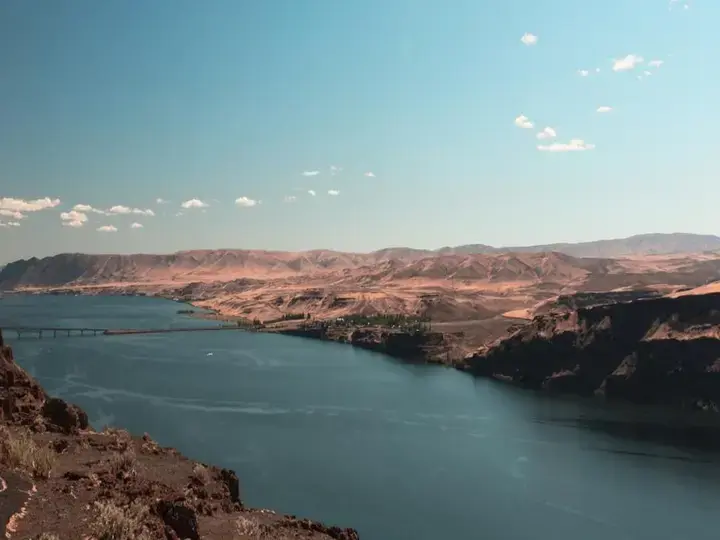
Then the mechanism stacks up fast. Walls reduce direct sun. Water evaporates. Moss stores moisture. Shaded rock releases heat slowly. Cool dense air lingers lower. None of those forces is dramatic on its own. Together, they make a place that dries slowly and stays more thermally steady than the ground above it.
The small test that tells you if a gorge is making its own weather
You can check this yourself without any gear. Compare the rim with the floor. Notice the feel on your forearms first, then the dampness in the air, then the footing under you. If the ravine is doing real microclimate work, the lower ground will usually feel cooler, surfaces will stay slicker, and shaded rock or wood will stay wet longer after the open ground has dried.
Bryologists, the scientists who study mosses, pay close attention to that slow drying. In a 2014 review in New Phytologist, Janice Glime described bryophytes as plants that can intercept, store, and slowly release water at the surface. Translated out on the trail, moss is not just decoration. Put your hand near it, not on fragile patches but close enough to sense it, and the air often feels cooler and damper because that mat is holding moisture and feeding evaporation back into the gorge.
Stand still for a moment where seepage darkens rock. The chill is often not a draft. It is moisture leaving water and moss, taking heat with it as it evaporates. The hush comes from shape as well. Tight walls cut wind, absorb sound unevenly, and keep the whole pocket from mixing quickly with the warmer, drier air above.
The moment the ravine stops being pretty and starts being a system
Here is the part people often miss. You are not just standing in a cool place. You are standing inside a place that has been built, very slowly, to keep being cool.
Bring your hand near the moss on a shaded rock face and wait. The surface is wet, but not dripping fast. Moisture sits there, then leaves bit by bit. The air against your skin feels cooler and heavier. Your steps shorten because slick stone asks for care, and the water nearby seems to move at its own patient speed.
Now widen the clock. That chill on your skin depends on rock walls carved over thousands of years by running water, freeze-thaw cracking, small collapses, and steady seepage. The channel had to deepen enough to shelter shade. Fractures in the rock had to guide water into seeps. Organic matter had to gather in creases. Moss had to colonize surfaces that stayed damp long enough for it to hold on. The calm is not an accident of this afternoon. It is deep time doing weather work on a small scale.
That is the real shift: the ravine is not merely receiving rain, sun, and temperature from outside. It is editing them. It traps some, slows some, and turns them into a more stable habitat than the ground just above. Once you notice that, the whole place reads differently.
Isn’t this just shade? Not quite
Shade matters, but shade alone does not explain a moss-rich gorge. A shady parking lot wall may stay cooler than open pavement, yet it will not usually hold the same dampness, slipperiness, or lingering humid feel. For that, you need a combination: reduced sun, yes, but also moving or seeping water, surfaces that retain moisture, and a shape that slows drying.
This is why two shaded places can feel so different. One is simply out of the sun. The other keeps making cool, damp air and holding it close to the ground. That second kind is the one your body notices right away.
It is also worth being honest here: not every ravine works the same way. A south-facing gorge in a dry spell may feel much less cool than a north-facing one with steady seepage. Season matters. Rainfall matters. Rock type matters because some rock fractures and leaks differently. Water volume matters too. The effect is real, but it is not identical everywhere.
How to find this feeling again on your next walk
If you want to spot another self-made cool pocket, look for three signs together: a landform that holds shade, visible seep or moving water, and moss or other plants that suggest slow drying. Then pay attention to your body before you reach for an explanation. Do your forearms feel cooler? Does the air seem thicker? Are stones and roots still damp where the open trail is already dry?
That is part of why a ravine can feel relieving when the rest of the day has been loud and fast. The place is physically steadier. Heat enters more slowly. Moisture leaves more slowly. Sound and wind move differently there. Your body reads all of that in seconds.
Once you know what to look for, the calm in a gorge stops being mysterious without becoming any less good to stand in. On your next walk, look for the folded places that keep shade, seep, and moss, and let the cool air tell you what the ground has been building for a very long time.