Coffee ‘Beans’ Are Seeds, and That Changes How You See the Cup

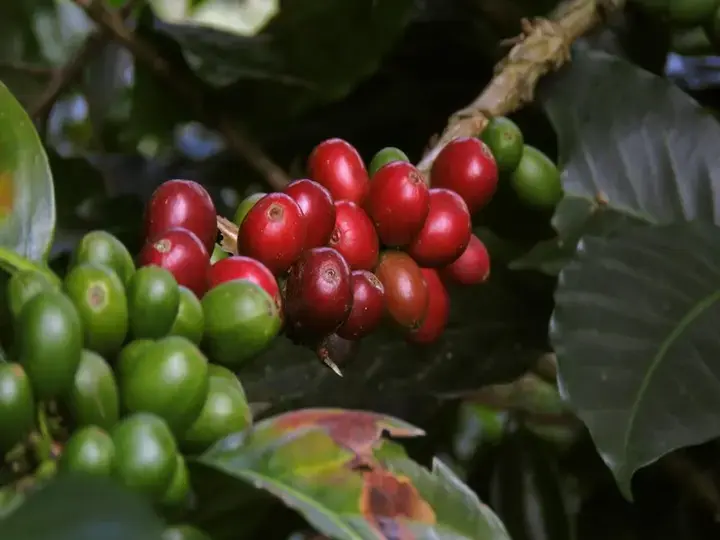
Coffee “beans” aren’t beans at all; they’re the seeds of a fruit called a coffee cherry, and that matters because the thing you grind each morning started life as part of a plant, not a dry pantry bean. The National Coffee Association puts it plainly: coffee comes from the seeds of berries, often called cherries, that grow on coffee plants. Once you know that, your cup stops looking like a simple staple and starts looking like the end of a plant’s life cycle.
عرض النقاط الرئيسية
- Coffee “beans” are actually the seeds found inside the fruit of a coffee plant, commonly called a coffee cherry.
- The term “bean” stuck because roasted coffee seeds look like small dry beans, even though botanically they are not legumes.
- Roasting transforms the seed by darkening it, hardening it, and creating the familiar aroma and brittle texture people associate with coffee.
- ADVERTISEMENT
- Understanding coffee as a seed helps explain why harvest, fruit removal, drying, and roasting all shape the final drink.
- A true bean belongs to the legume family, while coffee comes from a fruit-bearing plant and does not fit that botanical category.
- Coffee plants usually take about 3 to 4 years after planting before they begin producing fruit.
- Seeing coffee as a roasted seed from a fruit makes an ordinary morning cup feel like the end of a much longer plant life cycle.
People still say “coffee beans,” of course, and that is fine. This is not about correcting anyone at breakfast. It is about getting the biology right so the drink in your mug makes more sense.
The Fast Correction That Changes Everything
قراءة مقترحة
Here is the clean version you can reuse in one breath: coffee grows inside a fruit, the fruit is commonly called a coffee cherry, and the “bean” is the seed inside it. After harvest, that seed is processed, dried, and roasted. Roasting darkens it, hardens it, and gives it the look most of us learned to call a bean.
That last part matters more than it sounds. If you split many seeds from fruits in half, they do not look much like roasted coffee. Coffee only takes on that familiar brown color, brittle snap, and toasted smell after heat has changed it. Not a bean. A seed. Inside a fruit. Changed by heat.
Botanically, a true bean is a kind of legume seed, part of the pea family. Coffee is not in that family. The word “bean” stuck because the roasted seeds are small, oval, and easy to treat like other dry goods. Kitchen language often works by resemblance; plant anatomy works by origin.
If you want a quick self-check, try sorting a few pantry staples in your head by plant part: tea is a leaf, ginger is a stem-like rhizome, a peanut is a legume seed, and coffee belongs in the seed pile too. That tiny shift is enough to make the idea stick. It also helps you notice how often the kitchen hides plant parts in plain sight.
Now think about what happens before brewing. You grind roasted coffee and the pieces break with a dry, brittle feel. Hot water hits them and the smell lifts fast: warm, sharp, nutty, sometimes chocolatey. All of that familiarity comes after processing and roasting have pushed the seed far away from the soft, living thing it began as.
And here is the part that folds the cup backward into the orchard: the brew takes a few minutes, but the seed you are brewing took years to arrive. According to World Coffee Research, a coffee tree generally begins to produce fruit about 3 to 4 years after planting. Your morning cup is a fast ritual made from a very slow plant.
Your Mug Is the End of a Much Longer Story
Pause there for a second. Before there was a grinder, there was a coffee plant growing glossy leaves, then flowers, then fruit. Inside each fruit, seeds developed. Those seeds were removed, dried, sorted, and only later roasted into the dark pieces you recognize at once.
That time jump is the real surprise. We tend to meet coffee at its most finished stage, after heat and handling have made it smell familiar and look permanent. But biologically, roasted coffee is more like a transformed seed than a little edible bean from a sack.
Agricultural sources describe the fruit itself as red or purple when ripe, which is why “coffee cherry” became common shorthand even though it is not a cherry in the grocery-store sense. The useful point is simple: fruit on the outside, seed on the inside. Once the fruit is removed, what remains is the part that becomes coffee.
There is a nice everyday lesson in that. We are used to seeing seeds in obvious places, like sunflower seeds or pumpkin seeds. Coffee hides the same category under roast color, aroma, and habit. That is why the fact lands with such force when you first hear it.
Is This Just Pedantry? Not Really
You could say none of this matters because everyone calls them beans anyway. In ordinary speech, yes, they are coffee beans, and nobody needs to stop saying it. Culinary names and botanical names do not always line up, and kitchens work perfectly well with that mismatch.
But the accurate version gives you a better mental model. It explains why coffee begins in a fruit, why harvest matters, and why roasting changes the seed so completely that it no longer reads as a seed to the eye. The correction is not there to police language; it is there to make the object in your hand more real.
One Small Way to Notice It Tomorrow Morning
The next time you scoop coffee, try naming it correctly just once in your own head: roasted coffee seeds from a fruit. That sounds slightly awkward, but it sharpens the picture. You can do the same trick with one other ingredient this week and ask what part of the plant you are actually eating or brewing.
An ordinary cup gets more interesting when you know what it is. Coffee is not less familiar after that; it is richer, because you can feel the gap between the quick brew in your kitchen and the slow work of a fruiting plant. There is a lot of life tucked into familiar foods, and coffee is a lovely place to start noticing.