For Long-Blooming Containers, Calibrachoa Earns Its Spot

Calibrachoa often outlasts bigger, showier porch-pot flowers because it keeps branching and replacing blooms, which is a relief if your containers usually look best in June and tired by August. This small, petunia-like annual is widely described by the Royal Horticultural Society as a compact, trailing, free-flowering choice for summer pots and baskets, and many US extension guides say much the same.
عرض النقاط الرئيسية
- Calibrachoa stands out in containers because it branches heavily and keeps replacing blooms through summer.
- Its small flowers, mounding habit, and trailing growth create a full sheet of color rather than scattered blooms.
- Many varieties are self-cleaning, so deadheading is often unnecessary.
- ADVERTISEMENT
- For best flowering, calibrachoa needs full sun, well-drained potting mix, and regular fertilizer.
- It can handle short dry spells and recover quickly after wind or rain, making it reliable for season-long containers.
- Poor performance is often caused by shade, soggy soil, or high pH that limits iron uptake and causes chlorosis.
- It works especially well in solo pots or at the edge of mixed planters where its trailing habit can spill over the rim.
The short version is simple: if you want a container that keeps giving color instead of making one early splash, calibrachoa earns a hard look. It likes full sun, well-drained potting mix, and regular feeding, but it asks for less cleanup than many flowers that bloom just as hard at the start.
قراءة مقترحة
Why this smaller plant keeps the basket full
The advantage is not bigger flowers. It is a better system for containers.
Small flowers. Lots of branching. A trailing, mounding habit. More buds coming behind the open ones. Quick replacement when old blooms fade. That is why one plant can read as a sheet of color instead of a few scattered blossoms.
Many calibrachoa varieties are also self-cleaning, which is the practical part gardeners appreciate by midseason. Extension sources such as Clemson Cooperative Extension and the University of Minnesota Extension note that deadheading is often not needed, because spent flowers drop on their own and the plant keeps moving into the next round of bloom.
Sun matters here. Purdue Extension and other university sources commonly recommend full sun for the best flowering, often around eight hours or more. In a bright spot, calibrachoa keeps setting buds instead of stretching and sulking.
It can also be forgiving in weather. Some extension guidance notes that calibrachoa may handle short dry spells a bit better than petunias and often recovers fast after wind or rain, which helps when a porch pot has to live through a whole summer instead of one perfect week.
Here is a useful self-check. Think about the late-summer containers you have admired most. Were they built around a few huge blooms, or were they packed with tight branching and dozens of smaller flowers? More often, the good-looking ones in August win on fullness, not flower size.
Picture the one pot on the block that still looked fresh
Which container on your porch, your street, or the garden center bench still looked good when others had gone leggy or bare? Chances are, it was not surviving on flower size alone. It was using the calibrachoa pattern: dense growth, constant bud set, and less time spent making seed from old blooms.
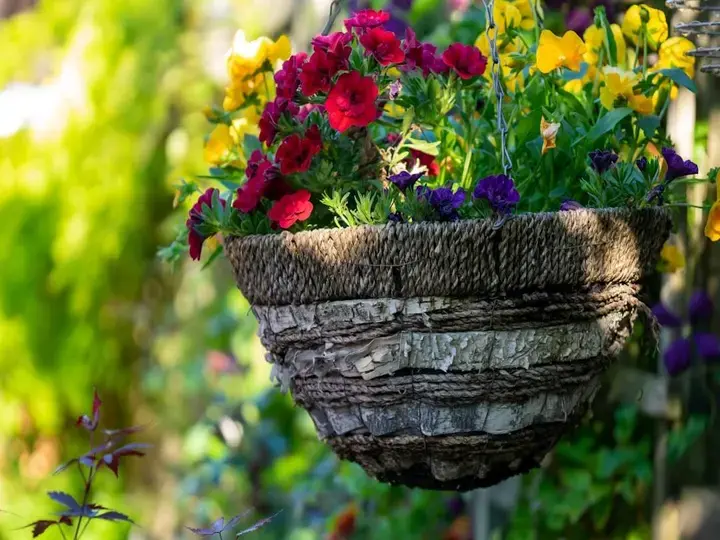
That is the real selling point. Calibrachoa is not a one-bloom wonder. It is a late-season survivor.
You can see this in an ordinary hanging basket. In June, calibrachoa can look merely promising, with short trails and lots of buds. By August, the same basket often looks more finished than it did early on, because the plant kept branching, filling gaps, and replacing flowers without asking you to snip every faded bloom.
Why some gardeners try it once and swear it off
Now the honest part: calibrachoa does not perform equally well in every setup. Some gardeners plant it once, watch it yellow, stall, or shrink, and decide the plant is overrated.
That failure is often about conditions, not weak blooming genetics. Too little sun cuts flowering. Heavy, soggy potting mix can slow roots and invite trouble. And one of the biggest issues is pH and iron availability.
When pH runs too high, calibrachoa can struggle to take up iron even if iron is present in the potting mix. The result is chlorosis, which means yellowing leaves, often with greener veins, along with weak growth and fewer flowers. This problem is well known in extension guidance on calibrachoa culture.
That means this is not the best pick for every mystery pot of old soil tucked into partial shade. It does best when you start with fresh, well-drained potting mix, give it real sun, and use a fertilizer program made for flowering containers, especially if your water or media tends alkaline.
How to choose it with confidence this week
If your goal is a porch pot that still looks cheerful deep into summer, choose calibrachoa for the role it fills best. Use it where you want steady color, a soft spill over the rim, and less deadheading than you would expect from such heavy bloom.
It is especially smart in a solo container or tucked at the edge of a mixed planter where trailing growth can show. Just do not bury it in shade or pair it with plants that demand constantly wet soil.
If you have been disappointed before, do one thing differently rather than giving up on the plant. Put one calibrachoa container in full sun this week, using fresh potting mix with good drainage, and watch whether that basket is the one still showing off when the rest of summer catches up with your porch.
Most gardeners are not asking for miracles. They just want containers that keep giving, and calibrachoa is one of the few small annuals that often does exactly that.