7 Handy Cleaning Tips Using Toothpaste

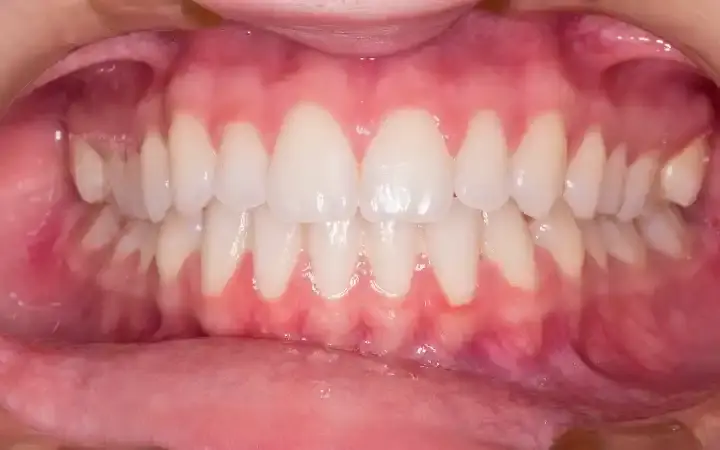
Toothpaste is composed of cleaning agents like sodium lauryl sulfate, which helps remove teeth stains and create foam, and abrasives like calcium carbonate responsible for removing spots and discoloration from teeth. It also contains preservatives to protect the toothpaste from bacterial and fungal growth, and flavors like mint to give a refreshing feeling after brushing and improve the breath that may result from dental issues or plaque buildup.
عرض النقاط الرئيسية
- Toothpaste contains cleaning and abrasive agents, preservatives, and refreshing flavors.
- Fluoride is the key ingredient for protecting and strengthening teeth against cavities.
- Toothpaste can be used in homemade mixtures for various cleaning purposes.
- ADVERTISEMENT
- The history of toothpaste dates back to ancient times and has evolved across different cultures.
- The addition of fluoride in the mid-20th century improved toothpaste effectiveness.
- The proper amount of toothpaste needed is small; there's no need to use too much.
- It's essential to read the toothpaste ingredients to check for allergies before buying.
The main ingredient in toothpaste is fluoride. Therefore, it is recommended to use toothpaste daily to clean and disinfect teeth, removing food buildup that causes plaque and various dental diseases. Fluoride works to protect teeth from cavities and strengthen the enamel. Toothpaste also whitens teeth by removing stains from the surface layer. It fights gum diseases and reduces tooth sensitivity.
قراءة مقترحة
However, the benefits of toothpaste are not limited to dental cleaning, and this is the subject of the article. There are many mixtures that can be prepared from toothpaste for different purposes which we will present, and you can try them at home as they may replace many expensive products that do not always guarantee results. We recommend preparing these mixtures out of children's reach to prevent any accidents if they try to taste or touch the mixtures.
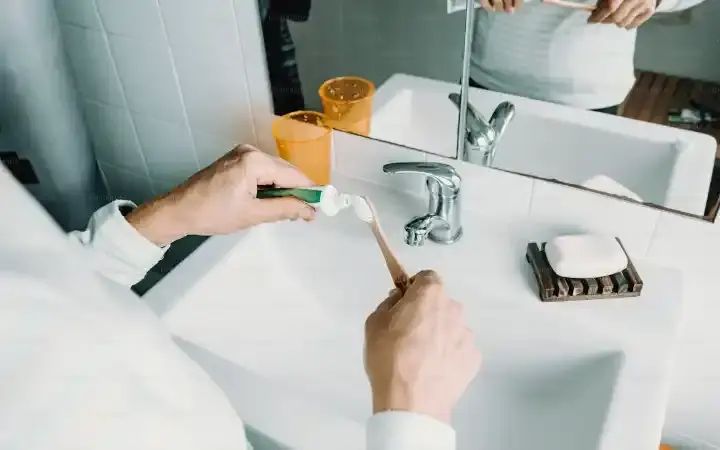
1- Toothpaste and Rice Mix:
Mixing two tablespoons of cooked rice with toothpaste creates a sticky paste that you can use for gluing paper, cardboard, and other items. Give it a try now.
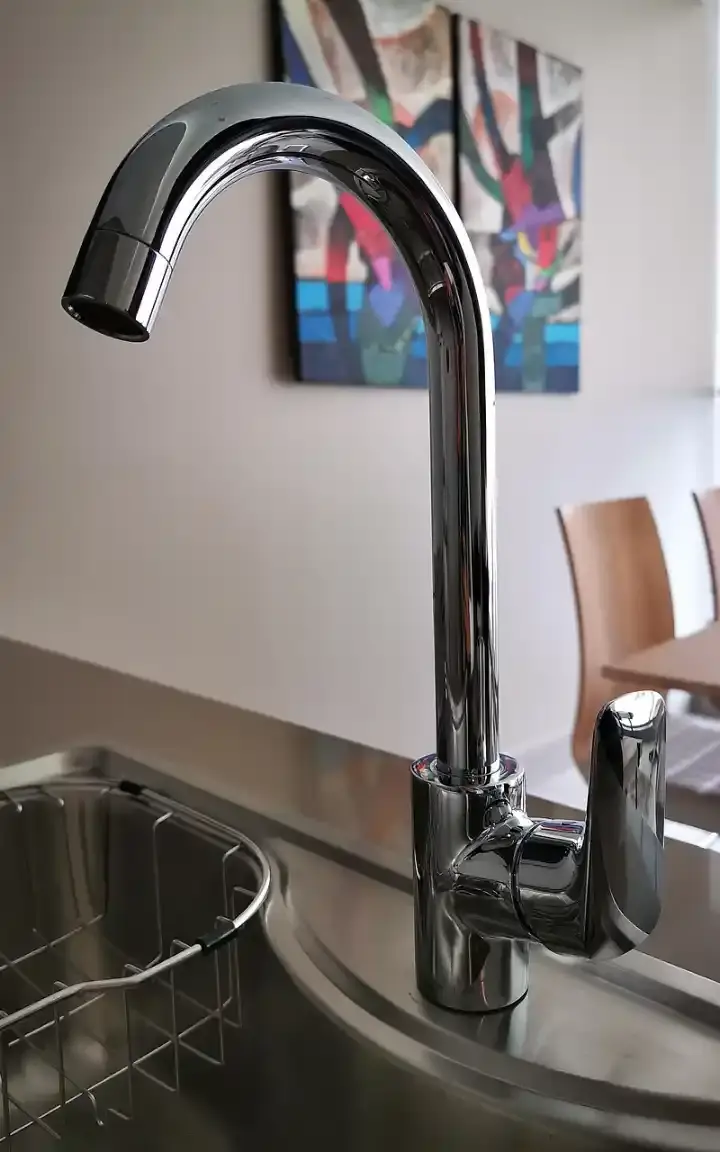
2- Toothpaste and Alcohol Mix:
This mix can be used to restore shine to faucets and remove rust from metal.
3- Toothpaste and Dish Soap Mix:
Mixing toothpaste with dish soap gives you a cleaner that can remove accumulated spots from mirrors. Use it with a mirror squeegee similar to a car windshield squeegee. You'll have clean, bright, and clear mirrors.
4- Toothpaste and Liquid Detergent Gel Mix:
Recently, many types of liquid detergents and washing gels have become popular. Mix one with toothpaste to clean white sports shoes. This mixture will remove yellowing and dirt spots from shoes. Use a soft brush or a rough cloth to apply the mixture on the shoe, then dry it with a clean cloth to get shoes that are clean, shiny, and look brand new.

5- Toothpaste and Soda Drink Mix:
You can make a mix of toothpaste and soda drinks like Sprite or 7-Up to clean walls that children have drawn on. The same mixture can be used to clean door handles and remove accumulated dirt and spots. It is also suitable for cleaning grease and build-up on kitchen ceramic walls, especially those next to different food preparation areas and the stove.
6- Toothpaste, Salt, White Vinegar, and Detergent Powder Mix:
You can prepare a disinfectant for kitchen towels using toothpaste with added white vinegar, salt, detergent powder, and boiling water, leaving them for 20 minutes. This mixture will remove bacteria and clean dirt, making the towel look clean and sanitized.
7- Toothpaste, Baking Soda, and Vinegar Mix:
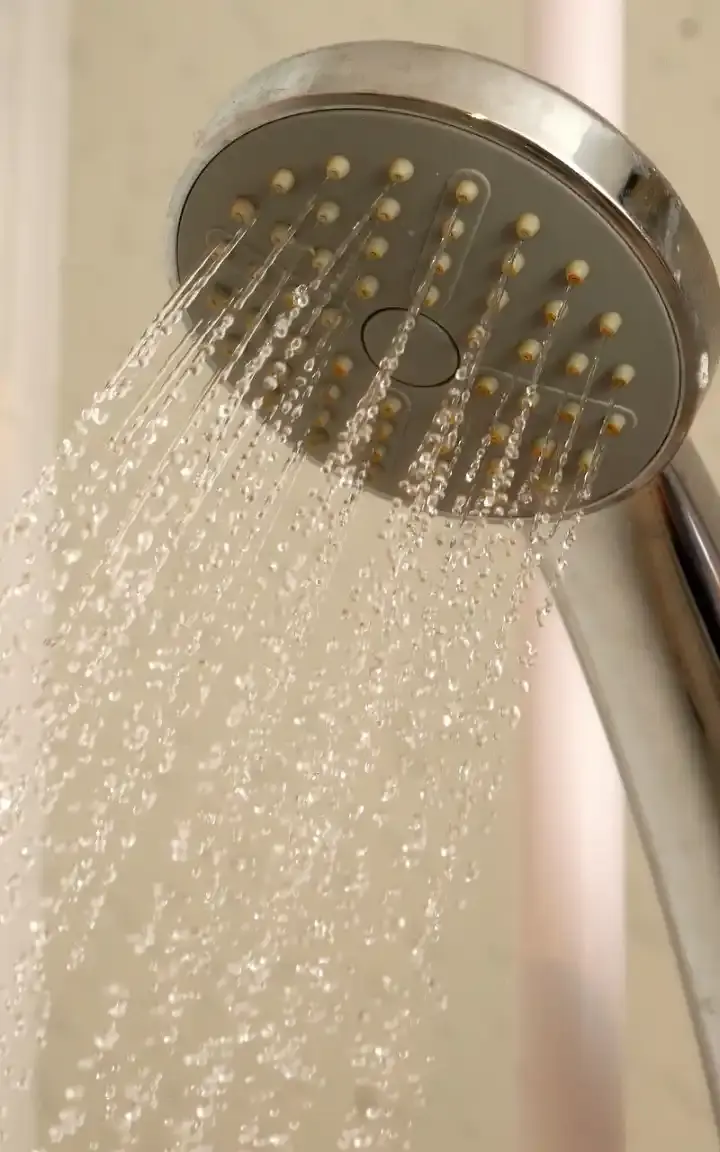
To remove limescale build-up on showerheads, you can prepare a mix of toothpaste with baking soda, vinegar, and water in a bag, immerse the showerhead in the mixture, secure the bag around it and wait for 10 minutes before rinsing it off.
Facts You Didn't Know About Toothpaste:
● Toothpaste is not a recent invention. The ancient Egyptians were the first to make toothpaste historically, using bull's hoof ash mixed with powdered eggshells and adding aromatic substances to improve breath. Before this, a dental cleaner was made by mixing salt, pepper, iris flowers, and mint leaves.
● Greeks and Romans made some adjustments by preparing toothpaste from bone powder, charcoal, and oyster shells with aromatic components.
● During the Middle Ages, the mixture evolved to include sea salt and herbs in the toothpaste ingredients, prepared at home for clean and fresh-scented teeth.
● In the 9th century, the first recorded toothpaste was made by an Andalusian scientist named Abu al-Hasan Ali ibn Nafi, although the ingredients were not known or recorded.
● In the 19th century, there was a leap in the toothpaste realm by including soap in mixtures for the first time, sold in glass containers, making it a paste rather than a powder, by dentist Peabody.
● In the 20th century, American dentist Washington Sheffield created the first squeezable toothpaste. After that, it was commercially manufactured to be widely available instead of homemade as before.
● In the mid-20th century, fluoride was added to toothpaste ingredients, significantly combating cavities and many common dental issues. The discovery of fluoride's benefits for teeth happened by chance when scientists observed a drop in cavity rates among people who drank water with natural fluoride levels, leading to its widespread use in toothpaste.
● Today, many kinds of toothpaste are available, including those with natural ingredients like charcoal and coconut oil. Sensitive toothpastes containing potassium nitrate are formulated to reduce tooth sensitivity, while some are designed for whitening, containing hydrogen peroxide.
● The amount of toothpaste seen in advertisements is excessive and unnecessary—the appropriate amount doesn't exceed the size of a pea, enough for one use.
● Toothpaste is used for polishing silver and cleaning clothing stains, but it's advisable to use ones that aren't gel-based.
Finally, we always recommend reading the ingredients of toothpaste before purchasing if you have any allergies, such as a dairy allergy. Some pastes contain ingredients to which people may be sensitive, like milk proteins.