The Enigma of French Fries: A Global Love Affair with French Culinary Art

Few foods have reached the level of universal appeal that French fries have achieved. Whether served in upscale restaurants, fast-food chains, or street stalls, these golden, crispy delights are loved everywhere. However, the name "French fries" can be puzzling. Why are they called French? What role does France play in this ubiquitous snack's story? To understand this, one must embark on a journey covering the history of potatoes, the rise of French culinary art, and the spread of this famous dish.
عرض النقاط الرئيسية
- Although referred to as "French," French fries are believed to have originated in Belgium in the late 17th century.
- Antoine-Augustin Parmentier played a significant role in promoting potato consumption in France during the 18th century, strengthening its place in French cuisine.
- The rich French culinary art influenced the naming of French fries and contributed to their global spread due to the prestige of French cuisine.
- ADVERTISEMENT
- Fast-food chains, especially McDonald's, played a pivotal role in making French fries a globally popular food.
- French cooking techniques, which involve precision and innovation, transformed potatoes into a luxurious ingredient used in sophisticated and refined dishes.
- The confusion with the term "French fries" arises from American soldiers using this name after experiencing it in French-speaking Belgium.
- The world's love for French culinary art is a testament to its profound and lasting influence in shaping international dining habits and tastes.
1. Origins of the Potato.

The story of French fries starts far from France—in the Andes Mountains of South America, where potatoes were first domesticated around 8,000 years ago. Potatoes arrived in Europe in the late 16th century, brought by Spanish explorers. However, they weren't immediately embraced by Europeans. Initially, potatoes were seen with suspicion and disdain, considered food suitable only for animals or the poor. It took several centuries before potatoes gained popularity across Europe.
قراءة مقترحة
In France, Antoine-Augustin Parmentier, an 18th-century agricultural engineer and pharmacist, was a key figure advocating for potatoes. Parmentier championed the extensive cultivation and consumption of potatoes, emphasizing their nutritional value. His efforts were instrumental in spreading the tuber, especially during times of famine when other crops failed. Parmentier's name remains associated with many potato dishes in French cuisine today, like “Hachis Parmentier” (a potato-based meat pie).
2. Birth of French Fries.
The exact origin of French fries is a matter of some debate, but many historians agree they first appeared in Belgium. In the late 17th century, people living near the Meuse River often ate small fried fish. However, when the river froze in winter, they began to slice potatoes in the shape of fish and fry them in hot oil. This preparation method spread throughout the region, and by the 18th century, fries had become a popular snack in both Belgium and France.
The name “French fries” likely derived from the influence of French cuisine and culinary traditions, admired globally in the 19th and early 20th centuries. In the United States, returning soldiers from World War I tasted fries in Belgium, but since French was the language of diplomacy and culture at the time, they referred to them as “French fries.” The term stuck, despite Belgium's objections to the French claim of invention.
3. The Influence of French Culinary Art.
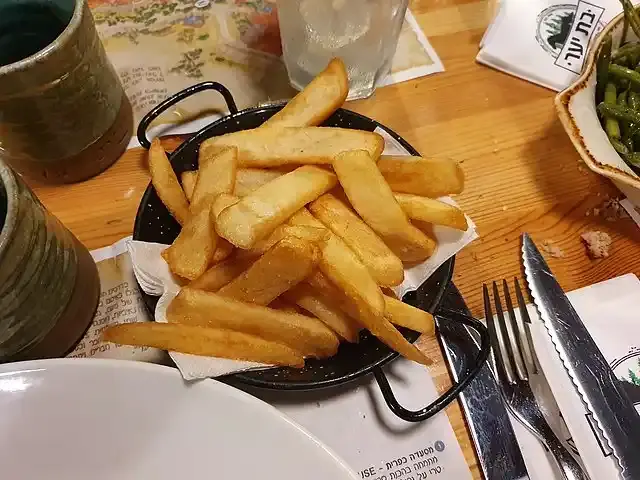
France's legacy in culinary art stems from the development of modern cooking techniques and gastronomy, making French cuisine one of the most influential in the world. The concept of "haute cuisine"—high-end, refined cooking—was perfected in France, and French chefs were often seen as pioneers in the culinary arts. French dishes set global trends, with French food and wine viewed as the pinnacle of sophistication.
Potatoes became a staple in French culinary art, used in a variety of recipes: mashed, baked, roasted, and, of course, fried. French chefs mastered the art of frying, and their expertise elevated the humble potato to a renowned delicacy. French cuisine embraced the potato, using it to create dishes like potatoes au gratin (pommes de terre Anna) and puffed potatoes (pommes soufflées). In the French culinary tradition, even something as simple as frying potatoes was approached with the attention to detail and technique that distinguished it.
4. The Spread of French Fries.
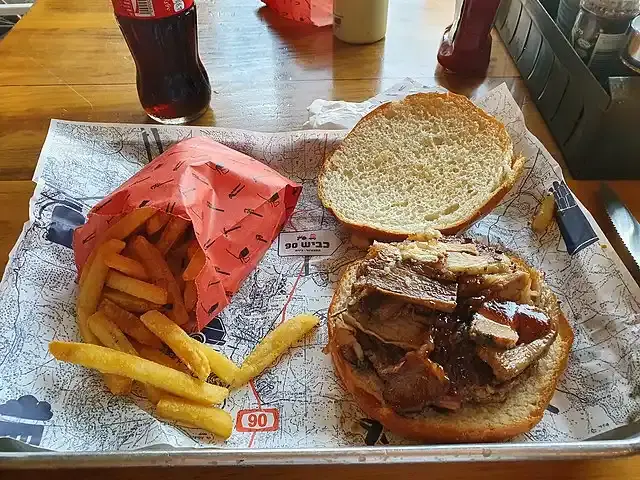
The rise of French fries as a global phenomenon is closely tied to the emergence of fast-food culture, especially in the United States. With the advent of fast-food chains in the mid-20th century, French fries became a standard side dish, bolstering their status in global cuisine. McDonald's, in particular, helped propagate French fries to every corner of the globe, making them a staple of the fast-food experience.
Today, French fries are enjoyed in various forms—thin, crispy, curly, waffle-cut, or seasoned—and paired with an array of condiments from ketchup to aioli. Across Europe, North America, Asia, and beyond, French fries have been embraced and integrated into local culinary traditions. In Belgium, they are served with mayonnaise, while in Canada, they are topped with cheese curds and gravy to make poutine.
5. Why Are They Called "French"?
The term "French fries" may arise from two factors: the impact of French cooking techniques and the confusion between Belgium and France in the English-speaking world. French cuisine was renowned globally, so it's no surprise English speakers associated fries with the French, even though they were likely first made in Belgium. Another explanation is that in 19th-century English, "to French" meant to slice thinly—thus "French fries" could simply refer to how the potatoes are cut before frying.
Despite the contested origin, the name has stuck, and "French fries" is the accepted term in most parts of the world. Interestingly, in France, these tasty, crispy treats are called "pommes frites" or simply "frites," while in Belgium, they're celebrated as a national dish, often referred to simply as "frites" as well.
6. The Place of Potatoes in French Culinary Art.
Although the French didn't invent the potato, they certainly contributed to its culinary success. French chefs have crafted countless dishes using potatoes, which feature prominently in French bistros and brasseries. Dishes like the creamy "gratin dauphinois" and the cheesy mashed potatoes "aligot" highlight how the French have elevated potatoes to a level of comfort food with significant depth and flavor.
The French skill in taking simple ingredients and transforming them into culinary masterpieces is why their cooking traditions continue to influence global cuisine today. French fries are but one example of how French culinary art has captured the world's imagination and tastes.
7. The World's Love for French Culinary Art.

French culinary art holds a unique place in the hearts and kitchens of food lovers across the globe. Renowned for its elegance, precision, and creativity, French cuisine has set the standard for excellence in the culinary world for centuries. This global love for French food is not only about the dishes themselves but also about the culture, history, and techniques that underpin it. French culinary traditions value high-quality ingredients, seasonality, and attention to detail—attributes that have earned them a spot on UNESCO's list of intangible cultural heritage.
From Michelin-starred restaurants to petite patisseries, French culinary expertise is revered. Techniques like poaching, braising, and baking, which originated in France, are taught in culinary schools worldwide. French terms like sous chef, mise en place, and en papillote have become part of the global culinary lexicon. Iconic dishes like coq au vin, beef bourguignon, and crème brûlée are celebrated in kitchens beyond France's borders.
This love for French cuisine extends to wine and cheese as well, with France being among the top producers. The art of pairing wine with food—a practice mastered by the French—has become a standard in fine dining establishments worldwide. Even in the most casual settings, the influence of French culinary art is apparent, as chefs and home cooks alike seek to incorporate French techniques into their own culinary traditions.
French culinary art also represents a way of life—a style that prioritizes the enjoyment of meals, respect for traditions, and sharing food with others. It's not just about nourishing the body but also feeding the spirit through communal experiences around the table. This cultural reverence for food has captivated people globally, and French cuisine remains a symbol of sophistication, elegance, and ultimate gastronomic pleasure.
As the world continues to evolve, French culinary art adapts while preserving its core values. Whether at a fine dining establishment in Tokyo, a café in New York, or a street vendor in Bangkok, French techniques and flavors continue to inspire chefs and delight diners everywhere. The love of French food is more than just a passing trend; it's a lasting testament to the power of great cooking and its ability to transcend borders, time, and culture.
The journey of French fries—from their humble beginnings in Belgium to becoming a worldwide favorite—is a testimony to the universal appeal of French culinary art. Although the "French" in French fries might be a quirk of history, it reflects France's enduring influence on the global culinary scene. Potatoes, once a disdained crop, have become a star in kitchens everywhere, thanks in part to the culinary creativity of the French and their neighbors. Today, delighting in a serving of crispy, golden fries is to savor a piece of culinary history that binds continents, cultures, and centuries.