Why is Kathmandu So Famous?

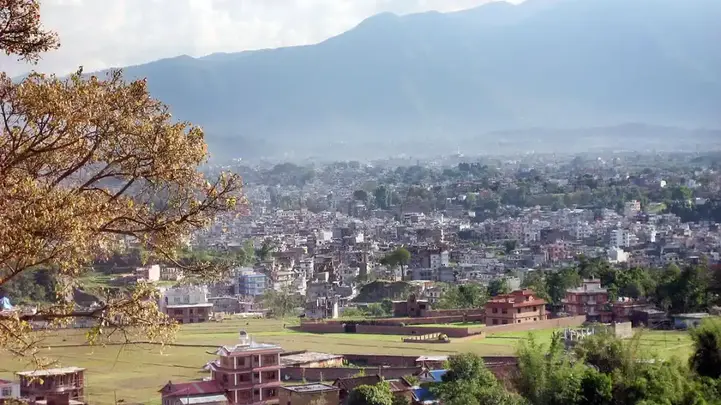
Against the backdrop of the majestic Himalayas lies the serene valley known as Kathmandu: Nepal's mystical destination drawing numerous travelers in search of the ultimate adventure. This city is a thriving hub for all kinds of tourists, offering everything from adventure tourism to cultural exploration. Kathmandu is especially renowned for its religious monuments. Various temples, monasteries, and stupas adorn the city's landscape, notably the famed Pashupatinath and Changu Narayan temples, celebrated for their stunning and intricate religious artistry. Cultural tours are among the top activities one can engage in within the city. You can embark on tours to various heritage sites like Kathmandu Hanuman Dhoka, Patan, Bhaktapur, and Buddhist stupas such as Boudhanath and Swayambhunath. While in the city, you can visit numerous museums like the Natural History Museum, The Taragaon Museum, The National Art Gallery, Kaiser Library, the Nepal Art Council Gallery, and many more. Kathmandu also hosts the Jazzmandu festival in October/November. Be sure to check it out if it coincides with your visit. For an unforgettable lifetime memory, take a walk on the different breathtaking natural trails and witness the awe-inspiring beauty of nature.
قراءة مقترحة
عرض النقاط الرئيسية
- Kathmandu is located amid the Himalayas and is considered a mystical destination that attracts travelers from around the globe seeking adventure and culture.
- The city is rich in religious landmarks such as Pashupatinath Temple, Changu Narayan, Boudhanath, and Swayambhunath stupas, making it a treasury for spiritual and historically inclined visitors.
- Kathmandu boasts a thriving cultural scene with museums, art exhibitions, and traditional music performances by local bands in theaters and cultural centers.
- ADVERTISEMENT
- The city is also known for its cuisine that reflects Indian and Tibetan influences, with popular dishes including Dal Bhat and Momos.
- Visitors can explore intriguing sites like the British Cemetery, Garden of Dreams, and Freak Street, which blend history with architectural heritage.
- Kathmandu's history has seen major transformations from Lichhavi and Malla rule to the reign of the Gorkha and Rana, ending in the establishment of a republic in 2008.
- The city's population is diverse, with multiple ethnicities and languages spoken, the most prominent being Nepali and Nepal Bhasa, with extensive use of English in tourist areas.
History of Kathmandu
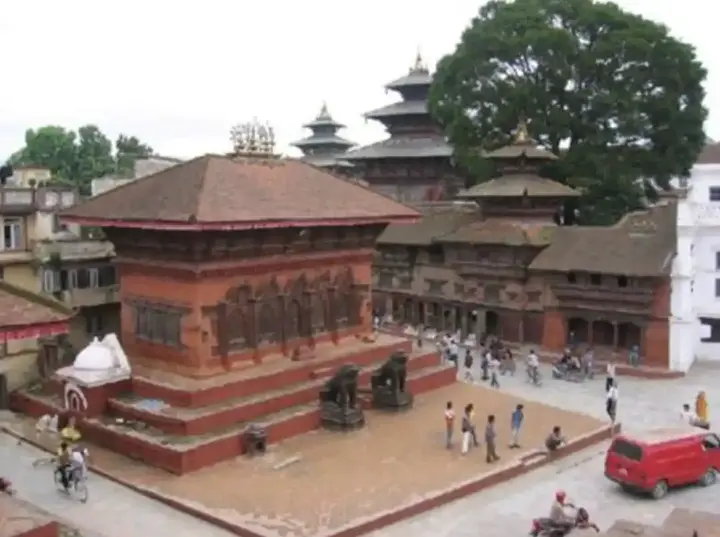
From ancient times through the medieval ages to the modern era, the Kathmandu region has an extensive history. Artifacts and tools found in the Kathmandu Valley indicate that the area has been inhabited for eleven thousand years. During the medieval period, Kathmandu was ruled by the Licchavis, who came from the Indian Ganges River plains after defeating the Kirats, a Mongoloid-origin group. In the 13th century, the Malla era began. The Mallas are credited with introducing Hinduism to the region.
The Malla era ended after their defeat in the Battle of Kathmandu in 1768 against the Gorkha Kingdom. The Rana Kingdom replaced the Gorkha in 1846. The area was under monarchical rule until 2008 when the monarchy was abolished, and a republic was established, replacing the former monarchy.
People of Kathmandu
The population of Kathmandu is 671,846, and it boasts a highly cosmopolitan atmosphere where people of various ethnicities coexist. The major ethnic groups include the Newar, who make up 29.6% of the population, along with the Sunwar, Magar, Gurung, Tamang, Khas Brahmins, and Chhetris. Most people practice Hinduism and Buddhism, and the locals are known for being very friendly and hospitable.
Language in Kathmandu
Nepal is home to more than 93 languages, many of which are spoken in the Kathmandu area and within the city itself. The primary languages are Nepali and Nepal Bhasa. With Nepali being the country's official language, it is widely used. English is also extensively used, especially in tourist-dominated regions.
Culture in Kathmandu
Most of the country's art, literature, food, music, and festivals revolve around religion, and Kathmandu is no exception. Hinduism and Buddhism are the main religions. All major Hindu and Buddhist festivals are celebrated in Kathmandu with grandeur and joy. The city is renowned for its religious monuments that have existed for centuries. One can find temples, monasteries, shrines, Buddhist chaityas, and palaces scattered across the city. Hindu deities' carved statues can be found everywhere.
Apart from religious monuments, Kathmandu is also home to numerous modern museums and art galleries, such as the National Museum, National Art Gallery, Natural History Museum, Kaiser Library, Taragaon Museum, and the Nepal Art Council Gallery, among many others. Traditionally, music has played an integral role in Nepalese life. Many musical performances are held at various theaters and cultural venues in the city. The city's cuisine is a melting pot of many cultures, heavily influenced by Indian and Tibetan cooking techniques. The traditional dish is Dal Bhat, comprising rice, lentil soup, vegetable curry, and various sauces and pickles. Momos (dumplings) are a very popular snack.
Must-See Attractions
• Boudha Stupa in Boudha (बौद्ध), one of the most sacred sites for Tibetan Buddhism. This colossal stupa is one of the largest in the world. It is located northeast of Dwarika’s Hotel and directly north of the airport area. Another World Heritage Site. There is a 'festival' every full moon night, a unique experience. NPR 250 (usually ticket offices are closed at night)
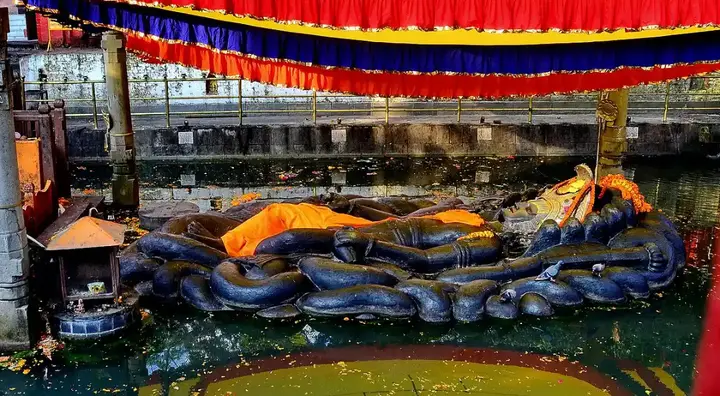
• Budhanilkantha Temple (Narangdham), (6 km from the main Bus Park, Kathmandu). The statue of Bhagwan Vishnu in a sleeping posture surrounded by water is an extraordinarily serene experience.
• The British Cemetery - a quaint historic little cemetery located at the end of the narrow alley running between the Indian and British embassies near Thamel. Just keep walking and you'll find it. The graves date back to residency days and continue till today. A poignant but fascinating cultural contrast to the Pashupatinath Temple.
• Freak Street - a historic street where Western hippies once resided seeking enlightenment. Now it has a few restaurants and hotels.
• Garden of Dreams / Kaiser Mahal [2] - relax in this beautifully restored, quiet walled garden near Thamel and the former royal palace. It has been beautifully restored in partnership with the Austrian government. There are currently two pavilions depicting two of the six seasonal cycles in the Hindu calendar. It features numerous expensive cafes and a bar. Nice toilets. NPR 200.