Consume These Four Foods to Boost Your Brain Power

Incorporating certain foods into your diet can support brain health and reduce the risk of neurodegenerative diseases. While genetics play a crucial role in health outcomes, dietary choices can help 'tilt the odds' in favor of cognitive function preservation. A healthy diet is essential for brain health and can influence the likelihood of maintaining cognitive abilities. Despite healthy lifestyle choices, genetic factors still impact health, particularly brain health. Some foods provide multiple health benefits, such as those with anti-inflammatory and antioxidant properties, which are important for overall well-being. A nutritionist from Harvard University states: I can't imagine a worse fate than working all my life to maintain my body's health, only for my mind to fail in old age. Sometimes that is inevitable, of course.
قراءة مقترحة
عرض النقاط الرئيسية
- Certain foods can reduce the risk of neurodegenerative diseases and support cognitive function as you age.
- Although genetics significantly influence brain health, proper nutrition might help counteract some of these effects.
- Among brain-friendly foods, those rich in polyphenols like blueberries are beneficial for memory and focus.
- ADVERTISEMENT
- Studies suggest that probiotics in fermented foods help reduce inflammation and support brain health.
- Herbs and spices like garlic and thyme contain strong antioxidants that may protect against cognitive decline.
- Your daily dietary choices don't guarantee perfect results but increase the likelihood of maintaining an active and healthy brain.
- Integrating four main types of food is crucial to support gray matter and keep vital brain functions.
- content":"<p class=\"article__paragraph\">Incorporating certain foods into your diet can support brain health and reduce the risk of neurodegenerative diseases. While genetics play a crucial role in health outcomes, dietary choices can help 'tilt the odds' in favor of cognitive function preservation. A healthy diet is essential for brain health and can influence the likelihood of maintaining cognitive abilities. Despite healthy lifestyle choices, genetic factors still impact health, particularly brain health. Some foods provide multiple health benefits, such as those with anti-inflammatory and antioxidant properties, which are important for overall well-being. A nutritionist from Harvard University states: I can't imagine a worse fate than working all my life to maintain my body's health, only for my mind to fail in old age. Sometimes that is inevitable, of course."</p> <p class=\"article__paragraph\">Degenerative brain disease can affect anyone, with genetics weighing heavily on many cases. Life feels like a lottery in this way, and there are anomalies in every direction. Some people exercise diligently, eat plant-based diets, and meditate for stress relief, yet still get cancer. And everyone has a story about an uncle or grandfather or someone who smoked cigarettes and drank whiskey all their lives and lived into their nineties. Ultimately, making good dietary and exercise choices isn't a magic health bullet—it's more about stacking the odds in our favor. Just as you should target certain foods to help build muscles, reduce harmful inflammation, and keep your heart efficiently pumping, there are foods that can also enhance your chances of having a healthy brain. According to a nutritionist from Harvard University, there are a few foods, in particular, you should focus on to stay sharp at any age. Let's talk about those foods now. There are four types of foods you should add to your diet to maintain your gray matter.</p> <h2 class=\"article__header-two\">The First Brain-Saving Food</h2> <figure class=\"article__img-wrapper\"> <div class=\"normal-img\"> <img src=\"/images/20240926/202409262045407132.webp\" alt=\"Image from unsplash\" /> </div> <figcaption class=\"article__img-via\">Image from unsplash</figcaption> </figure> <p class=\"article__paragraph\">Degenerative brain disease can affect anyone, with genetics weighing heavily on many cases. Life feels like a lottery in this way, and there are anomalies in every direction. Some people exercise diligently, eat plant-based diets, and meditate for stress relief, yet still get cancer. And everyone has a story about an uncle or grandfather or someone who smoked cigarettes and drank whiskey all their lives and lived into their nineties. Ultimately, making good dietary and exercise choices isn't a magic health bullet—it's more about stacking the odds in our favor. Just as you should target certain foods to help build muscles, reduce harmful inflammation, and keep your heart efficiently pumping, there are foods that can also enhance your chances of having a healthy brain. According to a nutritionist from Harvard University, there are a few foods, in particular, you should focus on to stay sharp at any age. Let's talk about those foods now. There are four types of foods you should add to your diet to maintain your gray matter.</p> <h2 class=\"article__header-two\">The Second Brain-Saving Food</h2> <p class=\"article__paragraph\">Polyphenols are a class of compounds naturally found in plant foods, including fruits, vegetables, herbs, spices, tea, dark chocolate, and wine. They can act as antioxidants, meaning they can neutralize harmful free radicals that would otherwise damage your cells. Regular intake of polyphenols is believed to enhance digestion, promote brain health, and offer protection against cardiovascular diseases, type 2 diabetes, and even some cancers. Polyphenols are also thought to reduce inflammation, considered the root cause of many chronic diseases. They may boost brain functions, improving concentration and memory. One study highlights that drinking grape juice, naturally rich in polyphenols, significantly improved memory in older adults with mild mental impairment within just 12 weeks. Others suggest that flavanols (a type of polyphenol) in cocoa may improve blood flow to the brain and have been linked to improved working memory and attention. Likewise, ginkgo extract, rich in polyphenols, seems to enhance memory, learning, and concentration. It has also been associated with improved brain activity and short-term memory in those with dementia. Blueberries are an excellent source of polyphenols. These 'berries' are the ultimate brain food, while other options include carrots, nuts, and olives."</p> <h2 class=\"article__header-two\">The Third Brain-Saving Food</h2> <figure class=\"article__img-wrapper\"> <div class=\"normal-img\"> <img src=\"/images/20240926/202409262046535780.webp\" alt=\"Image from unsplash\" /> </div> <figcaption class=\"article__img-via\">Image from unsplash</figcaption> </figure> <p class=\"article__paragraph\">Probiotics offer a variety of effects in the body when administered in adequate amounts, providing "health benefits to the host." Different strains of probiotics work differently. Probiotic compounds help your body maintain a healthy community of microorganisms or help your body's community of microorganisms return to health after being disturbed. A study at Stanford University shows that fermented foods (which contain probiotics) reduce inflammation (and inflammation, of course, is harmful to the body and brain). It's recommended to consume some kefir, kimchi, yogurt, or kombucha."</p> <h2 class=\"article__header-two\">The Fourth Brain-Saving Food</h2> <figure class=\"article__img-wrapper\"> <div class=\"normal-img\"> <img src=\"/images/20240926/202409262047401991.webp\" alt=\"Image from unsplash\" /> </div> <figcaption class=\"article__img-via\">Image from unsplash</figcaption> </figure> <p class=\"article__paragraph\">The great thing about the fourth food is that it can easily be added to other foods to give your brain an extra boost. Yes, we're talking about herbs and spices. These are rich in plant-based polyphenols and have high antioxidant and anti-inflammatory properties." One standout spice is thyme. But what is the number one choice among all these spices in this category? Garlic. You can add it to just about everything, and it's a common cooking ingredient with numerous health benefits. These include managing cholesterol, promoting heart health, supporting the immune system, and protecting against common colds and memory issues. Some research suggests it may help protect against cognitive decline and memory problems due to its antioxidants, which help prevent oxidative damage. This might mean it could slow the progression of Alzheimer's disease. However, since many causes of Alzheimer's exist, it may not be possible to prevent the condition entirely."</p>"}
Degenerative brain disease can affect anyone, with genetics weighing heavily on many cases. Life feels like a lottery in this way, and there are anomalies in every direction. Some people exercise diligently, eat plant-based diets, and meditate for stress relief, yet still get cancer. And everyone has a story about an uncle or grandfather or someone who smoked cigarettes and drank whiskey all their lives and lived into their nineties. Ultimately, making good dietary and exercise choices isn't a magic health bullet—it's more about stacking the odds in our favor. Just as you should target certain foods to help build muscles, reduce harmful inflammation, and keep your heart efficiently pumping, there are foods that can also enhance your chances of having a healthy brain. According to a nutritionist from Harvard University, there are a few foods, in particular, you should focus on to stay sharp at any age. Let's talk about those foods now. There are four types of foods you should add to your diet to maintain your gray matter
The First Brain-Saving Food
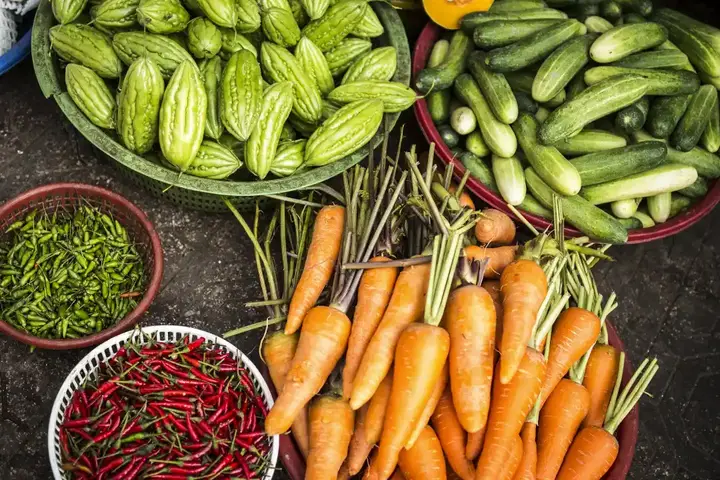
Degenerative brain disease can affect anyone, with genetics weighing heavily on many cases. Life feels like a lottery in this way, and there are anomalies in every direction. Some people exercise diligently, eat plant-based diets, and meditate for stress relief, yet still get cancer. And everyone has a story about an uncle or grandfather or someone who smoked cigarettes and drank whiskey all their lives and lived into their nineties. Ultimately, making good dietary and exercise choices isn't a magic health bullet—it's more about stacking the odds in our favor. Just as you should target certain foods to help build muscles, reduce harmful inflammation, and keep your heart efficiently pumping, there are foods that can also enhance your chances of having a healthy brain. According to a nutritionist from Harvard University, there are a few foods, in particular, you should focus on to stay sharp at any age. Let's talk about those foods now. There are four types of foods you should add to your diet to maintain your gray matter.
The Second Brain-Saving Food
Polyphenols are a class of compounds naturally found in plant foods, including fruits, vegetables, herbs, spices, tea, dark chocolate, and wine. They can act as antioxidants, meaning they can neutralize harmful free radicals that would otherwise damage your cells. Regular intake of polyphenols is believed to enhance digestion, promote brain health, and offer protection against cardiovascular diseases, type 2 diabetes, and even some cancers. Polyphenols are also thought to reduce inflammation, considered the root cause of many chronic diseases. They may boost brain functions, improving concentration and memory. One study highlights that drinking grape juice, naturally rich in polyphenols, significantly improved memory in older adults with mild mental impairment within just 12 weeks. Others suggest that flavanols (a type of polyphenol) in cocoa may improve blood flow to the brain and have been linked to improved working memory and attention. Likewise, ginkgo extract, rich in polyphenols, seems to enhance memory, learning, and concentration. It has also been associated with improved brain activity and short-term memory in those with dementia. Blueberries are an excellent source of polyphenols. These 'berries' are the ultimate brain food, while other options include carrots, nuts, and olives.
The Third Brain-Saving Food
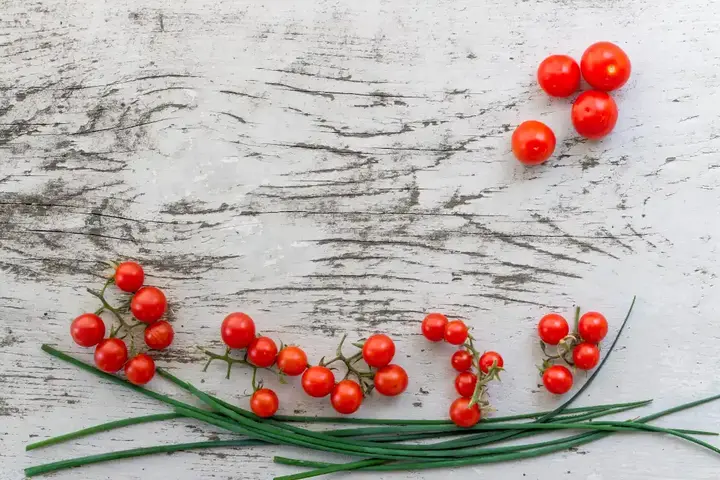
Probiotics offer a variety of effects in the body when administered in adequate amounts, providing "health benefits to the host." Different strains of probiotics work differently. Probiotic compounds help your body maintain a healthy community of microorganisms or help your body's community of microorganisms return to health after being disturbed. A study at Stanford University shows that fermented foods (which contain probiotics) reduce inflammation (and inflammation, of course, is harmful to the body and brain). It's recommended to consume some kefir, kimchi, yogurt, or kombucha.
The Fourth Brain-Saving Food
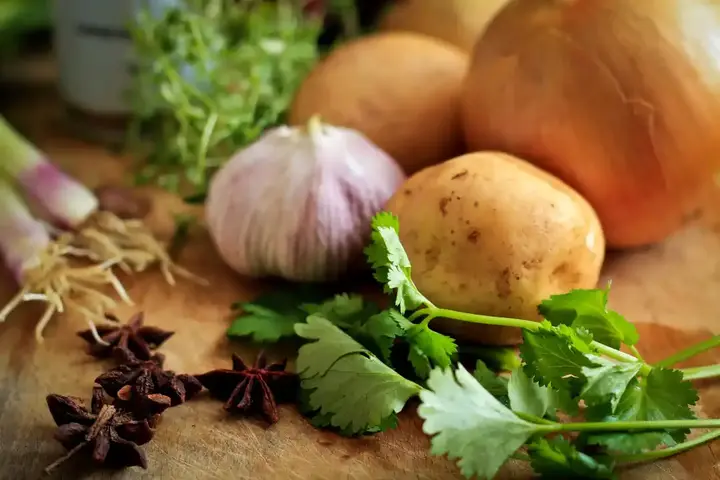
The great thing about the fourth food is that it can easily be added to other foods to give your brain an extra boost. Yes, we're talking about herbs and spices. These are rich in plant-based polyphenols and have high antioxidant and anti-inflammatory properties. One standout spice is thyme. But what is the number one choice among all these spices in this category? Garlic. You can add it to just about everything, and it's a common cooking ingredient with numerous health benefits. These include managing cholesterol, promoting heart health, supporting the immune system, and protecting against common colds and memory issues. Some research suggests it may help protect against cognitive decline and memory problems due to its antioxidants, which help prevent oxidative damage. This might mean it could slow the progression of Alzheimer's disease. However, since many causes of Alzheimer's exist, it may not be possible to prevent the condition entirely."