Alhambra: An Everlasting Monument

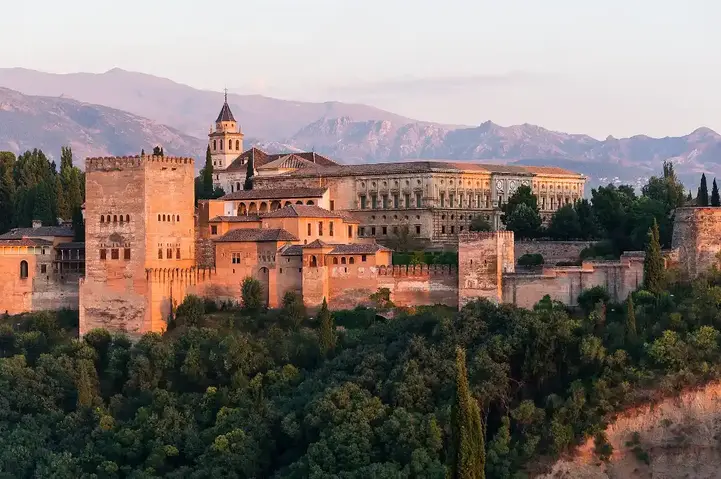
The Alhambra is perched on Sabika Hill overlooking Granada in southern Spain, and it is a spectacular palace and fortress complex that embodies the region's rich history and culture. Its name is derived from the Arabic word "al-hamra" (the Red), reflecting the reddish hue of the clay used in its construction.
عرض النقاط الرئيسية
- The Alhambra is situated on a hill overlooking Granada and is a stunning symbol of Moorish civilization in Spain.
- The origins of the palace date back to the 9th century, but it gained its magnificent present form during the Nasrid dynasty in the 13th century.
- The Alhambra boasts Islamic architecture rich in geometric designs, Arabic calligraphy, and the use of water to create a tranquil and aesthetic environment.
- ADVERTISEMENT
- The palace was the site of the fall of Granada in 1492, marking the end of Islamic rule in the Iberian Peninsula and the beginning of Christian dominance.
- Following the Re-Conquest, modifications were made to the palace by the Catholic monarchs, incorporating elements of European architecture such as the Palace of Charles V.
- Today, the Alhambra is a UNESCO World Heritage Site, attracting millions of visitors annually due to its rich history and architectural beauty.
- The palace is a living testament to the cultural and religious coexistence in Andalusia, continuing to inspire those interested in history, art, and architecture through the ages.
The Alhambra stands as a testament to the architectural grandeur and sophistication of the Moorish civilization that once thrived in the Iberian Peninsula. It symbolizes a remarkable era defined by cultural exchange, scientific progress, and artistic expression. This monument is not merely a relic; it is a story of civilization, an illustration of human creativity, and a beacon of architectural and cultural resilience.
قراءة مقترحة
Historical Background
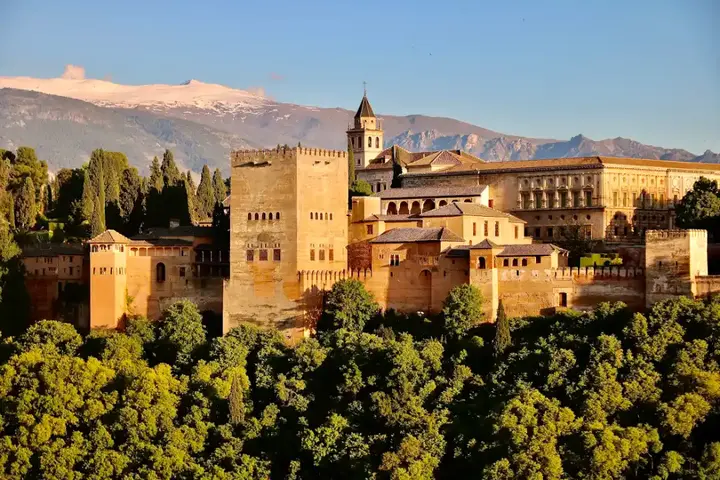
The Alhambra, whose name in Arabic (al-hamra) means "the Red," is a palace and fortress complex located in Granada, Andalusia, Spain. It stands as a witness to the architectural majesty and rich history of the Moorish dominion over the Iberian Peninsula. The origins of the Alhambra trace back to the 9th century when it was originally constructed as a small fortress on the remnants of Roman fortifications. The first known historical records about the Alhambra date back to the 9th century AD, mentioning Sawwar ibn Hamdun who took refuge in the Alcazaba fortress in 889, rebuilding it due to civil wars that led to the destruction of the Caliphate of Córdoba, to which Granada belonged at the time. However, the Alhambra did not transform into the breathtaking palace we see today until the arrival of the Nasrid dynasty in the 13th century. The Nasrids, the last Muslim emirate in the Iberian Peninsula, made the Alhambra their royal residence. Sultan Yusuf I (1333–1353) and his son Muhammad V were most responsible for constructing and designing the Alhambra as we know it today, building the Comares Palace and the Palace of the Lions, respectively.
Architectural Splendor
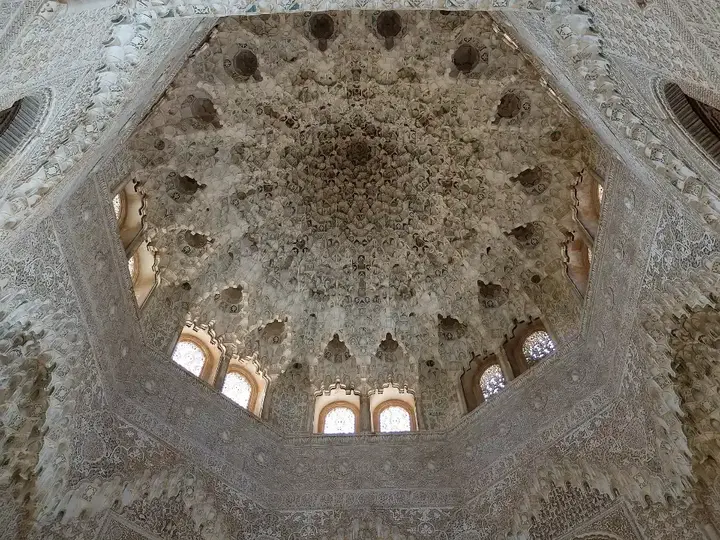
The Alhambra is renowned for its astonishing Islamic architecture. The complex is filled with exquisite detailed carvings, elegant arches, and intricate tilework. Its walls are adorned with geometric patterns and Arabic calligraphy, reflecting the Islamic belief in the infinite nature of God. The use of water in the form of reflecting pools and fountains not only adds to the aesthetic appeal but also provides a cooling effect during the hot Andalusian summers.
One of the most famous parts of the Alhambra is the Courtyard of the Lions. This courtyard is named after the twelve marble lions at its center, which form part of a unique fountain. The slender columns and light arches surrounding the courtyard create a sense of openness and tranquility. The architectural design of the Alhambra serves as a testament to the Moors' advanced engineering and artistic skills. The Islamic palaces of the Alhambra were built for the last Muslim rulers in Spain from the Nasrid dynasty. After the reconquest by the Reyes Católicos ("Catholic Monarchs") in 1492, parts of the palace were used by Christian rulers, and the Palace of Charles V, constructed by Charles V, Holy Roman Emperor, in 1527, was incorporated into the Nasrid fortifications. After falling into disrepair for several centuries, the Alhambra was rediscovered in the 19th century by European scholars and travelers, initiating the restoration works.
The Fall of Granada
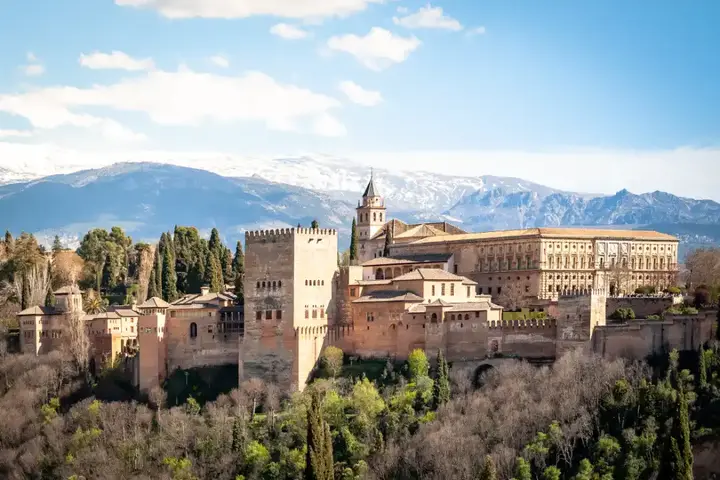
The Alhambra played a pivotal role in Spain's history. It was the site of the surrender of Abu Abdullah, the last Nasrid king, to the Catholic Monarchs Ferdinand and Isabella in 1492. This event marked the end of the Reconquista, the Christian conquest of Spain, and the beginning of a new era. The surrender of Granada was significant as it marked the end of 781 years of Islamic rule in the Iberian Peninsula. This event is known as the Reconquista, the period during which Christian kingdoms gradually reclaimed the Iberian Peninsula from Islamic rule. The fall of Granada marked the end of this period, leading to the unification of the Kingdoms of Castile and Aragon into what would later become the Kingdom of Spain. After the surrender, the Catholic Monarchs took residence in the Alhambra. They made modifications to the complex to suit their tastes, adding elements of the Renaissance style. This included the construction of the Palace of Charles V, a large Renaissance building, within the Alhambra complex.
The Alhambra Today
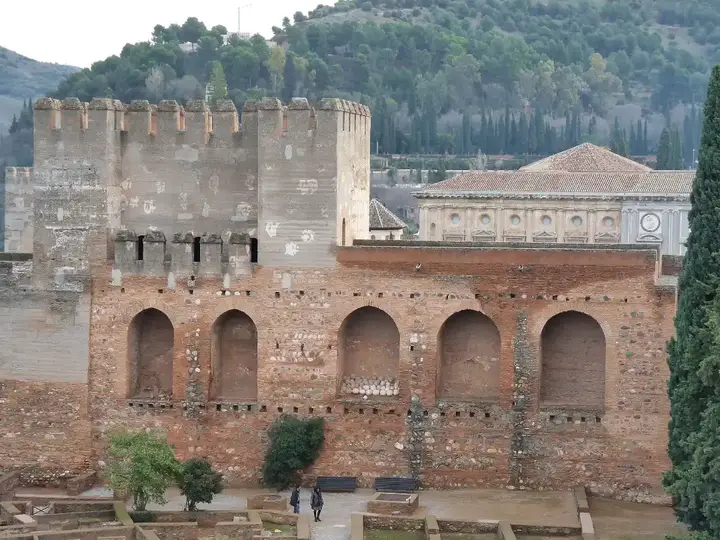
Today, the Alhambra is a UNESCO World Heritage Site and one of the most visited attractions in Spain. It serves as a reminder of the country's rich cultural history and a symbol of the artistic achievements of the Islamic Golden Age.
The Alhambra continues to inspire artists, architects, and historians worldwide with its timeless beauty and historical significance. It is a popular tourist destination, drawing millions of visitors each year who come to marvel at its architectural splendor and immerse themselves in its rich history. The Alhambra is more than just a historic monument. It is a cultural treasure. It represents a period of history where different cultures and religions coexisted and thrived. Today, it stands as a reminder of this cultural harmony and serves as a symbol of tolerance and diversity.
Conclusion
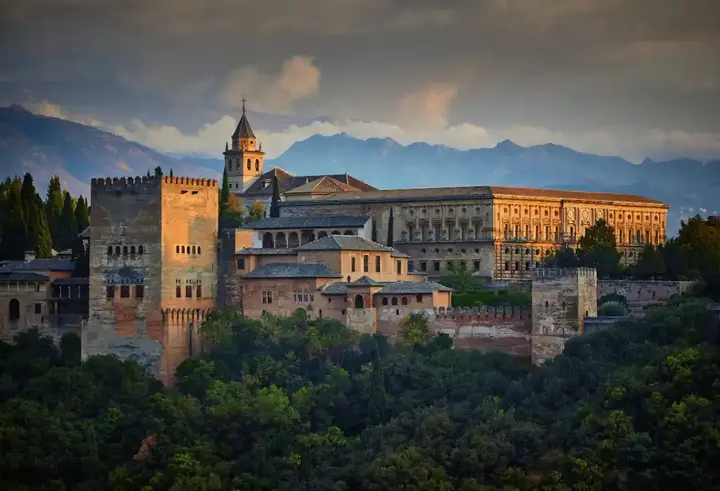
In conclusion, the Alhambra is a living testament to Spain's rich and diverse history. Its architectural magnificence, historical importance, and cultural impact make it a must-visit destination for anyone interested in history, architecture, or culture. The Alhambra is not just a monument. It is a journey through time offering a glimpse into a remarkable period of human history. It stands as a testament to the rich cultural tapestry of Andalusia and continues to inspire with its timeless beauty. The Alhambra's intricate carvings, serene courtyards, and reflective pools tell the story of a civilization that valued art, science, and culture. It reminds us of a time when different cultures and religions coexisted and flourished, resulting in a unique blend of artistic and architectural styles that continue to draw visitors from all over the world. Today, as a UNESCO World Heritage Site, the Alhambra remains a beacon of historical significance and architectural grandeur. It serves as an inspiration for artists, a case study for historians, and a cherished destination for tourists. At the heart of Andalusia, the Alhambra stands as a symbol of historical resilience, architectural brilliance, and cultural diversity. It is a monument that transcends time, its walls whispering tales of the past, and its gardens blossoming with the spirit of a bygone era.
A visit to the Alhambra is more than just a tour; it is an immersive experience that takes you back in time, offering a window into the lives and times of those who once walked its halls and marveled at its beauty, just as we do today.