How to Relieve Ear Pressure?

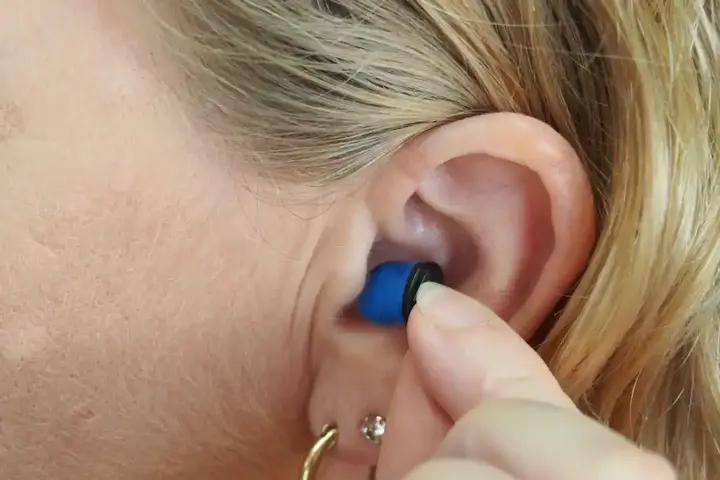
Ear pressure can be an uncomfortable sensation. You may notice fullness, blockage, muffled hearing, or pain inside your ear. This happens when the Eustachian tube in the ear, which connects the middle ear to the back of the nose and helps balance pressure, becomes blocked or stops functioning properly. Illnesses, altitude changes, and earwax buildup are potential causes of ear pressure.
عرض النقاط الرئيسية
- Ear pressure can result from a blocked Eustachian tube due to various reasons like altitude changes, illnesses, or earwax buildup.
- Sudden altitude changes, such as those experienced during flights, can cause pain or fullness in the ear.
- Foreign objects like insects or small toys can settle in the ear, causing annoying symptoms like ringing or hearing loss.
- ADVERTISEMENT
- The buildup of earwax can lead to blockage and discomfort, but removing it properly can ease the symptoms.
- Some infections, like middle ear infections, fungal infections, or swimmer's ear, are common causes of ear pressure and pain.
- Certain conditions like Meniere’s disease, cholesteatoma, or chronic ear infections require medical follow-up and may need surgical intervention.
- It's recommended to see a healthcare provider if ear pressure persists or is accompanied by severe symptoms such as fever, dizziness, or discharge.
This article covers the causes of ear pressure, how to alleviate the discomfort, and when to see a healthcare provider.
1-Altitude Changes

Rapid altitude changes, like flying or riding in an elevator, can put pressure on the middle ear and eardrum. As a result, the Eustachian tube cannot equalize the pressure in your middle ear with the surrounding air. This can lead to pain, pressure, fluid buildup, dizziness, or temporary hearing loss.
قراءة مقترحة
If you experience ear pressure due to altitude changes, the following might help:
• Swallowing
• Chewing gum
• Blowing your nose
• Yawning
2-Foreign Object in the Ear
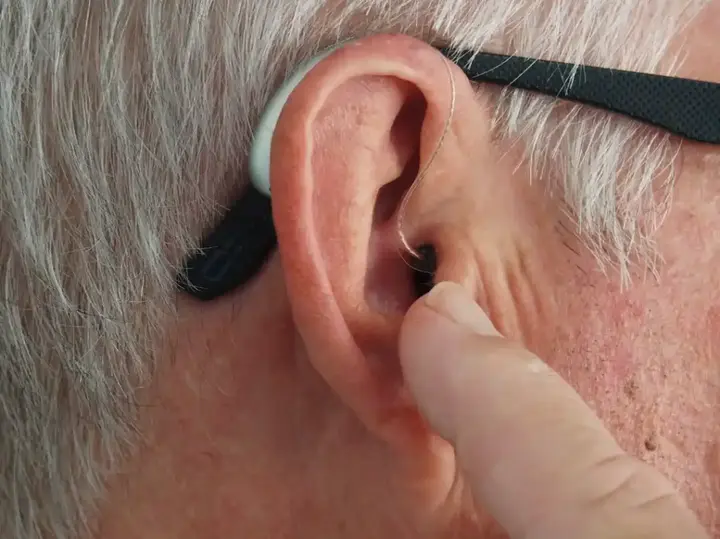
A foreign object in your ear can cause pain, ringing in the ear, or hearing difficulties. Some examples of items that can get lodged in your ear include:
• Insects
• Food
• Small toys
• Buttons
If you suspect a foreign object in your ear, it's best not to attempt to remove it yourself. Never poke or prod the foreign object, as this can push it deeper into your ear. Instead, seek the help of a medical professional who can safely remove the item.
3-Earwax Buildup

Earwax buildup is another potential cause of ear pressure. When wax accumulates, it can block the eardrum. If your ear canal becomes blocked by earwax, you may notice ear pain, a cough, hearing loss, infections, or other issues. A healthcare provider can manually remove earwax. At home, you can add a few drops of clean water, saline solution (salt water), or hydrogen peroxide to your ear and tilt your head to let the wax drain out.
There are also over-the-counter ear drops that help break down earwax. Never remove earwax using a cotton swab; this method can push the wax deeper into the ear.
4-Sinus Congestion

Sinus congestion causes mucus to build up in the sinuses, resulting in ear pressure or pain. You may develop sinus congestion from a viral infection, sinusitis, or allergies
Ways to relieve sinus congestion symptoms at home include:
• Using a saline nasal rinse
• Using a saline nasal spray
• Drinking plenty of water
• Inhaling steam
• Applying a warm compress to the nose area
• Taking antihistamines
5-Ear Infections
Certain ear infections can lead to ear pressure. There are different types of ear infections.
• Middle ear infection
A middle ear infection (otitis media) is an infection in the middle ear behind the eardrum. This type of ear infection usually affects children. It occurs due to bacteria or viruses in the middle ear
Symptoms may include ear pain, hearing difficulties, and ear discharge. Antibiotics are sometimes used to clear up middle ear infections.
• Fungal infection
Fungal ear infections (otomycosis) are caused by fungi growing and spreading in your ear. They can cause pain, itching, a feeling of fullness in the ear, hearing loss, and fluid drainage from the ear.
Treatment options include antifungal medications, ear drops, creams, or ointments.
Cleaning fungal material from the ear canal and keeping the ear dry can also help combat fungal infections.
• Swimmer's ear
Swimmer's ear refers to an infection of the outer ear and ear canal. The infection can result from an upper respiratory infection (like a cold) or swimming in water containing bacteria
Symptoms may include ear pain, hearing loss, itching, or ear discharge. Treatment options include ear drops containing antibiotics, oral antibiotics, or steroids.
6-Meniere’s Disease

Meniere's disease is a condition that causes episodes of vertigo known as attacks. Usually, the condition affects only one ear and symptoms include hearing loss, ringing in the ear, and pressure. There is no cure for Meniere’s disease, but healthcare providers often prescribe medications to help manage the vertigo. Following a low-salt diet may also help alleviate symptoms.
7-Cholesteatoma

A cholesteatoma is an abnormal growth or cyst located behind the eardrum. It can cause ear drainage, hearing loss, ear pressure, dizziness, pain, and recurrent ear infections. A healthcare provider will surgically remove the growth or cyst.
8-Acoustic Neuroma

Acoustic neuromas are noncancerous tumors that develop on the cranial nerve running from the brain to the inner ear. They can cause symptoms like one-sided hearing loss, ringing in the ears, dizziness, ear pressure, and balance loss. If the tumor is small or not causing symptoms, a healthcare provider may monitor it. Other treatment options include surgery or radiation therapy.
9-Chronic Middle Ear Infections
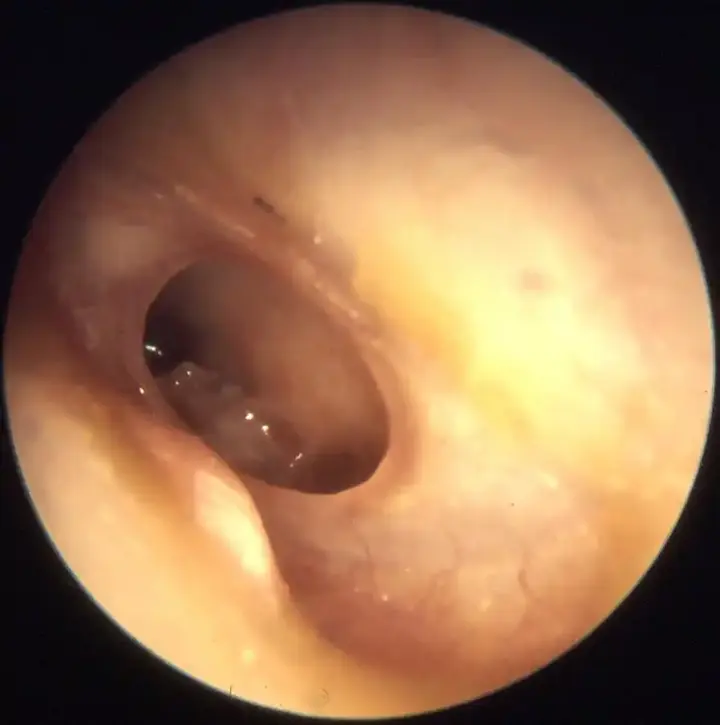
Chronic middle ear infections refer to ear infections that keep returning. A perforated eardrum that does not heal within six weeks is considered chronic. You might need long-term antibiotics to treat chronic middle ear infections. A healthcare provider can aspirate the fluid. Sometimes, surgery is necessary to repair the eardrum.
10-Temporomandibular Joint Disorders
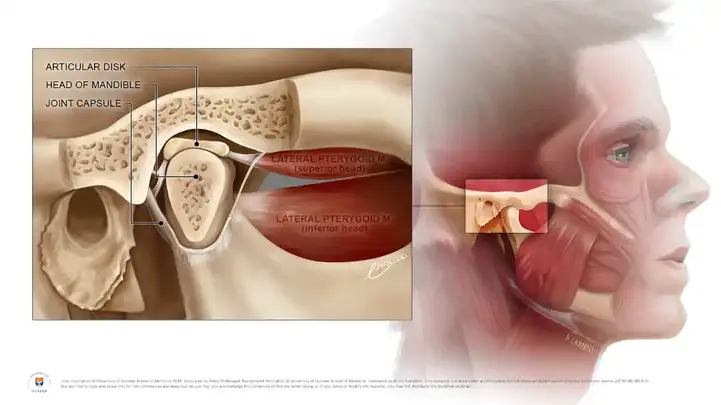
Temporomandibular joint (TMJ) disorders affect the joint on either side of the jaw.
TMJ issues may cause pain in the ears, jaw, cheeks, head, neck, and teeth.
TMJ discomfort often resolves on its own. However, you may need medications, surgery, injections, physical therapy, or a mouth guard. To help ease symptoms, eat soft foods, massage jaw muscles, and apply heat or ice as needed.
Surgical Procedures for Chronic Ear Pressure

Certain medical procedures can help treat chronic ear pressure.
• Myringotomy
A myringotomy is a surgical procedure that involves making a small hole in the eardrum to allow fluid in the middle ear to drain. A small tube is often placed in the hole to assist with drainage. This procedure can help treat persistent fluid buildup in the ear
• Ear tubes
Ear tubes are small tubes surgically inserted into the eardrum to aid fluid drainage. They are often inserted as part of a myringotomy procedure. Most ear tubes will fall out on their own after 12 to 36 months
When to Contact a Healthcare Provider

Visit a healthcare provider if you experience severe ear pain or persistent pressure. Consult a specialist particularly if your ear pressure is accompanied by:
• Hearing loss
• Dizziness
• Fever
• Bleeding or discharge from the ear
• Facial weakness
• Balance issues
In Summary:
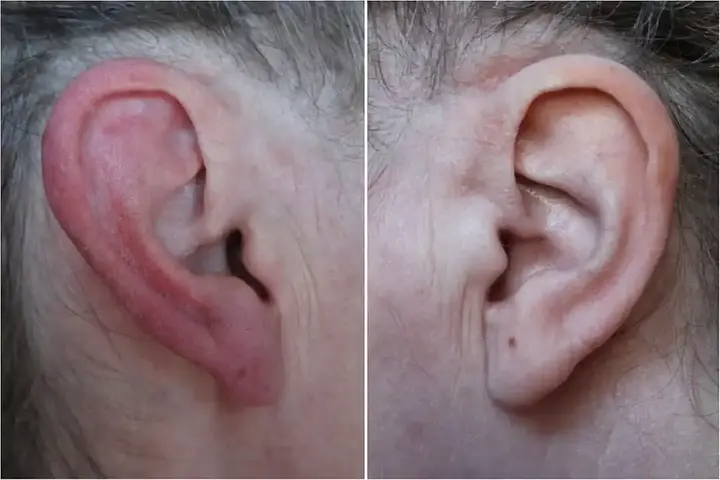
Many factors, including illnesses, altitude changes, foreign objects, earwax buildup, and others, can cause discomfort and pressure in the ear. Medications, home remedies, or even surgeries usually can help relieve the pressure.
Visit a healthcare provider if the pressure becomes very painful or lasts a long time.